Colossal Biosciences and the U.A.E. will build a large biovault at Dubai’s Museum of the Future to store millions of frozen cell and tissue samples from over 10,000 species, starting with the 100 most endangered. The facility will function as a working, public-facing laboratory where samples are sequenced and genomic data is released open-source to support conservation and de-extinction research. The project emphasizes extensive sampling per species to avoid genetic bottlenecks and plans a global network of distributed BioVaults. Funding is substantial: Colossal raised about $615 million in a Series C round, with the U.A.E. committing funds toward a nine-figure investment in the new biobank.
Colossal and the U.A.E. Launch a Massive BioVault to Archive DNA From 10,000 Animal Species
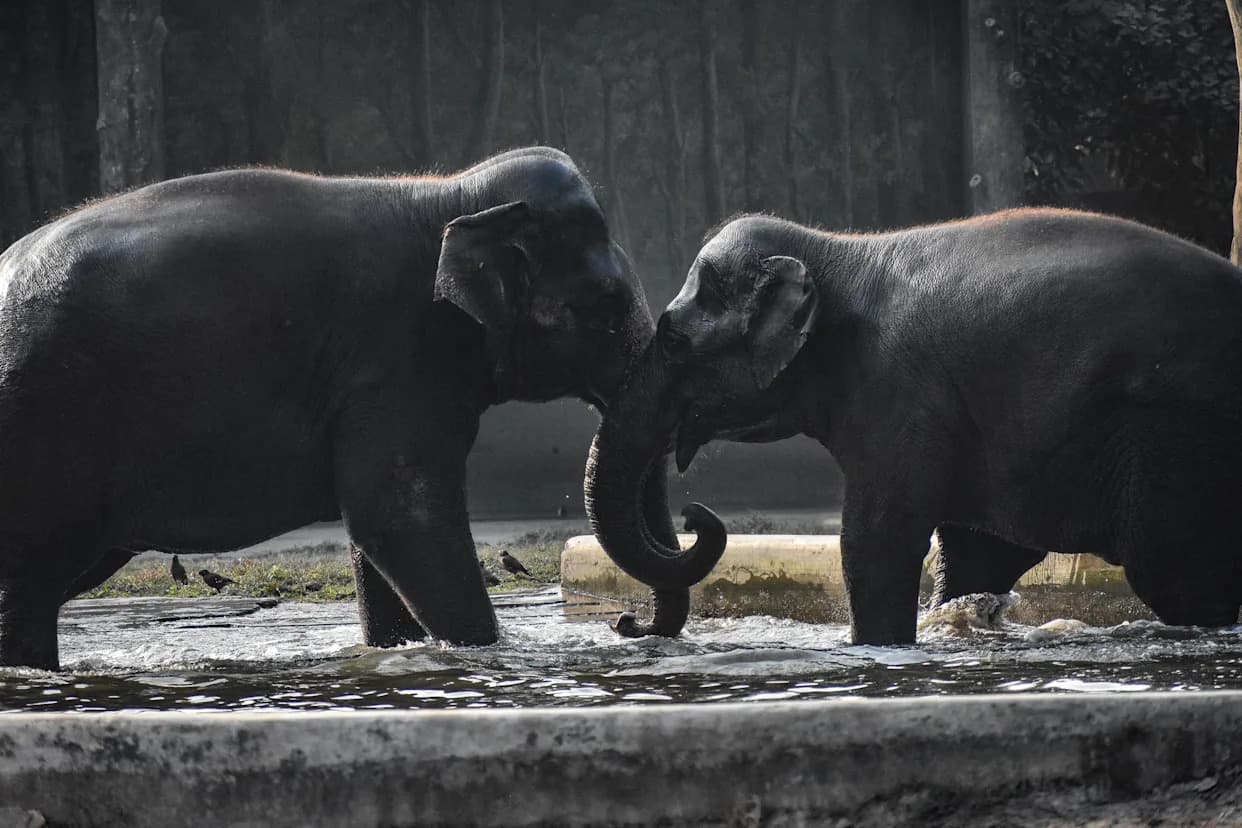
Colossal Biosciences and the United Arab Emirates are partnering to create a large-scale biovault at Dubai’s Museum of the Future to store millions of frozen cells and tissue samples representing more than 10,000 species. Announced Feb. 3, the initiative aims to begin by safeguarding the 100 most imperiled species — from snow leopards and savanna elephants to great white sharks and the northern white rhino — and to open the facility as soon as next year.
What the BioVault Will Do
More than a cold repository, the Colossal BioVault will operate as a working laboratory and public-facing exhibit where museum visitors can watch scientists sequence and study samples. The genetic sequence data will be made open-source so researchers worldwide can use it for conservation science, population management and, where appropriate, de-extinction research.
"The Colossal BioVault should be up and running almost immediately," said Matt James, Colossal’s chief animal officer. "Ten thousand species is our aspirational goal, and we will chase that by adding several hundred individuals [representing] several hundred species per year."
Scale, Sampling and Scientific Rationale
Colossal emphasizes that breadth and depth of sampling are crucial. Endangered species in the wild can suffer genetic bottlenecks when too few individuals remain, increasing the risk of congenital defects, recessive disorders and infertility. To avoid the same risk in stored collections, the plan calls for multiple samples from many individuals per species — for example, thousands of banked cells from hundreds of Asian elephants.
How It Compares to Existing Repositories
Cryogenic collections are not new: the San Diego Zoo’s Frozen Zoo, started 50 years ago, already houses samples from roughly 11,500 animals representing about 1,300 species and subspecies. Other repositories include the Cornell University Biobank, the Barcelona CryoZoo and South Africa’s SANParks Veterinary Wildlife Services Biobank. Colossal’s proposed network aims to be the largest and most ambitious, creating distributed core vaults near biodiversity hubs and regional spokes for local fauna.
Logistics, Partners and Funding
Colossal says it is collaborating with roughly 75 conservation organizations to collect wild samples and ship them to Dubai, where the material will be sequenced and the genomes archived in an open library. Physical samples will be stored in laboratory freezers at temperatures as low as -320°F (-196°C). The company has drawn major investment: founded in 2021, Colossal reached "decacorn" status by 2025 with a valuation above $10 billion and raised about $615 million in a Series C round, which included $60 million from the U.A.E. government. Officials say the dedicated biobank funding is a nine-figure sum, though the exact amount has not been disclosed.
Why This Matters
Many scientists and conservationists argue that, because humans drive much of the accelerating extinction risk through habitat loss and climate disruption, we have a responsibility to preserve genetic information where possible. Biobanks act like genetic "flash drives," conserving the molecular blueprints of species that might otherwise be lost. Colossal and the U.A.E. position the BioVault as a global back-up for biodiversity.
"What sets the Colossal BioVault apart ... is not just the scale but the breadth of species and populations we will bank," said Matt James. "It is safe to assume that for a species such as the Asian elephant we would be looking at thousands of banked cells from hundreds of individuals."
As the Dubai hub grows, Colossal envisions a network of seven to ten distributed core BioVaults, each with regional spokes to ensure local species’ genomes are stored close to their native ranges. The project raises important scientific, ethical and conservation questions — but it also represents a major investment in genetic preservation at a time when many species face mounting threats.
Help us improve.