Overview: House Speaker Mike Johnson dismissed criticism of an FBI raid tied to a Trump-promoted conspiracy and called Georgia "example A" of 2020 election "schemes." He repeated unproven claims that normal post–Election Day vote shifts "look" fraudulent while admitting he had no proof. The article outlines Johnson's role in backing the Texas lawsuit after 2020, coordinating an amicus brief, and being identified by The New York Times as a key architect of Jan. 6 Electoral objections. These actions, the piece argues, undermine public confidence in routine vote counting and election administration.
Speaker Mike Johnson Drops Pretense, Doubles Down as an Election Denier
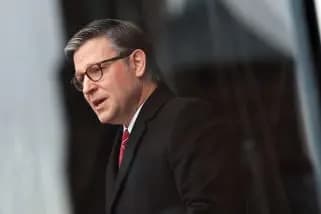
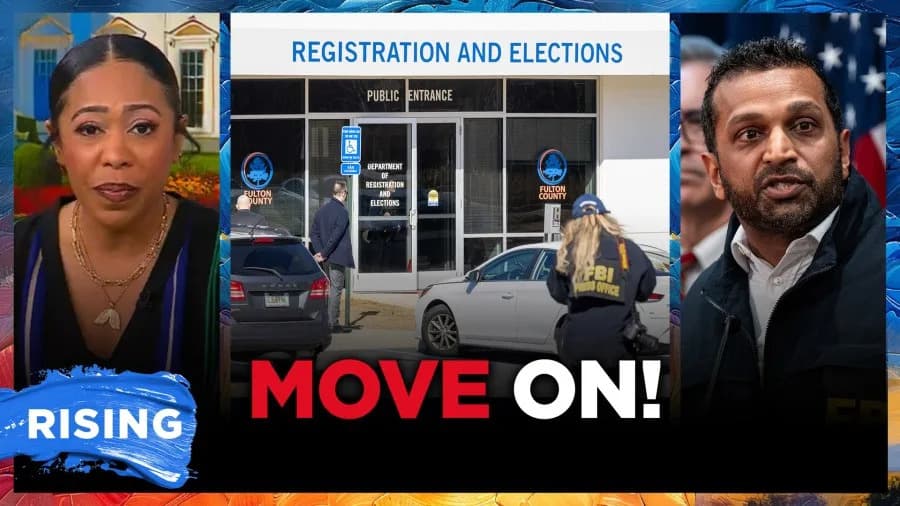
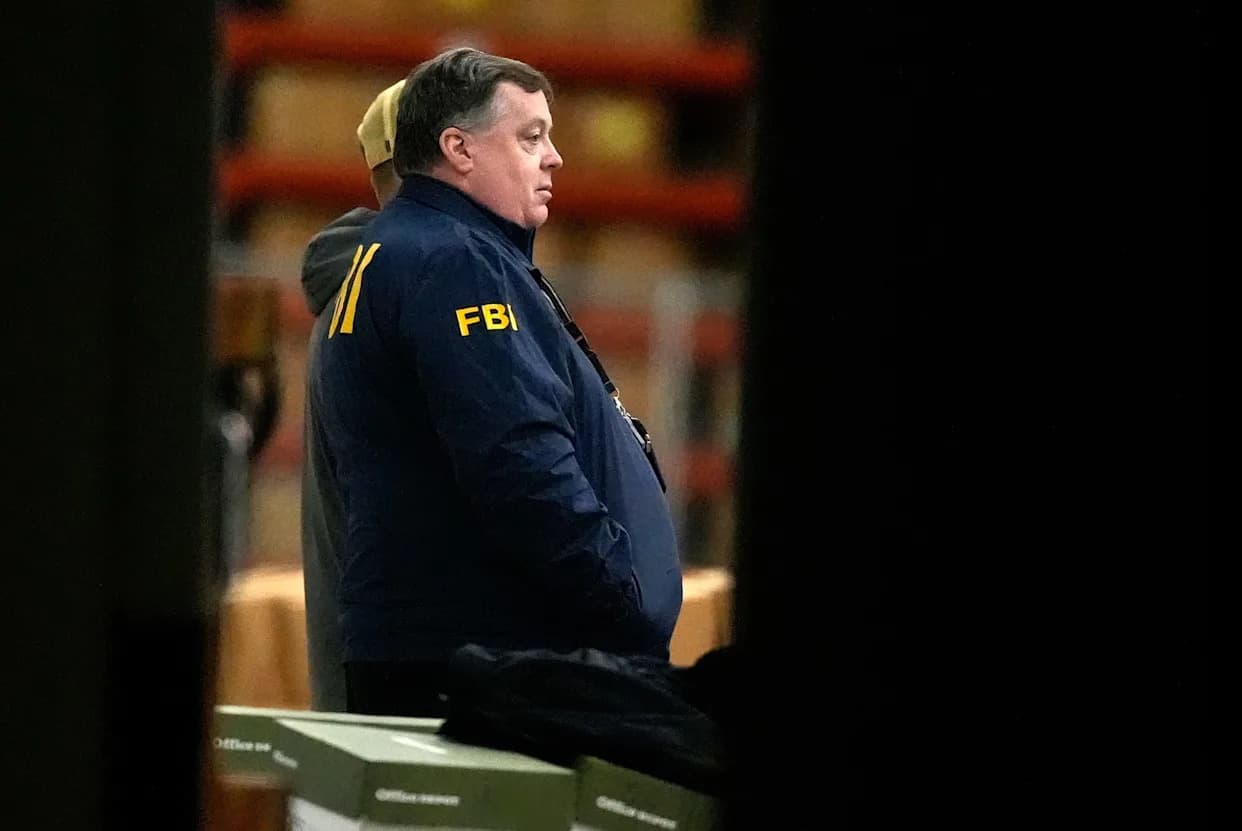
House Speaker Mike Johnson has again intensified his public embrace of election-denial rhetoric, dismissing criticisms about an FBI raid linked to a pro-Trump conspiracy theory and repeating long-debunked claims about the 2020 election.
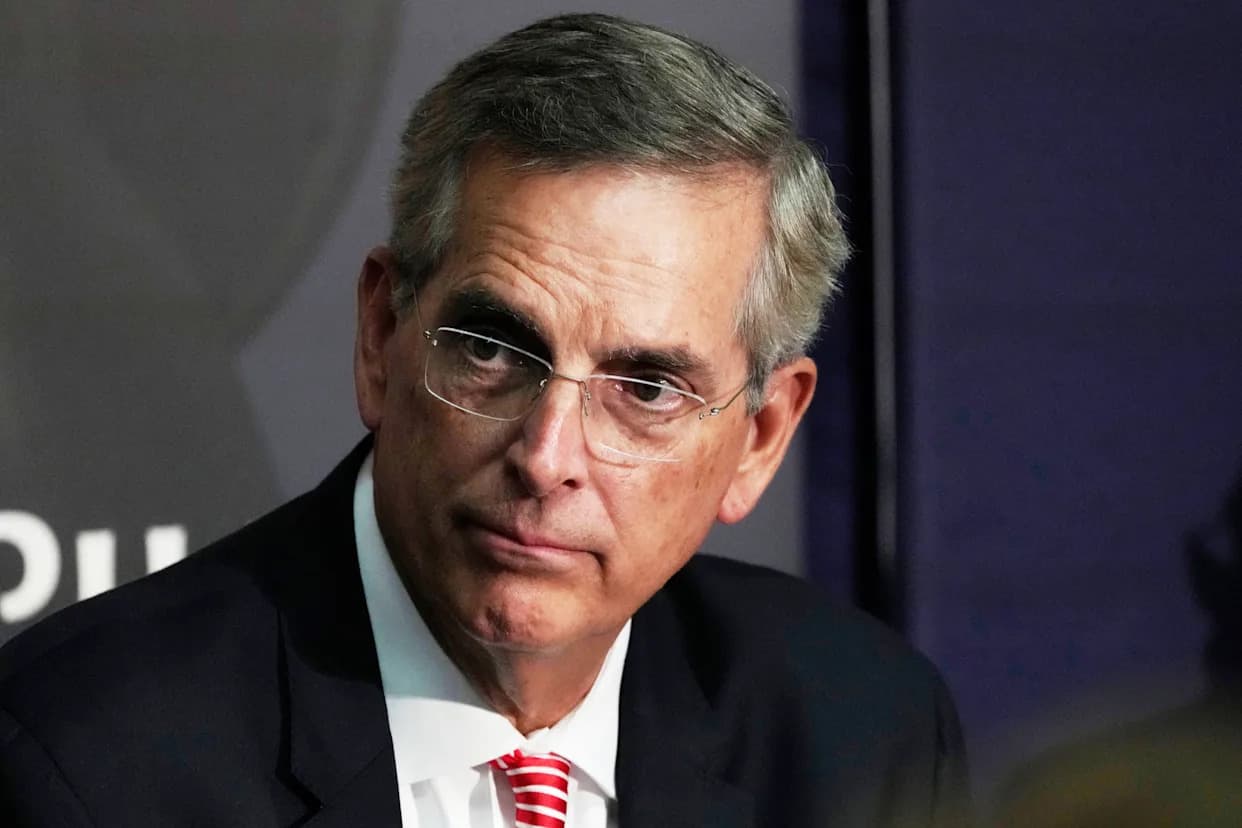
On NBC News' Meet the Press, host Kristen Welker raised concerns voiced by Democratic Sen. Jon Ossoff about the FBI search of a Georgia elections office tied to a theory promoted by former President Donald Trump. When asked to respond, Johnson called the senator's concerns "comical." He described Georgia as "example A" of alleged 2020 election "schemes."
Welker reminded Johnson that Georgia conducted statewide recounts that confirmed President Biden's victory and that no credible evidence has shown systemic fraud in the state's 2020 results. Johnson replied, "That's your opinion." But the dispute is rooted not in opinion but in documented audits, recounts and court findings.
Two days later, when asked about Mr. Trump's push for federal control over election administration, Johnson again floated conspiratorial concerns about "some of the blue states." He described a pattern in which three House Republican candidates led on Election Day, only to lose their leads as additional batches of ballots were counted. "It looks, on its face, to be fraudulent. Can I prove that? No," he said — a formulation that acknowledges the absence of supporting evidence while still implying wrongdoing.
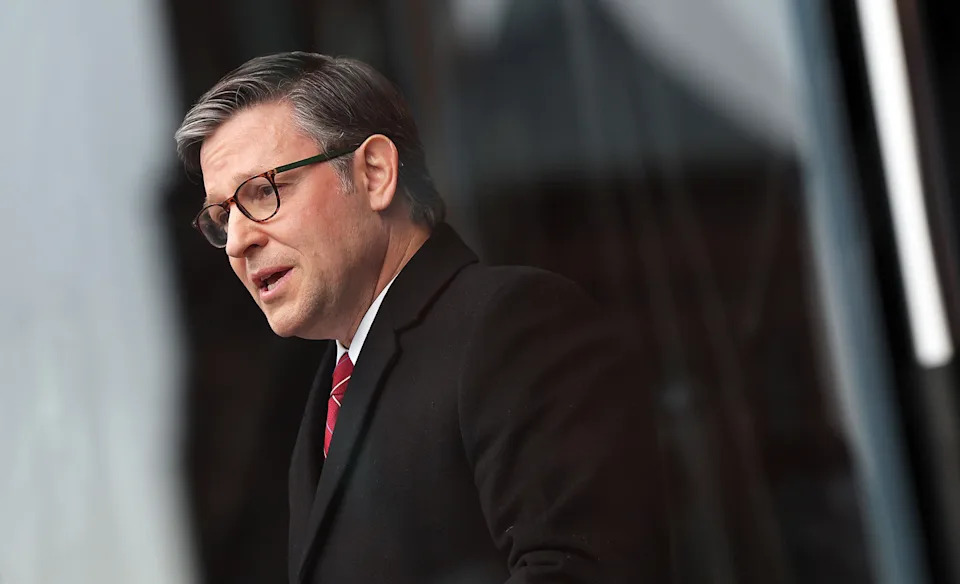
Speaker of the House Mike Johnson during the annual March for Life rally on Jan. 23, 2026 on the National Mall in Washington, D.C.(Kevin Dietsch / Getty Images)
Record Of Promoting Unproven Claims
Johnson's remarks fit a broader pattern. At a 2024 press conference, for instance, he asserted, "We all know, intuitively, that a lot of illegals are voting in federal elections," a claim lacking substantiation. He has repeated other discredited assertions, including a false theory linking Venezuela's Hugo Chávez to voting-machine company Dominion.
After the 2020 election, Texas Attorney General Ken Paxton filed a high-profile lawsuit attempting to invalidate results in several states. Johnson not only endorsed that effort but also led the push to assemble an amicus brief signed by GOP House members. Reporting in The New York Times said a lawyer for House Republican leadership warned Johnson that his legal arguments were unconstitutional; Johnson moved forward regardless. The Times described him as "the most important architect of the Electoral College objections" on Jan. 6, 2021.
In December 2020, Johnson emailed fellow Republicans with the subject line "Time-sensitive request from President Trump," telling members that the president had asked them to join the Texas brief.
Johnson later voted with other Republicans to object to the certified 2020 Electoral College results. These episodes — the emails, the briefing coordination, the public claims on radio and television — portray Johnson not just as a partisan defender of Trump-era theories but as an active organizer of efforts to overturn the 2020 outcome.
Why This Matters
Routine, post–Election Day shifts in vote totals are normal as absentee, provisional and late-arriving ballots are counted. Presenting these ordinary processes as evidence of fraud, particularly when the speaker admits he cannot prove wrongdoing, risks deepening public cynicism about democratic institutions.
Whether or not one agrees with Johnson politically, his statements and past actions are a timely reminder that senior officials can either bolster or erode faith in election administration. In this case, Johnson's rhetoric and organizing history have aligned him publicly with election-denial efforts.
Help us improve.