U.N. Secretary-General Antonio Guterres warned the United Nations faces an 'imminent financial collapse' as unpaid member contributions and an accounting rule forcing refunds of unspent funds squeeze liquidity. U.N. officials say the U.S. accounts for the bulk of arrears — roughly $2.19 billion by early February plus billions for peacekeeping — and the organization could run out of cash by July. Guterres has launched UN80 reforms and urged member states to pay, while the U.S. administration has criticized U.N. spending and not committed to settling arrears.
U.N. Warns Of 'Imminent Financial Collapse' As Unpaid Dues Mount — Could Run Out Of Cash By July
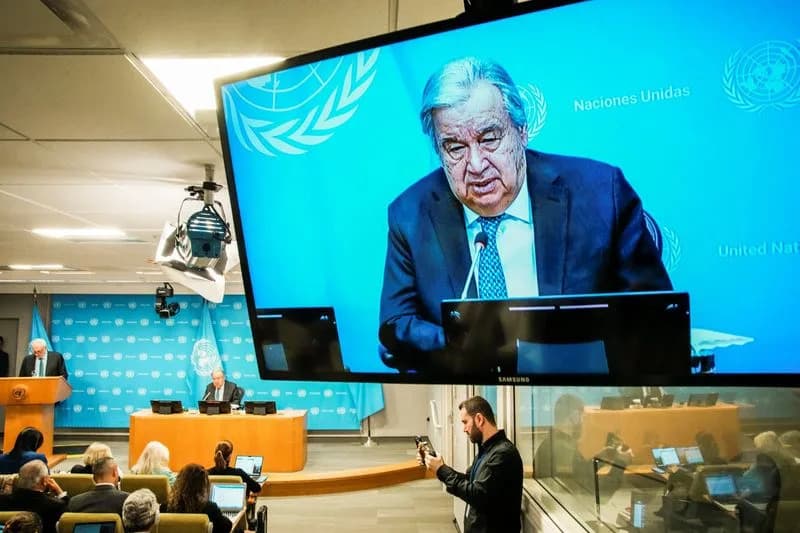
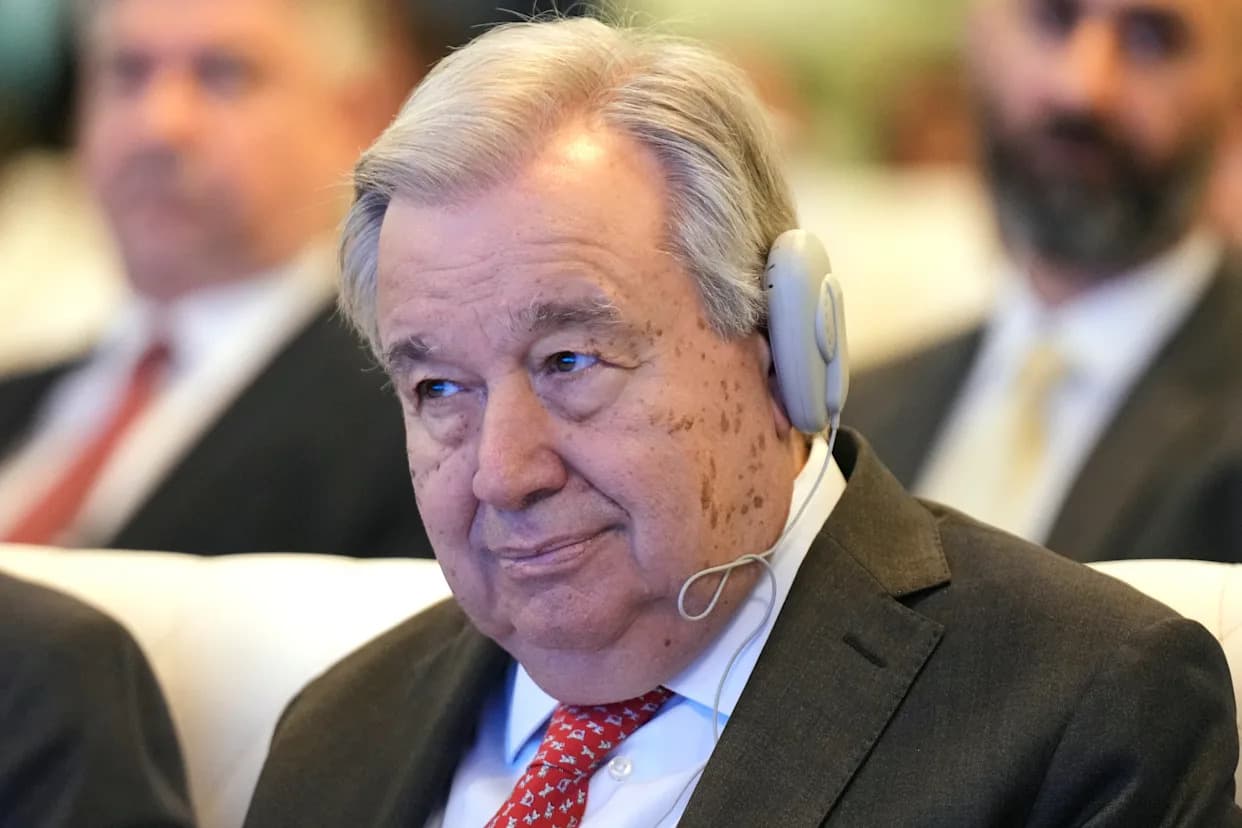
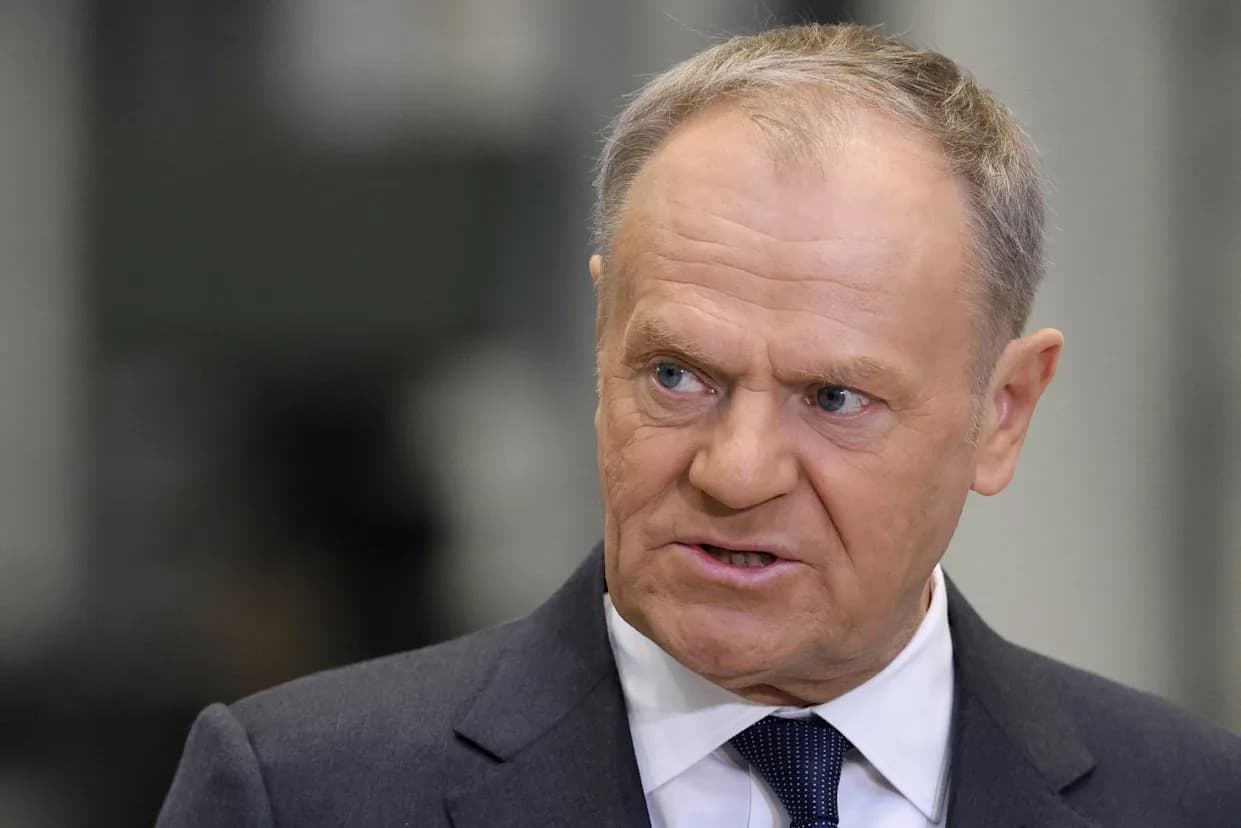
United Nations Secretary-General Antonio Guterres is seen on a screen as he speaks during a press conference outlining his priorities for 2026 at U.N. headquarters in New York City, U.S., January 29, 2026. REUTERS/Eduardo Munoz
U.N. Secretary-General Antonio Guterres has issued one of his sternest warnings yet: the United Nations risks an "imminent financial collapse" as unpaid member contributions pile up and a budgeting rule that forces the U.N. to return unspent funds is tightening a liquidity squeeze. Guterres says the organization could exhaust its cash reserves by July unless member states meet their obligations or accounting rules are changed.
How Much Is Owed — And By Whom?
In a letter to member states, Guterres reported a record $1.57 billion in outstanding dues to the U.N.'s regular budget. U.N. officials, using updated internal accounting, estimate that the United States accounts for the vast majority of regular-budget arrears — roughly $2.19 billion by early February — and additionally owes about $2.4 billion for current and past peacekeeping missions plus $43.6 million for U.N. tribunals. These figures reflect different accounting snapshots and separate budget lines.
What Budgets Are Affected?
The regular U.N. budget — approved by the General Assembly at $3.45 billion for 2026 — covers core functions: headquarters operations, staff salaries, meetings, and development and human-rights work. Contributions are assessed by capacity to pay: the United States is assessed at 22% of the regular budget and China at 20%. Fees for 2026 were officially due by Feb. 8; a U.N. document showed 41 member states had paid by the reporting date.
Why Is The U.N. So Vulnerable?
Two structural problems compound the shortfall: large arrears by major contributors and a budgeting rule that requires the U.N. to credit back unspent dues to member states even when the money was never paid. Guterres called that rule "Kafkaesque," warning it creates a "race to bankruptcy" as the organization must both operate and account for funds it never received.
'A race to bankruptcy,' Guterres wrote, urging urgent action to address the accounting rule and unpaid contributions.
What Is Guterres Asking Member States To Do?
U.N. officials have urged member states to pay assessed contributions promptly. Spokesperson Stephane Dujarric said the cash-flow problem could be solved "if member states, who have an obligation to pay, pay." At the same time, Guterres has launched UN80, a reform task force aimed at trimming costs and improving efficiency across the organization.
What Has The U.S. Said?
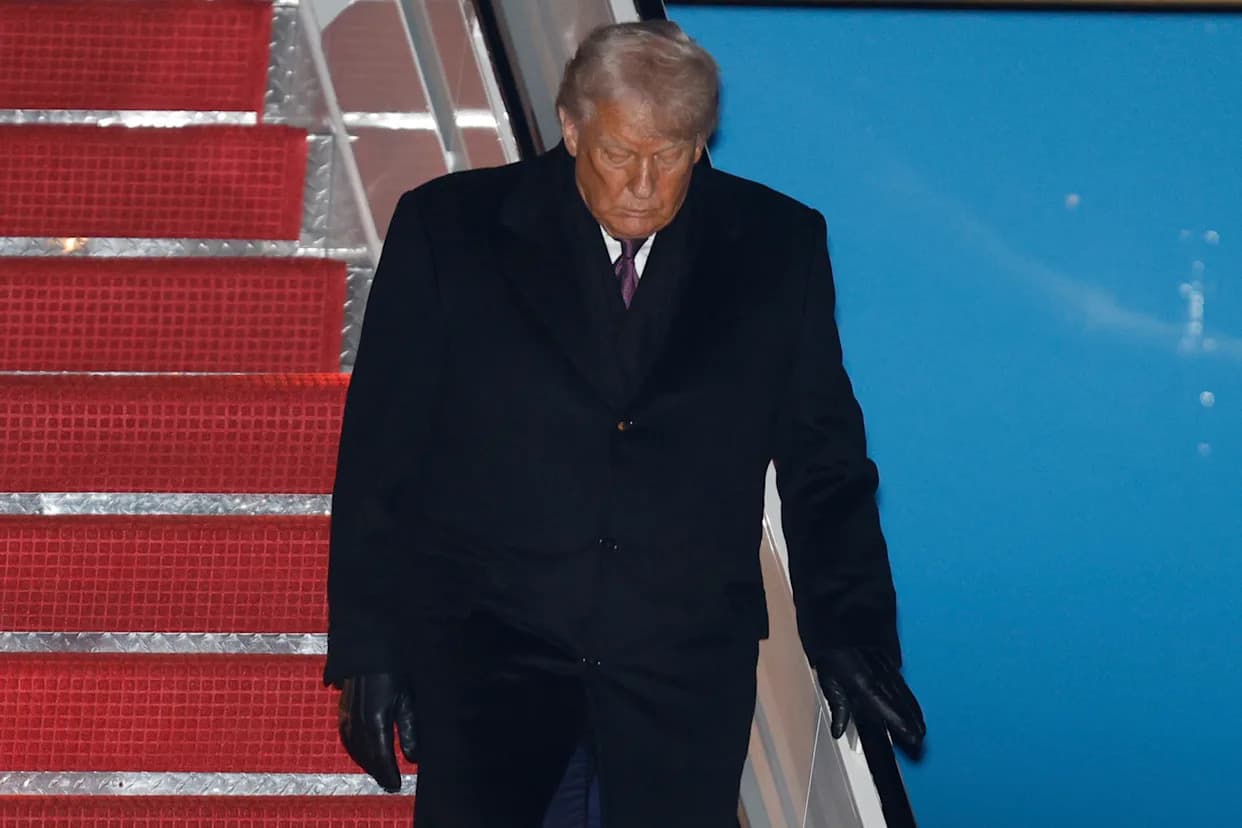
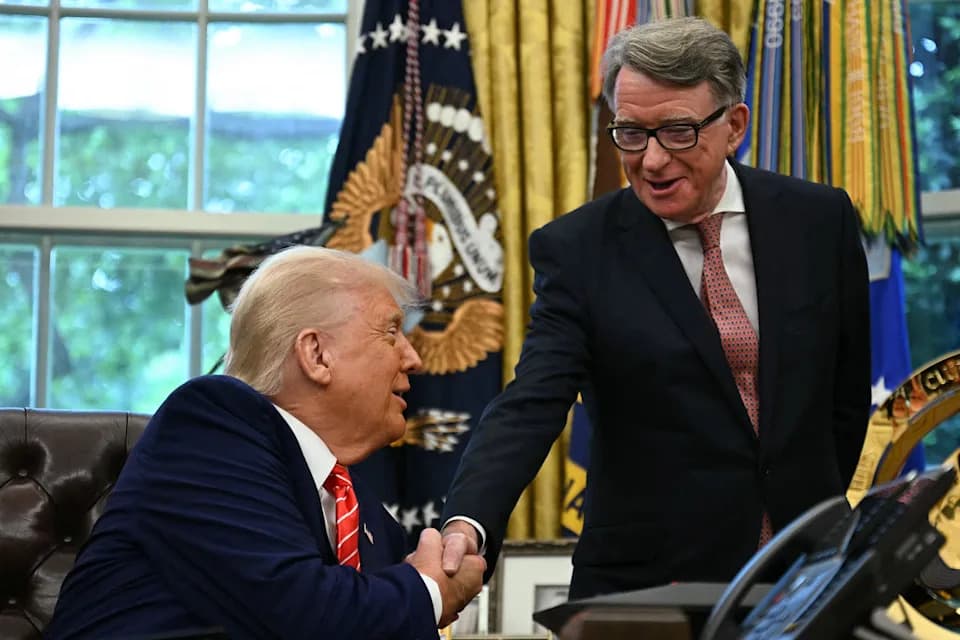
The U.S., the largest assessed contributor, has both withheld mandatory payments and cut voluntary funding under the current administration. President Donald Trump told Politico he could "solve the problem very easily" but did not commit to settling arrears. A senior State Department official criticized U.N. spending, citing staff pay, benefits and an increase in senior bureaucrats in New York, and highlighted $340 million spent on meetings and conferences last year.
A draft U.N. budget review cited by Reuters showed proposed savings that would cut proportionally fewer senior posts than lower-ranking positions, a point opponents say undermines claims of deep administrative trimming.
What Happens If Payments Don't Come?
U.N. officials stress the institution cannot borrow or print money. Without timely contributions, they warn, essential functions — organizing meetings, paying staff, and delivering programs — would be disrupted. Guterres and U.N. officials say both member-state payments and procedural reforms will be needed to avert a cash crisis.
What To Watch Next: whether major arrears are settled, whether the General Assembly agrees reforms to the refund rule, and how cost-savings under UN80 are implemented.
Help us improve.