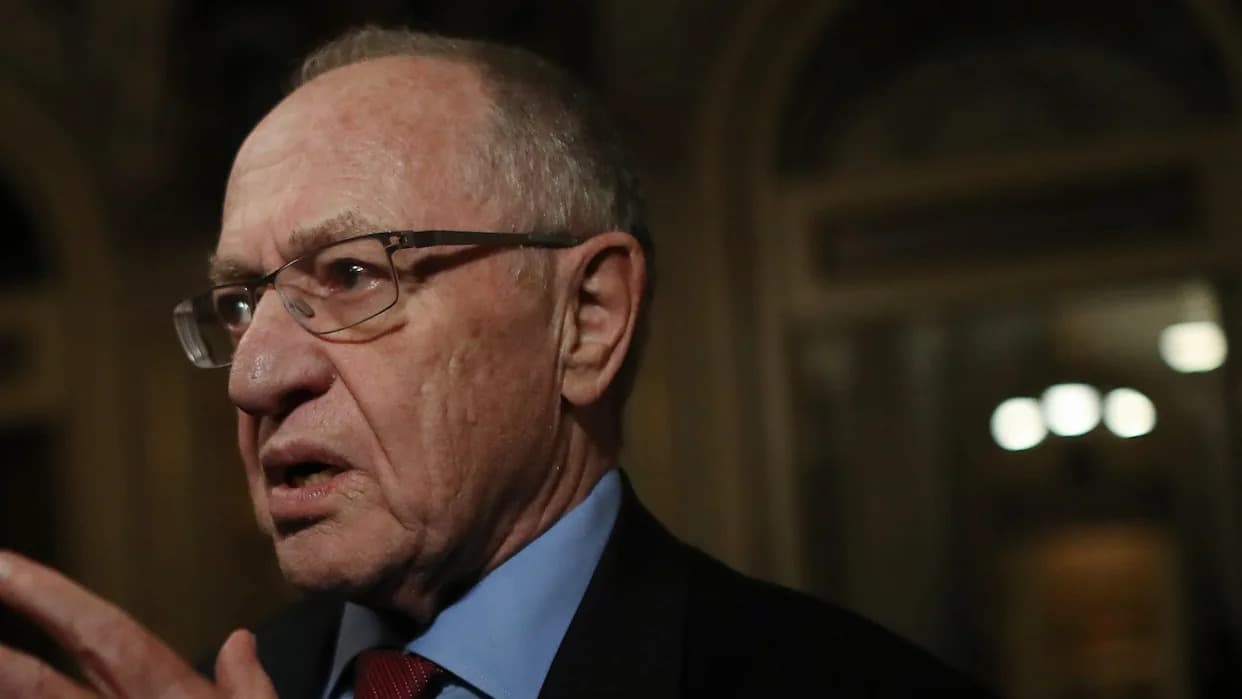
Dr. Remy Coeytaux, a California physician, is the first provider sued under Texas’ new law allowing private citizens to sue those who mail abortion pills into the state. Plaintiff Jerry Rodriguez alleges Coeytaux sent medication twice related to pregnancies involving Rodriguez’s girlfriend and seeks at least $100,000 plus an injunction. The amended suit invokes House Bill 7 and follows a separate extradition effort by Louisiana that California’s governor pledged to block. Rights groups representing Coeytaux criticized the lawsuit as part of an intensifying interstate legal battle over reproductive rights.
California Doctor First Sued Under Texas Law Over Mailed Abortion Pills — Plaintiff Seeks $100,000
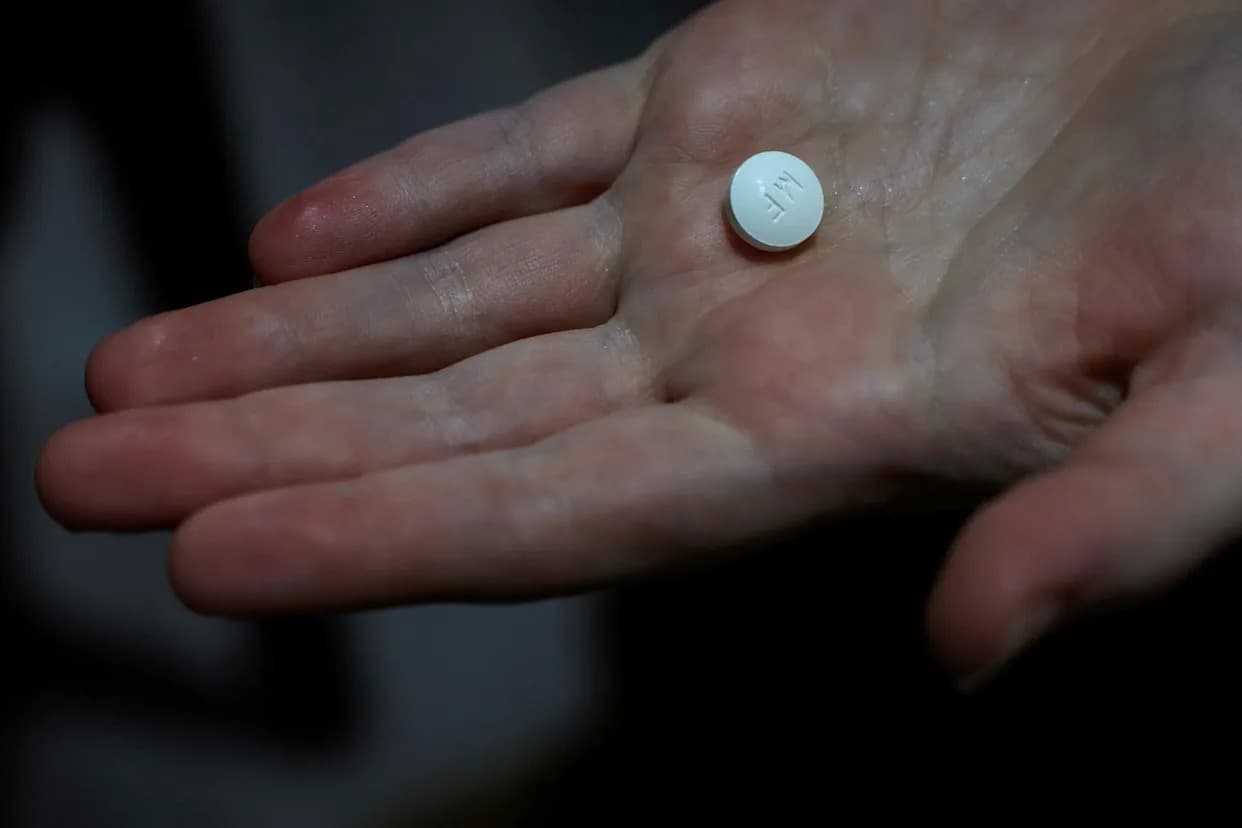
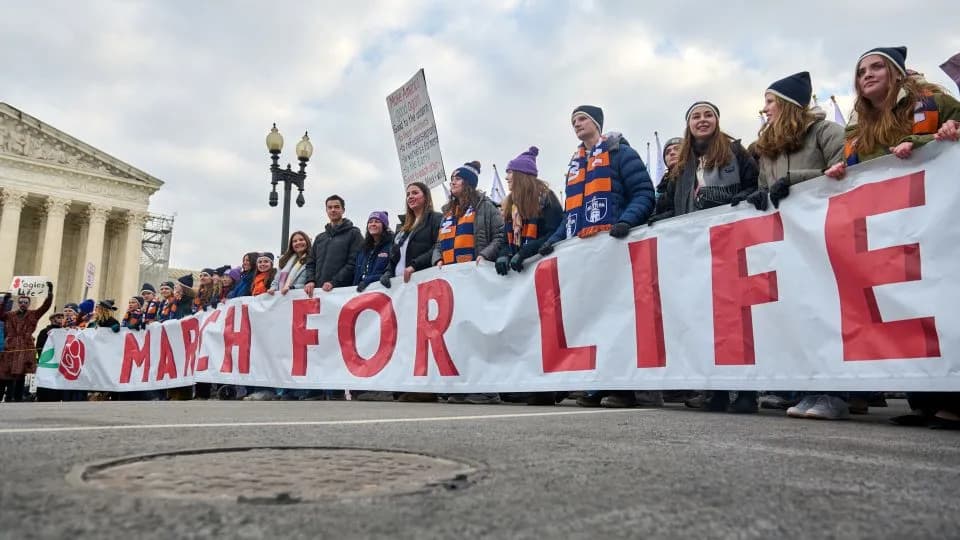
Texas and Louisiana enforce some of the nation’s most restrictive abortion policies.Photograph: Evelyn Hockstein/Reuters(Photograph: Evelyn Hockstein/Reuters)
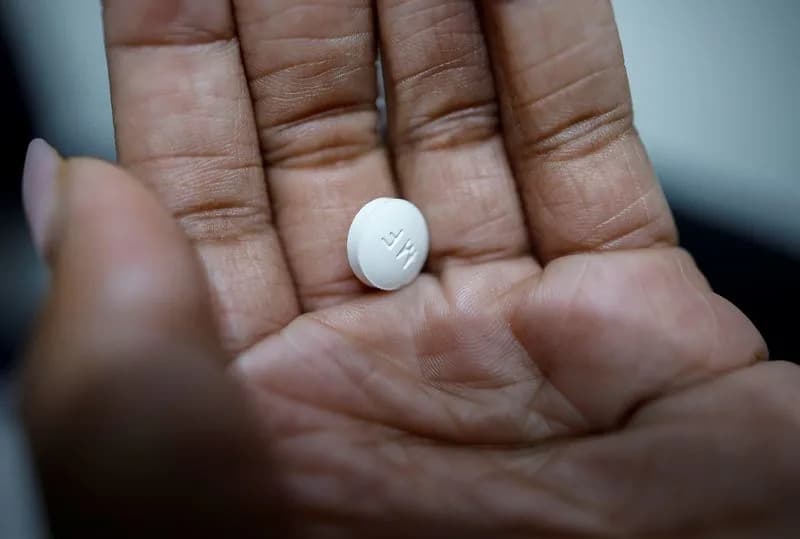
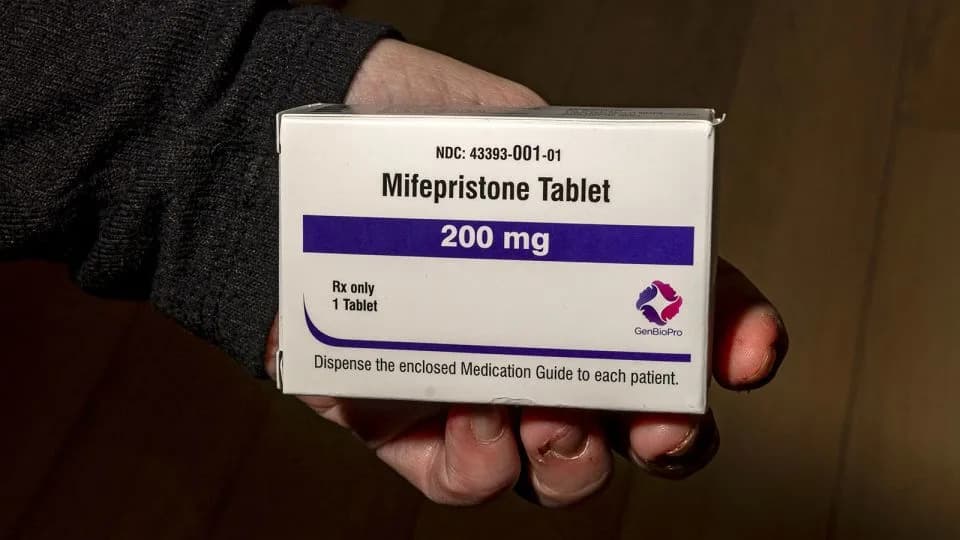
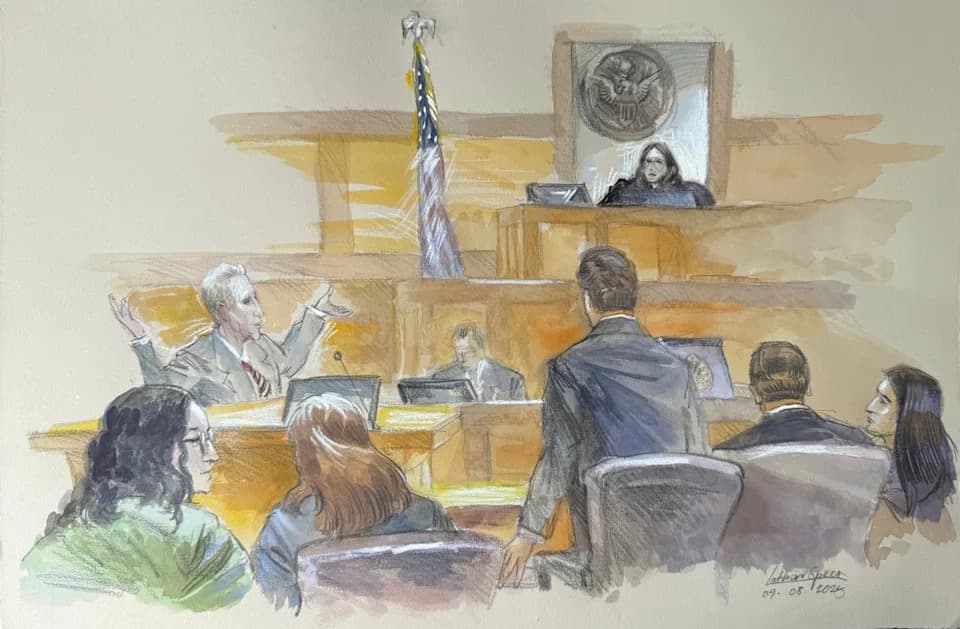
A California physician, Dr. Remy Coeytaux, has become the first medical provider named in a civil lawsuit under Texas’ recently enacted law that allows private citizens to sue anyone who mails abortion medication into the state.
What the Lawsuit Alleges
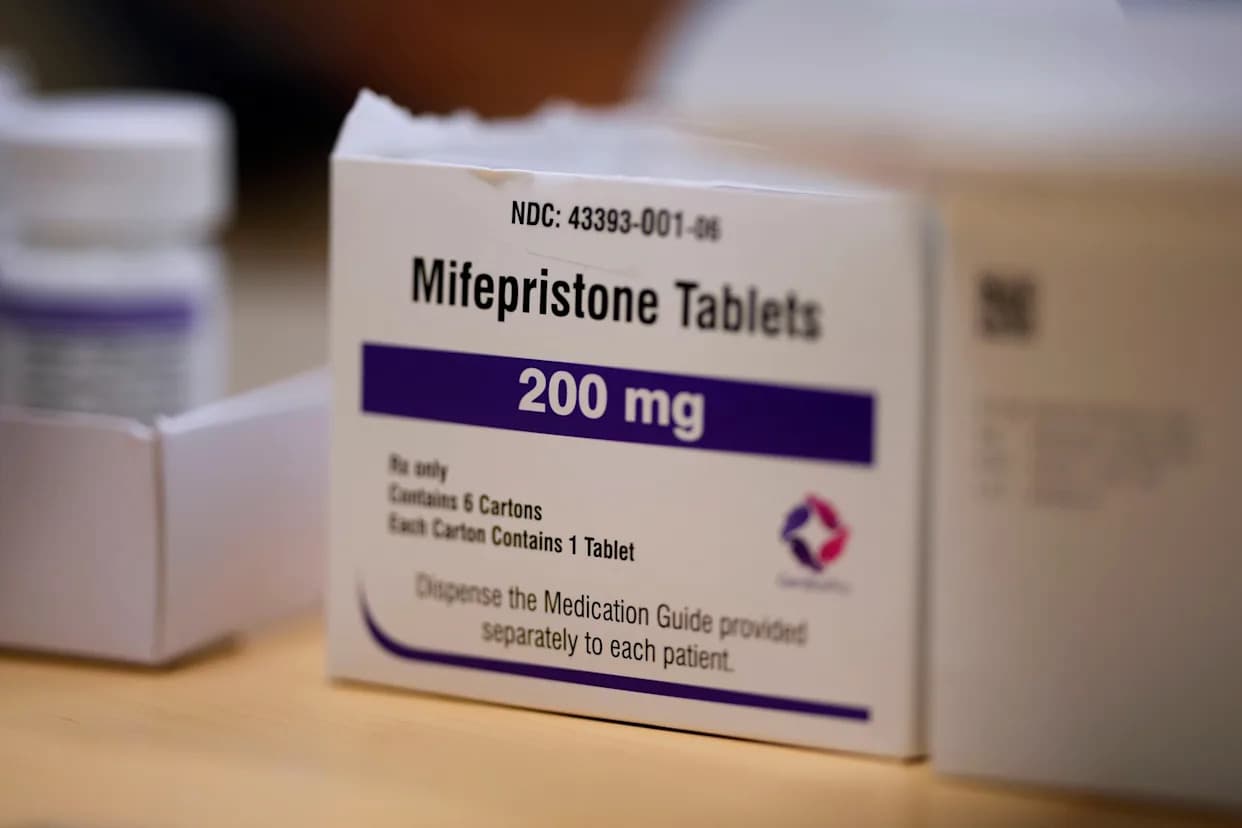
Plaintiff Jerry Rodriguez alleges that Coeytaux sent abortion pills on two occasions — once in 2024 and again in early 2025 — in connection with pregnancies involving Rodriguez’s girlfriend. The filing claims the woman used medication ordered by her estranged husband to end those pregnancies. Rodriguez is pursuing a wrongful-death claim and is seeking at least $100,000 in damages and an injunction to bar the doctor from prescribing or providing abortion-inducing drugs to people located in Texas.
Legal Context
The amended complaint cites House Bill 7 (the Woman and Child Protection Act), which took effect in December and authorizes private civil suits against anyone who "manufactures, distributes, mails, transports, delivers, prescribes, or provides" abortion medication to people in Texas. The statute allows plaintiffs to seek damages for deliveries made after the law’s effective date and to request injunctions against providers who plan to continue sending such medication into the state.
Interstate Tension
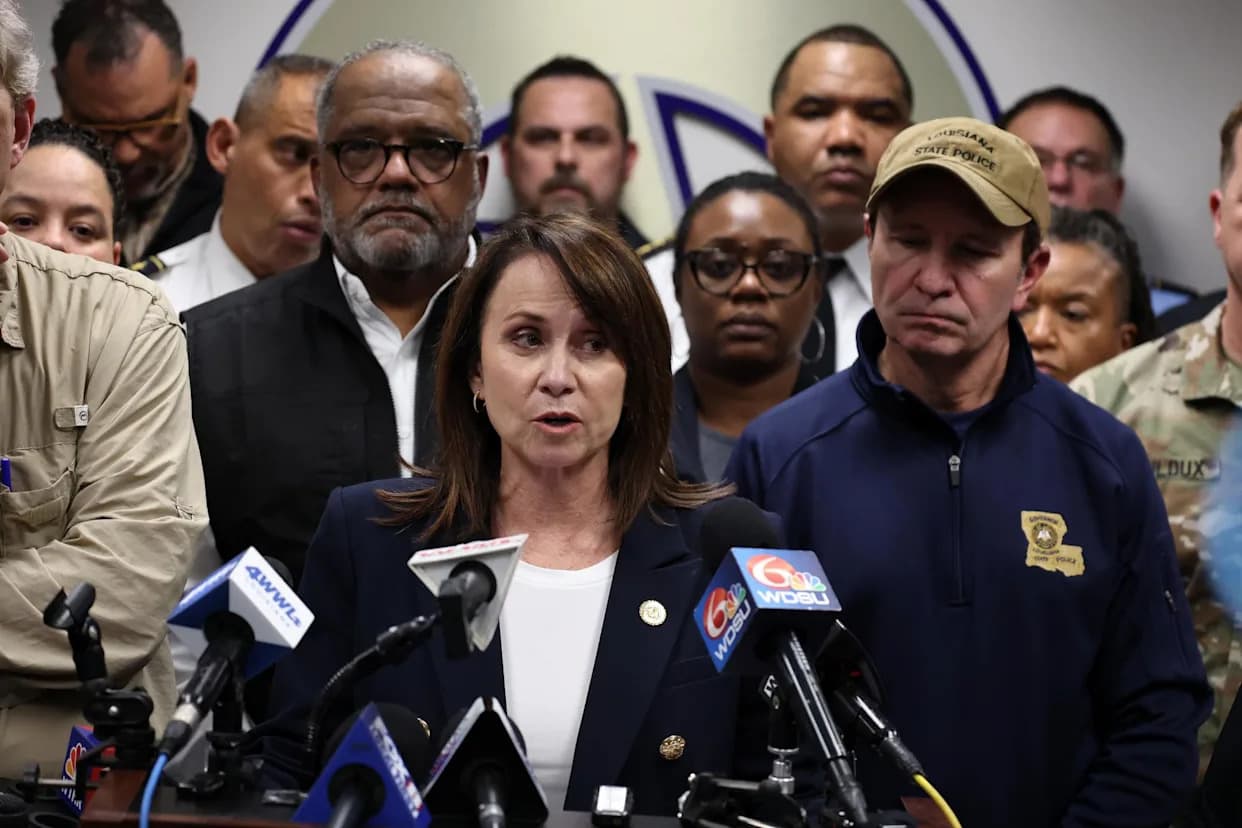
The civil action follows a separate extradition attempt by Louisiana authorities last month, who accused Coeytaux of unlawfully sending pills into that state. California Governor Gavin Newsom said he would refuse to honor any extradition request in the case. California and several other Democratic-led states have passed so-called "shield laws" designed to protect providers from out-of-state prosecution or extradition after the U.S. Supreme Court’s 2022 decision overturning Roe v. Wade.
Who's Involved
Rodriguez amended his initial July suit on Sunday to expressly invoke House Bill 7 and is represented by attorney Jonathan Mitchell, who was a key architect of Texas’ abortion ban. Coeytaux is represented by the Center for Reproductive Rights, which denounced the lawsuit as a calculated effort to restrict reproductive autonomy.
"This law goes against everything Texans value. It’s anti-freedom, anti-privacy and anti-family," said Marc Hearron, associate litigation director at the Center for Reproductive Rights, adding that lawmakers are trying to "scare doctors and patients from prescribing and accessing abortion pills — exactly because they are so safe, effective and widely used across the United States."
Broader Significance
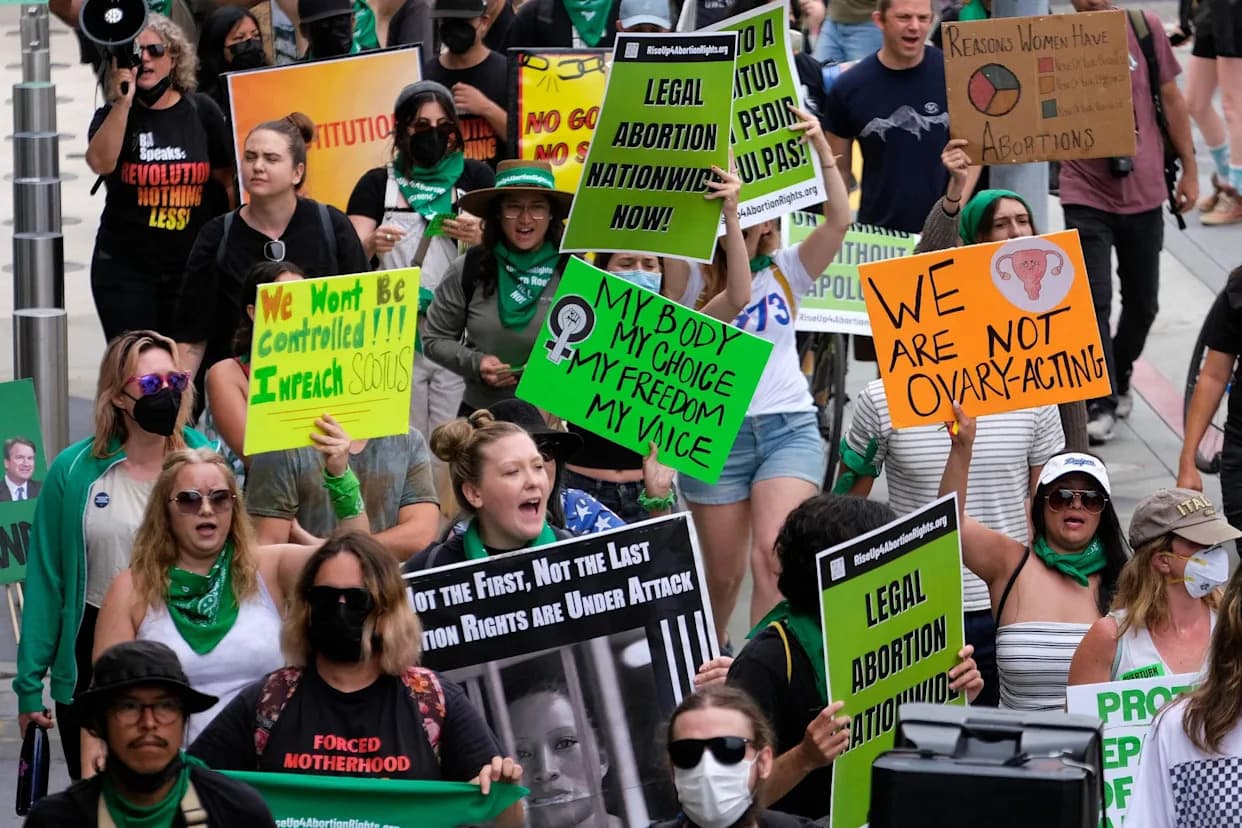
Legal experts say the case highlights the escalating conflict between Republican-led and Democratic-led states over reproductive rights. Since Roe v. Wade was overturned, demand for medication abortion has increased substantially, particularly in states with strict restrictions where in-person services are limited or unavailable. The lawsuit could test the reach of Texas’ private-enforcement model and raise constitutional and jurisdictional questions about cross-state regulation of medical services.
Note: The allegations in the complaint are claims that have yet to be proven in court.
Help us improve.