NASA will launch the Nancy Grace Roman Space Telescope in May 2027 (possibly as early as fall 2026). Its 288‑megapixel Wide Field Instrument will image patches of sky larger than a full Moon, enabling fast, large‑area surveys. Roman's five‑year primary mission focuses on microlensing searches that can reveal exoplanets, while working with JWST — Roman surveys broadly and Webb performs high‑resolution follow‑ups.
NASA To Launch Nancy Grace Roman Space Telescope With 'Mind‑Boggling' 288MP Camera — Wide‑Field Surveys Begin May 2027 (Possibly Fall 2026)
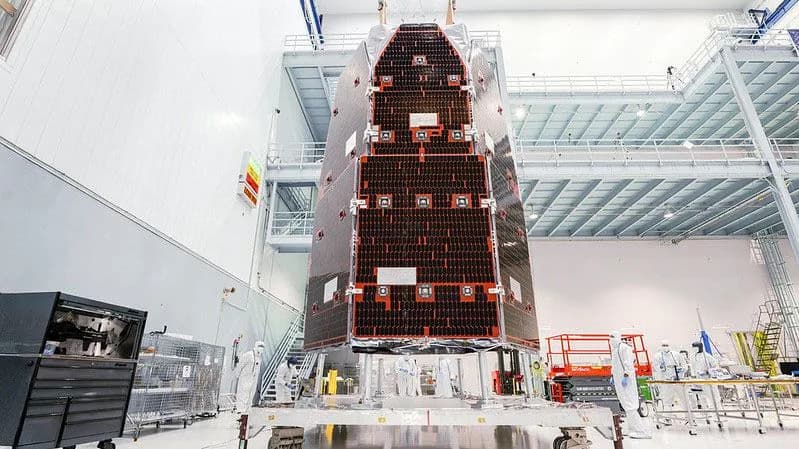
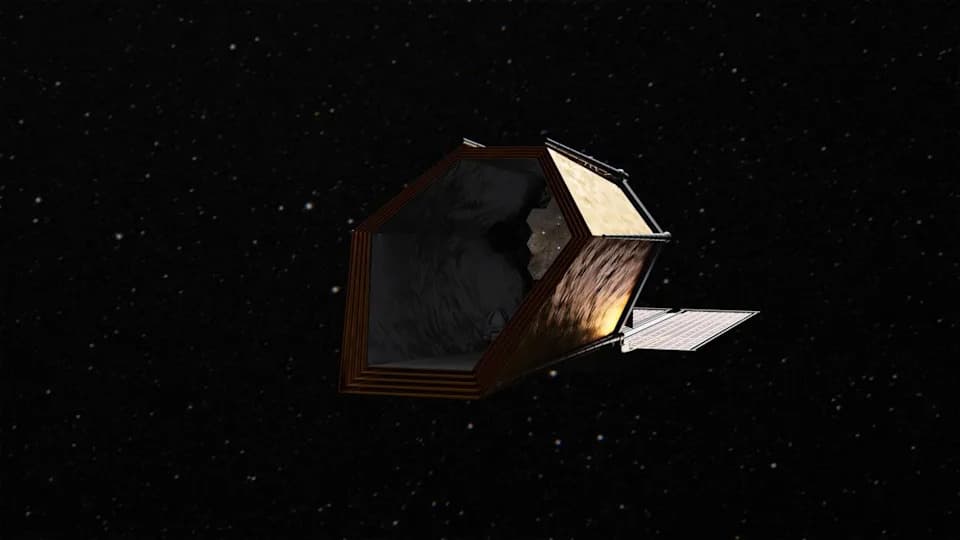
Credit: “Roman Space Telescope” by NASA's Nancy Grace Roman Space Telescope
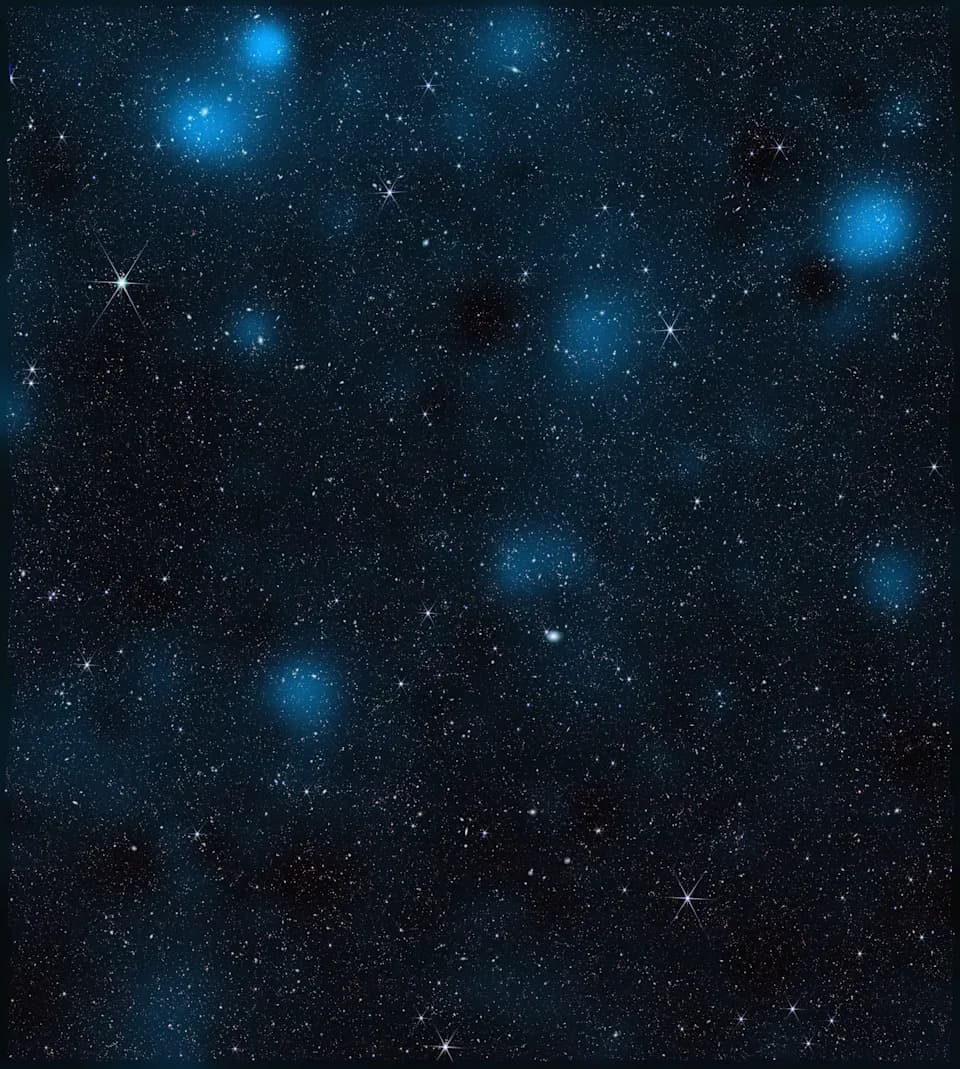
NASA is preparing to launch the Nancy Grace Roman Space Telescope, a new flagship observatory designed to survey large swaths of the sky with unprecedented breadth. The mission, officially scheduled for May 2027 but possibly able to launch as early as fall 2026, aims to expand our understanding of galaxy evolution, dark matter, exoplanets and more.
Wide Field Instrument: Roman's power comes largely from the Wide Field Instrument, a 288‑megapixel camera designed to capture images that span sky areas larger than the apparent diameter of a full Moon. That wide field of view will let Roman rapidly image huge regions of the sky while preserving the sensitivity needed for scientific discovery.
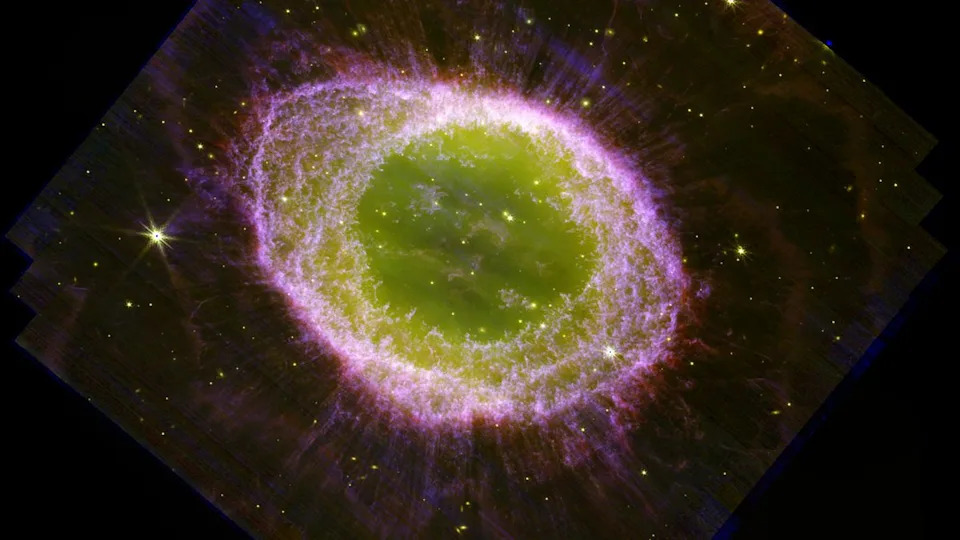
An awe-inspiring ring Nebula captured by James Webb Telescope | Credit: NASA/ESA/CSA/Institute for Earth and Space Exploration/JWST Ring Nebula Imaging Project
How Roman Complements the James Webb Space Telescope
NASA says Roman and the James Webb Space Telescope (JWST) will work together in complementary ways to trace the evolution of the universe. Roman's strength is fast, large‑area surveys that identify targets and statistical trends across vast volumes of space. JWST will follow up on selected targets with higher‑resolution, deeper infrared observations to study physical details of individual objects.
Surveying, Then Zooming In
In practice, Roman will locate and characterize populations — for example, millions of galaxies or thousands of transient events — while Webb will perform focused, detailed spectroscopy and imaging of especially interesting objects found in those surveys.
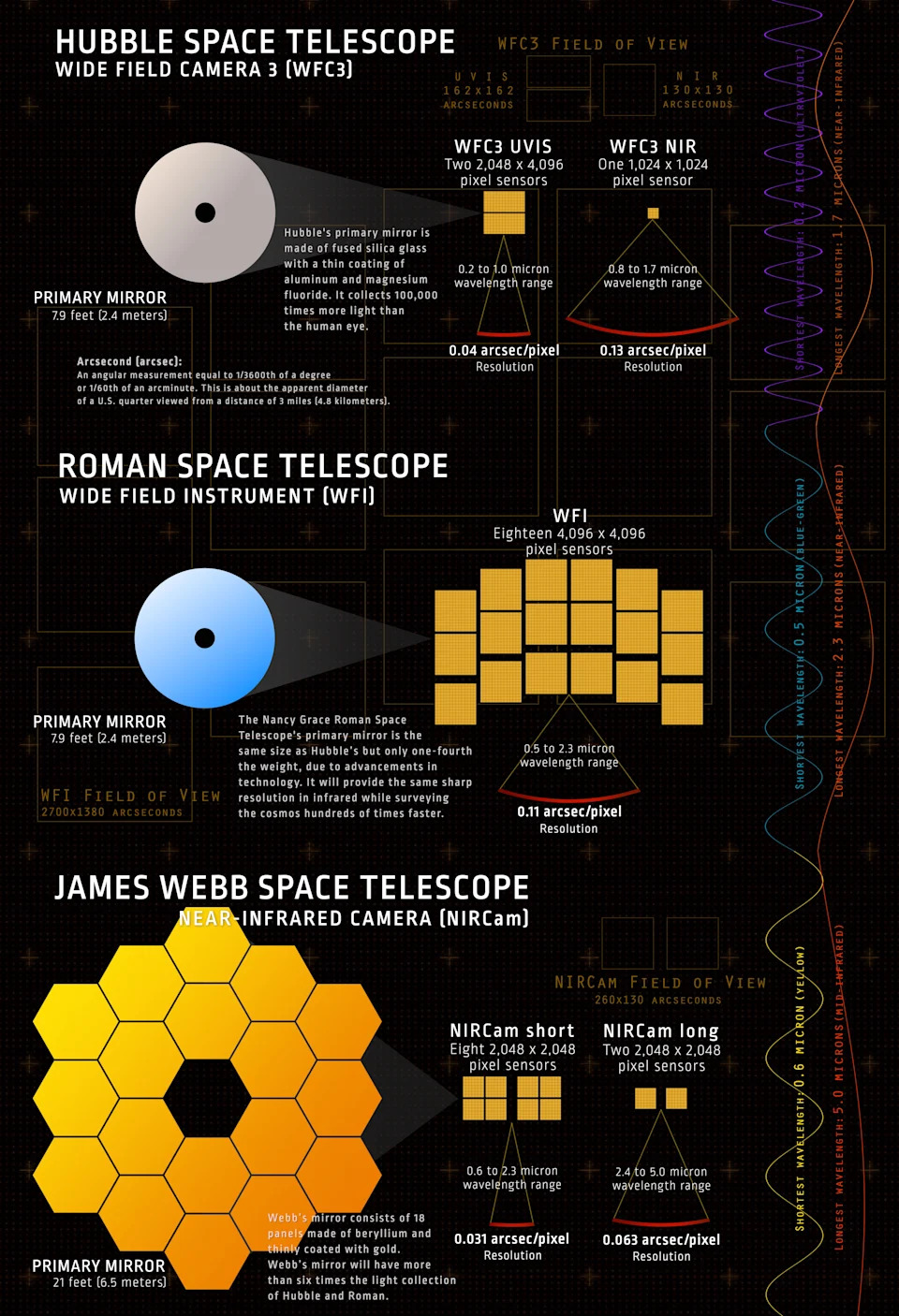
Infographic comparing the cameras of the Roman Space Telescope with the Hubble and James Webb Space Telescopes | Credit: NASA
Mission Goals and Microlensing
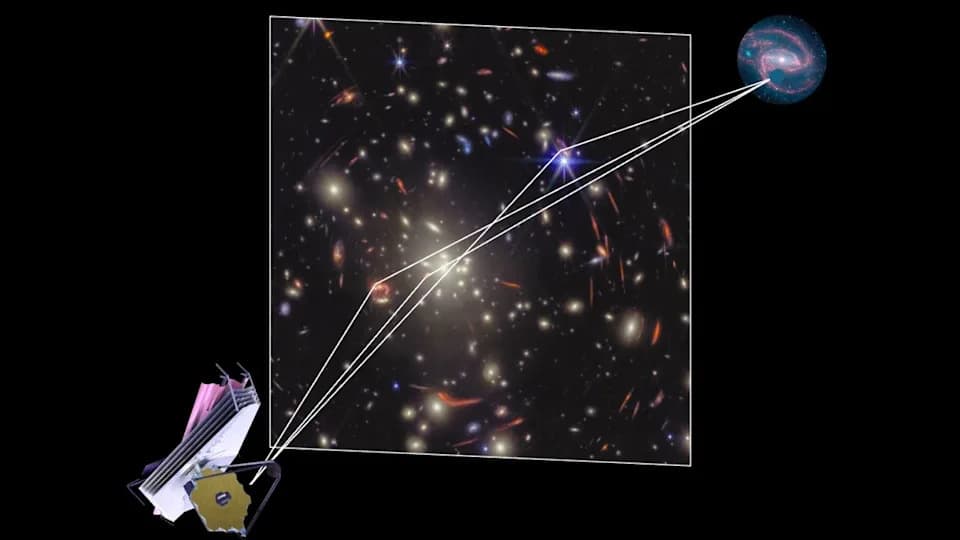
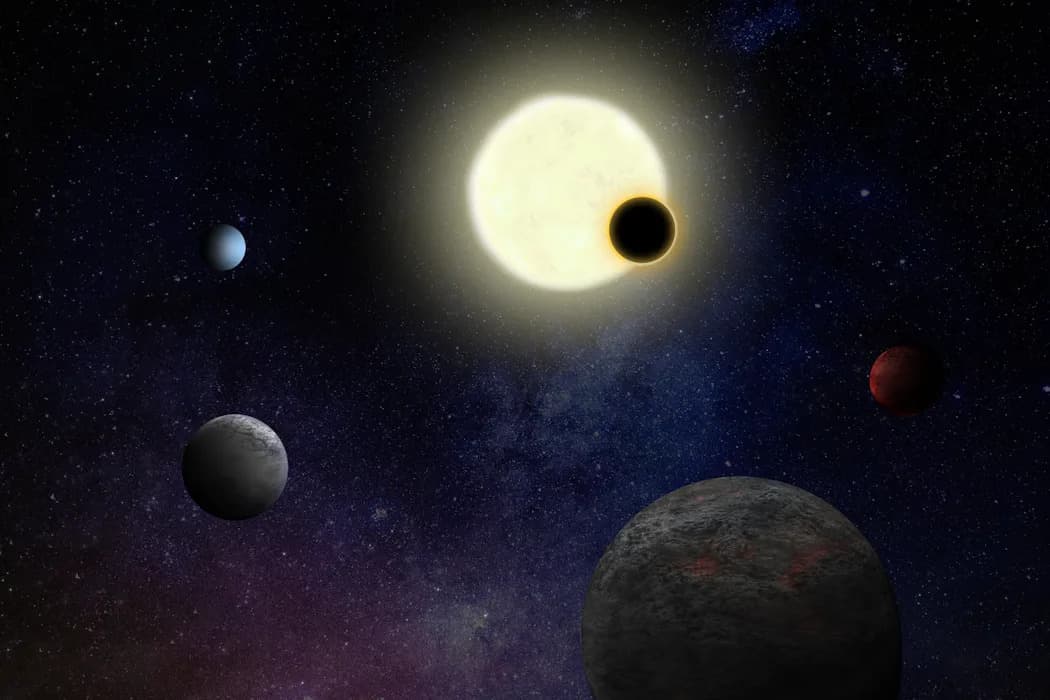
The Roman mission is planned for a primary duration of five years. One of its key science objectives is to detect gravitational microlensing events: brief brightening of background stars when a foreground object's gravity bends light. These events can reveal distant planets, including those in or near the habitable zones of their host stars, and help build a statistical census of exoplanets across a wide range of masses and orbital distances.
Beyond exoplanet microlensing, Roman is expected to deliver large, high‑quality datasets that will help map dark matter, chart galaxy formation across cosmic time, and uncover rare transient phenomena.
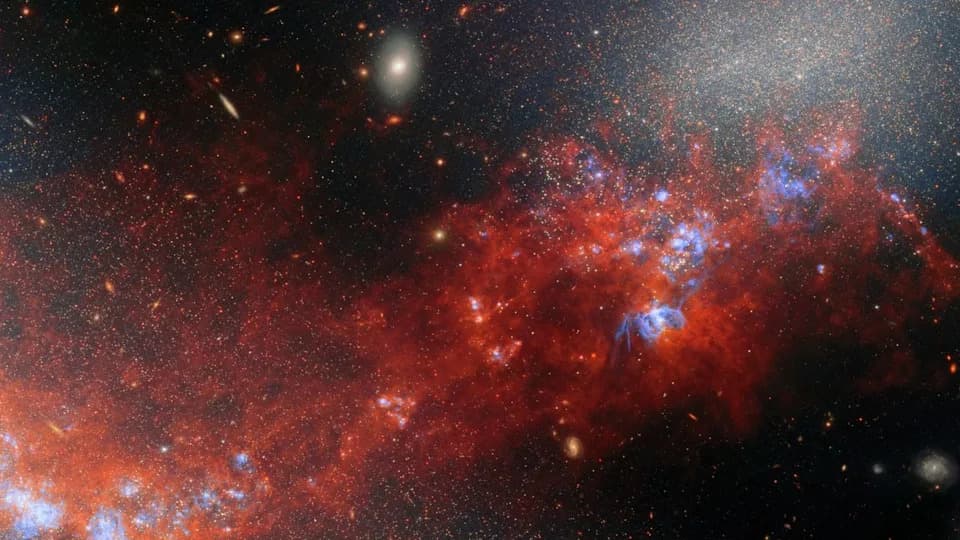
What To Expect: Whether Roman discovers new worlds, maps the distribution of dark matter, or produces sweeping images of nearby galaxies, the observatory promises to deliver spectacular, large‑scale views of the cosmos that will be invaluable for astronomers and the public alike.
“Roman will reveal billions of stars, hundreds of black holes and hundreds of forming planetary systems,” NASA says — offering both discovery potential and a rich resource for follow‑up observations.
Recent advances from telescopes like JWST — for example, dramatic images of forming stars — hint at the kinds of scientific and visual payoffs Roman could produce, including the prospect of multi‑billion‑pixel mosaics of nearby galaxies over extended survey campaigns.
Help us improve.