Hubble’s enduring value comes from operating above Earth’s atmosphere, giving it unmatched capability in visible and near-ultraviolet light. JWST is not a replacement: its 6.5-meter mirror and infrared sensitivity let it probe earlier, redshifted galaxies and dusty star-forming regions. Both observatories had costly, delayed developments but have delivered transformative science; Hubble continues to produce data decades after launch while JWST opens new windows on the distant universe.
Why Hubble Still Matters — And Why JWST Complements, Not Replaces, It
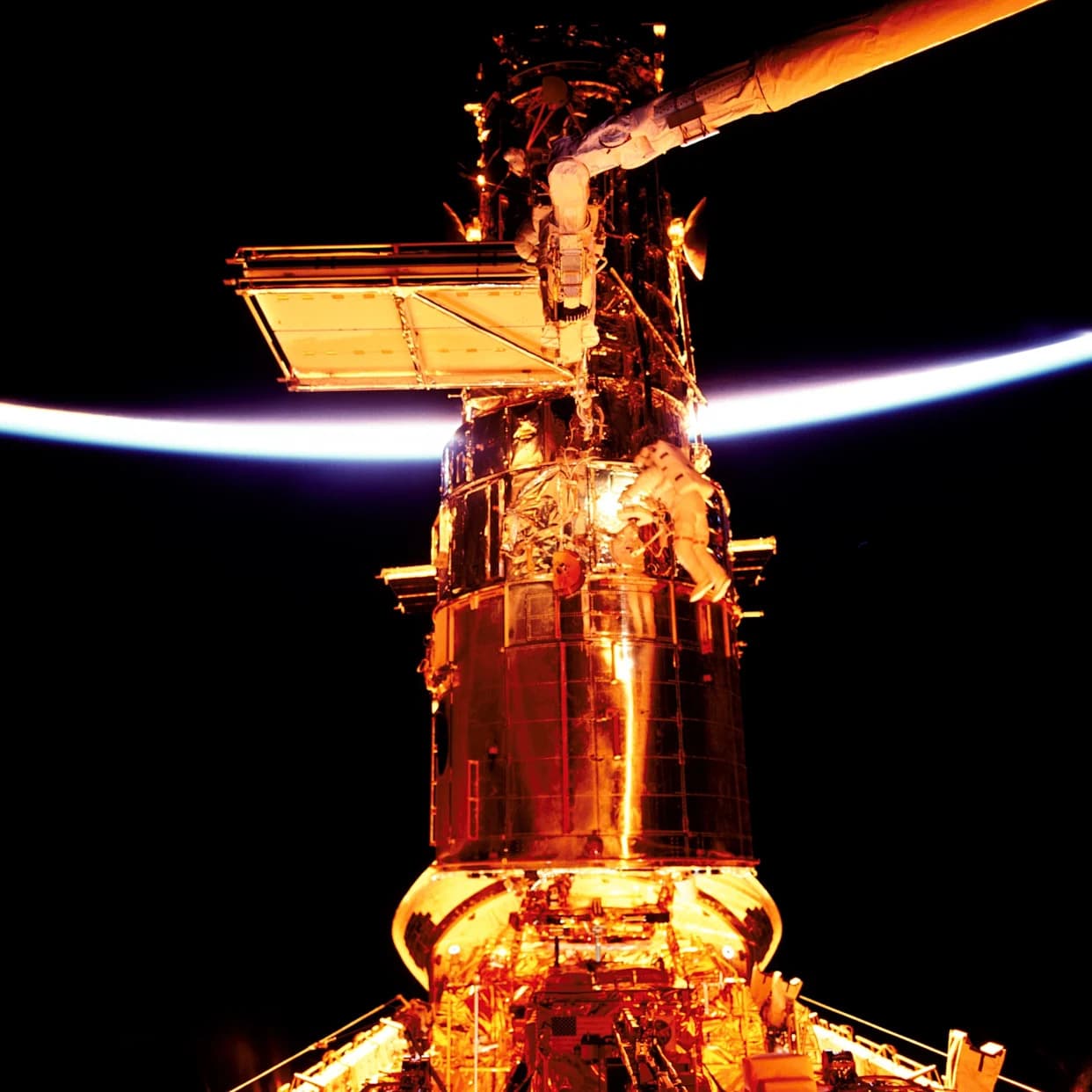
Two NASA astronauts perform upgrades on the Hubble Space Telescope high above Earth during a space shuttle servicing mission, STS-109, in March of 2002.(NASA)
On April 24, 1990, the space shuttle Discovery carried the Hubble Space Telescope into orbit, beginning a mission that transformed observational astronomy.
What Made Hubble Revolutionary
Above the atmosphere: Placing a 2.4-meter telescope above Earth’s turbulent, light-polluting atmosphere removed the blurring and absorption that limit ground-based observatories. That vantage point gave Hubble exceptionally sharp visible-light and near-ultraviolet views and opened windows on faint, distant objects that were previously inaccessible.
Landmark Achievements
Hubble has produced countless discoveries: tightened measurements of the universe’s expansion, detailed weather monitoring of the outer planets, and strong evidence that most large galaxies host central supermassive black holes. Over three decades in orbit it has logged more than 1.7 million observations and delivered an enduring legacy of high-impact science.
Hubble Vs. JWST: Different Tools, Different Strengths
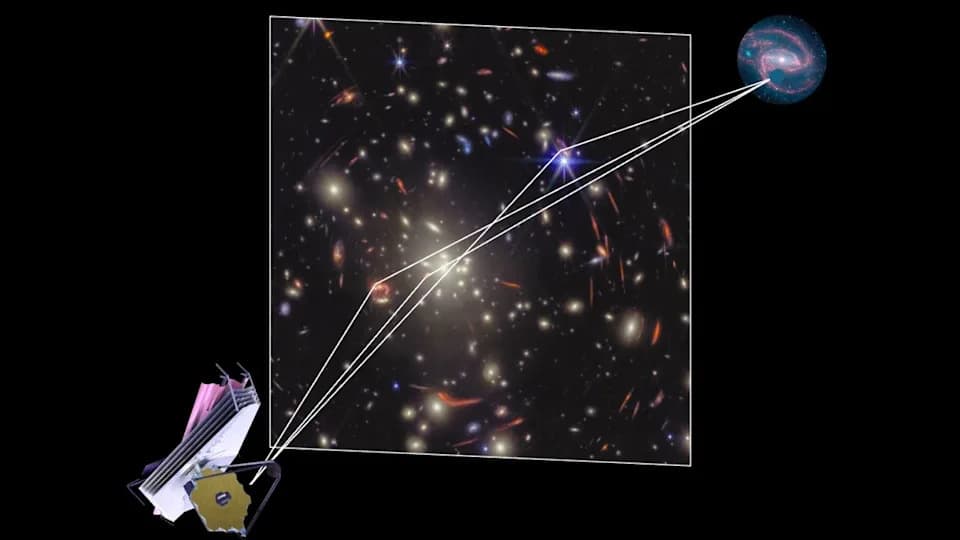
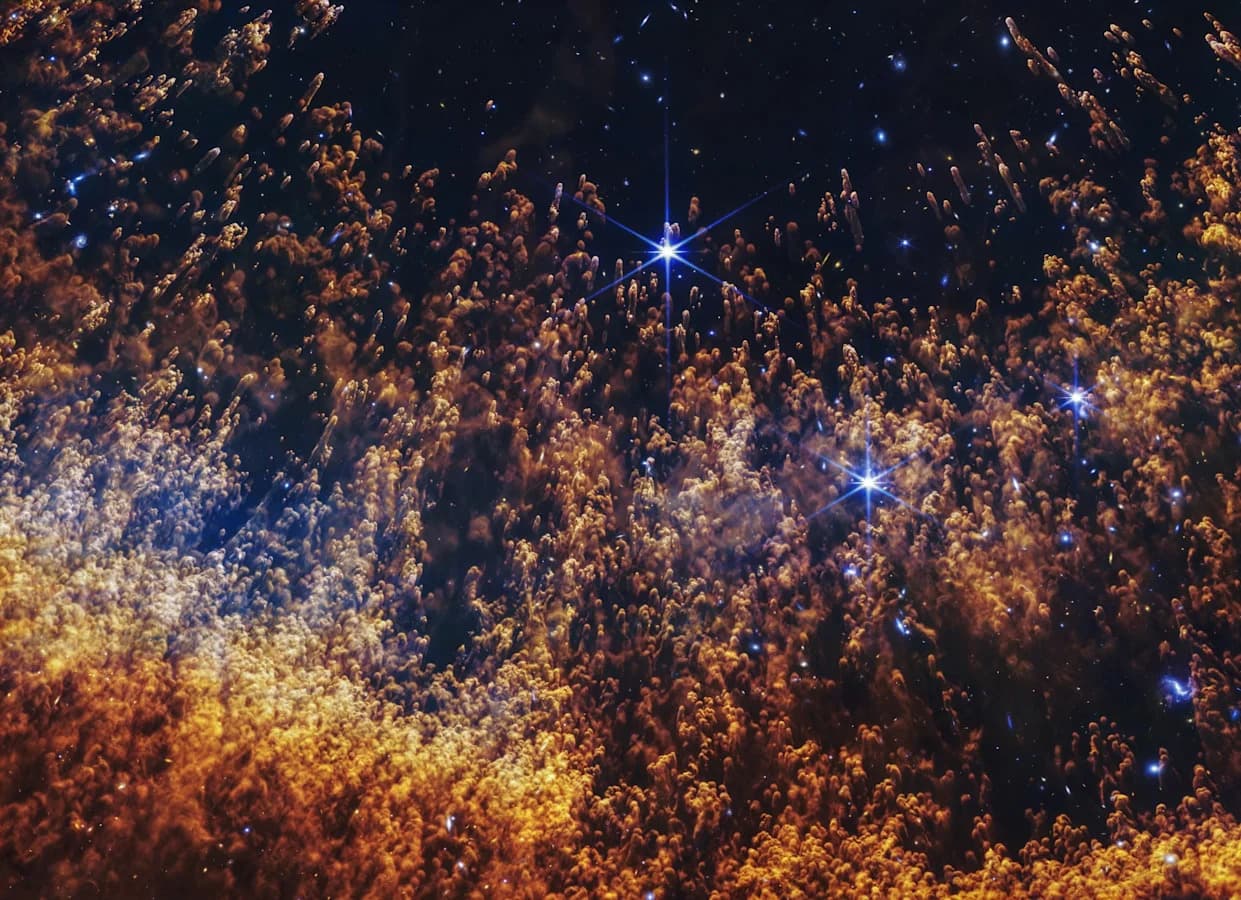
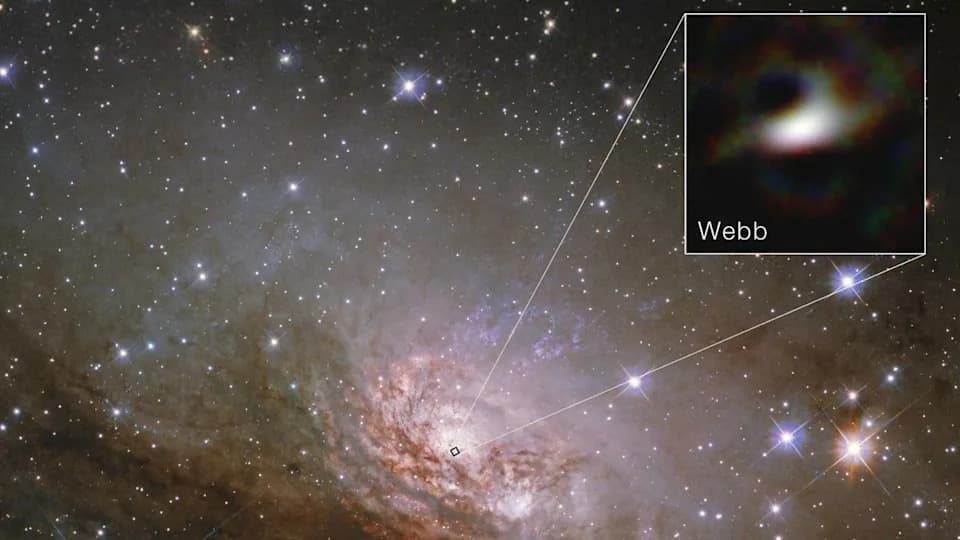
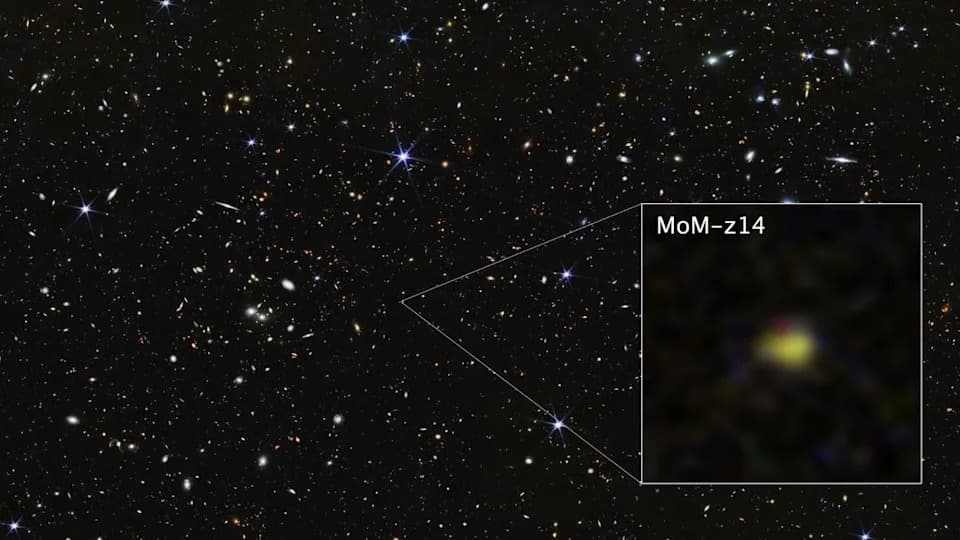
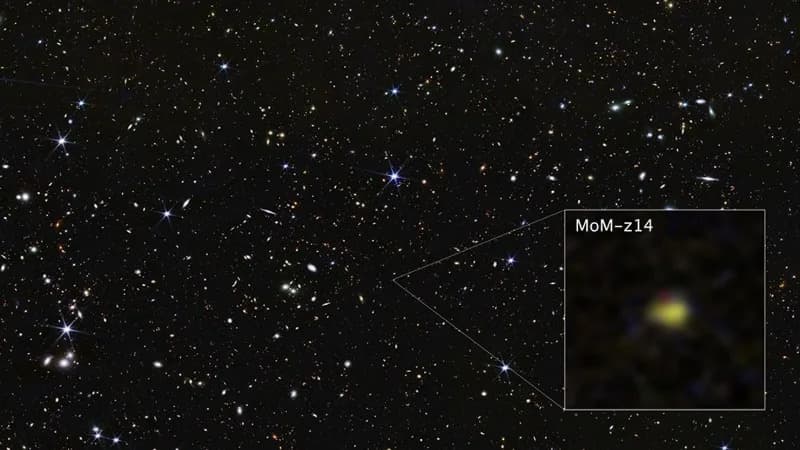
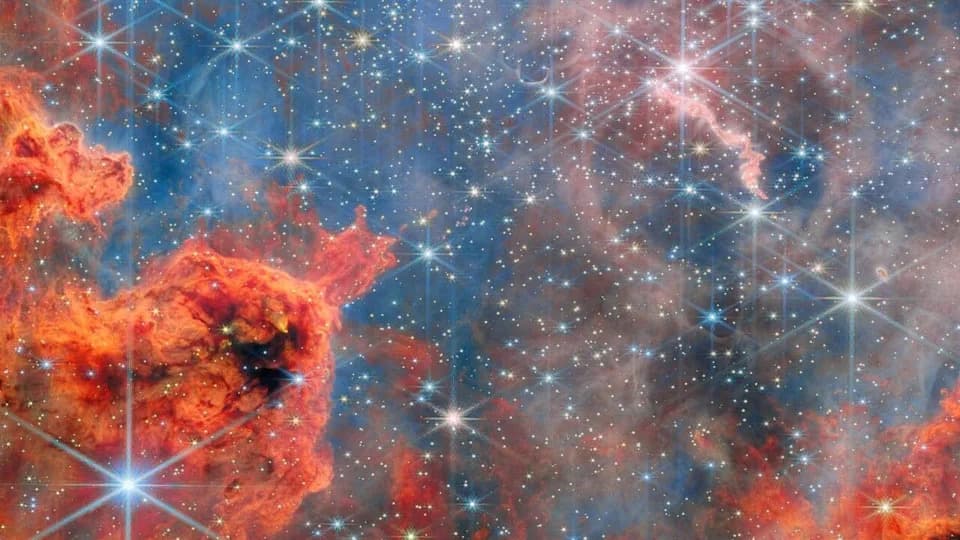
Calls that the James Webb Space Telescope (JWST) “replaces” Hubble are misleading. JWST (launched in 2021) carries a 6.5-meter segmented mirror that collects roughly seven times more light than Hubble, and it is optimized for long-wavelength infrared observations. That makes JWST superb for studying the earliest, most redshifted galaxies and the cool, dusty regions where stars form.
Hubble, by contrast, excels in visible light and the near-ultraviolet—wavelengths where it often provides finer angular detail than JWST at its best. In short, the two observatories are complementary: JWST stretches farther into the infrared; Hubble continues to deliver uniquely valuable visible- and UV-light science.
Cost, Challenges, and Lessons Learned
Both missions had long, expensive development histories. Hubble’s flawed primary mirror at launch (a tiny edge error that blurred images) required corrective servicing optics installed in 1993; the recovery became one of NASA’s most celebrated fixes. JWST faced its own delays and technical complexity but successfully deployed and performed nearly flawlessly in space. When you compare costs in inflation-adjusted terms and include Hubble’s shuttle servicing missions, the financial story is more nuanced than headline numbers suggest.
Longevity and Ongoing Value
Hubble’s nominal mission length has long been exceeded: the observatory is more than 35 years in orbit and is still producing new science despite aging hardware such as gyroscopes. JWST’s primary mission exceeds five years and planners estimate an operational lifetime of at least 20 years thanks to fuel management and careful design. If both telescopes operate for decades, they will continue to advance different but complementary areas of astrophysics.
Legacy and the Future
From Lyman Spitzer’s 1946 proposal to Nancy Grace Roman’s advocacy in the 1960s, the idea of a space telescope has driven generations of astronomical innovation. Hubble’s career—rocky at the start but spectacular in outcome—helped establish best practices that benefited JWST and future missions. Rather than thinking of observatories as replacing one another, it’s more accurate to see successive telescopes as building a layered, expanding set of capabilities that together deepen our view of the universe.
Bottom line: Hubble remains essential for visible- and near-UV science; JWST opens new infrared frontiers. Together they give astronomers a fuller, richer view of the cosmos.
Help us improve.