The Smithsonian National Zoo in Washington, D.C., has welcomed an Asian elephant calf — the zoo’s first in nearly 25 years. The female calf weighed 308 lb (140 kg) and was born at 1:15 a.m. on 2 February to mother Nhi Linh (12) and sire Spike (44). This birth will help strengthen genetic diversity among Asian elephants in North America and beyond. The calf will bond with her mother for about a month before a public debut, and the public can vote to name her with a $5 donation.
Asian Elephant Calf Born At Smithsonian National Zoo — First In Nearly 25 Years
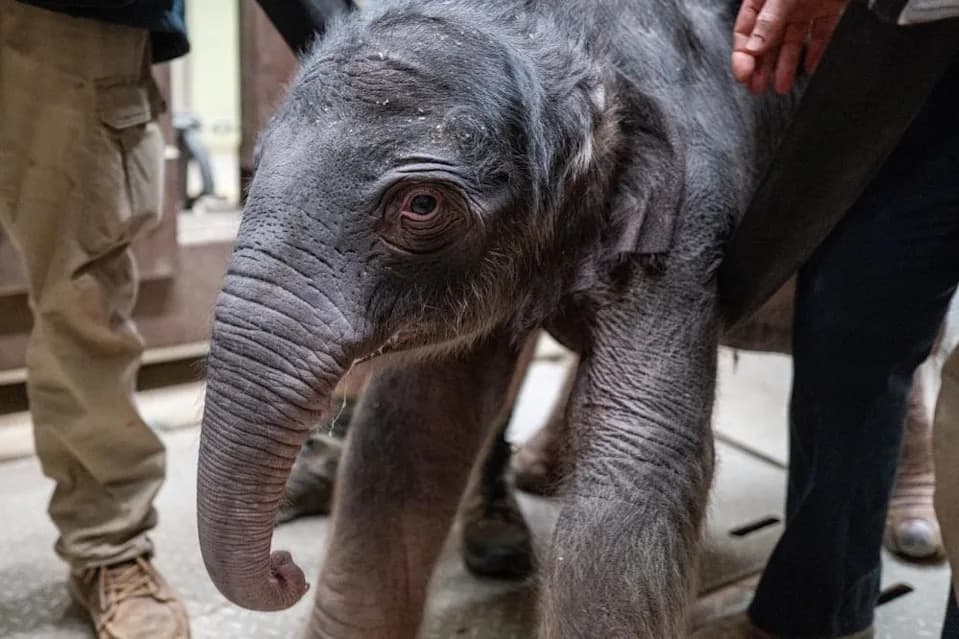
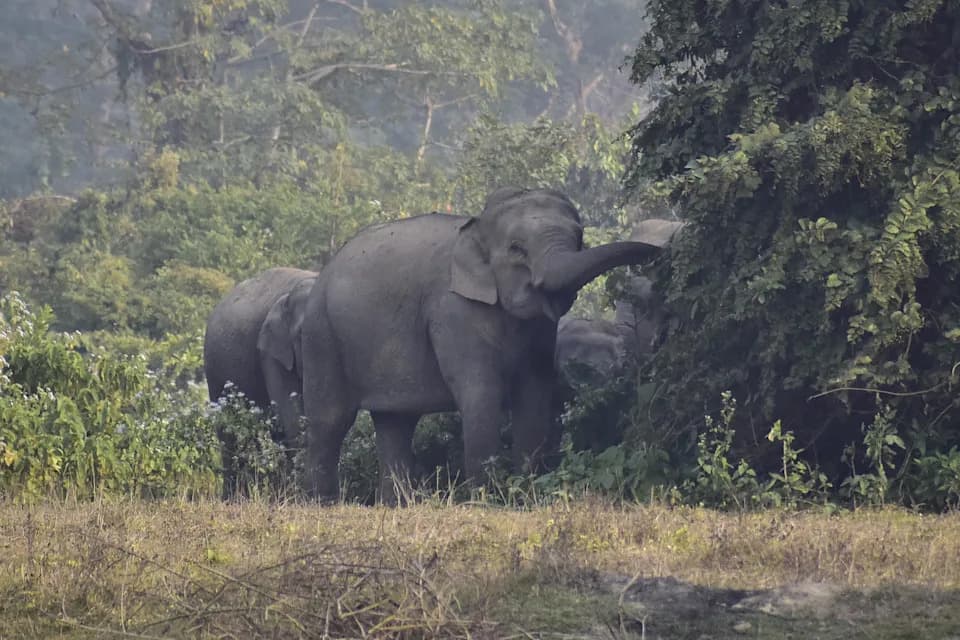
For the first time in almost 25 years, the Smithsonian National Zoo and Conservation Biology Institute in Washington, D.C., has welcomed an Asian elephant calf.
The female calf weighed 308 lb (140 kg) at birth and was born at 1:15 a.m. on 2 February. Her mother is 12-year-old Nhi Linh and her sire is 44-year-old Spike, the zoo announced.
“After nearly 25 years without an Asian elephant calf, this birth brings us deep joy,” said Brandie Smith, director of the Smithsonian’s National Zoo and Conservation Biology Institute (NZCBI). “What we learn from our elephants in D.C. strengthens our conservation work to protect wild Asian elephants across Southeast Asia. I am incredibly proud of our team, whose expertise made this moment possible for Nhi Linh and for all of us.”
Asian elephant pregnancies typically last 18 to 22 months; Nhi Linh carried this calf for 21 months. This is Nhi Linh’s first calf. Spike has sired three calves at other institutions, but those calves did not survive.
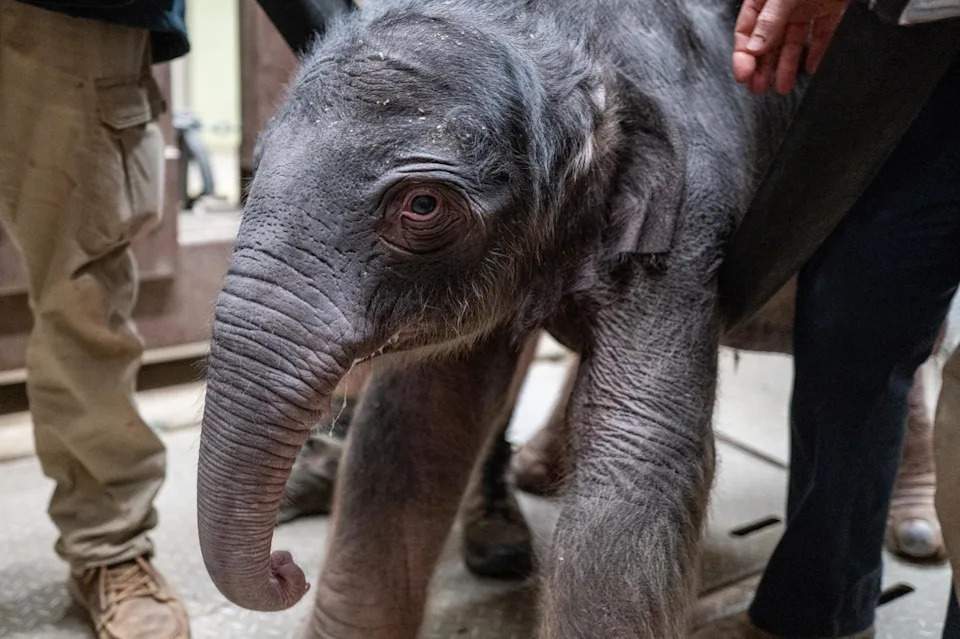
A female Asian elephant calf born on 2 February to mother Nhi Linh and father Spike.(Photograph: Roshan Patel/Smithsonian’s National Zoo and Conservation Biology Institute)
Because Nhi Linh’s and Spike’s genes are not widely represented in zoological collections, the calf is expected to help strengthen genetic diversity among Asian elephants in North America and internationally — an important goal for long-term species health and conservation efforts.
Bonding and Public Debut
The calf will remain with her mother for about a month to bond before being introduced to the public. Zoo staff will monitor both animals closely to ensure the calf’s health and successful mother–calf bonding.
Public Naming Celebration
The zoo is inviting the public to join the celebration by voting to name the calf. Visitors can vote for their favorite name by making a $5 donation; the name that receives the most donations will be chosen. The elephant care team has proposed four Vietnamese names: Linh Mai, Thảo Nhi, Tú Anh and Tuyết.
This milestone is more than a local celebration: it supports conservation, education and the global effort to protect threatened Asian elephants in the wild.
Help us improve.