Thailand has administered a contraceptive vaccine to three wild female elephants in Trat province — the first time the shot has been used in the wild — as officials seek to curb faster population growth in parts of the country. Birth rates in five eastern provinces are estimated at about 8% annually versus roughly 3% elsewhere, a trend officials warn could worsen human-elephant conflict. The vaccine was trialled on seven captive elephants in Chiang Mai two years ago; another 15 doses will be used before May, with six-monthly blood checks planned.
Thailand Administers Contraceptive Vaccine to Wild Elephants in First-Ever Field Trial
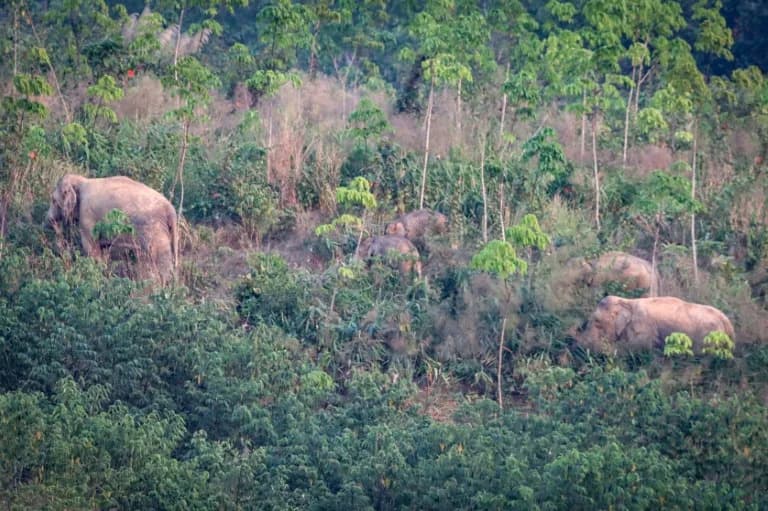
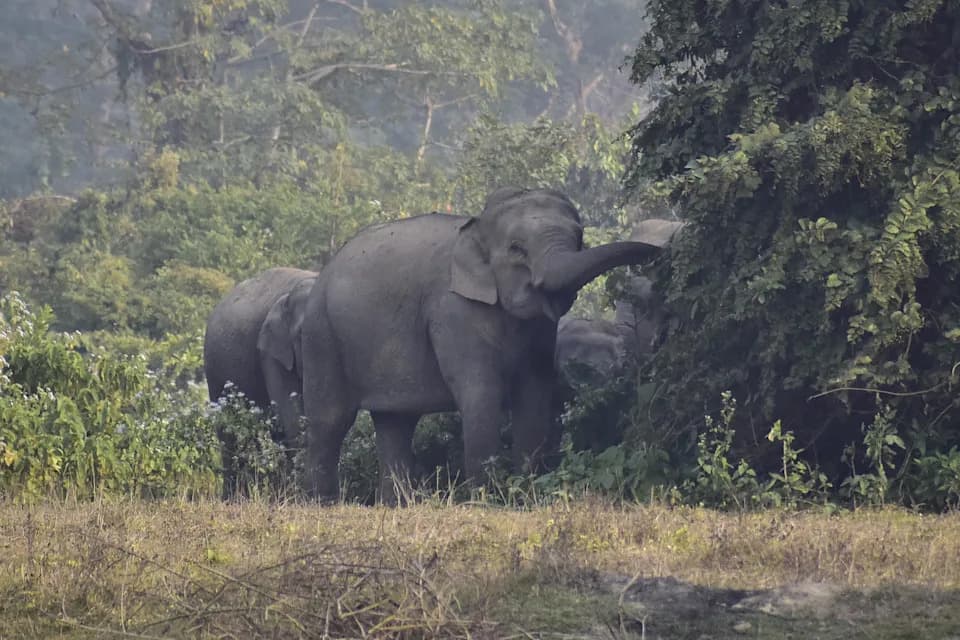
Thailand has given a contraceptive vaccine to wild elephants for the first time in an effort to control their ballooning population (Handout)(Handout/Thailand's wildlife conservation office/AFP)
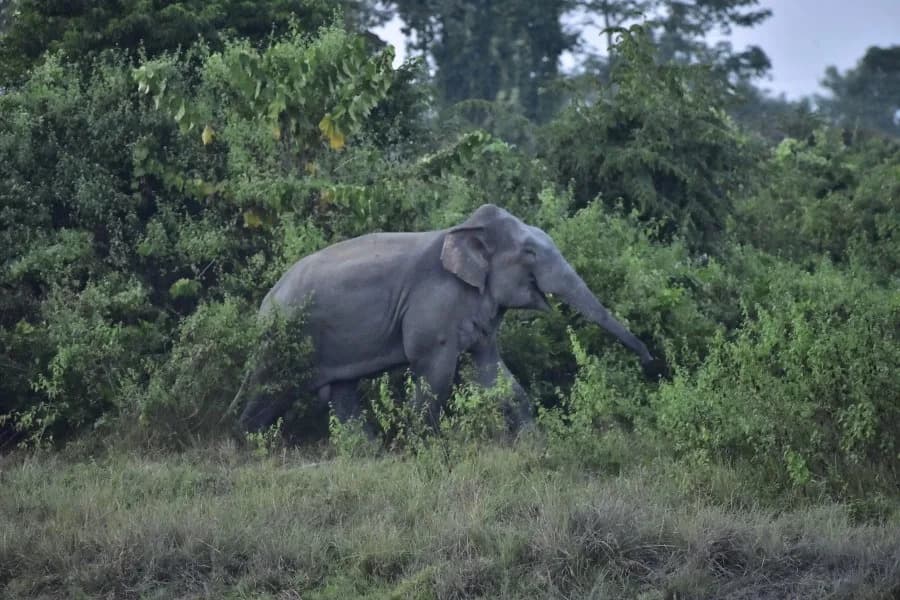
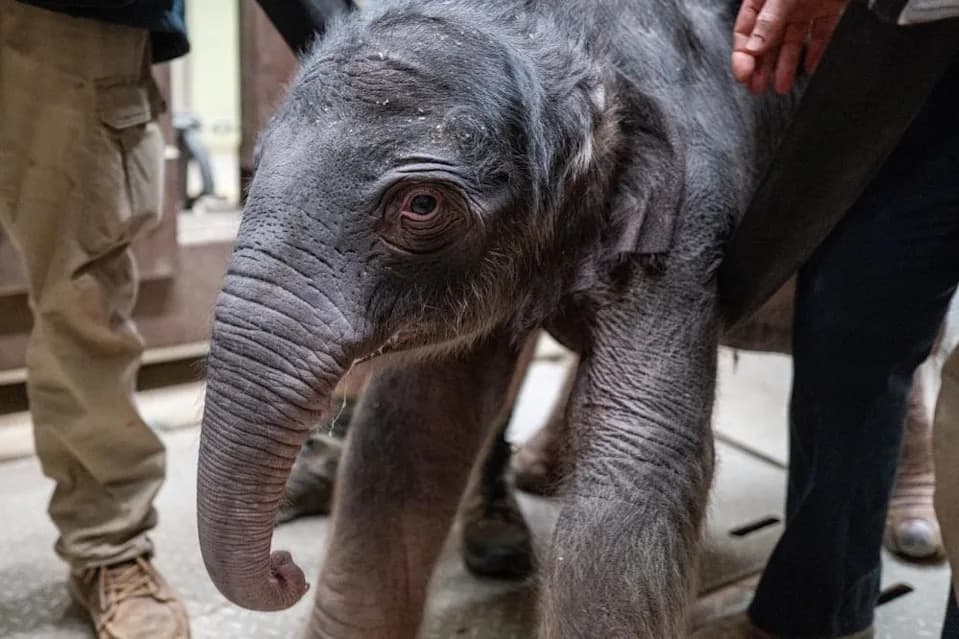
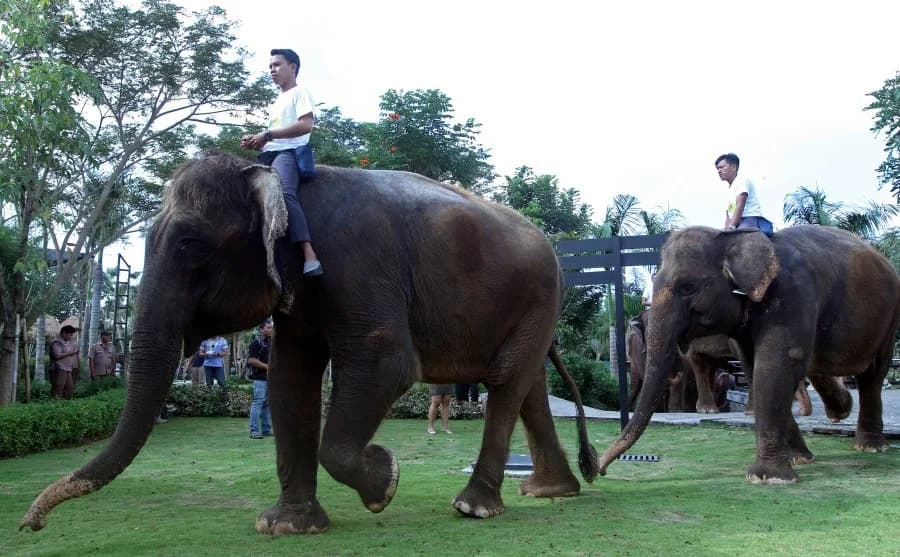
Thailand has for the first time given a contraceptive vaccine to wild elephants as part of an effort to manage a rapidly growing population and reduce escalating human-elephant conflict, officials said.
Wildlife authorities and a veterinary team administered the injections to three female elephants in Trat province in the country’s southeast, using a dart gun without anaesthesia, according to the Wildlife Conservation Office.
Why Authorities Acted
Officials said birth rates among elephants in five eastern provinces are roughly 8% annually, compared with about 3% elsewhere in Thailand. The office warned this faster growth could intensify conflicts with people if left unchecked.
“This will cause more conflict between humans and elephants in the long term if we let it continue,” said Sukhee Boonsang, director of the Wildlife Conservation Office.
Numbers and Impact
Thailand’s counted wild elephant population rose from 334 in 2015 to almost 800 last year, with thousands more elephants in captivity. Since 2012, human-elephant conflict has been linked to nearly 200 human fatalities and more than 100 elephant deaths, the office said.
Vaccine Trial and Follow-Up
The contraceptive vaccine was previously trialled on seven captive elephants in Chiang Mai two years ago. Sukhee said the three treated wild elephants were checked for signs of infection, are in good health and are “living their normal life.” His team will perform follow-up blood tests every six months to monitor health and effectiveness.
Officials plan to use another 15 doses on elephants in other herds across Thailand before the rainy season begins in May.
Conservation Context
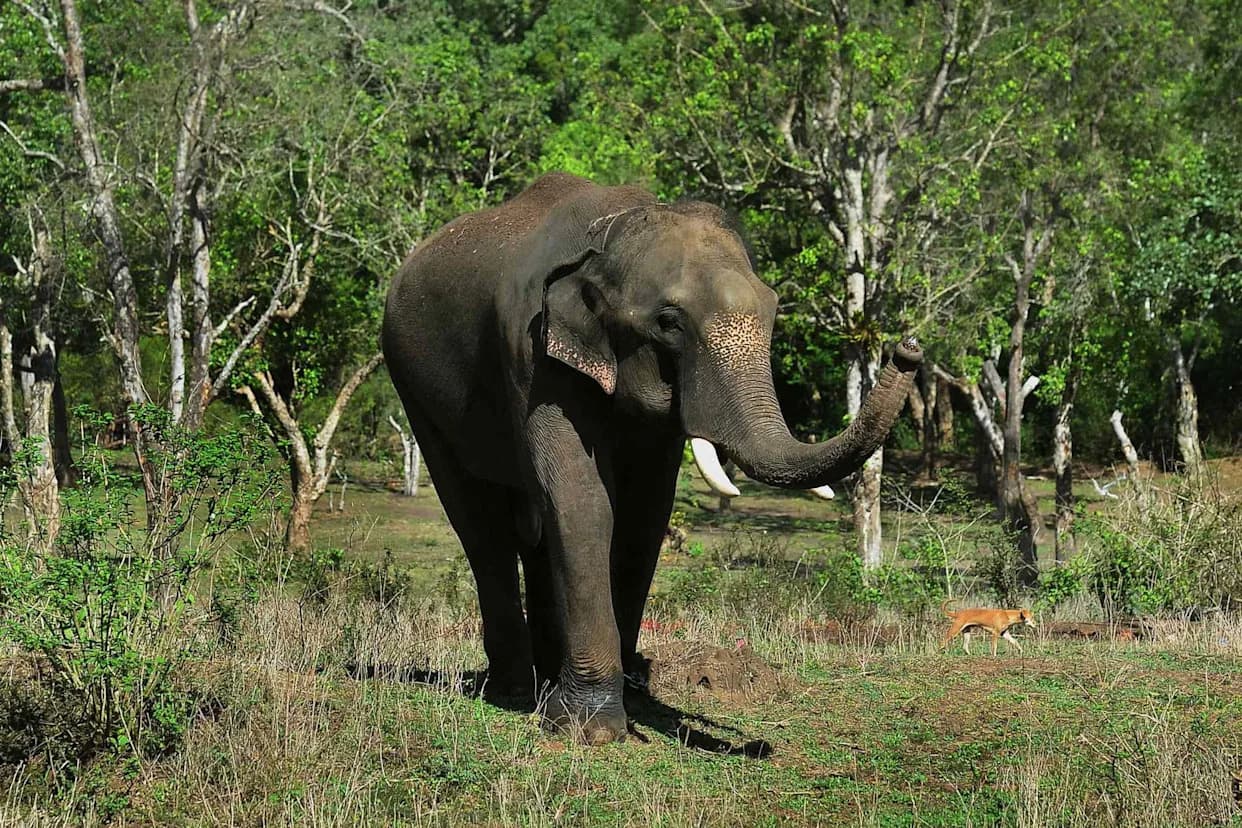
Asian elephants — Thailand’s national animal — are listed as endangered by the International Union for Conservation of Nature (IUCN). Authorities say managing population growth in the wild is intended to reduce conflict and protect both communities and elephants, while ongoing monitoring will assess the vaccine’s safety and impact.
Note: The type of contraceptive vaccine was not specified in the official statement. Authorities emphasize continued monitoring and veterinary oversight to ensure animal welfare and long-term conservation outcomes.
Help us improve.