Researchers tested injecting colloidal (ultrafine) activated carbon into contaminated soil and found it can trap PFAS underground, reducing groundwater concentrations from more than 50,000 nanograms per liter to below detection limits within ten months. The treatment captured both long- and short-chain PFAS and could cut long-term operating costs to less than half of many current remediation options. The system is installed underground and requires minimal maintenance, though further research is needed on longevity and performance across different soil and hydrogeologic conditions.
Underground Carbon 'Sponge' Dramatically Cuts PFAS in Drinking Water Tests

Viktoriya Skorikova / Getty Images
Researchers from Brown University, the University of Minnesota and partners including the U.S. Navy report a promising new approach to keep PFAS out of drinking water: injecting an ultrafine activated carbon material, called colloidal carbon, into contaminated soil to trap these persistent chemicals underground.
How the Method Works
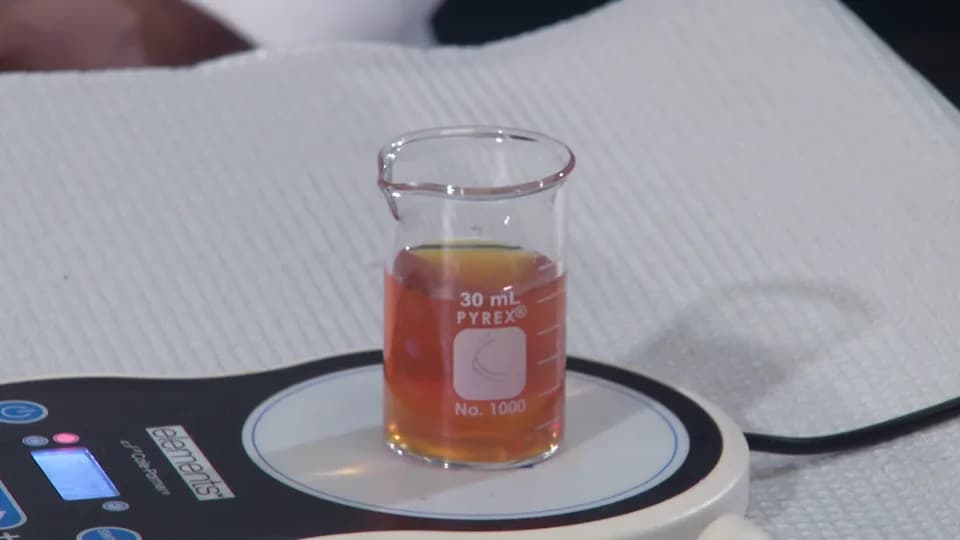
Colloidal carbon behaves like a microscopic sponge that adsorbs PFAS as groundwater flows through a treated subsurface zone. The research team first validated the idea in laboratory experiments using soil taken from a contaminated site, then carried out a field demonstration at a Navy training area with very high PFAS levels.
In the field trial the researchers used a "push-pull" test: they injected the colloidal carbon to create a treatment zone, allowed groundwater to pass through so PFAS could bind to the carbon, and then pumped groundwater back up to measure breakthrough. Measured PFAS concentrations dropped from more than 50,000 nanograms per liter to below detection limits within ten months, and the material sorbed both long-chain and short-chain PFAS compounds.
Costs and Practicality
According to the team's cost analysis, this in-place, subsurface approach could reduce long-term operating costs to less than half those of many current remediation methods. Because the treatment is installed belowground, ongoing maintenance needs are expected to be minimal compared with above-ground filtration systems that require frequent upkeep.
Limitations and Next Steps
The authors emphasize that the technique is not a silver bullet. Key uncertainties remain about how long colloidal carbon remains effective in different hydrogeologic settings, how it performs across a range of soil types, and the long-term fate of PFAS once sequestered in treated zones. Additional field trials and monitoring over longer timeframes will be essential to answer these questions and to guide broader deployment.
"This study shows that we can create an effective treatment zone underground that dramatically reduces PFAS levels with far lower long-term costs," said Matt Simcik, a professor in the School of Public Health and a co-author of the study. "The effectiveness of this method, combined with the fact that the system requires very little ongoing maintenance, makes this a promising option for real-world cleanup efforts."
"The project shows the importance of partnerships between practitioners, government, and academia," said William Arnold, a professor in the College of Science and Engineering. "The expertise, experience, and insight of the individuals who made up the team were needed for this lab-to-field project to succeed."
Why This Matters
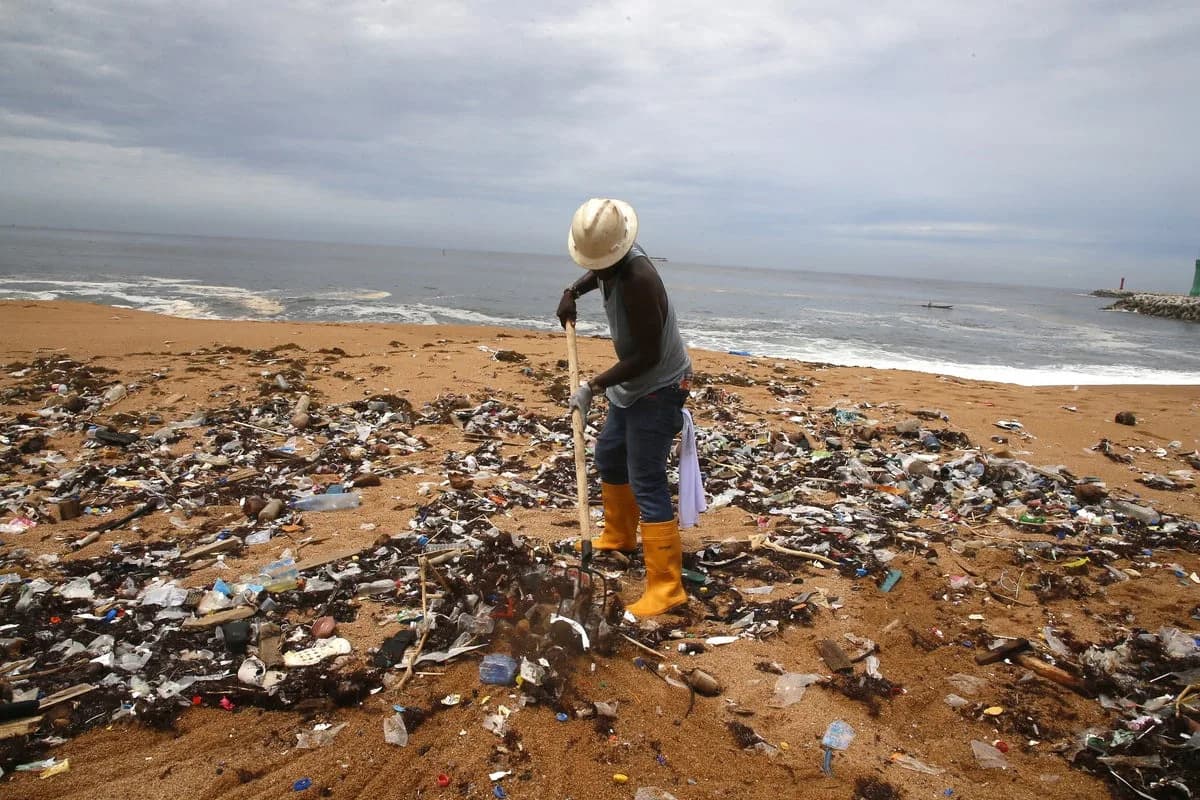
PFAS (per- and polyfluoroalkyl substances) are widely used for nonstick cookware, waterproofing, cosmetics and grease-resistant packaging. Their strong carbon-fluorine bonds make them extremely persistent in the environment and have led to growing concerns about human health impacts. An affordable, low-maintenance subsurface treatment that traps both long- and short-chain PFAS could give communities a practical new tool to protect drinking water supplies.
Results from the field trial were published in the Journal of Hazardous Materials. The researchers caution that further study is needed before large-scale deployment, but the findings point to a scalable, cost-effective option worth pursuing.
Help us improve.