The Justice Department published a large cache of files related to Jeffrey Epstein that contained widespread redaction errors, exposing nude images and sensitive personal data of alleged victims. Reviews found both missing and inconsistent blackouts — and even instances of overbroad redactions that obscured irrelevant details. Victims' lawyers demanded the site be taken down and an independent monitor be appointed; the DOJ says it is removing problematic items and republishing corrected versions while investigators continue reviewing the material.
DOJ's Epstein File Release Marred by Widespread Redaction Failures Exposing Nudes and Victims' Data
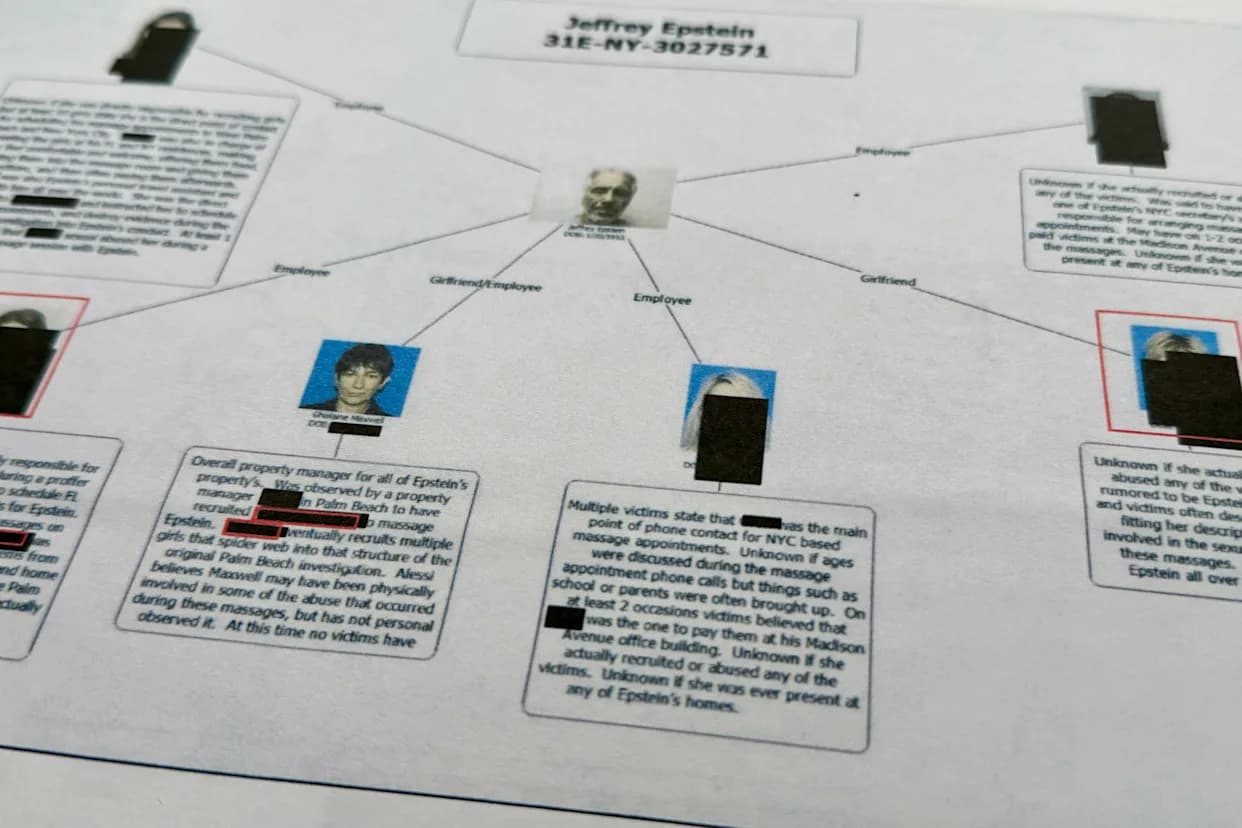
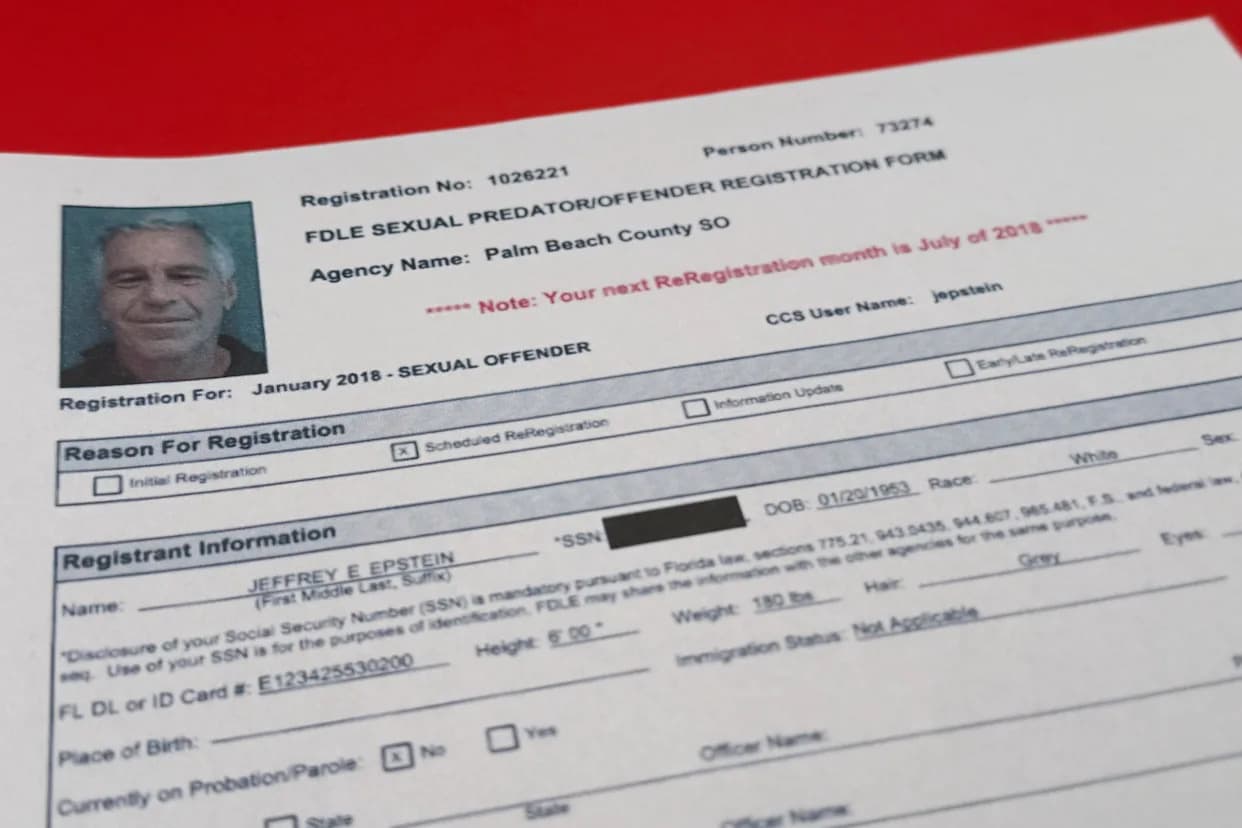
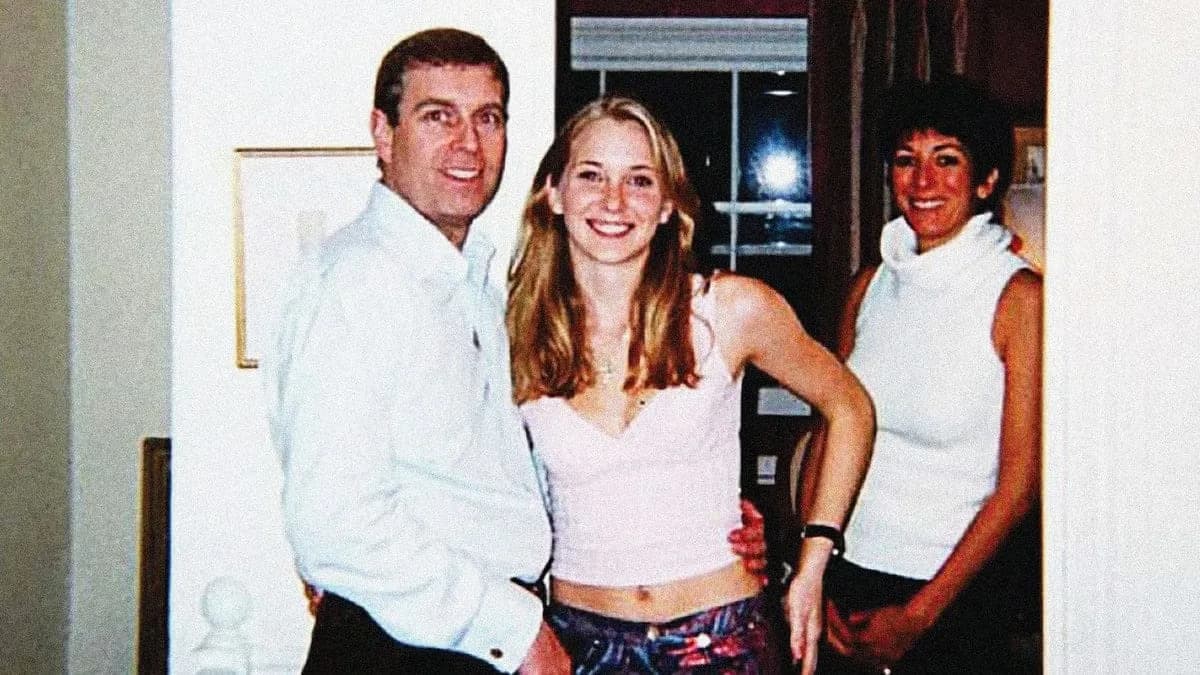
A document that was included in the U.S. Department of Justice release of the Jeffrey Epstein files, photographed Monday, Feb. 2, 2026, shows a diagram prepared by the FBI attempting to chart the network of Epstein's victims and the timeline of their alleged abuse. (AP Photo/Jon Elswick)(ASSOCIATED PRESS)
The Justice Department's long-awaited release of investigative records tied to Jeffrey Epstein has been undermined by widespread, inconsistent and sometimes missing redactions that exposed intimate photos and sensitive personal information belonging to alleged victims.
What Was Released
On Friday the DOJ published a massive trove of documents to comply with a law ordering the release of its Epstein files. The material included images, police reports, emails and other records that were supposed to protect victims' privacy through redactions of names, identifying details and sexually explicit imagery.
Redaction Failures and Their Consequences
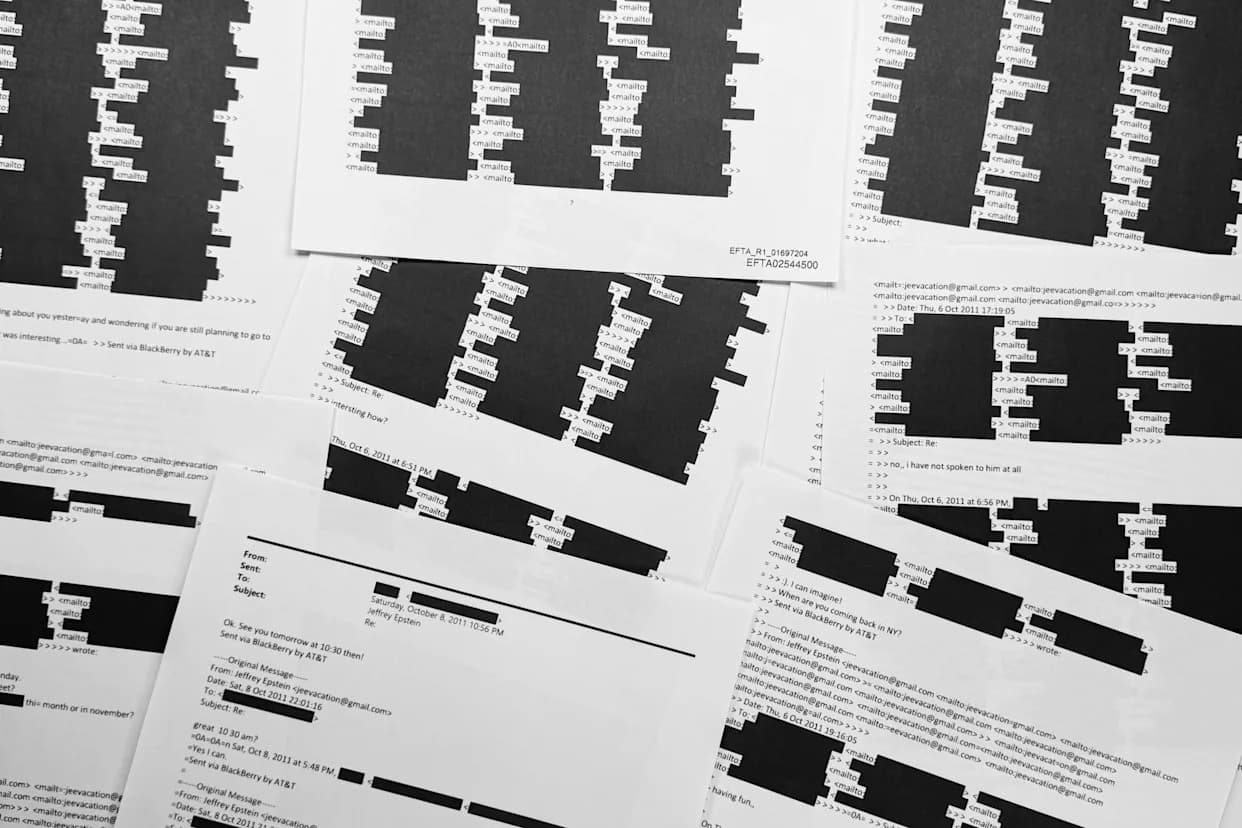
Instead, reviews by The Associated Press and partner newsrooms found numerous examples of sloppy or missing redactions. The released files included:
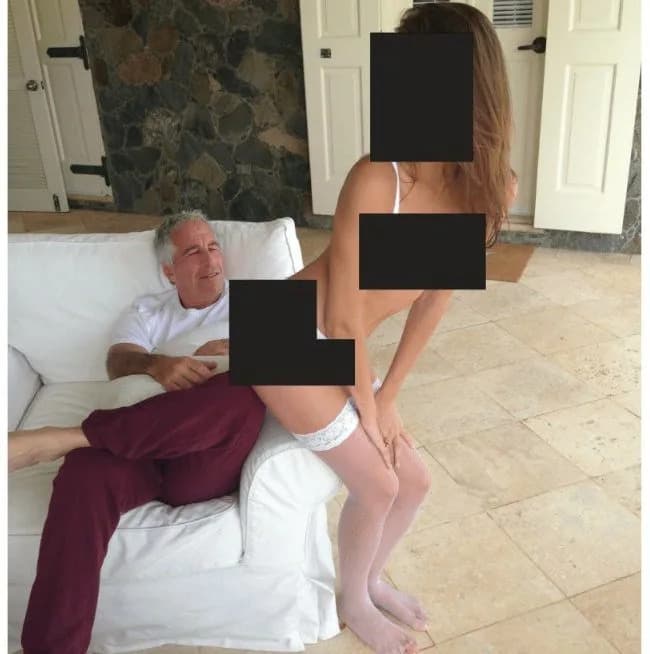
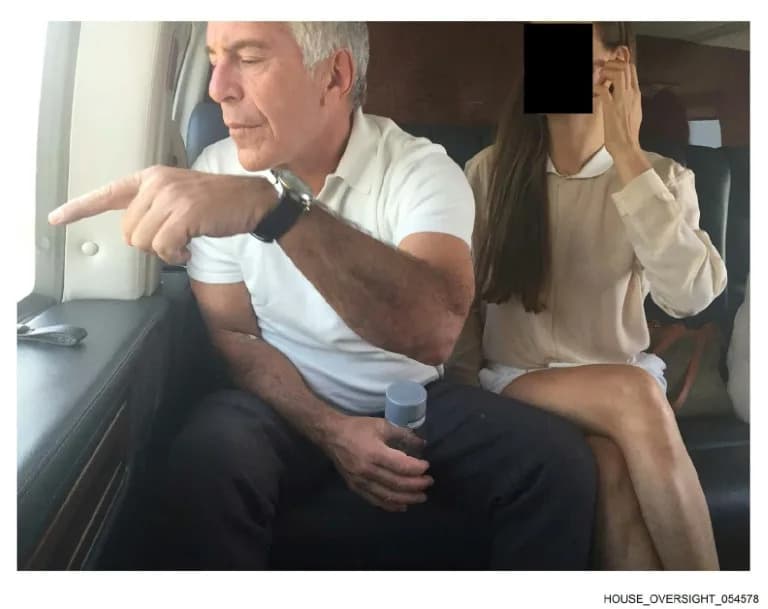
- Nude or sexually explicit photographs with faces and other identifying features visible;
- Full names of alleged victims — including people who had not publicly identified themselves;
- Unredacted financial information such as bank-account and Social Security numbers in some documents.
Examples of both under- and over-redaction were documented. In one clipping the caption read, "A Nativity scene depicting Jesus, Mary and (REDACTED)," while in another everyday email a pet's name was removed: "I spent an hour walking (REDACTED) and then another hour bathing her..."
Victims' Response and Legal Pushback
“The failure here is not merely technical,” said Brittany Henderson, a lawyer for some accusers. “It is a failure to safeguard human beings who were promised protection by our government. Until every document is properly redacted, that failure is ongoing.”
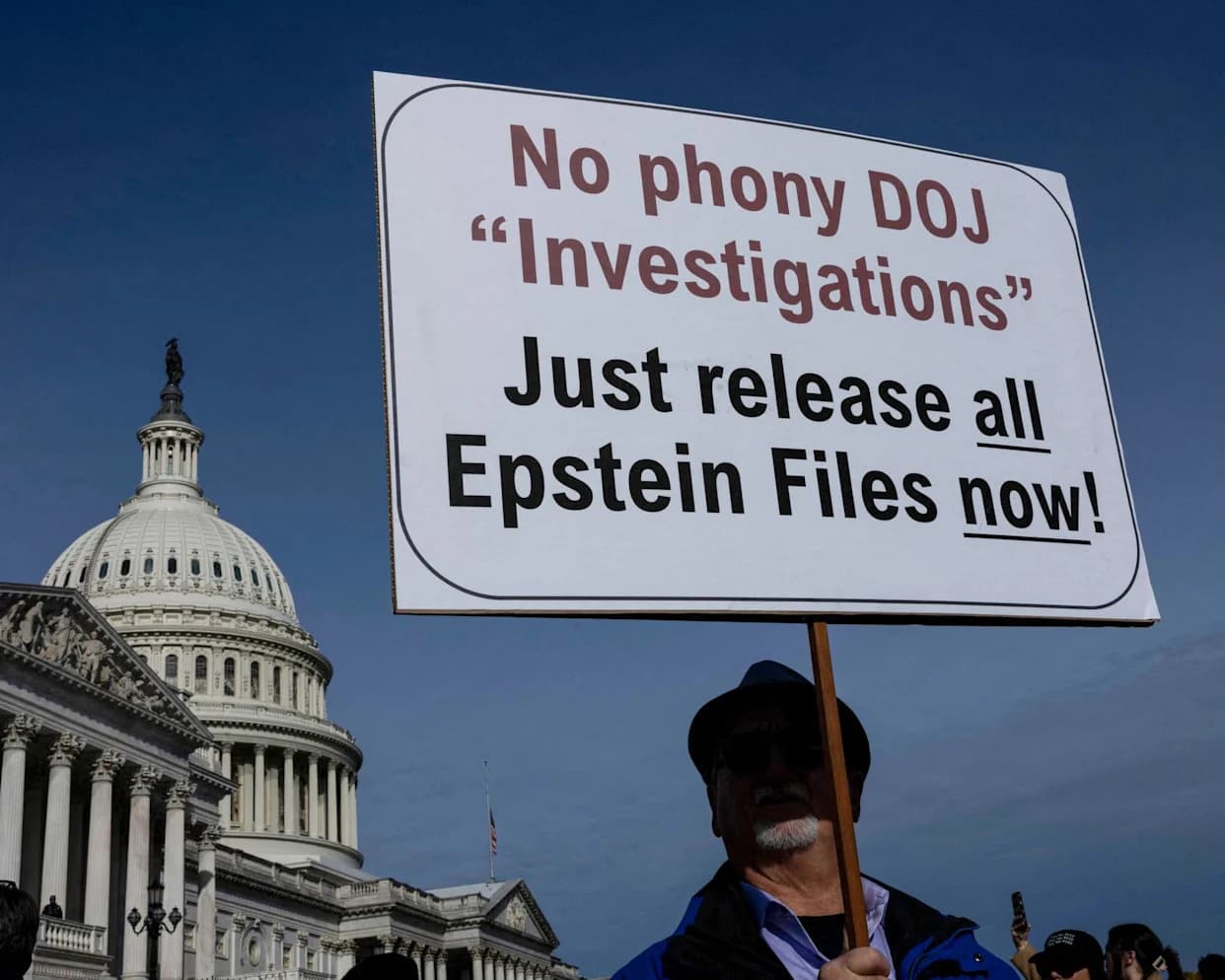
Several accusers and their attorneys demanded the Justice Department take the site down and appoint an independent monitor. A New York judge scheduled a hearing but later canceled it after lawyers reported partial progress on correcting the files.
Victim-advocate Annie Farmer, who says she was 16 when she was assaulted by Epstein and Ghislaine Maxwell, said that although her name was already public, other personal details — including her birth date and phone number — were wrongly exposed. "The fact that it’s been done in such a beyond careless way, where people have been endangered because of it, is really horrifying," she told NBC News.
DOJ Explanation and Timeline
The Justice Department attributed the errors to human and technical mistakes and said it has taken down many problematic items and is working to republish properly redacted versions. Officials said staff were instructed to limit redactions to information related to victims and their families.
The rush to comply helps explain some problems: President Donald Trump signed the disclosure law on Nov. 19, giving the DOJ 30 days to publish the records. The department missed that deadline, saying additional time was needed to protect privacy. Hundreds of attorneys were reassigned from other duties to complete the review, a step judges said delayed other court business.
Images and Privacy Concerns
Although the DOJ said it would obscure nudity and any images that could identify victims, many photos were only partially redacted — faces obscured while substantial bare skin remained visible, or entire series of images blacked out except for one photo showing an exposed face. At the time of reporting, a bathroom selfie of a nude woman and a topless selfie with faces visible remained accessible on the site.
Ongoing Review
The database represents the largest release so far in the multi-year investigations into Epstein, who died in a New York jail cell in 2019 while awaiting federal sex-trafficking trial. The AP and partner newsrooms (CBS, NBC, MSNBC, and CNBC) continue to review the documents and share findings; each outlet is responsible for its own reporting.
What to watch next: Whether the DOJ completes a comprehensive re-redaction, whether a court or independent monitor is appointed, and whether victims pursue further legal remedies for the exposure of their private information.
Help us improve.