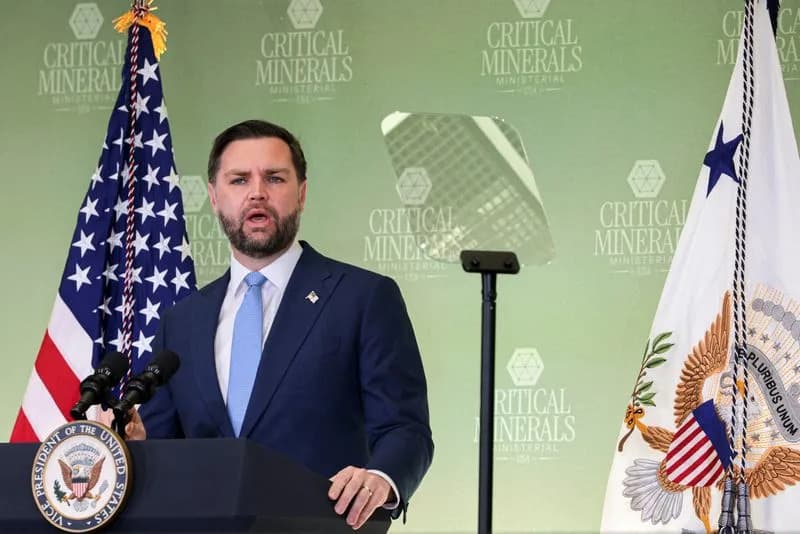
Bottom Line: NBC News fact-checked President Trump’s Oval Office interview and found multiple false or misleading statements across the economy, immigration, crime, elections and national security. Inflation was not at historic highs when he took office; job growth slowed sharply in 2025; the administration’s $18 trillion investment claim exceeds the White House’s $9.6 trillion list; and many border, fraud and election claims are overstated or lack supporting evidence.
Fact Check — Trump’s Oval Office Interview: Inflation, Jobs, Border and Iran Claims Questioned
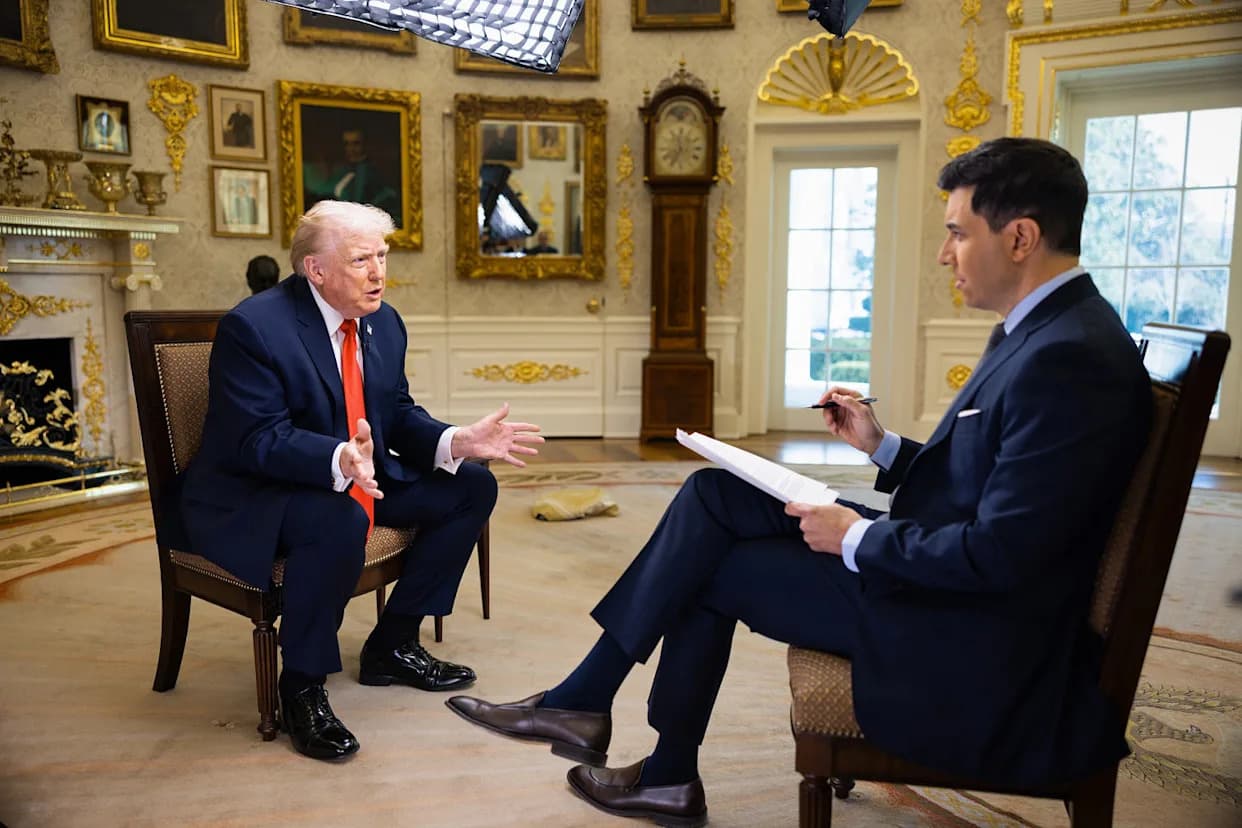
Fact-checking Trump's interview with NBC News
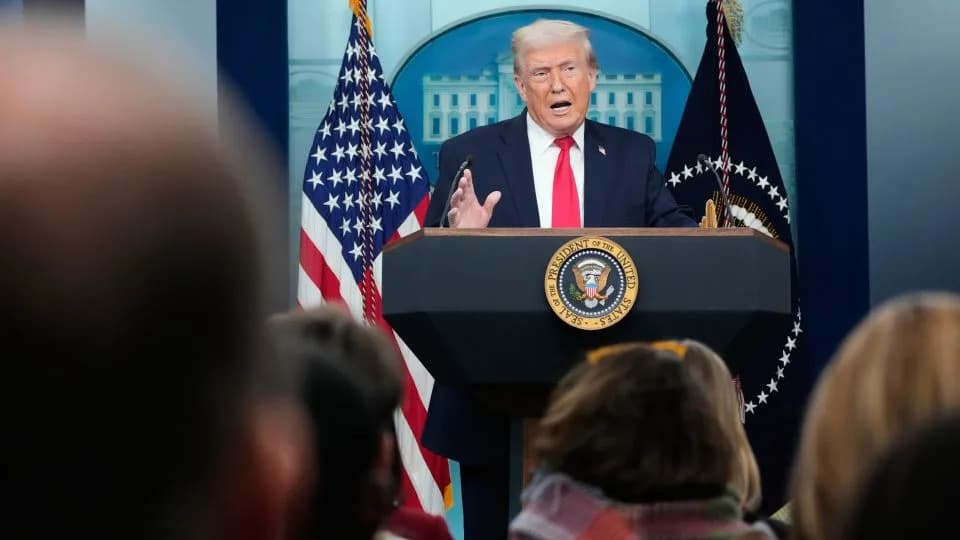
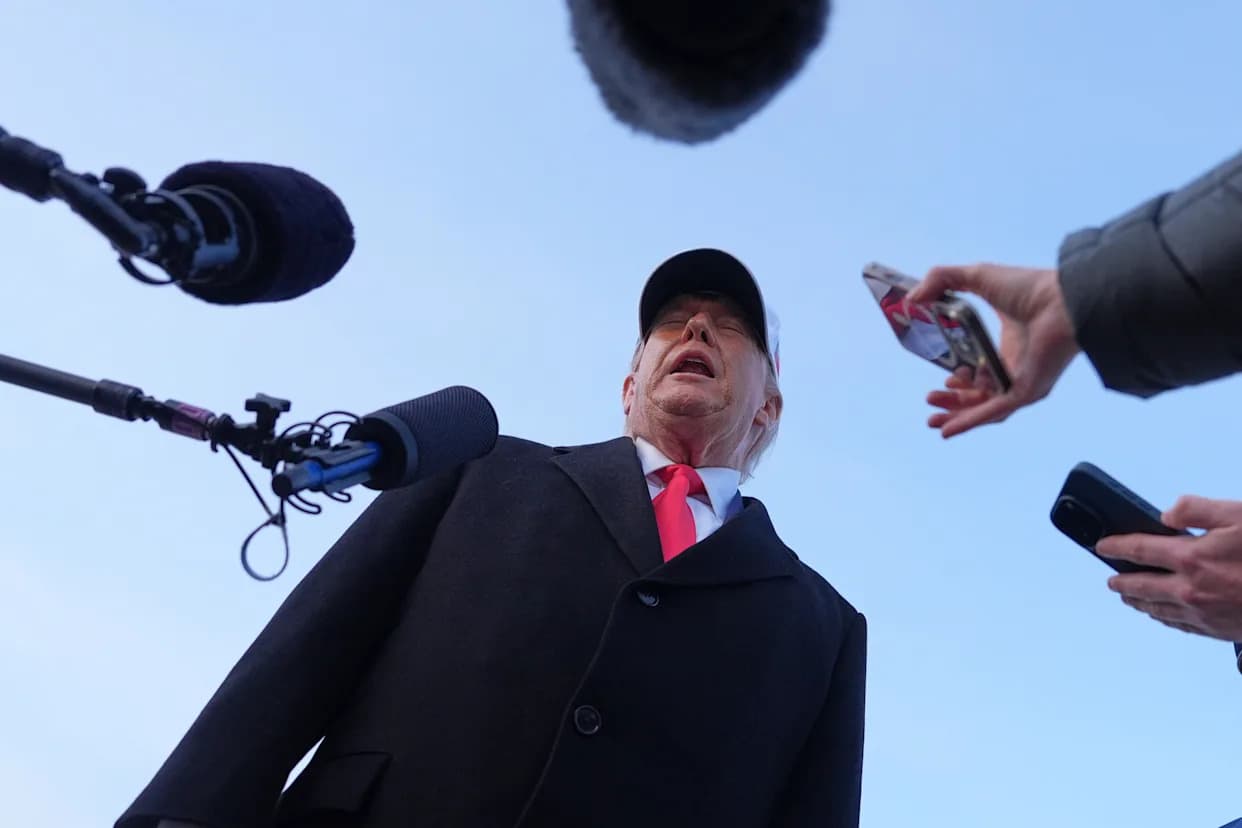
President Donald Trump spoke with NBC Nightly News anchor Tom Llamas in the Oval Office on a range of topics, from inflation and jobs to immigration enforcement, crime, election integrity and last year’s strikes on Iran. NBC News identified multiple statements in the interview that were inaccurate, misleading or lacking crucial context when checked against public data and reporting.
Economy and Inflation
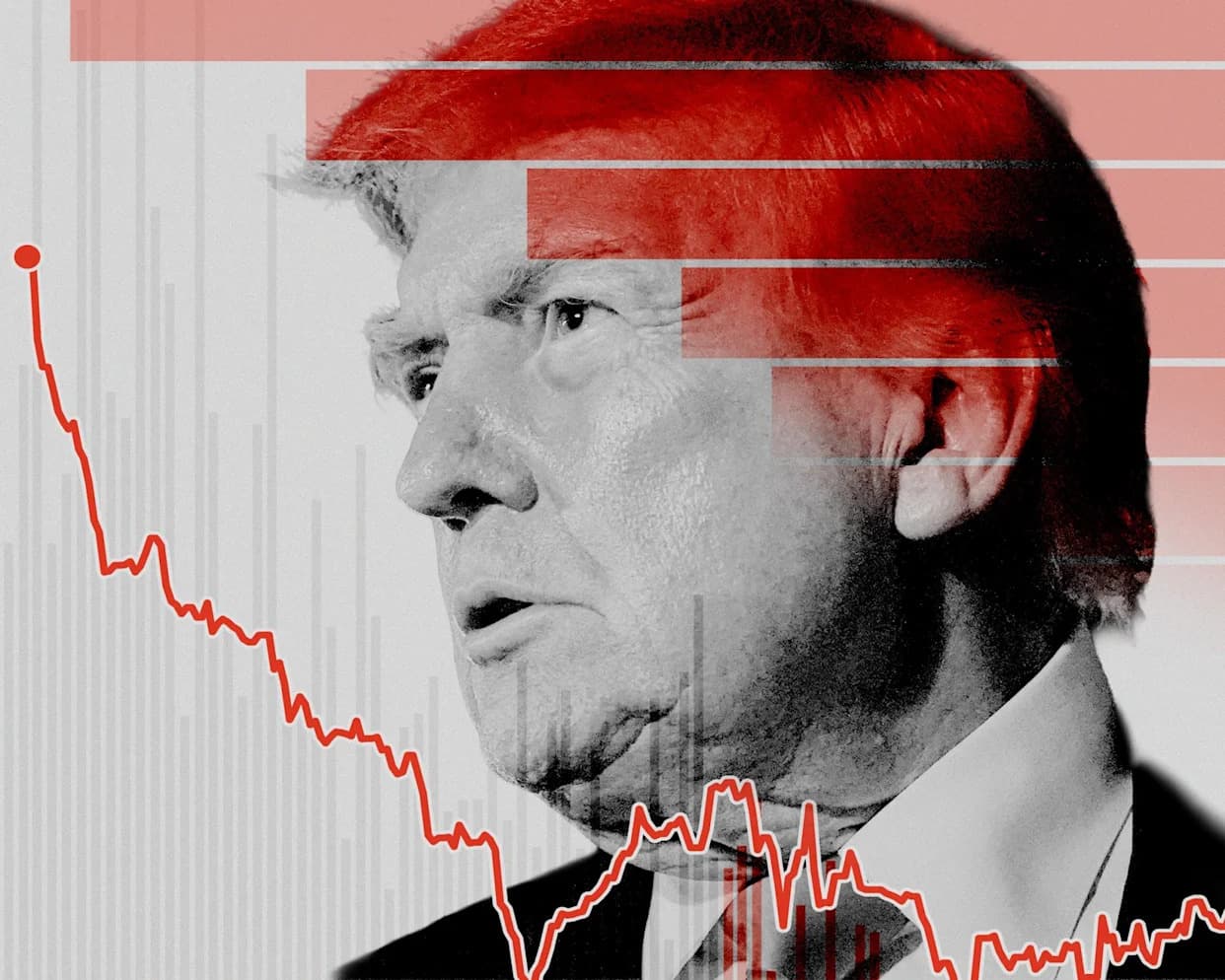
Trump claimed he “inherited the worst inflation in the history of our country.” That is false. When he took office in January 2025, inflation had already declined from pandemic-era peaks: it measured about 3% in January 2025 and fell to roughly 2.3% by April 2025. After the administration implemented global tariffs, headline inflation rose again to about 3% in September and was about 2.7% in December. By contrast, the worst inflation on record occurred in 1980, when the rate exceeded 14% for several months.
Jobs and Wages
Trump said, “There are more people working today than at any time in the history of our country.” That is accurate in raw employment levels, but it omits important context: job growth slowed sharply after his return to office. According to the Bureau of Labor Statistics, net job creation in 2025 totaled about 584,000 — a steep drop from more than 2 million jobs added in both 2024 and 2023, and far below the roughly 4.5 million jobs gained in 2022. Excluding recession years, 2025 was the weakest year for job creation since 2003. Wage growth also cooled, from roughly a 3.9% annual pace in January 2025 to about 3.6% in December 2025.
Investment Claims
Trump asserted, “I have $18 trillion being invested into the country.” Public commitments highlighted by the White House are substantial, but the administration’s own list totals about $9.6 trillion — not $18 trillion. Independent analysis by Bloomberg Economics found that more than $2.5 trillion of the White House figure were not actual investments; roughly $3.5 trillion consisted of opaque sovereign pledges and another $3.5 trillion were corporate commitments, with about $2.9 trillion earmarked for data centers. Some pledges predate the president’s return to office, and many commitments are long term and subject to change.
Immigration and Arrests
On enforcement, Trump said officials were “totally focused on criminals, really bad criminals,” and emphasized murderers. Recent data and reporting do not fully support that claim: NBC reported that more than one-third of roughly 220,000 people Immigration and Customs Enforcement (ICE) arrested in the first nine months of the administration had no criminal histories. Trump also repeated a figure he has used before — citing roughly 11,888 or similar numbers of noncitizen murderers — but that appears to conflate longstanding tallies of noncitizens ever convicted of homicide with recent border apprehensions. In 2024, ICE told Congress there were more than 13,000 noncitizens convicted of homicide in the U.S. or abroad who lived outside ICE detention; that total can include people who arrived decades earlier and those currently serving prison sentences.
Trump also repeated an unsupported claim that 25 million people entered the U.S. illegally under President Biden. Customs and Border Protection (CBP) data show about 7.4 million undocumented migrants crossed outside ports of entry during the Biden administration; including people who entered at ports without proper documentation raises the total to approximately 10.2 million, not 25 million.
Crime Trends
Trump touted “record low crime in the United States,” saying the country had not seen such lows in 125 years. Independent analysis offers a nuanced picture: a January report from the Council on Criminal Justice said it is possible the national homicide rate could reach its lowest recorded level in data going back to 1900, and that there might be a large single-year percentage drop. But the report stops short of broad conclusions across all violent-crime categories. Nationwide declines in many forms of crime predate Trump’s return to office. City-level trends vary: Minneapolis displayed mixed changes in 2026 (some violent categories up, others down), while Chicago saw declines across violent-crime categories in 2025 and early 2026 year-over-year data.
Minnesota Fraud Probe
Trump referred to “$19 billion in fraud that we know about.” That figure is greatly inflated. Federal prosecutors initially described a scheme tied to a federal child nutrition program as roughly a $250 million fraud; 92 people were charged and dozens convicted. In December, prosecutors expanded the inquiry and publicly suggested that up to about $9 billion in federal funds paid to 14 programs in the state might have been misused — an estimate that Minnesota officials, including Gov. Tim Walz, have disputed. The $19 billion number is not supported by the public record.
Elections And Fraud Claims
Trump said, “I won three times,” implying a second-term victory that did not occur. He also accused specific cities (Detroit, Philadelphia, Atlanta) of having “very corrupt” elections. There is no evidence of systemic, outcome-determinative fraud in those jurisdictions in 2020. In Georgia, a hand recount and post-election reviews confirmed the results, and then-Secretary of State Brad Raffensperger testified that voting patterns explained some of the margin shortfall in the presidential race.
Strikes On Iran And Nuclear Program
Trump claimed the U.S. “wiped out” Iran’s nuclear program and that Iran had been “within one month” of a weapon. Reporting and expert assessments indicate the strikes seriously damaged parts of Iran’s program but did not eliminate it. One enrichment site — Fordo — was reportedly destroyed, while Natanz and Isfahan were damaged and could resume some activities within months if Iran chose to. The Israel Atomic Energy Commission said the strikes set Iran back years; the International Atomic Energy Agency has noted Iran still holds an estimated 400 kilograms of 60%-enriched uranium entombed at damaged facilities. U.S. officials previously said Iran was not on the brink of multiple deployable weapons in the near term; some assessments suggested roughly a year or less to produce a deliverable warhead under accelerated conditions.
Conclusion
Many of the president’s statements during the interview were contradicted, overstated or missing crucial context when checked against official data and reputable reporting. Key areas of dispute include the state of inflation when he took office, the pace of job growth in 2025, the scale and timing of claimed investments, the composition of immigration arrests, the magnitude of fraud in Minnesota, claims about election corruption, and the extent of damage to Iran’s nuclear capabilities.
Help us improve.