Researchers working in polluted mangroves on Colombia's northern coast found fiddler crabs ingest and fragment microplastics; crab bodies contained about 16 times the microplastic concentration of surrounding sediment. The study in Global Change Biology shows crabs break microspheres into nanoplastics during digestion. Scientists warn these nanoplastics persist in tissues and could transfer up the food chain, so this behavior is not a fix for plastic pollution but reveals a new biological pathway for plastic fragmentation.
Fiddler Crabs Chew Up Microplastics — And Turn Them Into Nanoplastics That Could Move Up The Food Chain
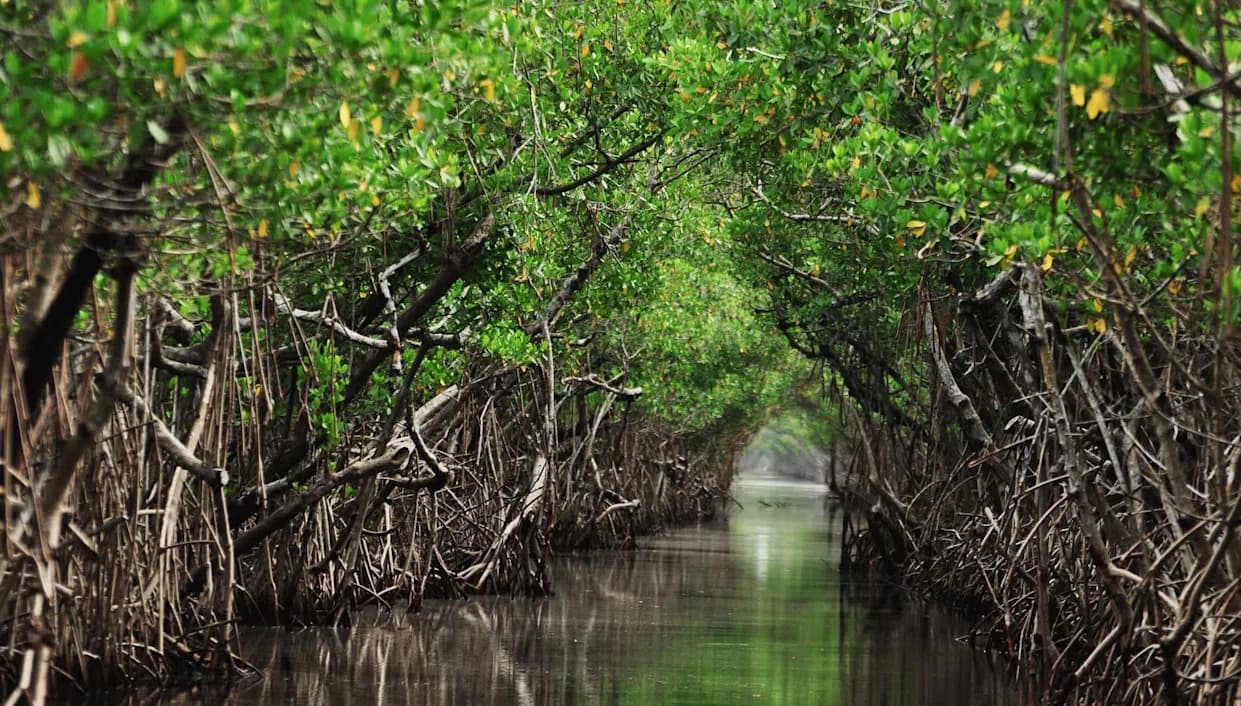
Photo Credit: iStock
Researchers working in a heavily polluted mangrove on Colombia's northern coast report that fiddler crabs not only ingest microplastics but also fragment them into much smaller particles. The study, published in Global Change Biology and led by teams including the University of Exeter, recorded what the authors described as "one of the highest uptakes ever recorded in nature" for microplastics by an animal species.
How the Study Was Done
Scientists experimentally applied brightly colored polyethylene microspheres to sections of mangrove sediment and then sampled both the soil and the resident fiddler crabs. Chemical and microscopic analyses showed that individual crabs contained, on average, about 16 times more microplastic material than the surrounding sediment, indicating active siphoning of particles from the mud.
What the Crabs Do to Plastics
Beyond ingestion, the crabs' digestive systems physically broke down the microspheres into much smaller fragments — nanoplastics — accelerating fragmentation beyond what light and abrasion alone would produce. While fragmentation may alter the environmental fate of plastics, the resulting nanoplastics remained in crab tissues.
"We know that fiddler crabs eat a wide range of food and will ingest plastic in laboratory settings," said Tamara Galloway, Professor of Ecotoxicology at the University of Exeter. "But until now, we did not know whether they avoided plastic in the natural environment or would adapt to its presence."
Implications And Caveats
Although this behavior demonstrates an unexpected biological pathway for plastic fragmentation, it is not a solution to plastic pollution. Nanoplastics retained in crab tissues have the potential to move up the food chain, posing ecological and possibly human-health risks. The work expands our understanding of plastic fate in coastal systems by showing that living organisms can be active agents of fragmentation, not merely passive recipients of pollution.
"Living creatures are not just passive components of the marine ecosystem but may be finding ways to cope with chronic anthropogenic pressures," said Daniela Díaz of the Universidad de Antioquia. "The results could lead to a better understanding of how animals adapt to pollution and the fate of plastics in the environment."
Further research is needed to track how nanoplastics move through food webs, whether they bioaccumulate or biomagnify, and what health effects they might have on predators — including humans — who consume organisms from contaminated habitats.
Help us improve.