Two Palestinian returnees, Rotana al-Raqab, 31, and her mother Huda, 56, say their passage through the partially reopened Rafah crossing involved long delays, intrusive body searches, lengthy interrogations and the confiscation of items for children. Egyptian officials reported that about 50 travellers reached the Palestinian side but 38 were sent back and only 12 were allowed in after intensive screening. Palestinian authorities say just over 120 people crossed in the opening days while tens of thousands, including 18,500+ patients needing specialized care, remain on waiting lists. Humanitarian groups and the ICSPR condemned the procedures as restrictive and demeaning.
Return Through Rafah Turns Into Humiliation: Two Palestinian Women Describe Searches, Interrogations and Confiscations
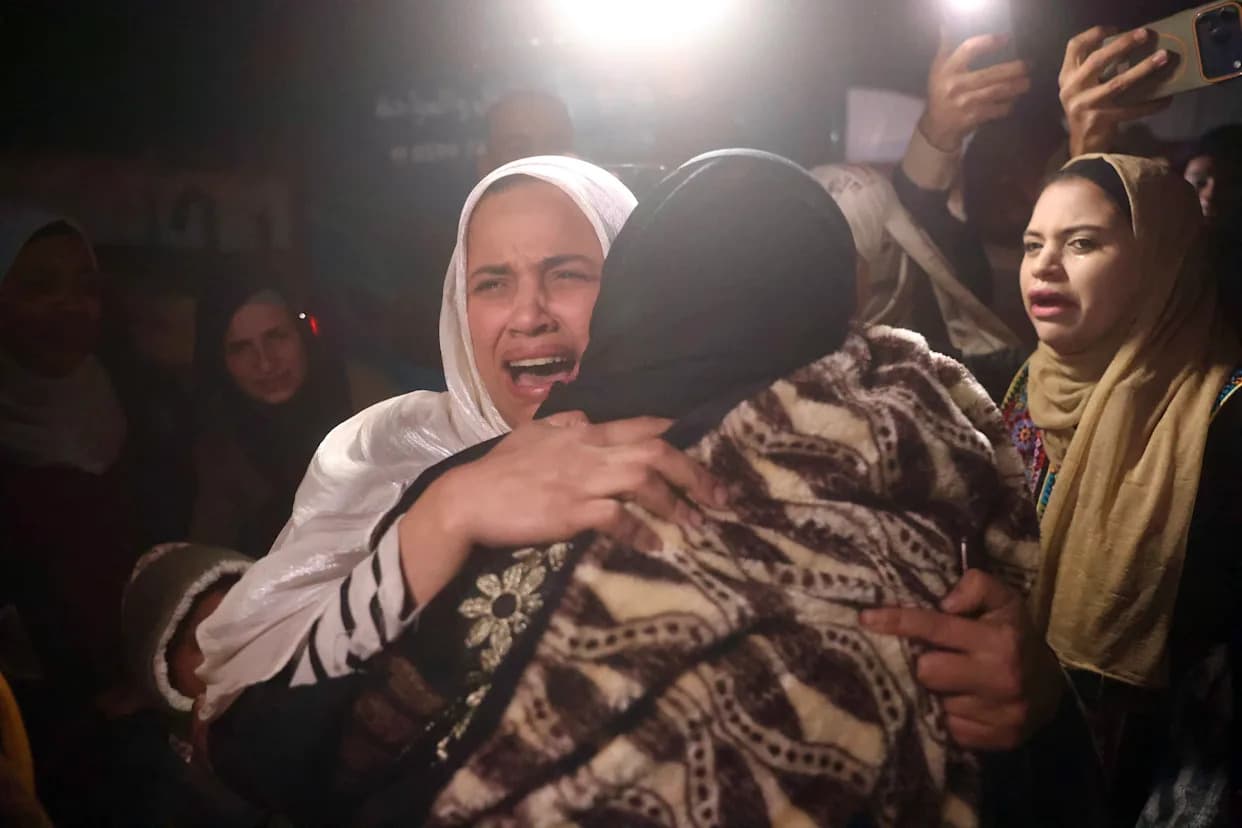
Palestinian women, coming from the Rafah crossing with Egypt, hug as they arrive at Nasser Hospital in Khan Younis in the southern Gaza Strip on February 4, 2026. [Bashar Taleb/AFP]
Khan Younis, Gaza Strip — What began as hope for a long-awaited reunion at the Rafah crossing became, for Rotana al-Raqab and her mother Huda Abu Abed, a day of lengthy waits, intrusive searches, degrading interrogations and the confiscation of belongings intended for children.
From Egypt to Rafah
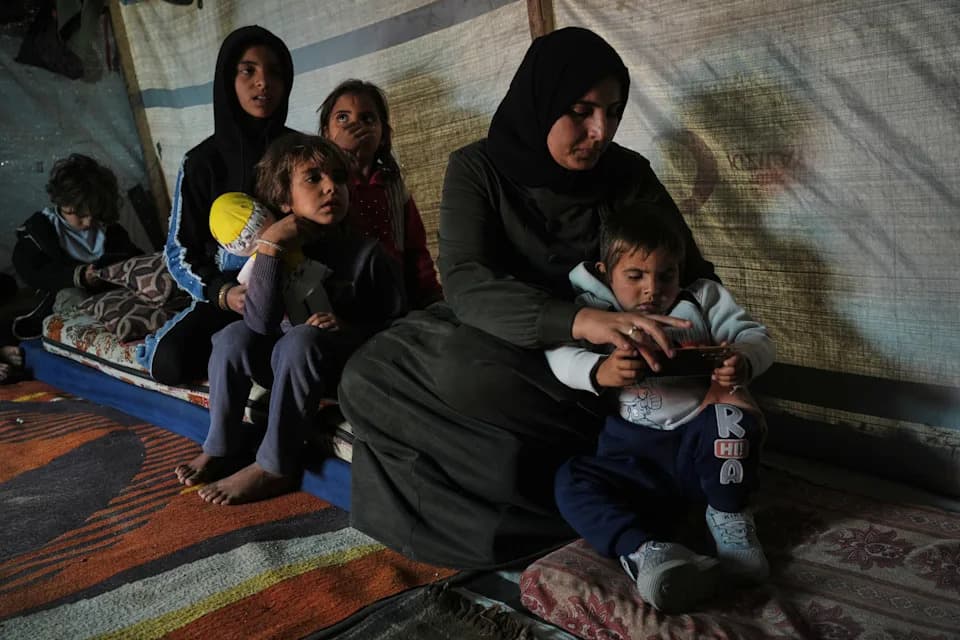
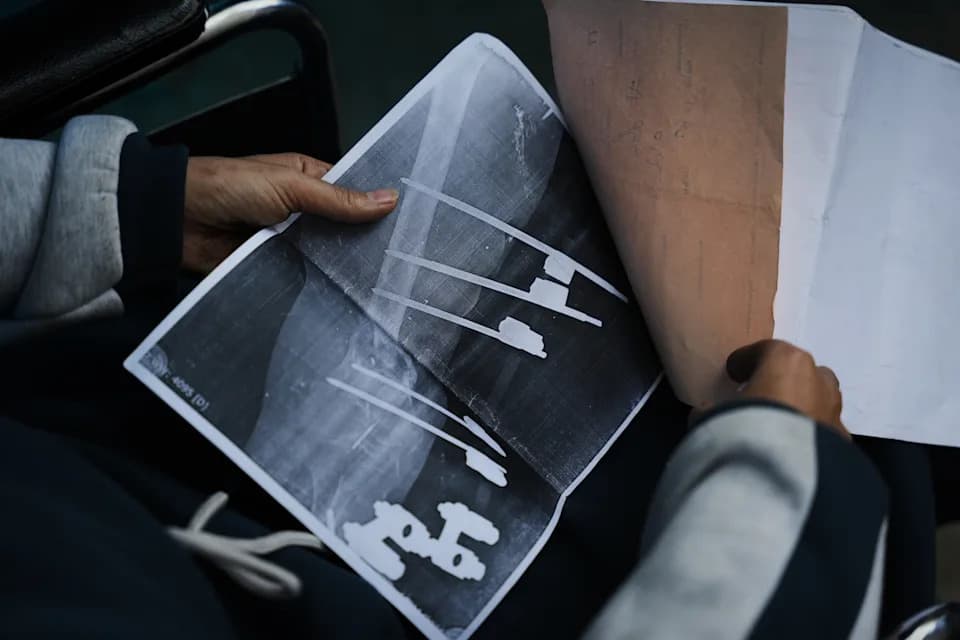
Rotana, 31, left Gaza in March with her 56-year-old mother for urgent medical treatment after being told she needed major heart surgery. They left Rotana’s children in the care of relatives displaced in the al-Mawasi area of Khan Younis and spent months stranded in Egypt while anxiously awaiting permission to return.
“All that time, I was on edge, waiting for the crossing to open so that I could return to my children,” Rotana told Al Jazeera. “My husband was injured in an Israeli strike, and I was nearly going mad with fear and worry.”
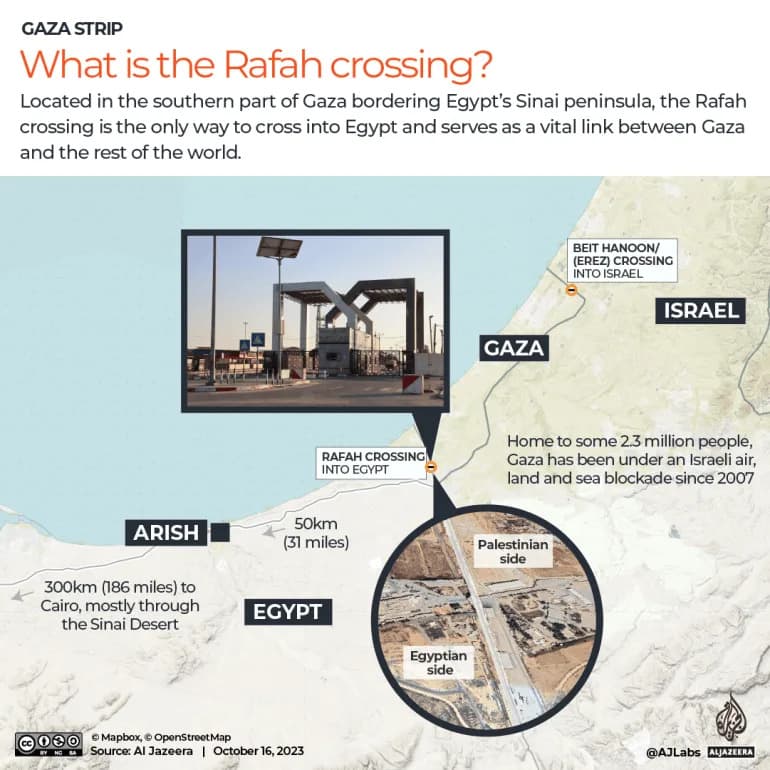
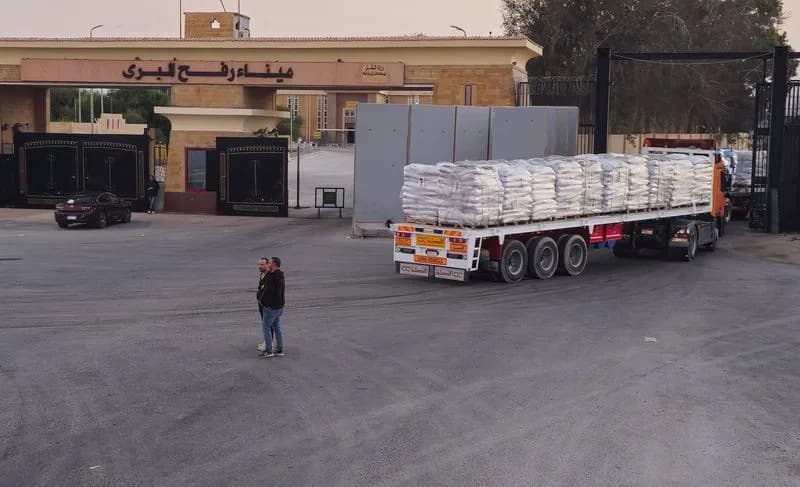
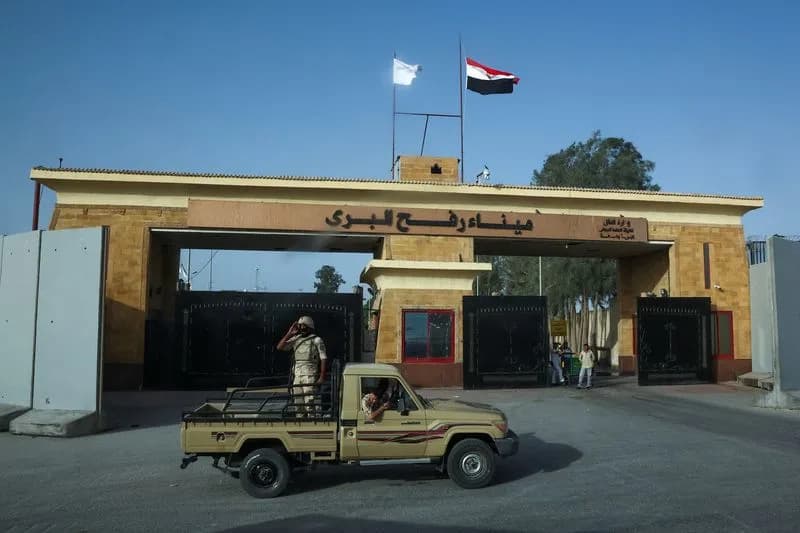
The pair were notified by the Palestinian embassy in Cairo that their names were on the first list of returnees the day before Rafah partially reopened as part of a ceasefire arrangement. Rafah is the only Gaza border crossing that does not run through Israeli territory, but it has largely been under Israeli control and mostly closed since May 2024.
Long Delays and Selective Passage
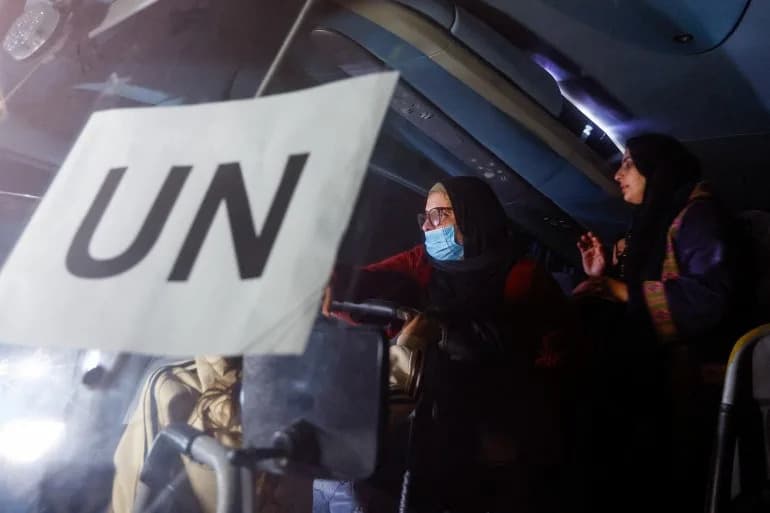
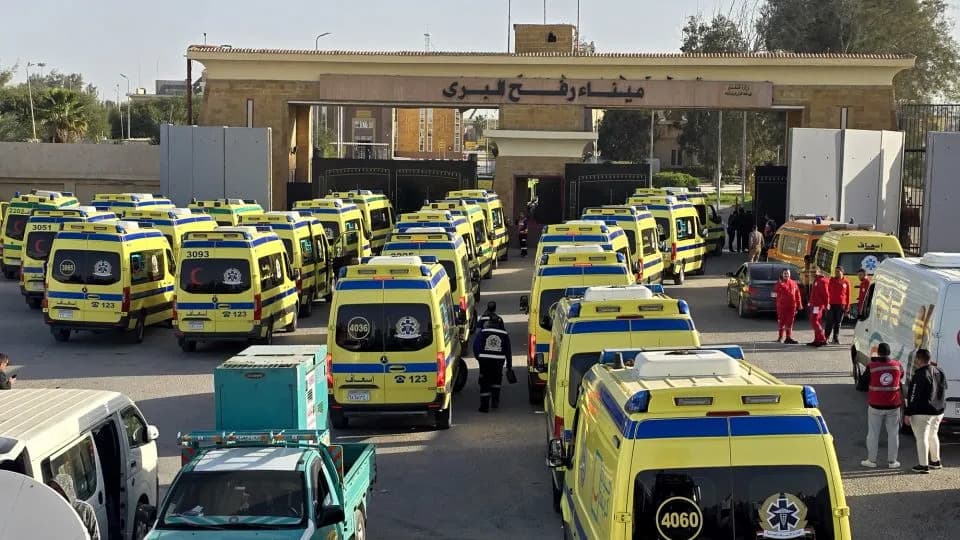
Rotana and Huda were among about 50 people who completed Egyptian exit procedures and waited for hours for the Palestinian side of the crossing to open. Multiple eyewitness accounts and Egyptian officials reported that roughly 50 travellers arrived at the Palestinian-side gates, but Israeli authorities returned 38 and allowed only 12 to enter after extended searches, detentions and interrogations.
Palestinian authorities said just over 120 people crossed in the first days of the reopening, most returning to Gaza, while tens of thousands, including more than 18,500 patients needing specialized care unavailable inside Gaza, remain on waiting lists. Israeli officials say restrictions are required for security screening.
Searches, Interrogations and Intimidation
After being allowed to cross to the Palestinian-side zone overseen by the European Union Border Assistance Mission (EUBAM Rafah), Rotana and other returnees were placed in a vehicle escorted by Israeli army cars and taken to an open area. There they underwent full-body searches performed by a female searcher accompanied by two men who identified themselves as counterterrorism personnel.
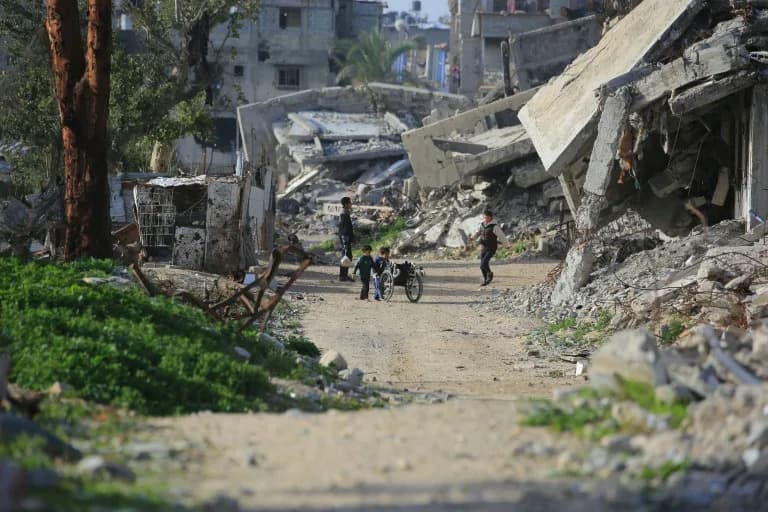
Rotana said the men used insulting language and tried to provoke the group. She described a three-hour interrogation by an Israeli military officer that she said included degrading questions and taunts about returning to Gaza amid destruction and shortages of water and electricity.
Huda said she was blindfolded and had her hands bound before a roughly two-hour interrogation. She recounted being told to inform her family to prepare for a forced relocation — a claim that echoes public threats by some Israeli politicians but which the Israeli government does not formally endorse.
Confiscated Belongings and Family Reunions
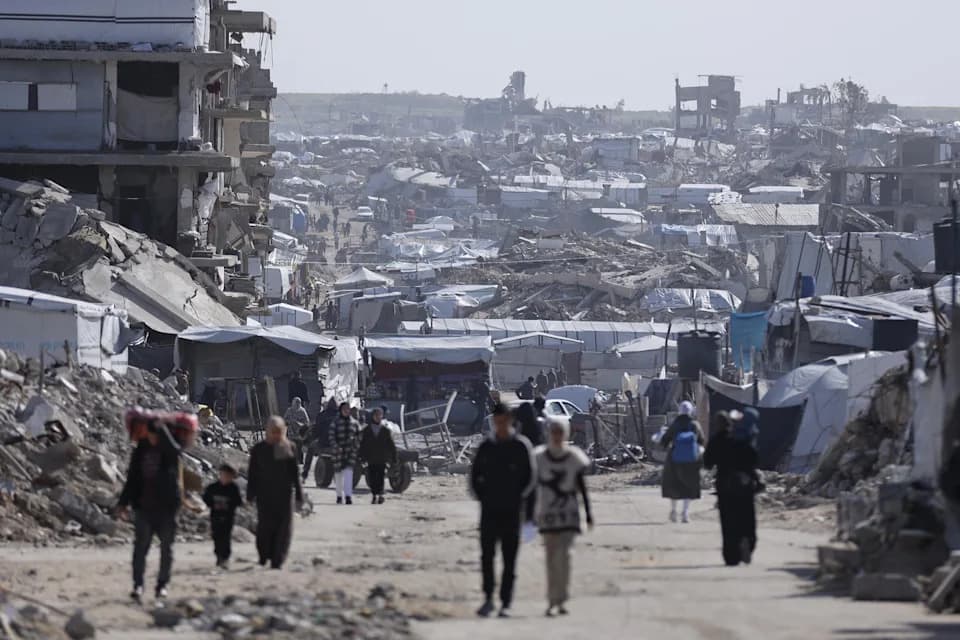
When the women were finally permitted to continue, they discovered that most of the items they had packed for the children — toys, headphones and even some food — had been confiscated. Rotana said she had hoped to bring sweets to celebrate a reunion after months of separation.
Despite the humiliations, the mother and daughter reached Gaza late Monday night and were reunited with relatives at the Nasser Medical Complex in Khan Younis. Rotana said she returned before completing her medical treatment because the separation had been unbearable for her children.
Responses From Organizations
The International Commission to Support Palestinian People’s Rights (ICSPR) condemned the restrictions and described the crossing’s procedures as turning travel into a "symbolic" process, arguing that pre-approved security clearances, strict quotas and complex procedures have made Rafah "a tool of control rather than a humanitarian passage." The ICSPR also cited reports of humiliating searches, handcuffing, confiscations and threats at the crossing.
Officials on all sides frame the situation differently: Palestinian authorities and humanitarian groups emphasize the urgent humanitarian need and long waiting lists, while Israeli authorities stress security reviews and screening processes.
“What happened to us was an attempt to discourage us from returning to our land. But where would we go? This is our home, no matter what,” Rotana said after arriving back in Gaza.
Help us improve.