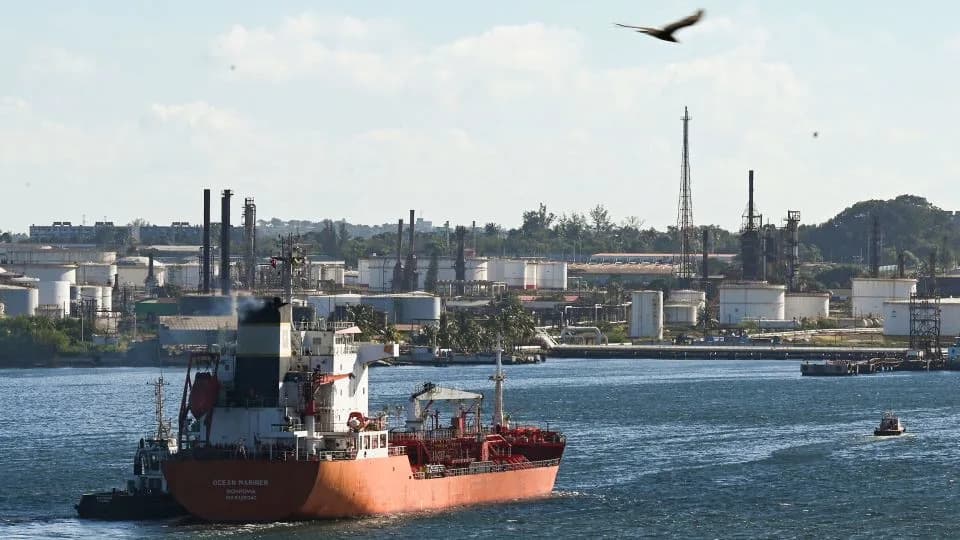
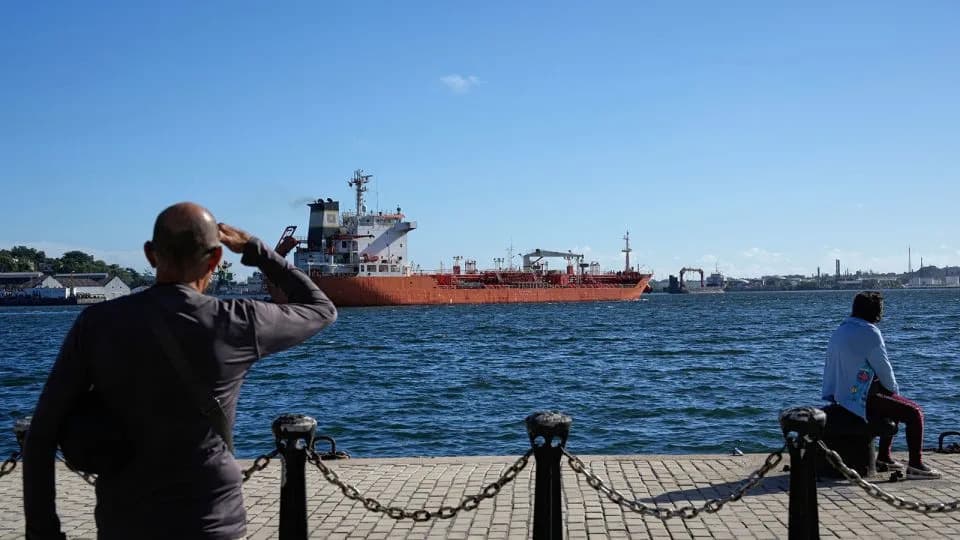
The UN Secretary‑General warned that Cuba risks a humanitarian "collapse" if its energy needs are not met after recent US moves to block oil shipments and threaten tariffs on countries that assist. Cuba is facing severe fuel shortages, causing long blackouts in Havana and driving up food and transport costs. Mexico has pledged humanitarian aid and is seeking a deal with the US to continue crude deliveries; data cited by Kpler suggest Cuba may have only 15–20 days of oil at current consumption levels.
UN Warns Of Humanitarian 'Collapse' In Cuba After Moves To Block Oil Supplies
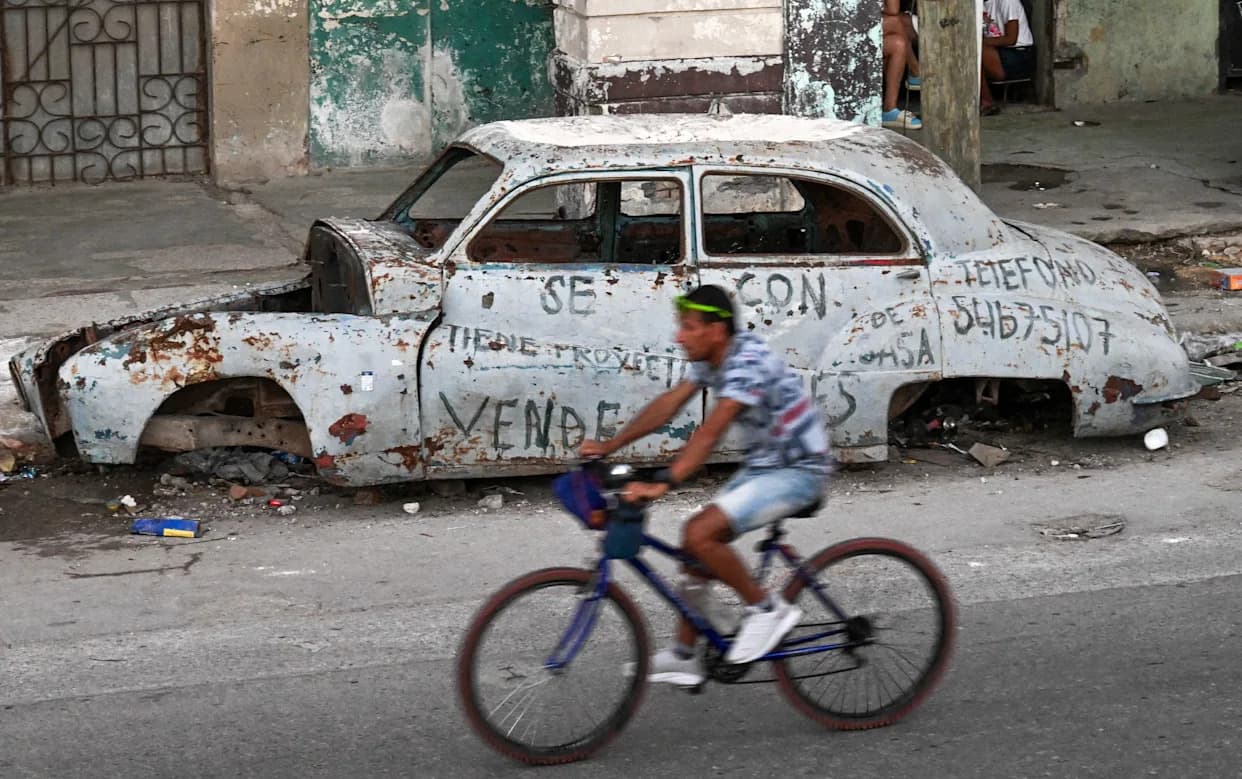
A man rides past an abandoned car in Havana, on February 4, 2026 [Yamil Lage/AFP]
United Nations Secretary‑General António Guterres warned that Cuba could face a humanitarian “collapse” if the island’s energy needs are not met after recent moves by the United States to block oil shipments and threaten tariffs on countries that assist.
Stephane Dujarric, a spokesman for the secretary‑general, told reporters in New York that Guterres was “extremely concerned about the humanitarian situation in Cuba” and that the situation would “worsen, if not collapse, if its oil needs go unmet.” Dujarric also noted that for more than three decades the UN General Assembly has consistently called for an end to the US trade embargo on Cuba.
Fuel Shortages and Growing Hardship
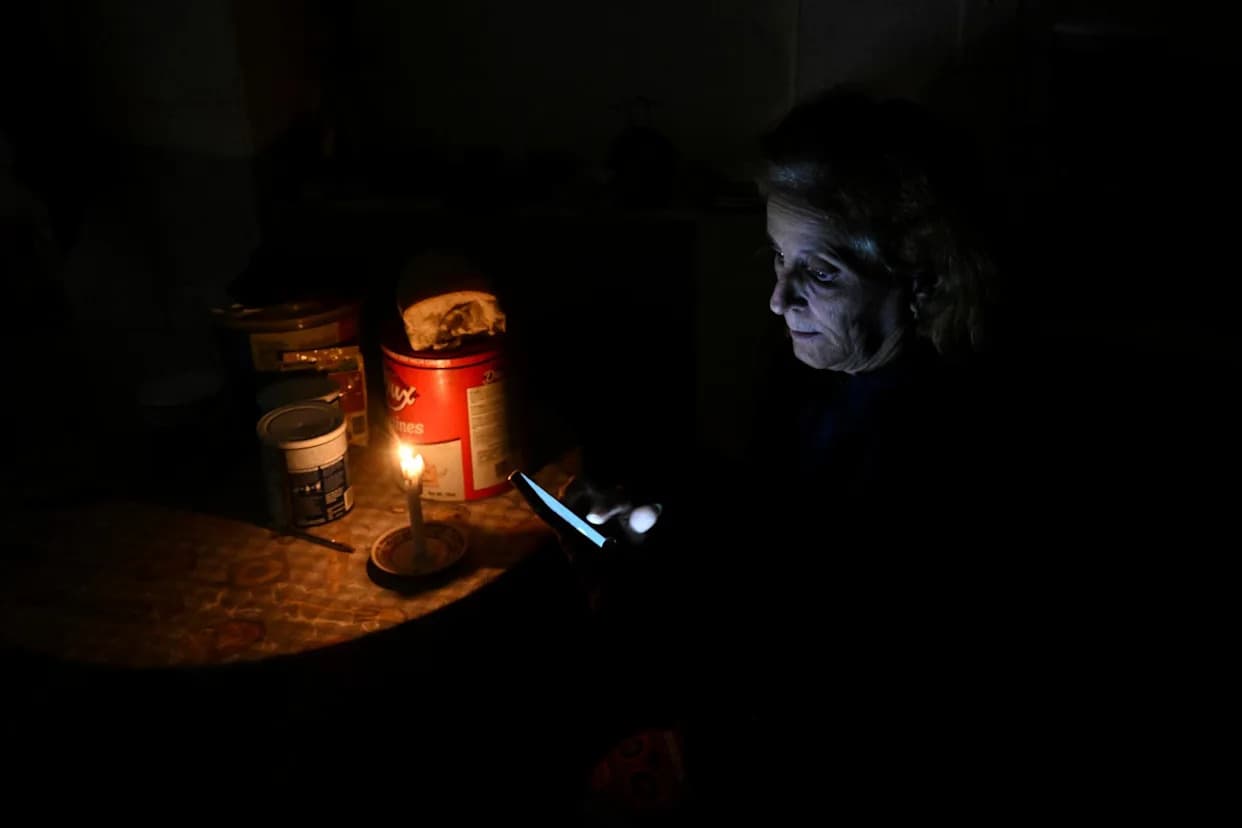
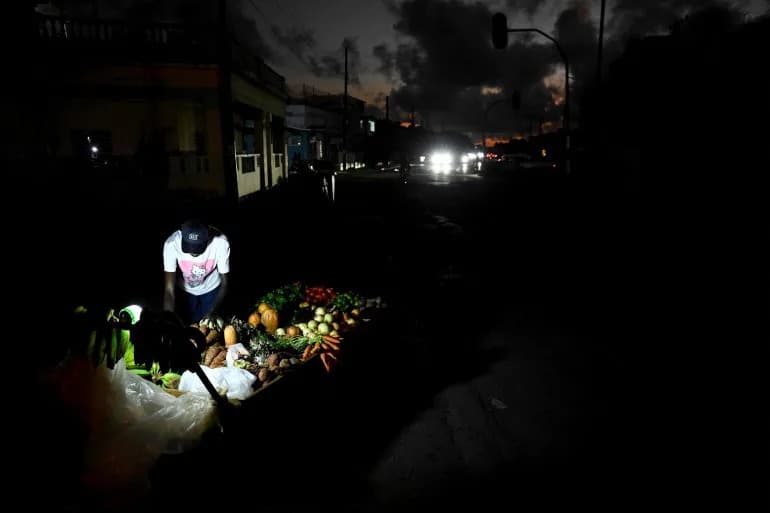
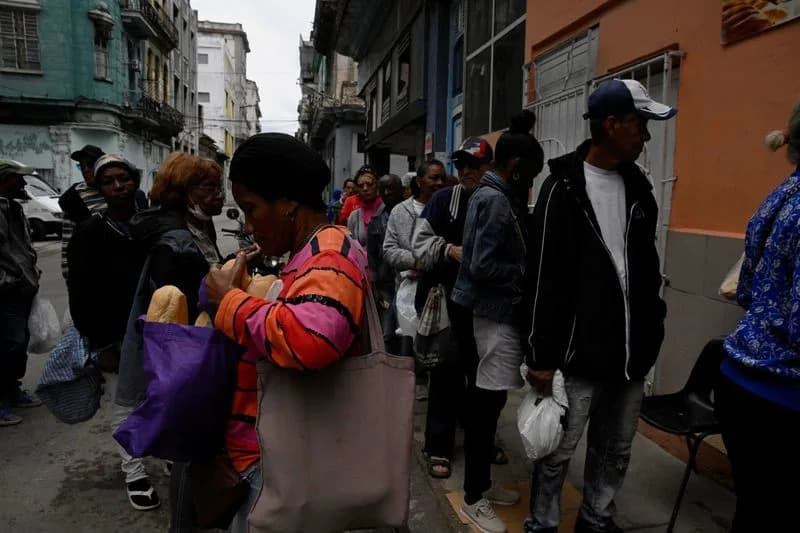
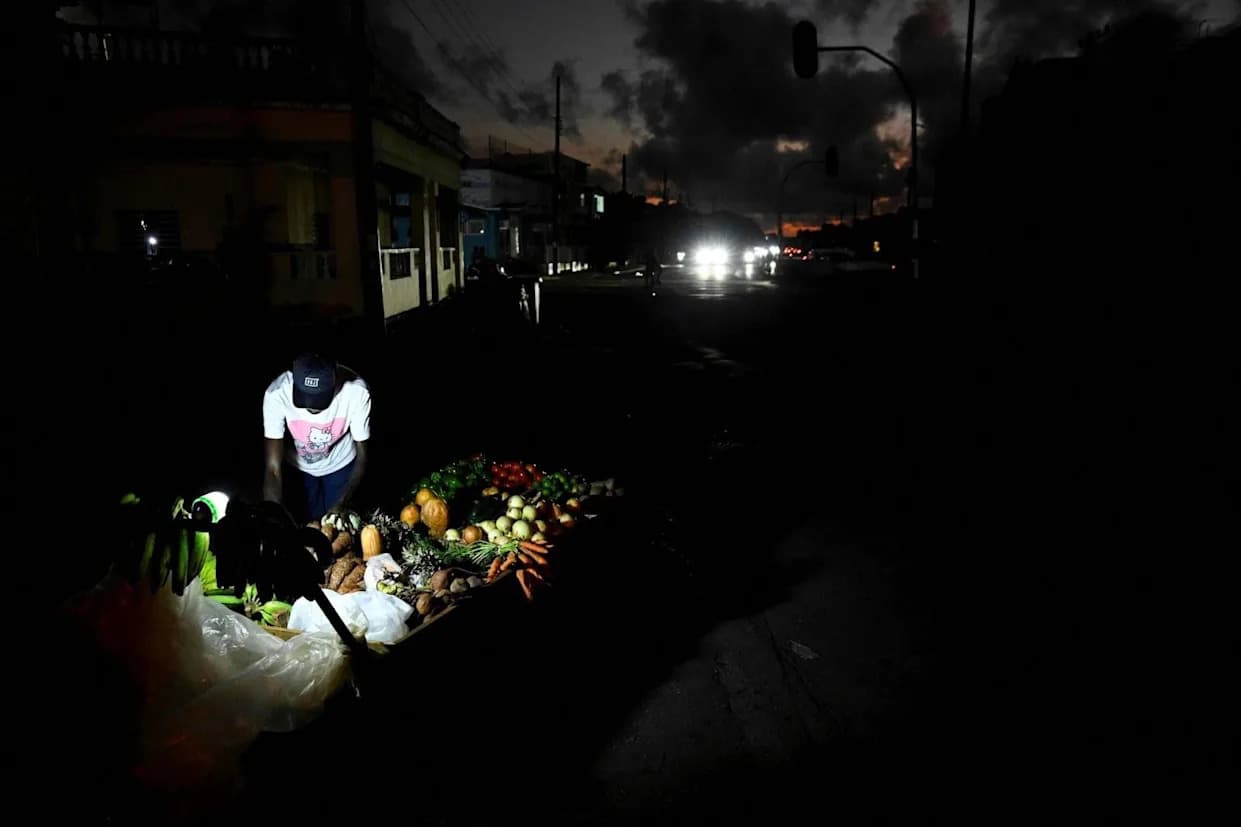
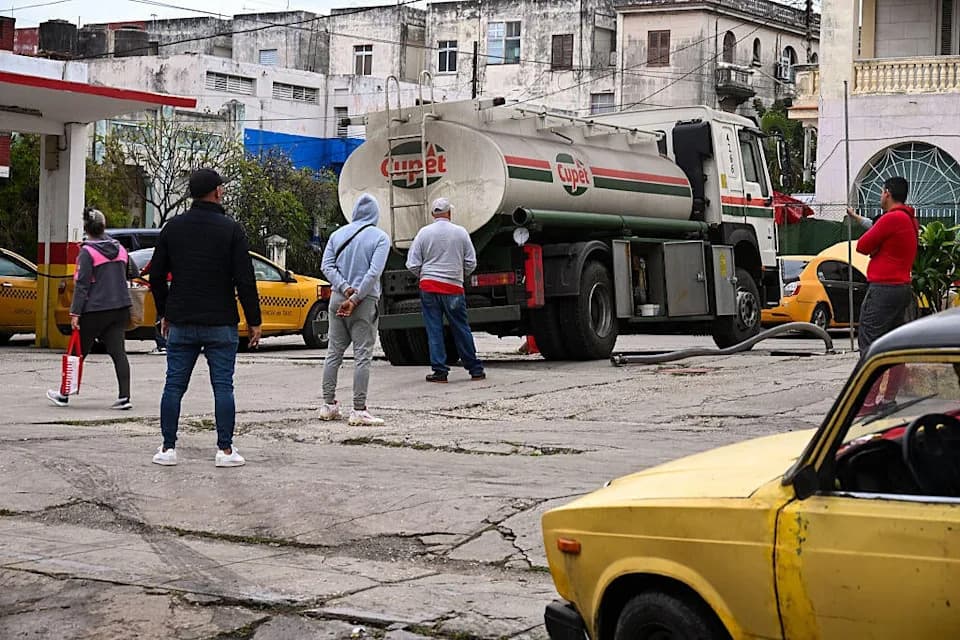
Cuba is experiencing acute fuel shortages that have triggered prolonged power outages — including in Havana — and have driven up prices for food and public transport. The shortages are compounding an ongoing economic crisis and raising alarm among aid agencies and regional governments.
Regional Impact and Supply Sources
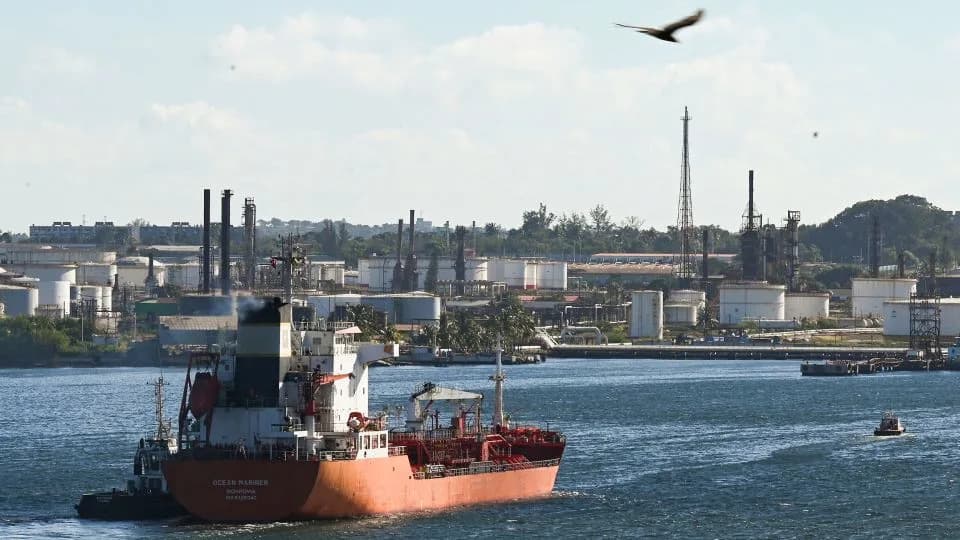
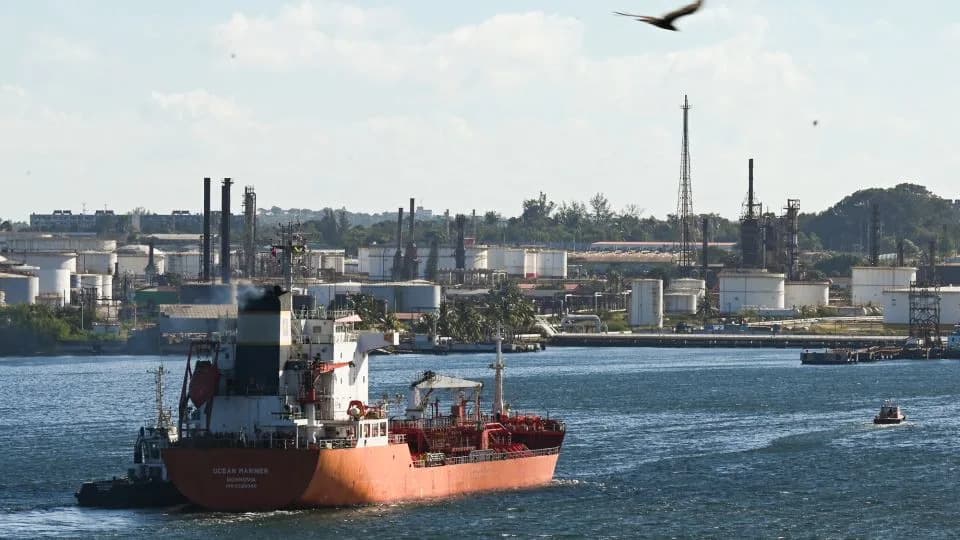
Recent reporting indicates that Mexico supplied roughly 44% of Cuba’s oil imports, while Venezuela provided about 33% until disruptions last month. Smaller shares came from Russia (around 10%) and Algeria. Data from energy analytics firm Kpler, cited by the Financial Times, said on January 30 that, at current consumption rates, Cuba had enough oil for only 15–20 days.
Diplomacy, Aid and Trade Threats
Mexican President Claudia Sheinbaum said her government was using every diplomatic avenue to ensure crude shipments and announced Mexico would send humanitarian aid to Cuba. She also said Mexico was seeking an agreement with the United States to permit continued oil deliveries but added that there was no agreement yet. “We’re looking at the scope” of the threatened tariffs, she told reporters, and “we’re using all diplomatic channels.”
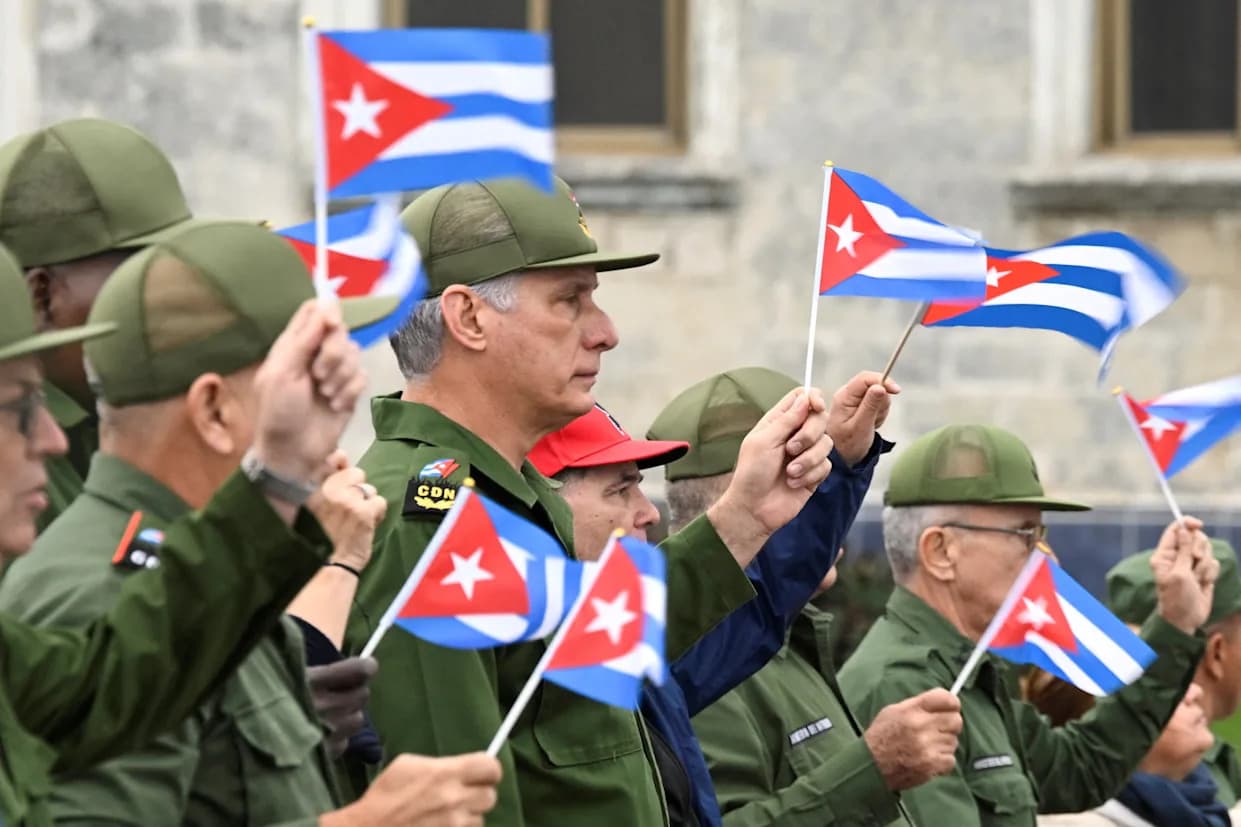
The Cuban government has condemned the moves, declared an international emergency and accused the United States of attempting to suffocate the island’s economy. The US embassy in Havana warned American citizens to prepare for “significant disruption” from power outages and fuel shortages. Cuba’s Deputy Foreign Minister, Carlos Fernández de Cossío, said Havana and Washington have been in communication but that exchanges had not yet evolved into formal dialogue.
Key quote: “The secretary‑general urges all parties to pursue dialogue and respect for international law,” Dujarric said.
As the situation develops, humanitarian organisations and regional governments continue to monitor supply lines and push for diplomatic solutions to prevent widespread hardship across the island.
Help us improve.