One month after a US operation that led to President Nicolás Maduro's capture, Venezuelans remain split between cautious hope and deep uncertainty. Acting President Delcy Rodríguez has reshuffled parts of government and the military, while some economic and diplomatic signals point to reopening. Experts warn a true democratic transition still lacks three essentials: a new effective government, institutional reform, and decentralization of security forces. Calls persist for the unconditional release of political prisoners and clear accountability.
One Month On: Venezuelans Weigh Hope, Fear and an Uncertain Transition After Maduro’s Capture
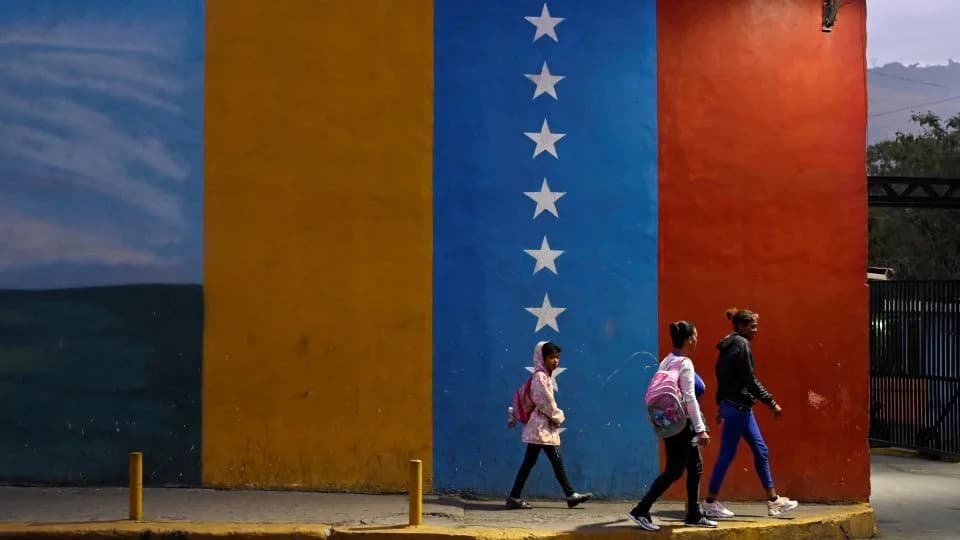
People walk past a mural painted in the colors of the Venezuelan flag in Caracas, Venezuela, on February 2. - Maxwell Briceno/Reuters
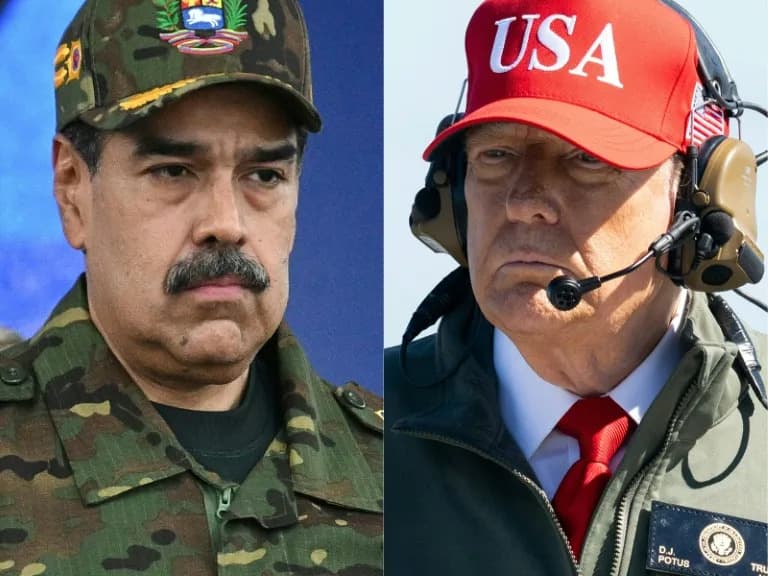
One month after a US operation resulted in the capture of President Nicolás Maduro, Venezuelans remain divided—caught between cautious hope for change and deep uncertainty about what comes next.
Political Shake-Up
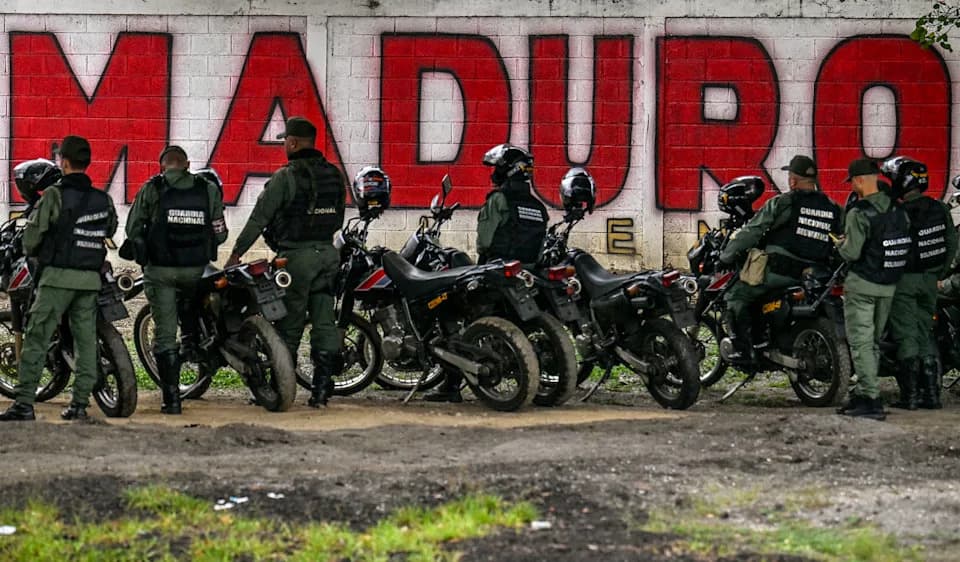
After the Supreme Court characterized Maduro’s capture as a forced absence, then–Vice President Delcy Rodríguez assumed the role of acting president in what officials describe as a new political phase. Rodríguez has announced a series of personnel changes across the cabinet and the Bolivarian National Armed Forces — experts cited by CNN estimate about 28 significant shifts in the military hierarchy.
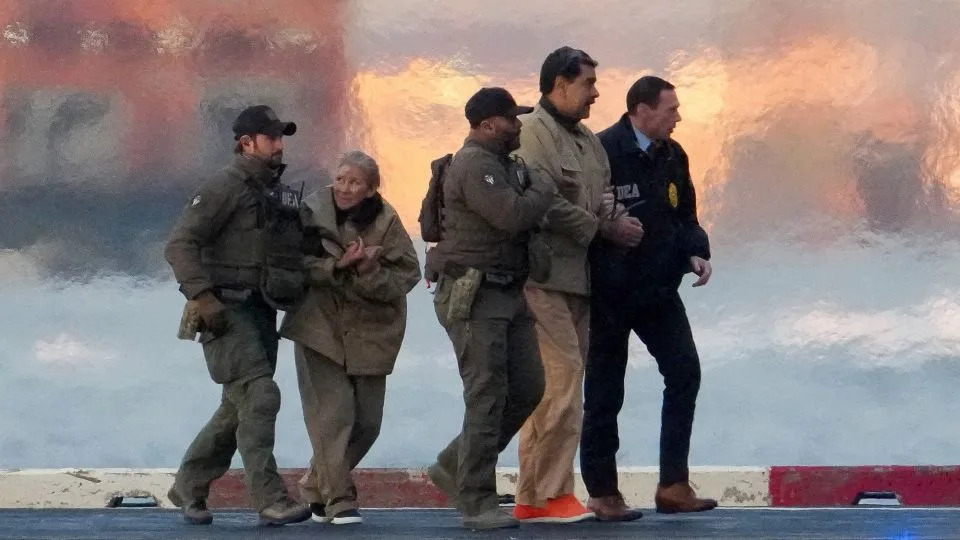
Law enforcement officials move captured Venezuelan President Nicolas Maduro and his wife Cilia Flores out of a helicopter ahead of an initial court appearance to face US federal charges including narco-terrorism in New York City, January 5. - Adam Gray/Reuters
Human Cost and Public Reaction
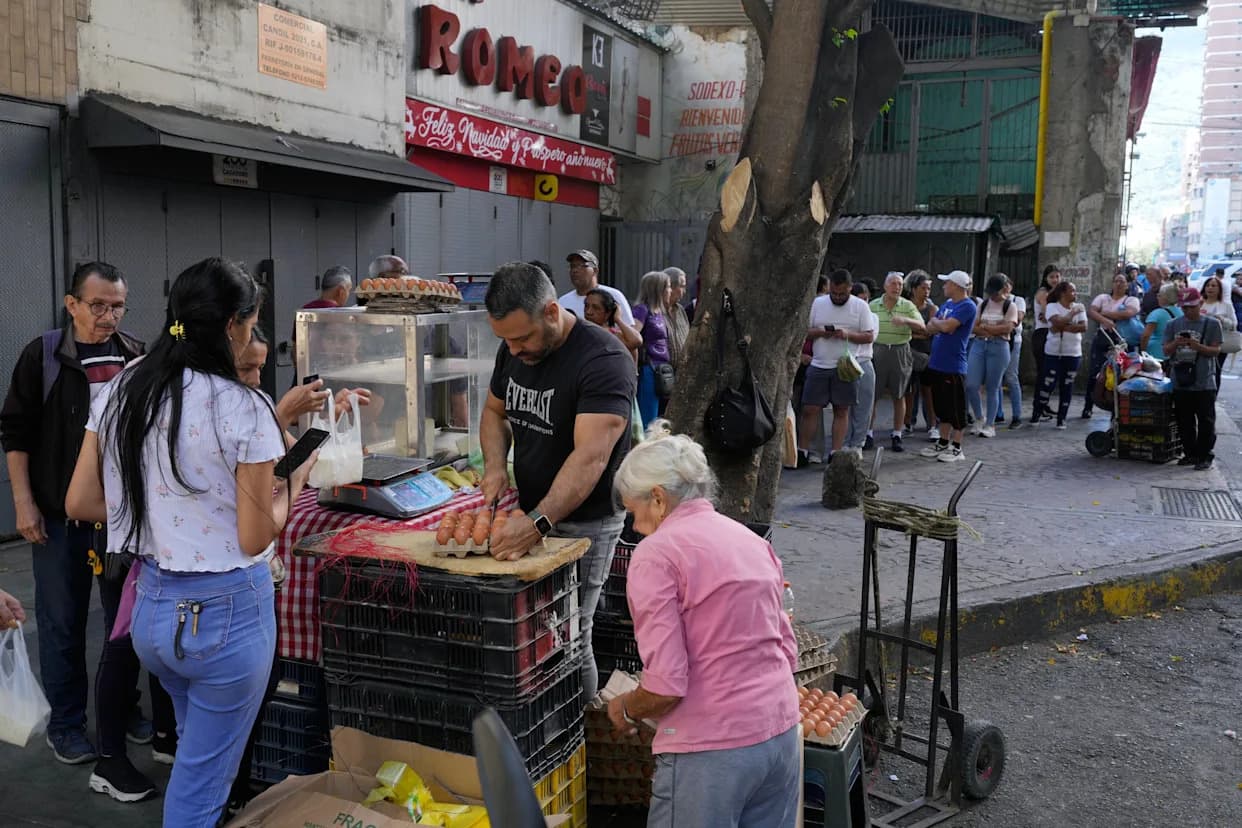
Interior Minister Diosdado Cabello reported at least 100 dead and 100 wounded in the operation. Civilians describe a city still recovering from trauma: a bioanalyst in eastern Caracas who witnessed explosions at a distance said she avoids going out after dark and is sensitive to loud noises. Her reaction reflects a wider anxiety that persists even as political leaders promise change.
‘A real one,’
Economic and Daily-Life Signs
Economic indicators show a mixed picture. Some prices have softened — meat and chicken costs have fallen — while other sectors show recovery: real estate prices have risen by an estimated 22% (Asdrúbal Oliveros), and international airlines, including American Airlines, are beginning to resume service. Nonetheless, Venezuela still faces partial visa restrictions and ongoing deportation concerns under the Trump administration, complicating the picture for migrants and overseas travel.
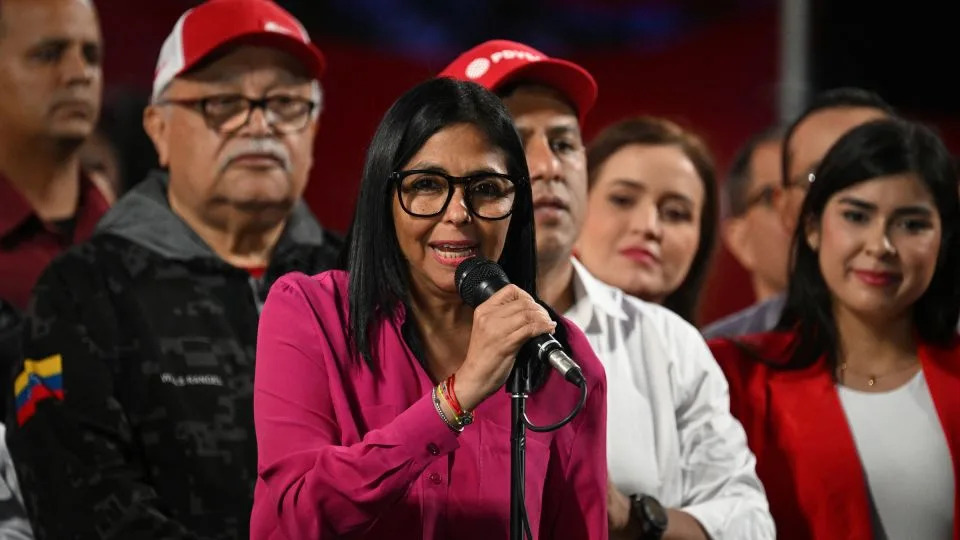
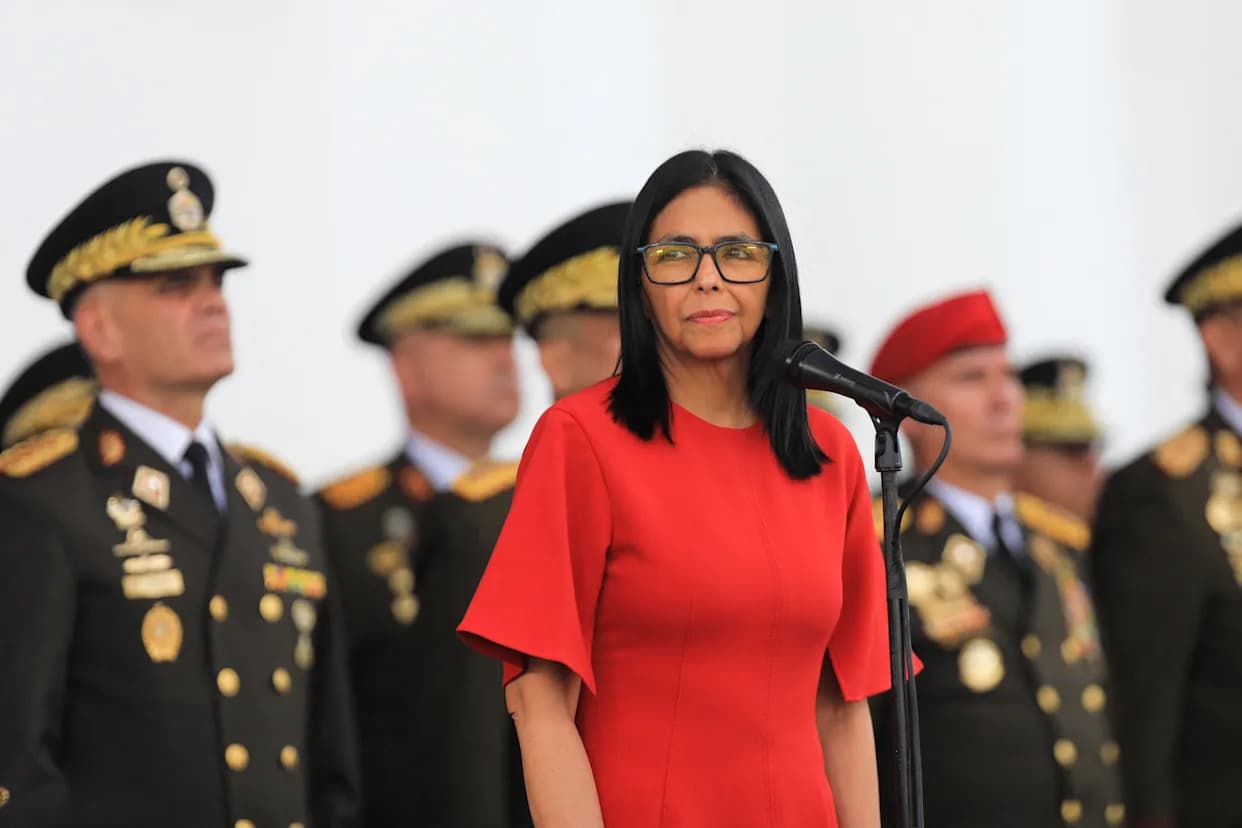
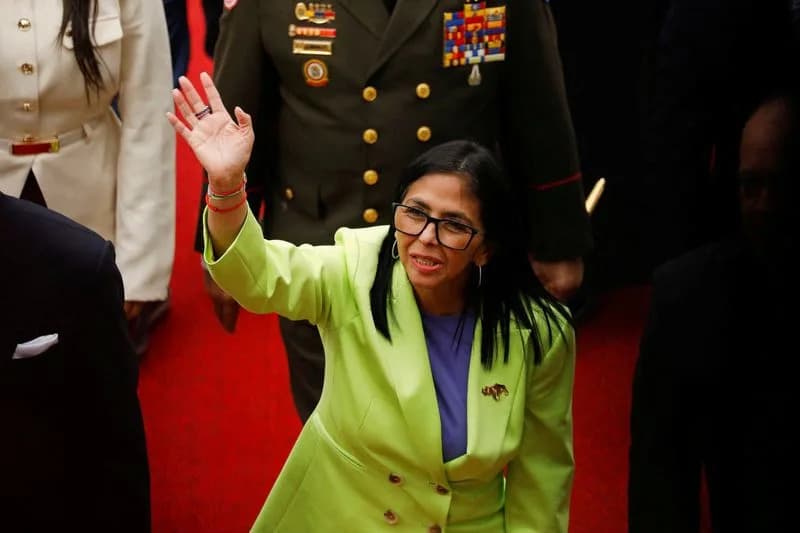
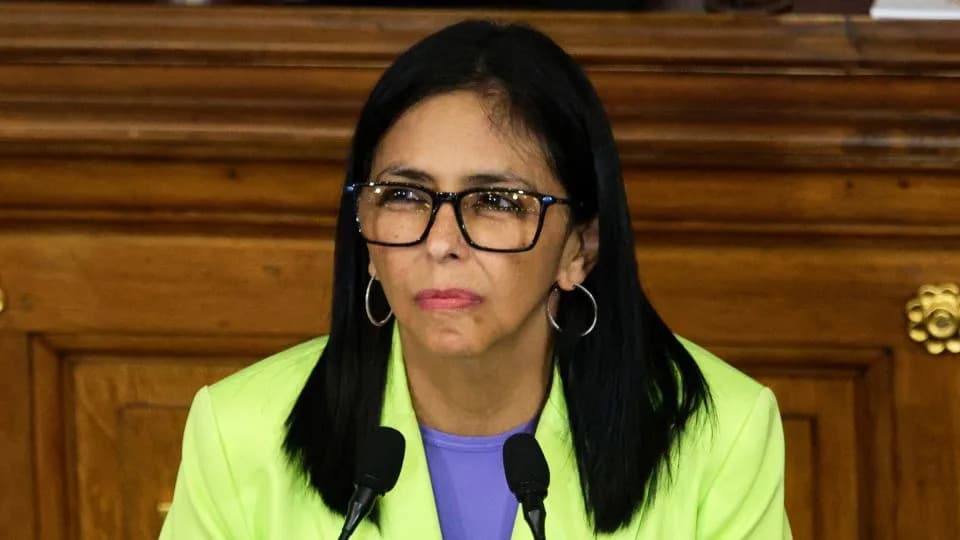
Venezuela's acting President Delcy Rodriguez delivers a speech after the approval of the Reform of the Organic Law on Hydrocarbons in Caracas on January 29. - Federico Parra/AFP/Getty Images
Diplomacy and Security
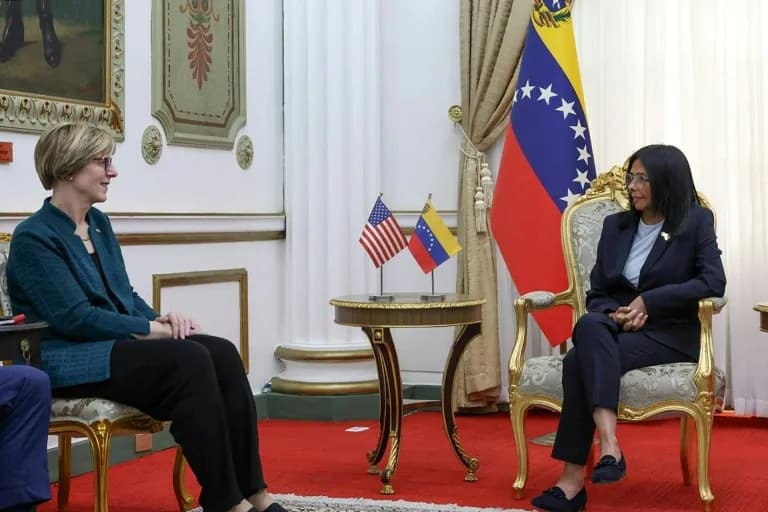
The US Embassy in Caracas reopened with Laura Dogu serving as chargé d’affaires, and Venezuela appointed diplomat Félix Plasencia as its envoy to Washington. Dogu said her meetings with Delcy Rodríguez and National Assembly President Jorge Rodríguez focused on stabilization, economic recovery, and reconciliation and transition — priorities reportedly outlined by Secretary of State Marco Rubio. Venezuelan Foreign Minister Yván Gil called the diplomatic engagement the beginning of a new era of adherence to international law.
Releases, Accountability and the Opposition
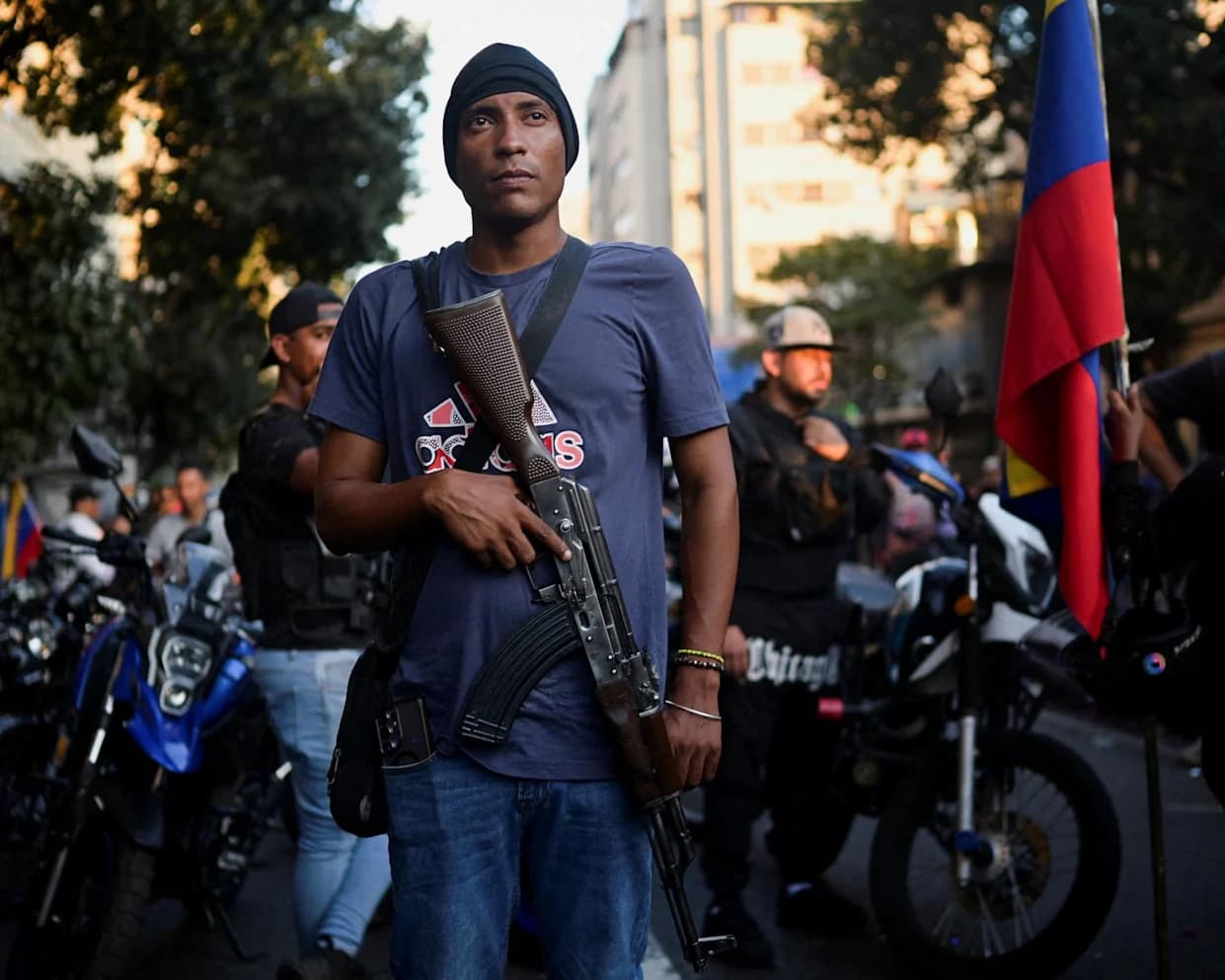
The government says it has released more than 800 political prisoners, but experts and student groups demand documentation and unconditional freedom for those released. Some opposition figures, such as Andrés Velásquez and Delsa Solórzano, have emerged from hiding, while others remain cautious. Public sentiment ranges from relief and optimism to skepticism and vigilance.
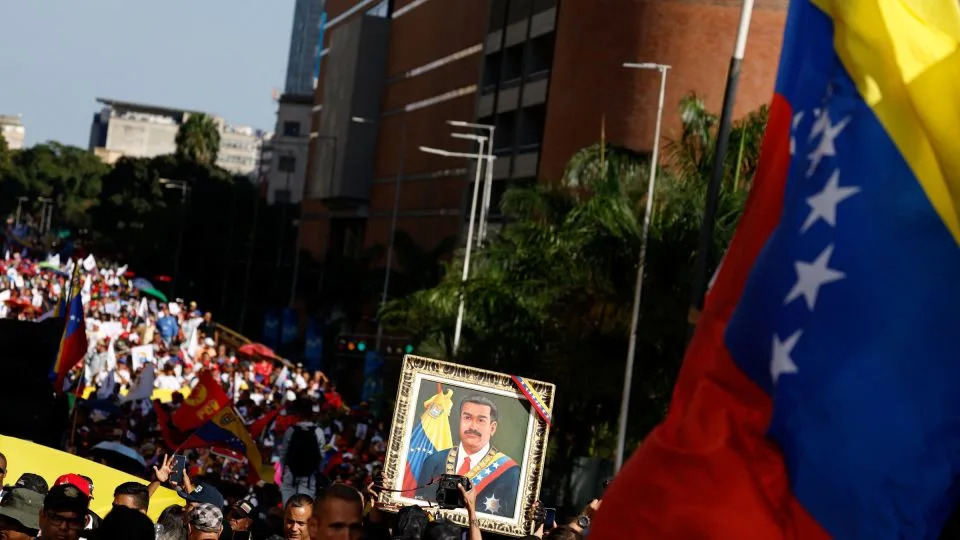
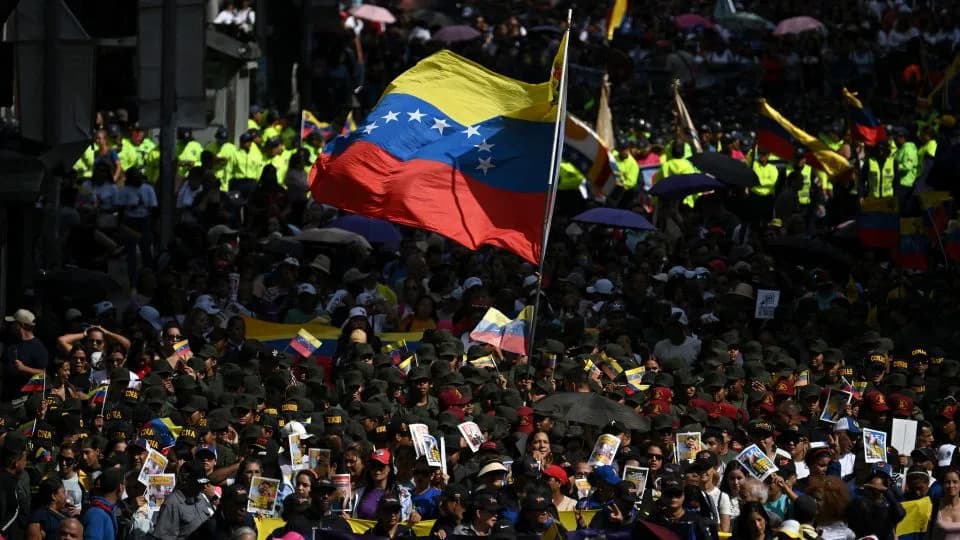
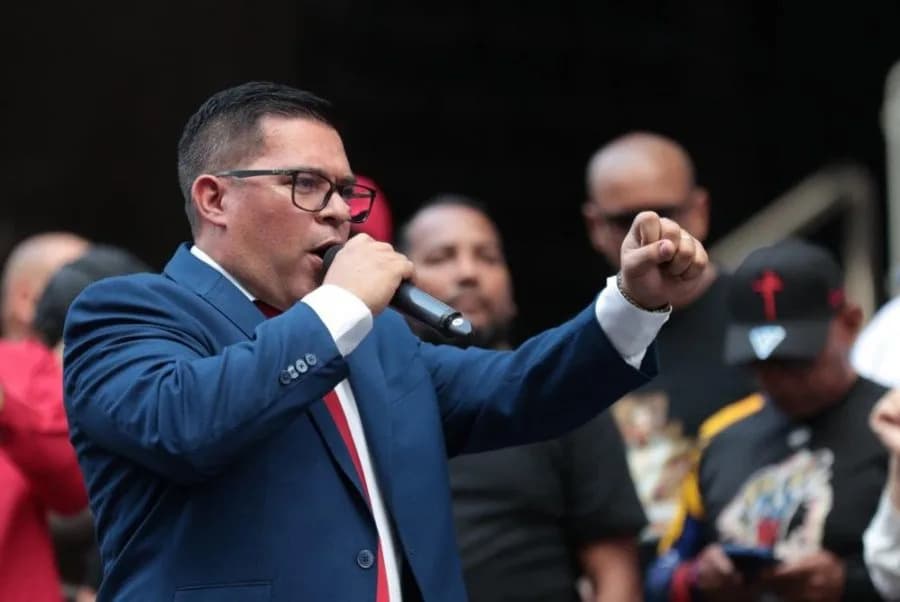
Supporters of Venezuela's government rally to demand the release of ousted President Nicolas Maduro and his wife, Cilia Flores, one month after their capture by US during recent US strikes on the country, in Caracas, Venezuela. - Leonardo Fernandez Viloria/Reuters
What Experts Say
Political analyst Benigno Alarcón argues that a genuine transition has not yet begun. At a Caracas forum on January 29 he described the process as unprecedented, coercive and uncertain, and said three elements remain missing for a true democratic transition: a new, effective government; institutional reform; and decentralization of security forces. He warned that authorities might delay elections if polls are unfavorable and emphasized that international pressure, while helpful, cannot substitute for legitimacy earned at the ballot box.
Juan Carlos Apitz, dean of the Faculty of Legal and Political Sciences at the Central University of Venezuela, echoed concerns about accountability and institutional change. He called for the unconditional release of all political prisoners and questioned how two figures could be recognized as commander-in-chief simultaneously — a dilemma he described as the military paradox of January 28.
Where Things Stand
One month after the operation, Venezuela shows early signs of diplomatic and economic reopening but remains on an uncertain path. Citizens continue to demand transparency, accountability and clear, timely steps toward democratic institutions — above all, credible elections and the unconditional release of detainees. Whether the current moment will become a genuine transition, a prolonged interlude, or a return to prior patterns remains unresolved.
Help us improve.