Tiny plastic pellets called nurdles — the raw material for most plastics — are turning up in beaches and waterways across the U.S., where they are difficult to remove and can absorb toxic chemicals. An estimated 445,970 metric tons enter the oceans yearly, and volunteers recently collected nearly 50,000 pellets in a global 11-day survey. Critics say the industry’s voluntary program lacks enforcement, and advocates are pursuing legislation and lawsuits, including a recent notice of intent to sue Dow and a landmark $50 million settlement against Formosa Plastics.
Tiny Plastic Pellets — “Nurdles” — Are Fouling U.S. Coasts: Communities Push for Laws and Lawsuits
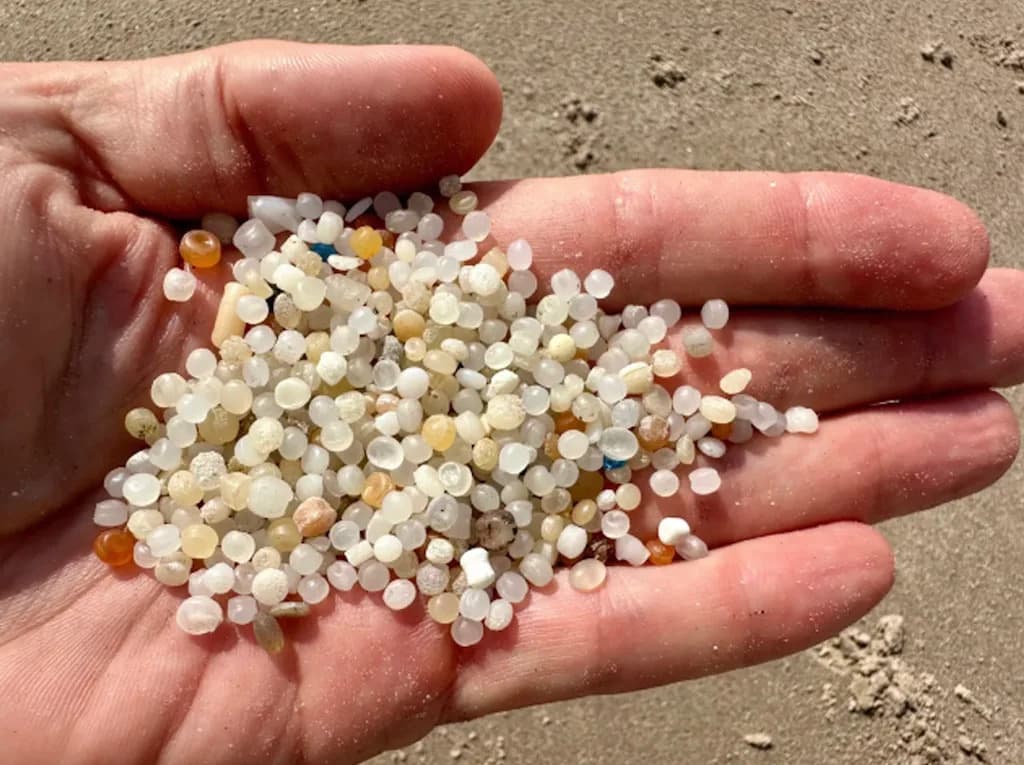
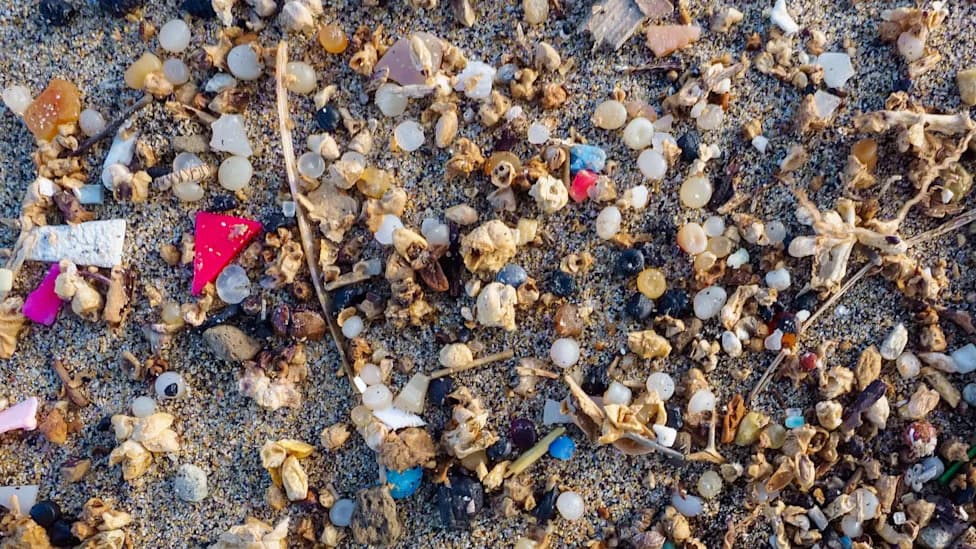
A snapshot of "nurdles" — tiny plastic pellets that are the basic building blocks of nearly all plastic products.
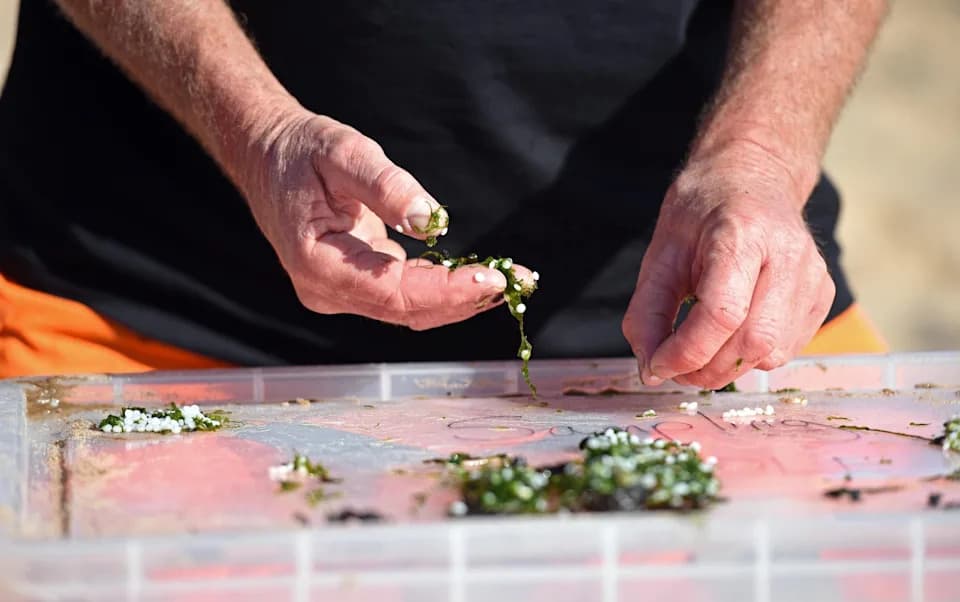
SEADRIFT, Texas — Diane Wilson, a fourth-generation shrimper and fisherwoman, now spends many of her days in an aluminum skiff or one of her kayaks hunting for tiny plastic pellets called nurdles that wash into bays, creeks and onto beaches. At 77, Wilson has shifted from harvesting shrimp and crabs to documenting pollution and leading local campaigns to stop pellet spills.
What Are Nurdles?
Nurdles are plastic resin pellets, typically smaller than 5 millimeters in diameter, that serve as the raw feedstock for most plastic products. Because of their size and uniform shape, they are easy to spill during manufacturing, loading and transport, and once in the environment they are hard to recover.
Why They Matter
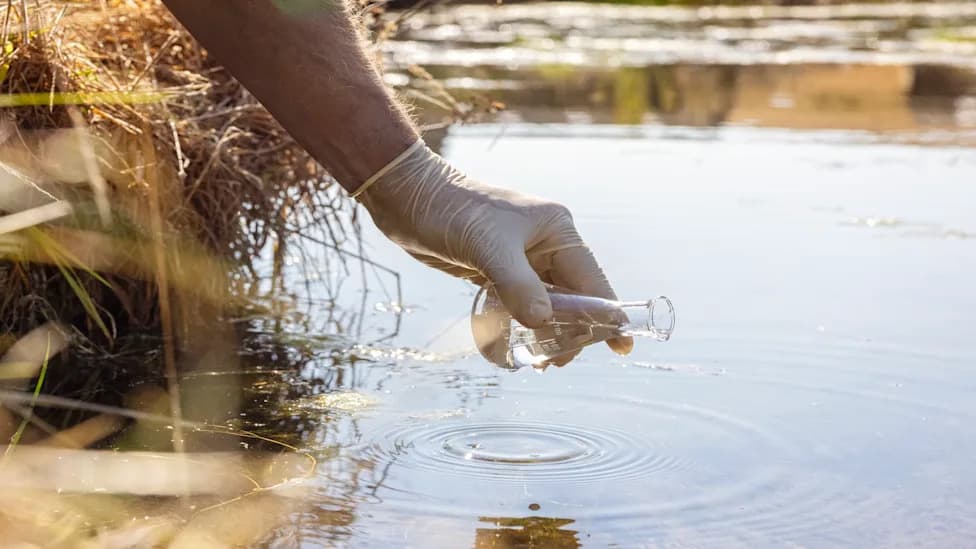
Nurdles are visible microplastics that can concentrate and transport toxic chemicals as they move through aquatic food webs, posing risks to wildlife, fisheries and human health. Researchers estimate roughly 445,970 metric tons of nurdles enter the world’s oceans each year. Laboratory studies and environmental monitoring have raised concerns about links between microplastic exposure and health issues, and scientists estimate adults may ingest the equivalent of one credit card’s worth of microplastics every week.
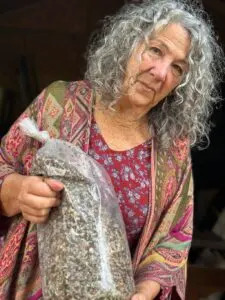
Diane Wilson, executive director of San Antonio Bay Estuarine Waterkeeper, holds a bag of tiny plastic pellets known as “nurdles.” (Photo by David Montgomery/Stateline)
“They’re everywhere. They’re a real threat to human health and the planet, and we’re trying to protect the communities and the fishermen and the bays.” — Diane Wilson, Executive Director, San Antonio Bay Estuarine Waterkeeper
Evidence and Volunteer Surveys
Citizen scientists and volunteers play a major role in documenting pellet pollution. During a coordinated survey this spring, volunteers collected nearly 50,000 nurdles over 11 days from more than 200 sites across 14 countries, 29 U.S. states and Washington, D.C. U.S. coastal sites in Texas reported the highest single-state total with 23,115 pellets; other significant counts included California (4,167), Michigan (3,681), South Carolina (3,094) and Ohio (2,851).
Industry Response and Criticism
The plastics sector created a voluntary stewardship program, Operation Clean Sweep, in 1991 to encourage facilities to adopt spill-prevention practices. The Plastics Industry Association says facilities participating in the program account for more than two-thirds of U.S. plastics production capacity. Critics — including Wilson and many environmental groups — argue the program lacks independent oversight, mandatory reporting and enforceable penalties, allowing repeat spills to continue.
Legal and Policy Efforts
Legal action and state legislation have emerged as key tools to curb pellet pollution. In 2019, Wilson and other plaintiffs won a landmark Clean Water Act suit that resulted in a $50 million settlement against Formosa Plastics for dumping billions of nurdles and other pollutants into Lavaca Bay and nearby waterways; settlement funds were directed to cleanup and restoration projects. In December, Wilson filed a 60-day notice of intent to sue Dow Chemical, alleging unlawful pellet discharges from a plant near Seadrift.
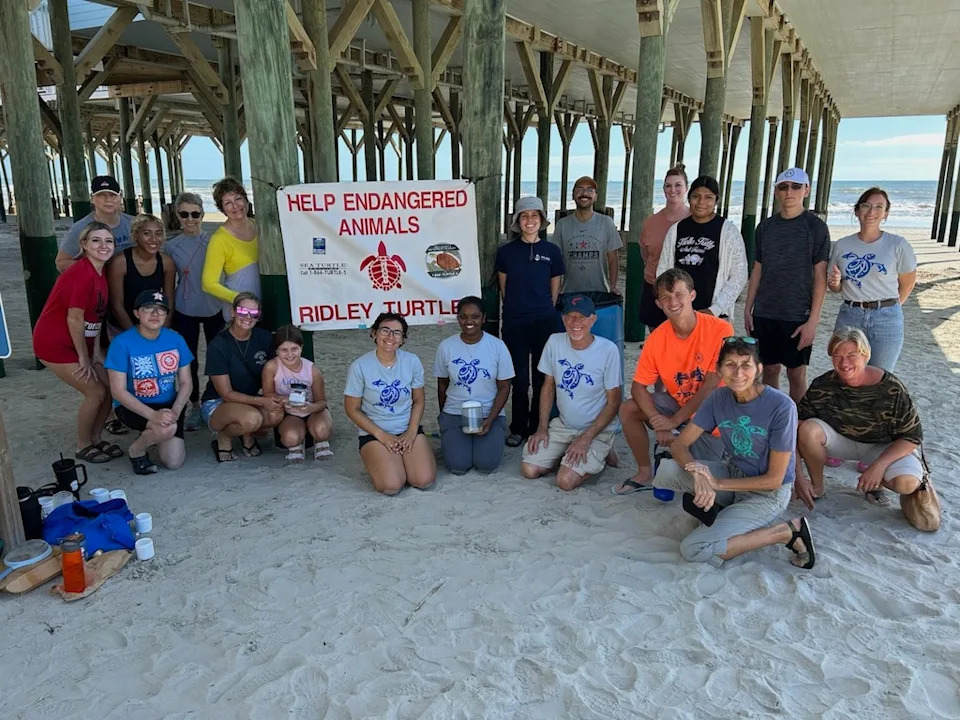
Community members from across the Houston-Galveston region, along with visitors to Galveston, Texas, joined Turtle Island Restoration Network for the statewide Nurdle Patrol. Together, participants collected and removed 1,216 nurdles from Galveston’s seawall beaches on Jan. 11, 2025. (Photo courtesy of Turtle Island Restoration Network)
Policy action is picking up across the country. California adopted a law in 2007 aimed at reducing pellet spills, and in 2025 legislators introduced bills in Illinois, New Jersey and Virginia. In Texas, State Rep. Erin Zwiener proposed legislation that would classify nurdles as non-hazardous industrial waste — requiring record-keeping, containment, water monitoring and monthly spill audits — but the bills stalled in committee. Industry groups warned such measures could be duplicative or burdensome, while local businesses, fishermen and tourism groups have urged state regulators to adopt stricter standards.
Economic Stakes and Local Action
Communities dependent on clean beaches and healthy fisheries say pellet pollution threatens local economies. Texas officials and stakeholder groups emphasized that outdoor recreation supports hundreds of thousands of jobs and billions in economic activity statewide. Municipalities such as Galveston have passed resolutions and organized regular beach patrols; volunteers there have collected more than 17,000 nurdles in five years.
Where Things Go From Here
Momentum for stronger rules, better industry practices and legal accountability appears to be growing, driven by grassroots monitoring, high-profile lawsuits and bipartisan local concern about economic impacts. Whether through mandatory regulations, improved enforcement of voluntary programs, or litigation against repeat polluters, coastal communities and advocates are pressing for concrete steps to stop nurdles from continuing to contaminate waterways and beaches.
Key facts: nurdles are visible, persistent, can absorb toxins, and are entering waterways in large quantities. Addressing the problem will require stronger reporting, monitoring and accountability across industry and government.
Help us improve.