Utah State University researchers matched nearly 1,500 wildfires from 1984–2021 with daily weather and found that days above 80°F strongly predict wildfire occurrence by accelerating fuel drying. The study warns that, if trends continue, some forests could see up to a 60% increase in burned area by 2050 and high-elevation forests may experience a 24% rise in fire frequency over 25 years. Researchers recommend fuel management, prescribed burns, mechanical thinning and investments in firefighting capacity to reduce risk.
USU Study: Hot Days Could Drive Up To 60% More Wildfire Burn Area In Some Utah Forests By 2050
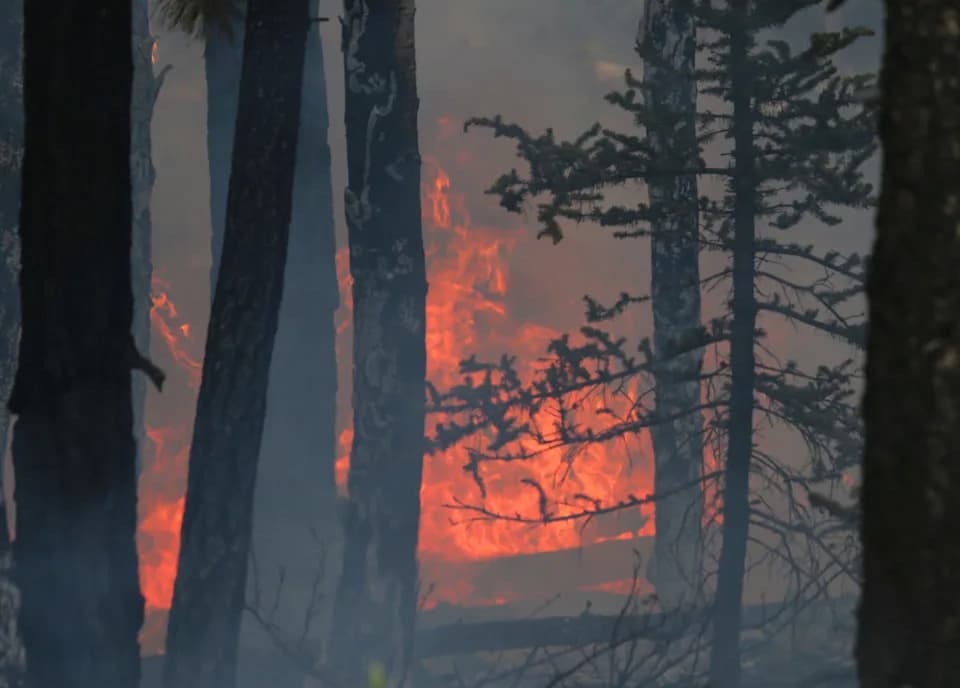
Researchers at Utah State University analyzed every documented Utah wildfire from 1984 through 2021 and matched those events with daily weather records to identify a simple, reliable predictor of wildfire occurrence.
Key Findings
The team found that days with temperatures above 80°F — described as "hot days" — strongly correlate with wildfire starts and faster drying of dead fuels such as logs and brush. By linking nearly 1,500 recorded wildfires to daily weather, researchers concluded that hot days are a primary driver of ignition risk.

"By simplifying it to bare bones, we hope to make patterns easier to track, understand and act on," said Jim Lutz, a researcher at Utah State University.
The study emphasizes that fire ecology is complex and influenced by multiple factors including drought, forest health and snowpack, but notes that a simple temperature-based metric can still offer powerful predictive value.
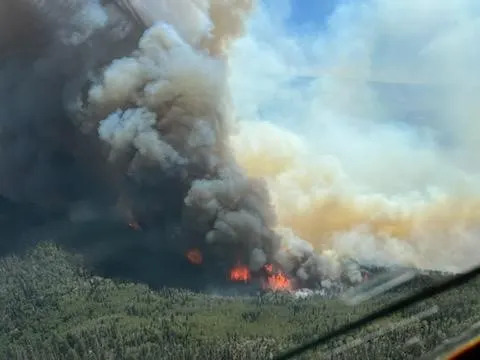
Projected Changes Through Midcentury
Using the observed relationship between hot days and wildfires, researchers project major increases in area burned and fire frequency by 2050 if current trends continue. Some forested areas could experience as much as a 60% rise in burned area by midcentury. High-elevation forests are projected to see about a 24% increase in fire frequency over the next 25 years.
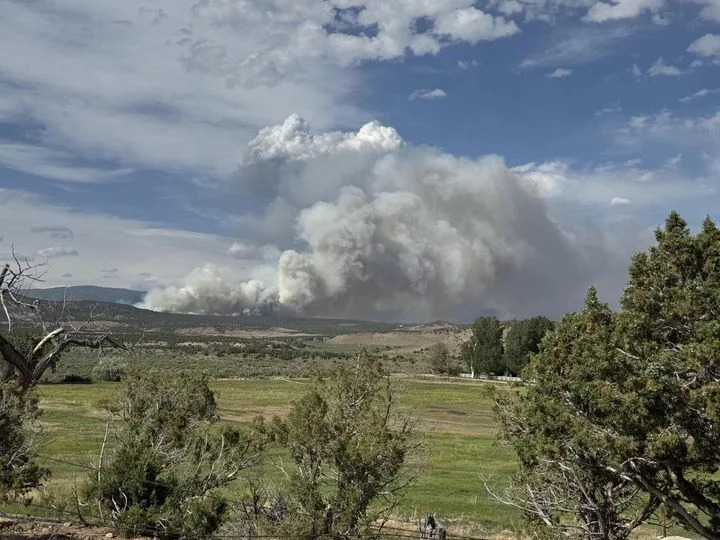
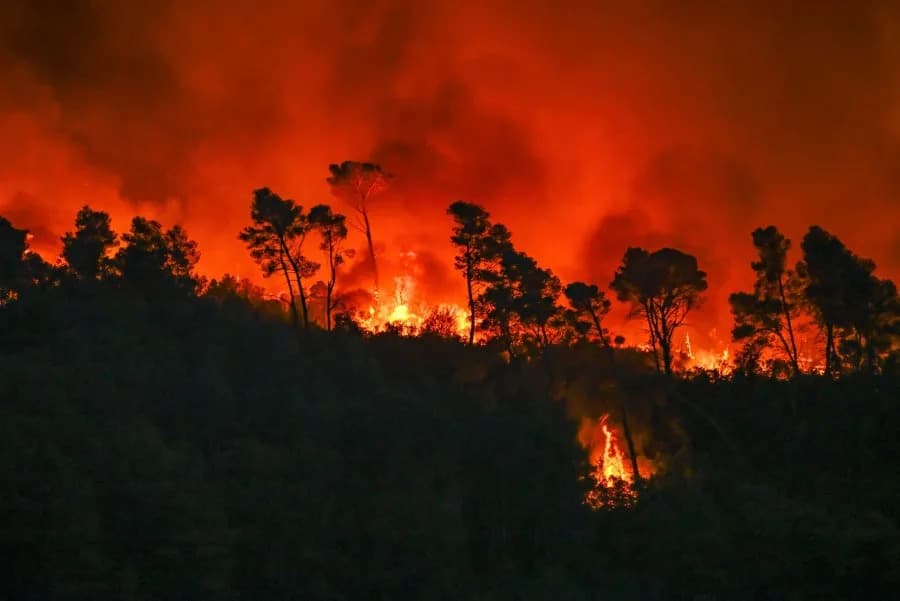
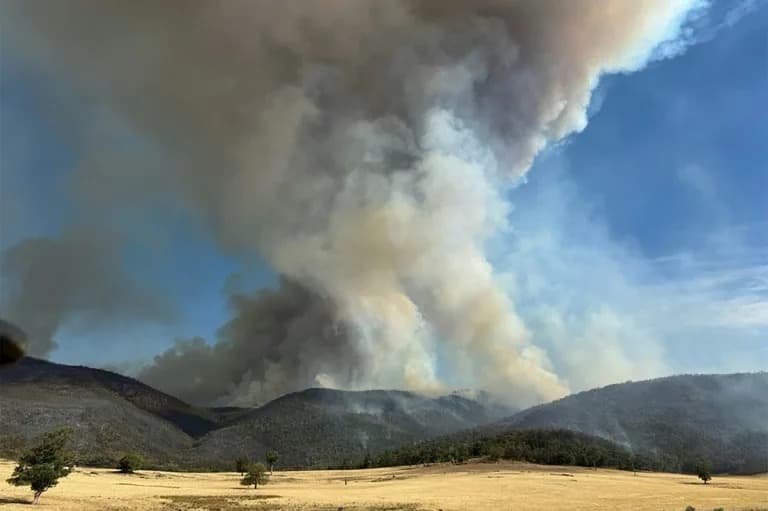
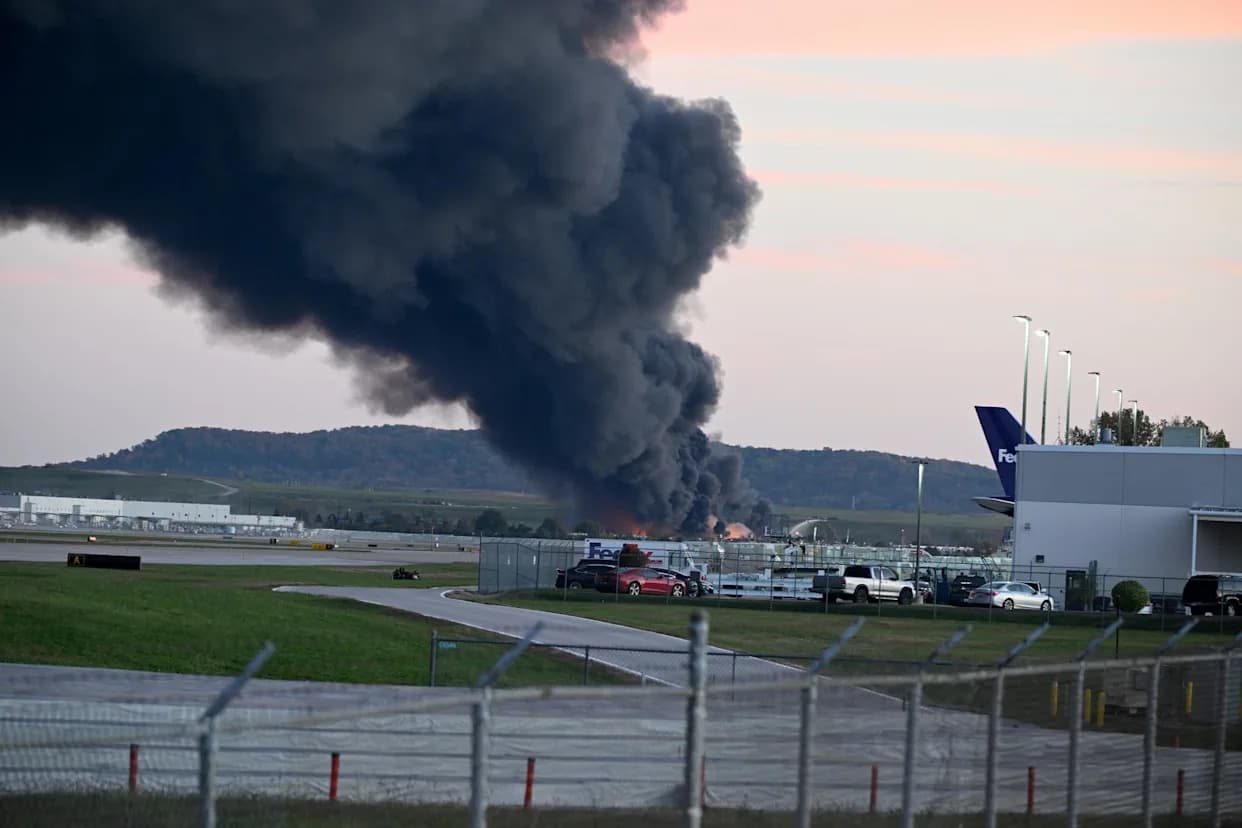
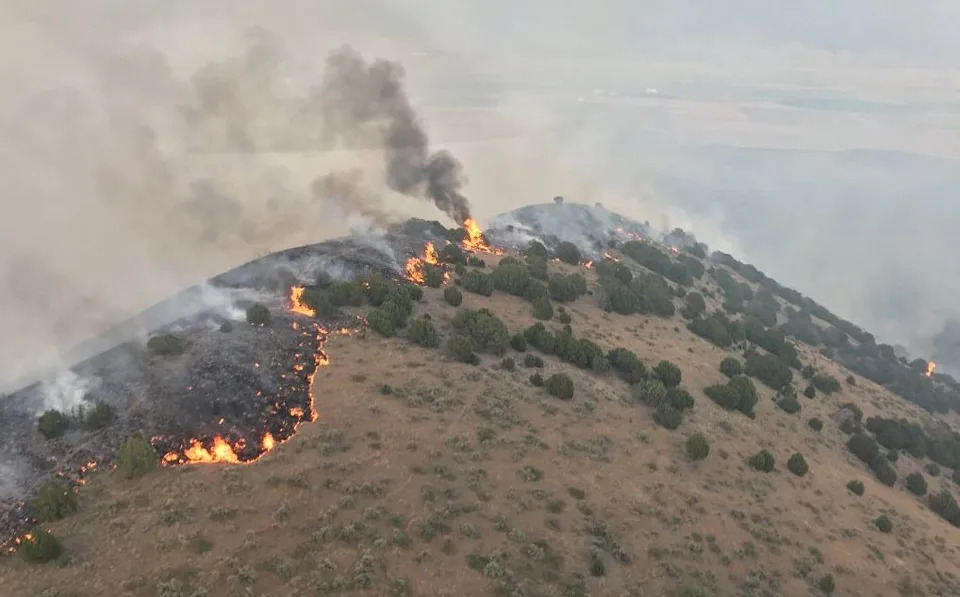
A wildfire began on June 17, 2024 about three miles west of Neola. Several engines were assigned to fight the blaze, officials said. (Courtesy: Roberta Jacobs Welton via Utah Fire Info)
"We know that all ecosystems will see more and larger fires, but some ecosystems, like our forests, will see very dramatic and outsize changes from what we have today," said Joseph Birch, a USU researcher.
Yoshimitsu Chikamoto, another member of the research team, added that the simple climate metric makes it possible to develop predictive tools for wildfire threats on seasonal, interannual and potentially decadal timescales.
Actions Communities Can Take
The report highlights practical mitigation steps communities and land managers can use to reduce risk and prepare for a longer, more intense fire season:
- Trim and remove vegetation and shrubs near homes and other structures.
- Invest in firefighting infrastructure, training and equipment.
- Use prescribed burns and mechanical thinning to reduce fuel loads where appropriate.
- Plan for an extended summer season of elevated fire danger in community preparedness efforts.
These measures, combined with improved seasonal forecasting based on the study's metric, could help leaders make more informed, actionable management decisions.
Implications: The findings are directly relevant to Utah residents, land managers and policymakers. By monitoring simple temperature thresholds and combining that data with existing forest and drought indicators, officials can better anticipate periods of elevated wildfire risk and allocate resources proactively.
Help us improve.