Heavy October rains in Sarlahi, Nepal, flooded and waterlogged vegetable fields, destroying yields and doubling prices for items such as cauliflower, beans and okra. Traders report local supplies have not met demand, forcing some suppliers to limit exports. The crisis mirrors global trends—droughts in China and crop failures in Mexico—and underscores the vulnerability of agrifood systems, which employ roughly 1.23 billion people. Farmers are using shared water management, crop diversification and borehole irrigation, while long-term relief depends on climate mitigation and resilience measures.
Vegetable Shortages in Nepal After October Floods Push Prices Higher — ‘We Should Have Had A Lot’
Photo Credit: iStock
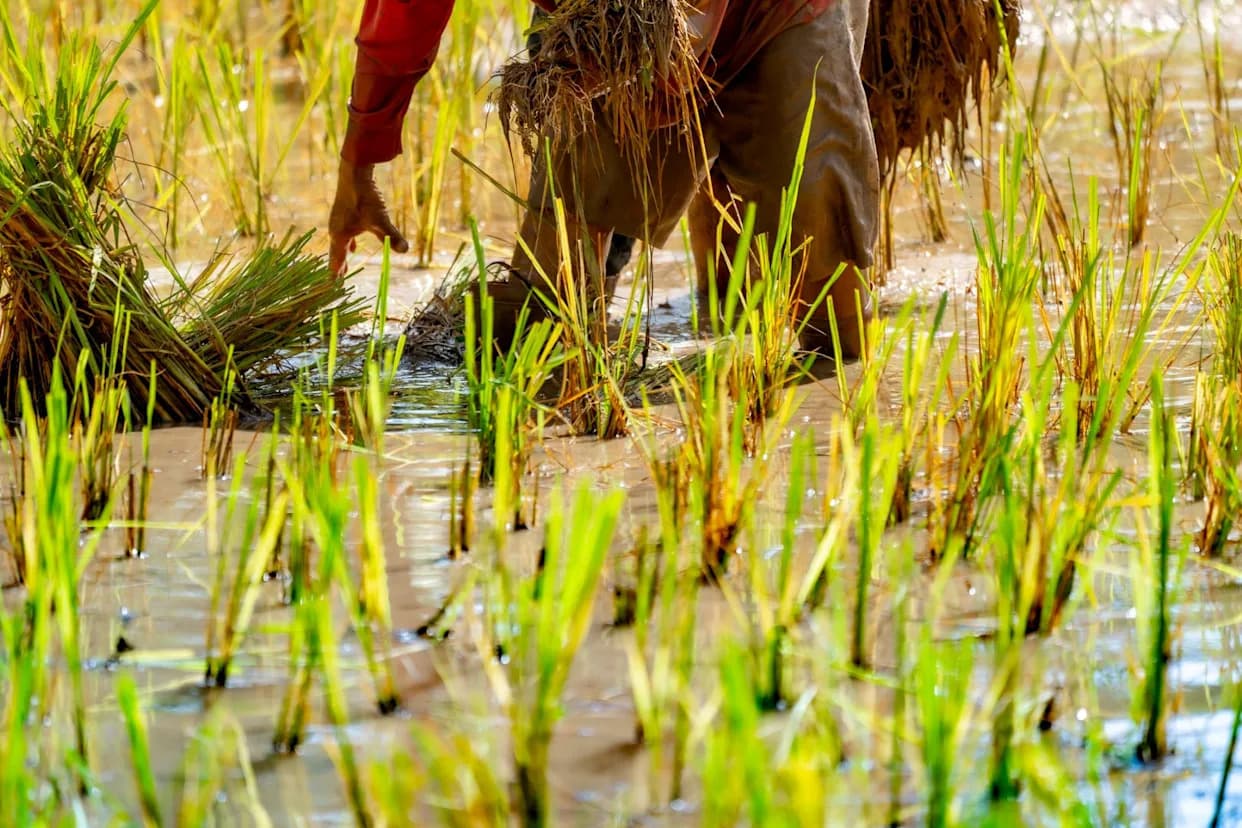
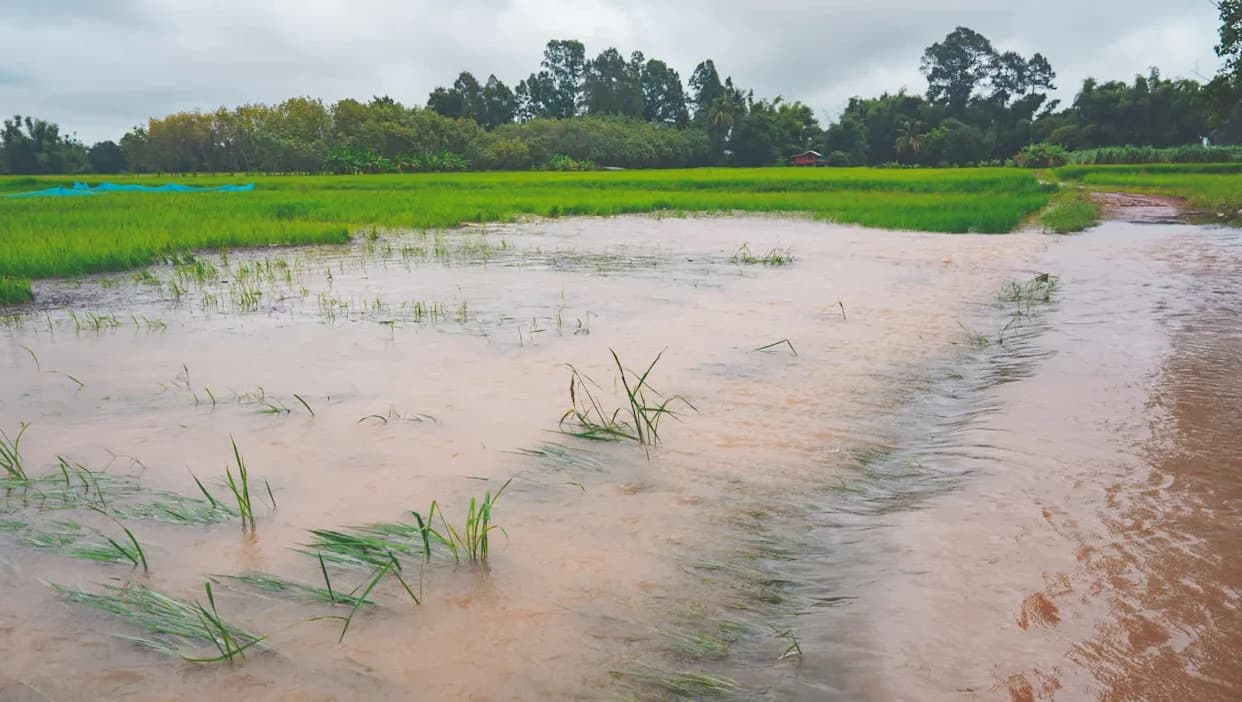
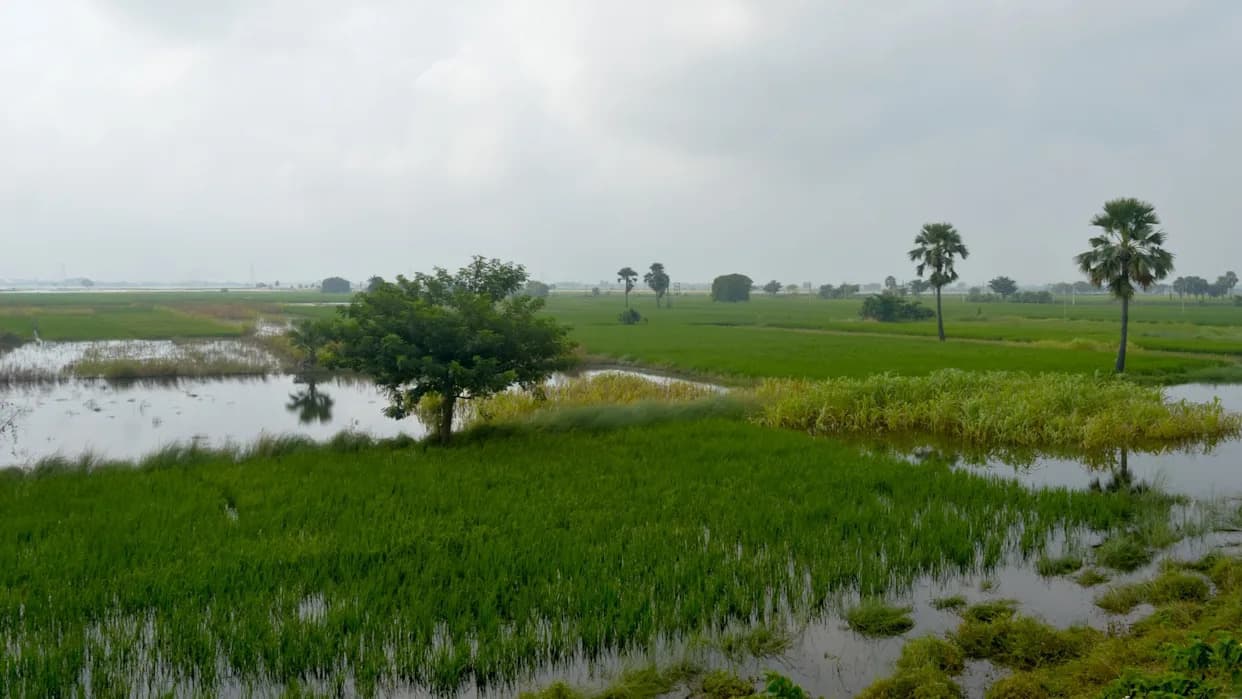
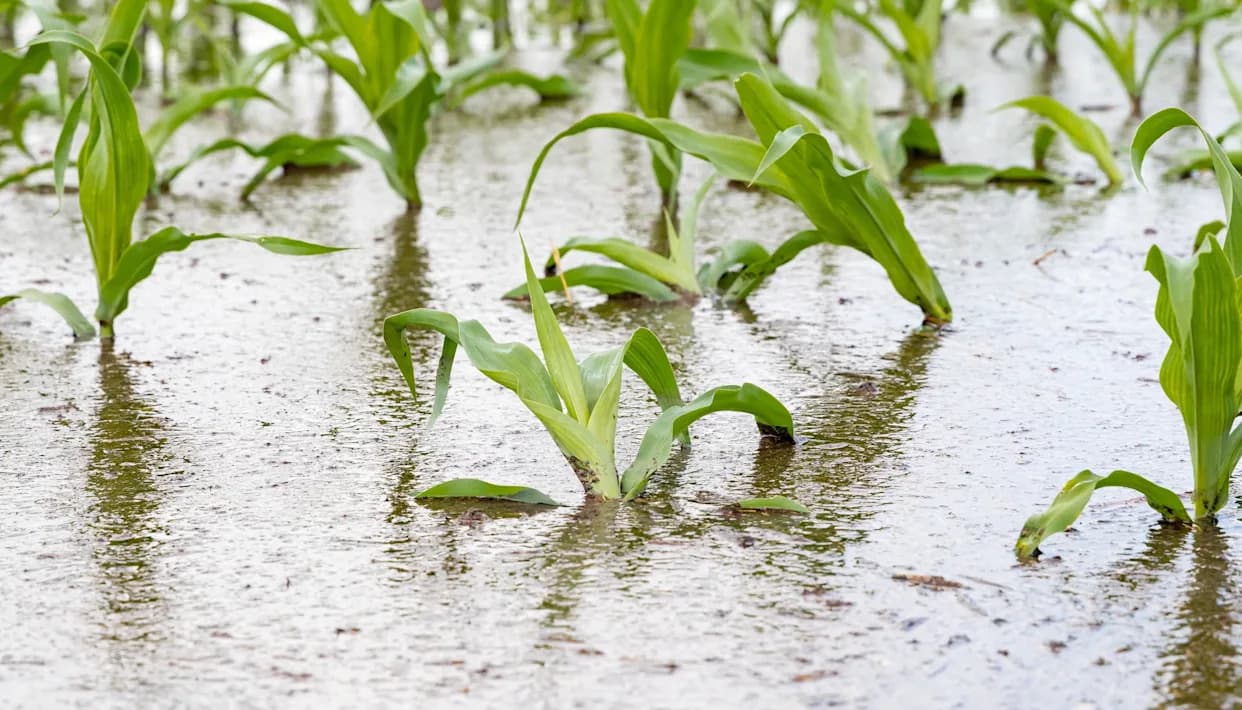
Extreme October rains in Sarlahi, Nepal, flooded vegetable fields, destroying large swaths of crops and sending local prices sharply higher, according to The Rising Nepal. Waterlogged fields wiped out many plantings, leaving farmers with little prospect of recovering this season's yields.
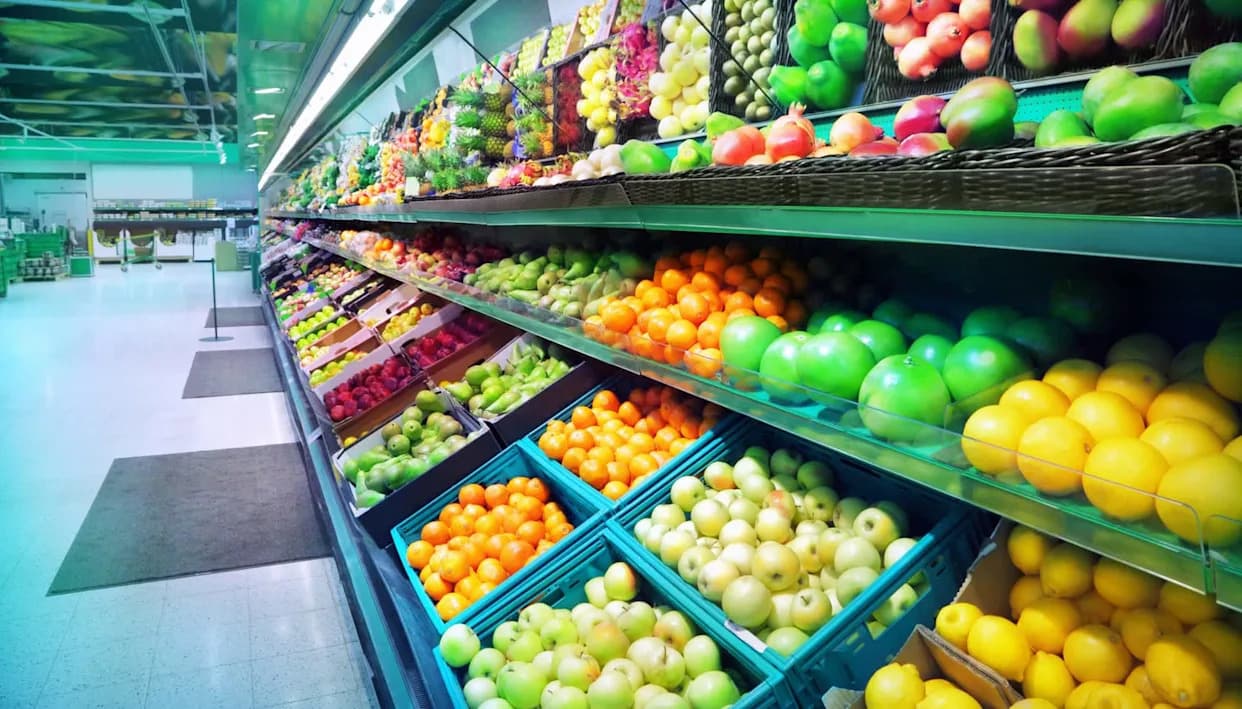
Retail costs for staples such as cauliflower, beans and okra have more than doubled compared with the same period last year, local officials and traders say. The shortage has tightened supplies in regional markets and constrained exports as suppliers focus on meeting domestic demand.
“We should have had a lot of cauliflower, but the October rain destroyed many of the plants,” said Shambhu Prasad Ghimire, manager of the Agricultural Wholesale Market Management Committee.
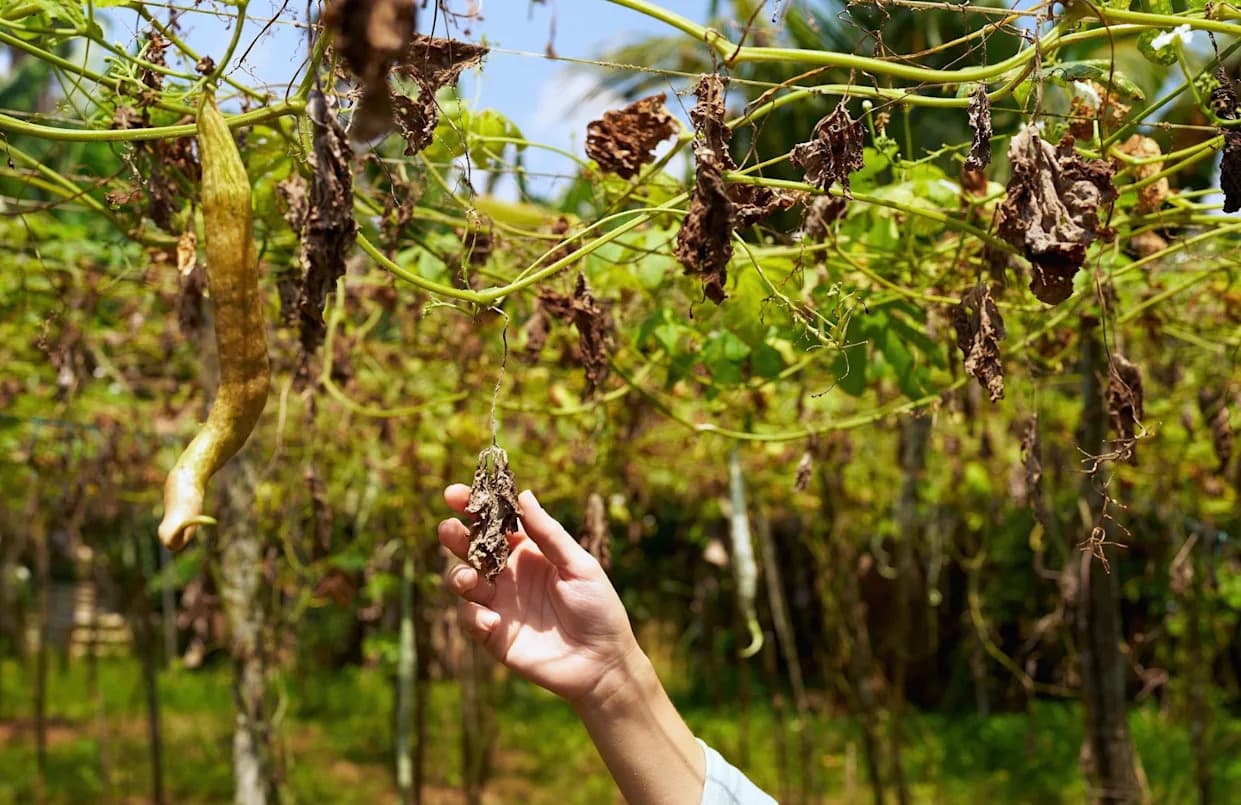
Scientists and climate experts link an increase in extreme and unpredictable weather events—droughts, erratic monsoons and intense atmospheric-river events—to human-driven climate change. When harvests fail, the economic impact ripples through supply chains: farmers suffer revenue losses, traders and wholesalers face higher procurement costs, and consumers pay more at the market.
Local Crisis, Global Pattern
Nepal's losses are part of a broader trend. Droughts recently pushed produce prices in China to five-year highs, and cocoa farmers in parts of Mexico have reported harvest declines to less than half of usual yields due to insufficient rainfall. These disruptions underscore how vulnerable global food systems are to changing weather patterns.
How Farmers Are Responding
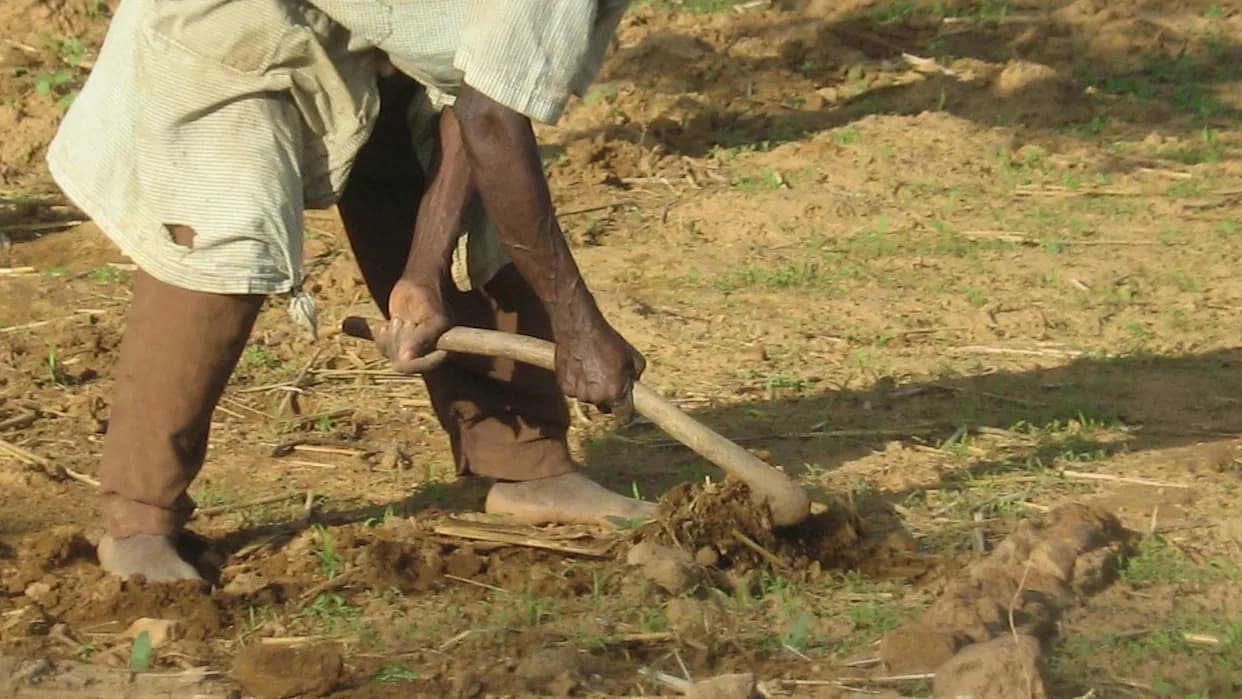
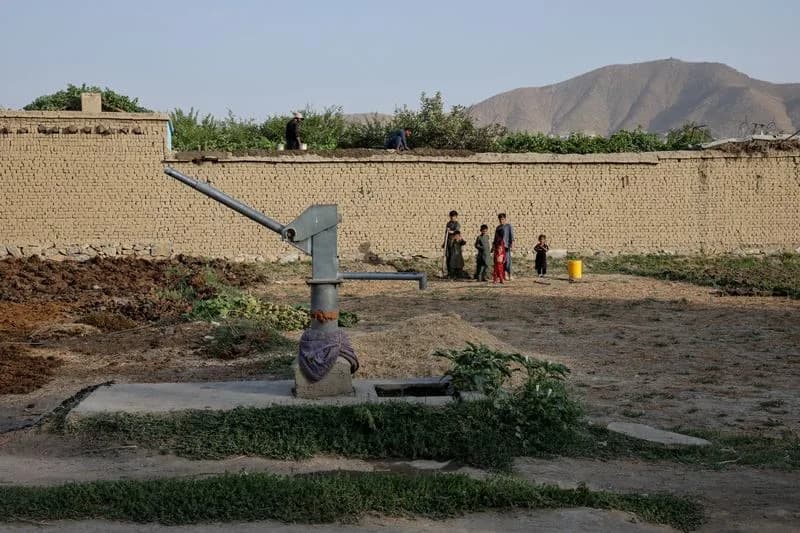
To reduce risk and stabilise production, farmers and communities are adopting adaptive measures: shared water management, crop diversification, and borehole irrigation that draws groundwater from aquifers. Scientists are also developing more drought-tolerant crop varieties and improved management techniques.
Infrastructure projects aim to expand water access. The $650 million Sunkoshi Marin Diversion Project is planned to deliver water to roughly 122,000 hectares by 2027, but its benefits are unlikely to ease immediate shortages this season.
What Households Can Do
Addressing the root causes of increasing extremes requires reducing greenhouse-gas emissions and building climate resilience. At the household level, growing vegetables where feasible can lower grocery bills and reliance on strained supply chains. For those who can’t garden, planning meals, shopping with lists and using food-rescue services such as Flashfood and Martie can save money and cut waste. Conserving energy and choosing low-carbon options—electric vehicles, induction stoves and battery-powered lawn tools—also contribute to longer-term climate solutions.
New FAO research highlights how many livelihoods are at stake: roughly 1.23 billion people work in the world’s agrifood systems, and nearly half the global population lived in households linked to those systems in 2019. The Sarlahi damage is a local example of a global challenge—one that requires both immediate adaptation and sustained action on climate change.
Help us improve.