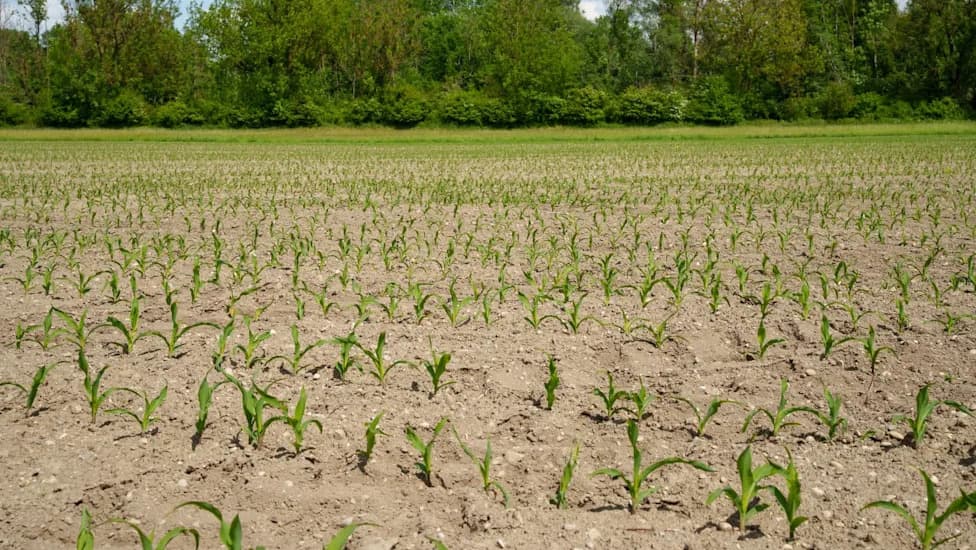
Heavy rains have left roughly 2,000 acres of farmland in Bhiwani, northern India, waterlogged for about five months, with standing water up to two feet deep. The flooding destroyed kharif crops — including cotton — and prevented rabi sowing, cutting off farmers' immediate and next-season incomes. Although a government claims portal exists, insured farmers report they have not received compensation, worsening financial strain. Experts warn that such extreme weather events are rising with global warming and threaten food supplies and prices.
Flooding Wipes Out Kharif Harvests and Leaves 2,000 Acres Waterlogged in Bhiwani — Farmers Face a 'Double Blow'
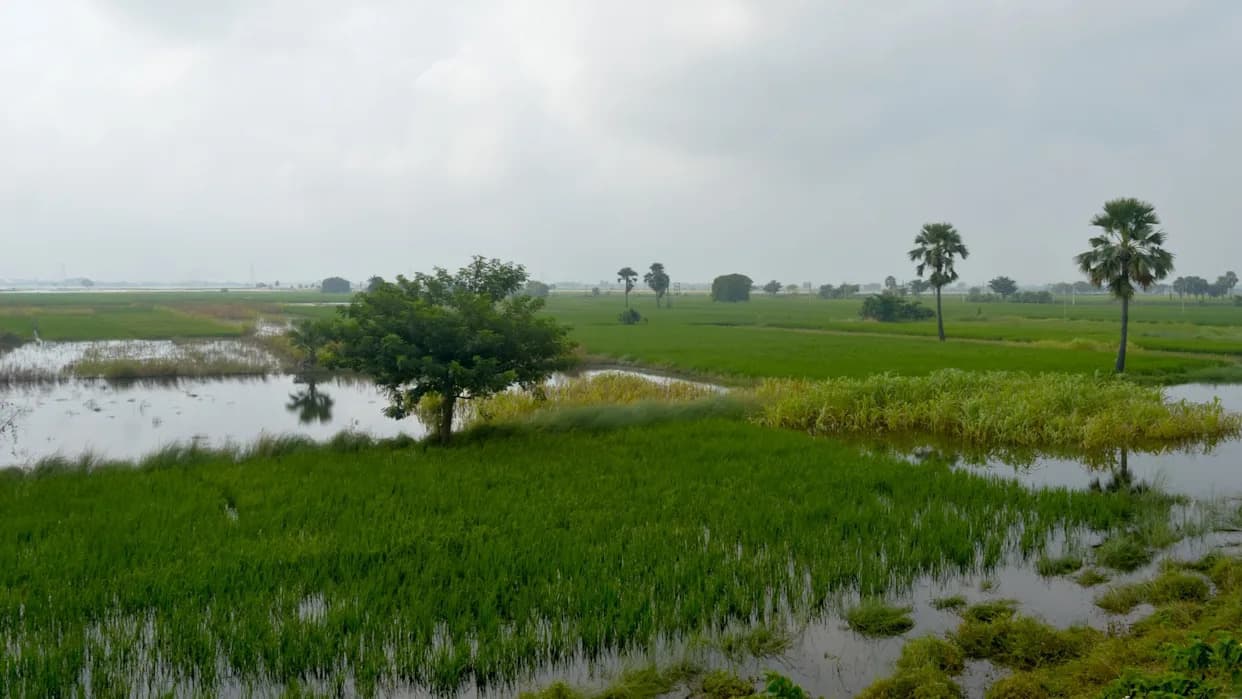
Photo Credit: iStock
Heavy rains and prolonged flooding have submerged roughly 2,000 acres of farmland in Bhiwani, northern India, leaving standing water — in places up to two feet deep — for months and destroying current harvests while preventing planting for the next season.
Local Impact
The Tribune reports that fields in Bhiwani have been waterlogged for about five months. The persistent inundation has wiped out kharif crops sown during June and July and made rabi sowing for the winter season impossible. Cotton was among the damaged kharif harvests; floodwaters prevented farmers from picking cotton bolls, erasing a key seasonal income.
Vinod Tanwar, a local farmer, described the loss: “It is a double blow to us as the kharif crop has been completely destroyed, and rabi sowing has also become impossible. In such circumstances, how will the farmers manage to sustain and support their families?”
Insurance, Relief And Economic Strain
Many affected farmers say they purchased crop insurance but have not yet received compensation. The government has set up an online claims portal for registering losses and submitting insurance claims, but payments to farmers in Bhiwani remain pending. Delays in relief and compensation deepen household financial strain and increase the risk that farmers will be unable to recover in the coming seasons.
Wider Context And Food-Security Risks
Scientists and climate experts warn that extreme weather events are intensifying as global temperatures rise. Continued reliance on fossil fuels increases greenhouse-gas emissions, which in turn raise the frequency and severity of droughts, floods and storms. When entire harvests are lost, farmers take the immediate economic hit and consumers can later feel the effects through higher food prices and reduced local supply.
What’s Needed
Local farmers need expedited assessments, faster disbursement of insurance and relief funds, and short-term support such as access to emergency credit, seeds and replanting assistance. In the longer term, improved drainage infrastructure, resilient farming practices and accelerated investment in climate mitigation — including cleaner energy sources like wind and solar — can help reduce the risk that extreme weather will repeatedly devastate crops and livelihoods.
Authorities, insurers and aid organizations will play a critical role in both addressing immediate needs and building longer-term resilience for farming communities in Bhiwani and similar regions worldwide.
Help us improve.