Summary: A Justice Department filing says two DOGE team members at the Social Security Administration were contacted by an advocacy group seeking to overturn election results and that one staffer signed a "Voter Data Agreement" as an SSA employee. Whistleblower claims say DOGE moved beneficiary records to a vulnerable server and committed multiple violations; the DOJ filing raises the possibility that sensitive data was shared with election-denying operatives. Critics link these events to reported Palantir access to Treasury data and broader efforts to cut spending and push privatization of Social Security's ~$2.7 trillion trust funds.
DOJ Filing Says Trump-Era 'DOGE' Team Allegedly Shared Social Security Records With Election-Denying Group
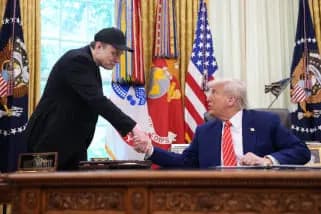
Election deniers may have your Social Security data — thanks to DOGE and Elon Musk
Months after the administration insisted the so-called Department of Government Efficiency (DOGE) did not have access to Americans’ sensitive Social Security records, a Justice Department court filing indicates otherwise: DOGE staff accessed those records and agreed to share them with an outside advocacy group seeking to overturn election results in several states.
What the DOJ Filing Says
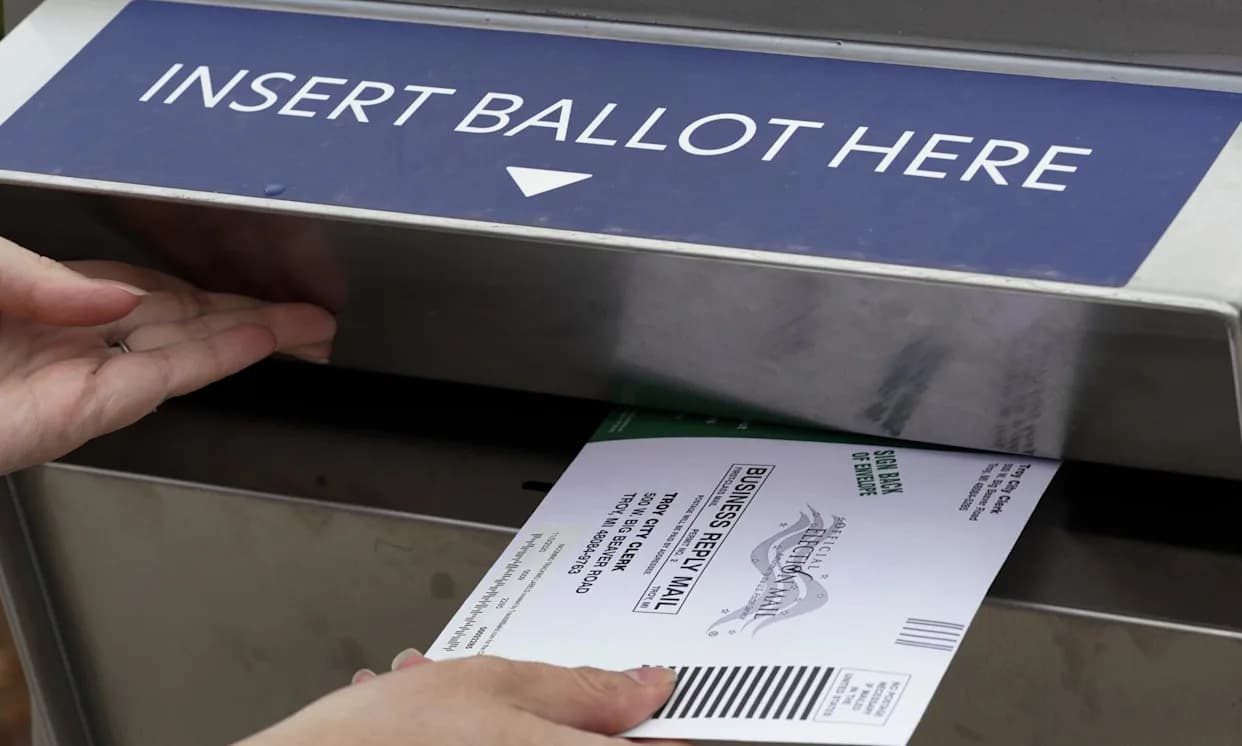
The DOJ filing states that an advocacy organization seeking "to overturn election results in certain states" contacted two members of the Social Security Administration's DOGE team and asked them to analyze state voter rolls the group had obtained. According to the filing, one DOGE staffer signed a "Voter Data Agreement" in his capacity as an SSA employee.
Whistleblower Allegations and Data Security Concerns
Whistleblower statements made public earlier alleged that DOGE moved Americans’ personal data onto a vulnerable server and that the team’s actions amounted to "violations of laws, rules, and regulations, abuse of authority, gross mismanagement and creation of a substantial and specific threat to public health and safety." The DOJ disclosure raises the additional allegation that sensitive beneficiary information may have been shared with operatives tied to efforts to contest election outcomes.
Who Still Has Access
Although Elon Musk—whose name has been publicly associated with DOGE—has left the White House effort, DOGE staffers reportedly remain embedded within the Social Security Administration and continue to have access to highly sensitive records, including birth dates, addresses and employment histories.
Broader Pattern: Data Access And Privatization Concerns
Critics say this incident fits a broader pattern. The administration reportedly granted Peter Thiel–linked Palantir Technologies expanded access to Treasury data, and before the 2025 inauguration President Trump asked Musk to propose roughly $2 trillion in spending cuts. Those moves, observers argue, follow a familiar playbook: cultivate dysfunction or exploit access, then use the resulting problems to justify privatization or private-sector control of public services.
Context: The Social Security trust funds hold roughly $2.7 trillion in earned benefits—the largest pool of public capital in the federal government—making them a tempting target for restructuring or privatization efforts.
Alleged Operational Changes And Political Responses
Reported White House plans and budget proposals included reductions in telephone support for beneficiaries, closures of field offices and large-scale staff cuts—changes critics say would make the agency appear less capable of serving the public and strengthen arguments for privatization. Democrats proposed legislation to block DOGE and Palantir from accessing protected taxpayer and beneficiary information; those measures were reportedly blocked by House Republicans and subsequent rule changes limited similar oversight efforts.
Calls For Accountability
Lawmakers and watchdogs are calling for full investigations and possible prosecutions of any employees who improperly shared or enabled the sharing of protected Social Security data. Treasury Secretary Scott Bessent has warned that so-called "Trump Accounts" could create a backdoor toward privatizing benefits, a claim that has furthered concern among critics about the administration's long-term intent.
Why This Matters
Social Security is the nation’s principal anti-poverty program and an earned benefit funded by workers’ payroll contributions. Safeguarding beneficiary data and the integrity of the program is essential to maintaining public trust. If the DOJ allegations are substantiated, the episode would represent a serious breach of that trust and raise urgent questions about data security, public oversight and the role of private contractors inside federal agencies.
Originally published on ms.now.
Help us improve.