Summary: Iran possesses one of the largest ballistic missile stockpiles in the Middle East and regards the program as a strategic red line. The June 2025 conflict with Israel demonstrated the arsenal's reach and vulnerability, with analysts estimating about a third of launchers were destroyed but Iran claiming recovery. Key systems include Sejil, Emad, Ghadr, Shahab-3 and Khorramshahr; Iran has also developed underground launch and storage sites and claimed a hypersonic capability. These capabilities, plus cruise missiles like the Kh-55, shape regional security calculations.
Inside Iran's Ballistic Missile Arsenal: Capabilities, Recent Use and Regional Risks
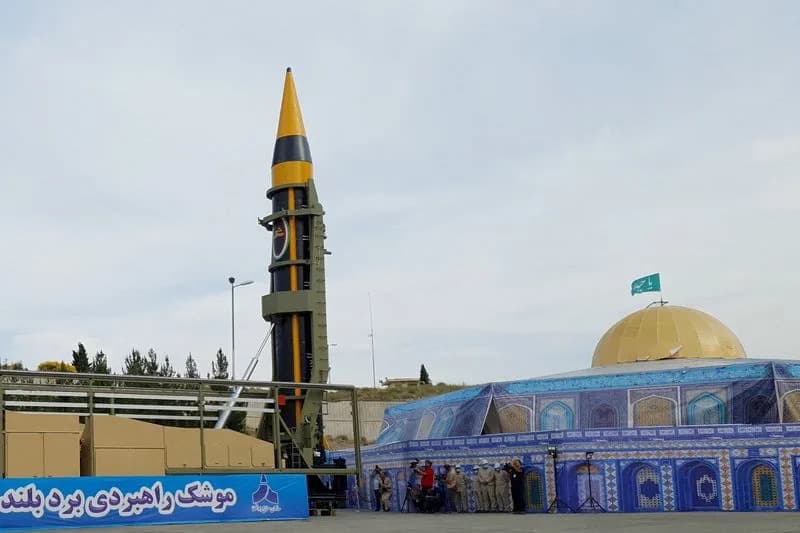
A new surface-to-surface ballistic missile called Khaibar with a range of 2,000 km, unveiled by Iran, is seen in Tehran, Iran, May 25, 2023.WANA (West Asia News Agency) via REUTERS
Overview: Iran's ballistic missile force — one of the largest in the Middle East — remains central to Tehran's deterrence doctrine. As nuclear talks resume, Tehran has repeatedly warned that its missile program is a red line. The following explains what ballistic missiles are, summarizes Iran's main missile types and ranges, describes developments in deployment and production, and outlines how Tehran has used missiles regionally.
What Are Ballistic Missiles?
A ballistic missile is a rocket-propelled weapon that is guided during its initial ascent but follows a largely ballistic (free-fall) trajectory under gravity for most of its flight. Ballistic missiles can deliver conventional warheads or, potentially, chemical, biological or nuclear payloads. They are classified by range: short, medium, intermediate and intercontinental.
Recent Demonstrations And Damage
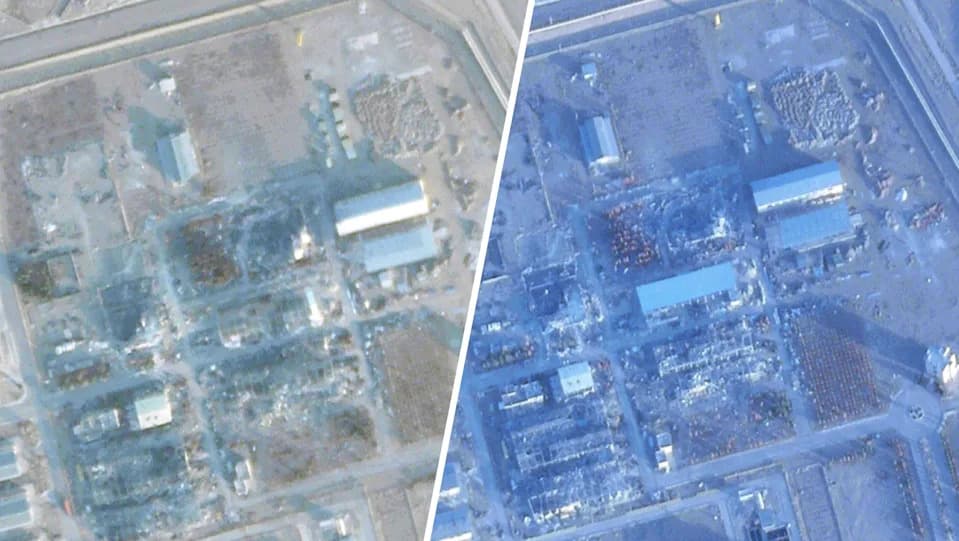
During a 12-day conflict with Israel in June 2025, Iran launched salvoes of ballistic missiles into Israeli territory, killing dozens and damaging buildings across central and northern Israel. Analysts at the Institute for the Study of War (ISW) and the AEI Critical Threats Project assessed that Israel likely destroyed roughly one-third of Iran's missile launchers during the confrontation. Iranian officials contend the program has since recovered and is stronger than before.
Major Missile Types And Ranges
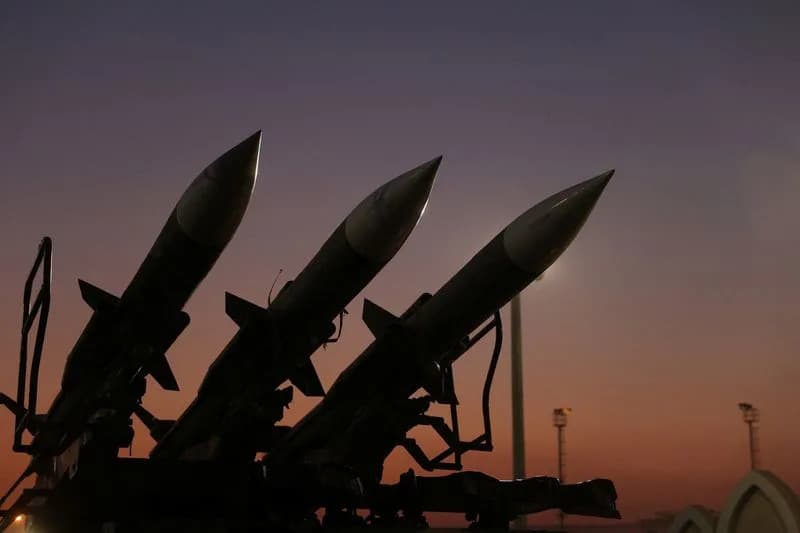
The U.S. Office of the Director of National Intelligence (ODNI) estimates Iran holds the region's largest ballistic missile stockpile. Tehran has publicly stated a self-imposed range limit of about 2,000 km (1,240 miles), a distance it says is sufficient to deter regional adversaries.
Open-source assessments and think-tank analyses identify several systems capable of striking Israel and other regional targets:
- Sejil — commonly cited with ranges around 1,500–2,500 km depending on variant; ISNA published higher performance claims.
- Emad — a more modern, guidance-improved variant with reported ranges up to ~1,700–2,000 km.
- Ghadr, Khorramshahr — both often listed with ranges near 2,000 km.
- Shahab-3 — older medium-range system commonly estimated around 1,300 km (assessments vary).
- Hoveyzeh and other medium-range variants
Different sources (CSIS, Arms Control Association, ODNI) give somewhat varying range estimates; open-source reporting reflects a range of technical assessments and official claims.
Development, Doctrine And Infrastructure
Iran describes its missiles as a deterrent and retaliation tool against the United States, Israel and other perceived threats. Analysts note years of reverse engineering, incremental improvements to airframes and the use of lighter materials to extend range and accuracy. Iran has invested in hardened and subterranean infrastructure — often described as underground "missile cities" — to improve survivability and launch resilience. Iran reported firing a ballistic missile from an underground site in 2020.
In June 2023, Iranian officials unveiled what they described as a domestically produced hypersonic ballistic missile. Hypersonic systems travel at least five times the speed of sound on complex trajectories, complicating detection and interception, though independent verification of capability claims is limited.
Western analysts attribute much of Iran's progress to iterative development and foreign assistance or influence: North Korean, Russian design influences and, by some accounts, Chinese technical cooperation have been noted in open-source assessments.
Cruise Missiles And Complementary Capabilities
In addition to ballistic systems, Iran fields cruise missiles — including systems reported or claimed to be similar to the Kh-55 — with ranges reported up to roughly 3,000 km. Cruise missiles fly aerodynamic trajectories and can be harder to detect and intercept at lower altitudes, providing Tehran with complementary strike options.
Regional Use And Strategic Implications
Tehran has used missiles in multiple episodes across the region: strikes against U.S. bases in Iraq in 2020 following the killing of Major General Qassem Soleimani; reported strikes on militants in Syria and Iraq; and missile launches during the June 2025 confrontation with Israel. Iran also struck (or was accused of striking) critical infrastructure in the region in past incidents, which Tehran has frequently denied.
The presence of a large missile arsenal, underground storage and launch infrastructure, and advances in mobility and potential hypersonic capability complicate regional security calculations. Policymakers view the missile force both as a conventional threat and as a potential delivery means should nuclear ambitions change; Iran continues to deny any intention to build nuclear weapons.
Takeaway: Iran's missile program is technically diverse, resilient, and politically significant. Claims and assessments of range and performance vary by source, but the program's scale and use in recent conflicts make it a central factor in Middle East security and in diplomatic negotiations.
Help us improve.