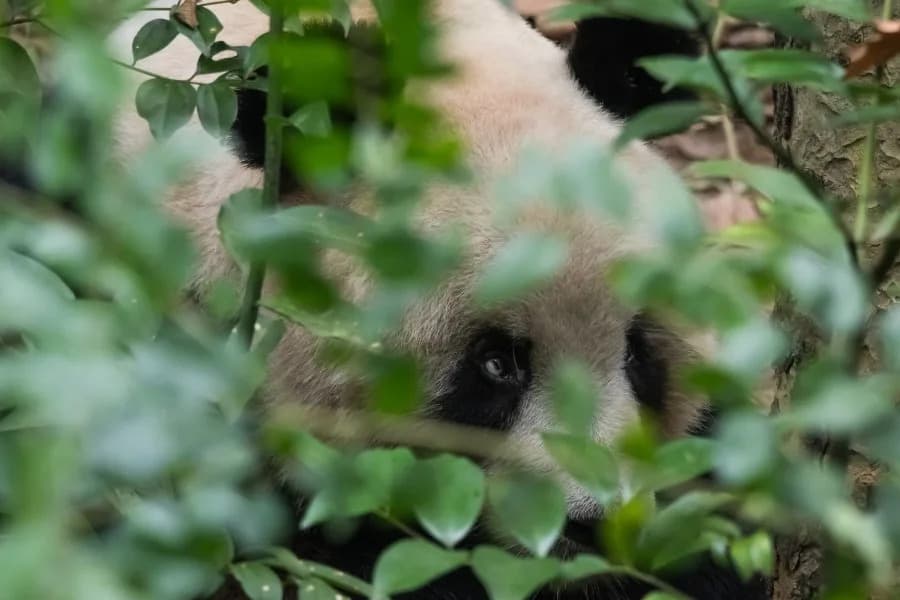
Japan-born giant pandas Xiao Xiao and Lei Lei arrived in Sichuan on Wednesday, touching down at Chengdu's Tianfu Airport at about 1 a.m. and reaching the Ya'an research centre for quarantine at 6 a.m. The twins, born at Tokyo's Ueno Zoo in 2021, leave Japan without resident pandas for the first time since 1972. Their return comes amid strained Sino-Japanese ties and highlights China’s long-standing use of panda loans as a diplomatic signal.
Japan Loses Resident Pandas As Ueno-Born Twins Xiao Xiao And Lei Lei Return To China Amid Strained Ties
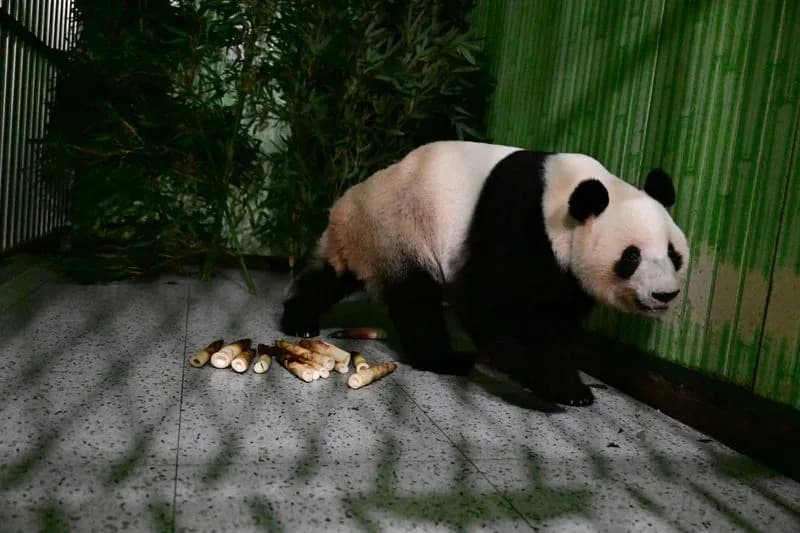
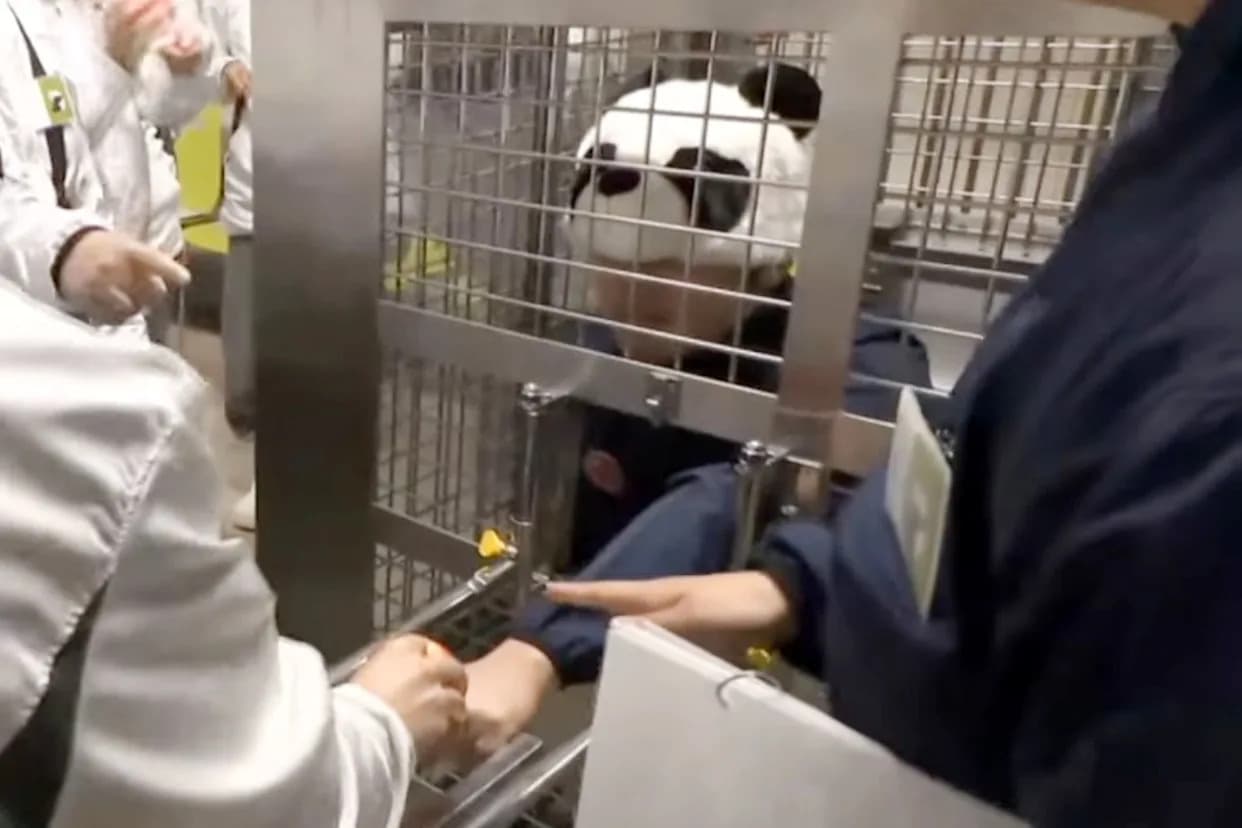
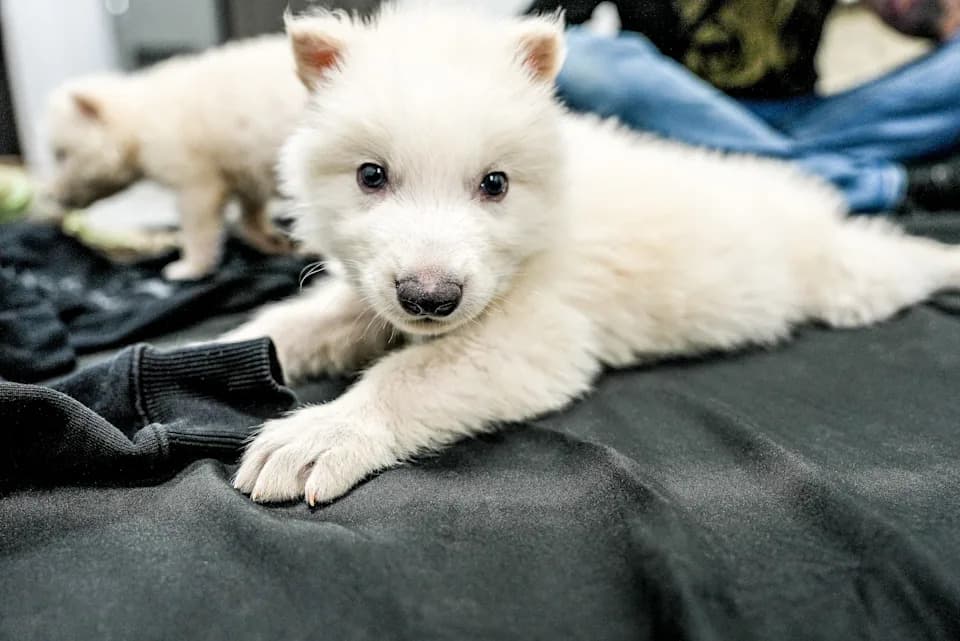
Giant panda Lei Lei walks in a cage after arriving from Japan at Bifengxia Panda Base in Yaan, Sichuan province, China January 28, 2026. China Daily via REUTERS
Giant pandas Xiao Xiao and Lei Lei, born at Tokyo's Ueno Zoo in 2021, were flown back to Sichuan province on Wednesday, the China Conservation and Research Centre for the Giant Panda said in a WeChat post. Their arrival leaves Japan without any resident pandas for the first time since diplomatic relations were normalised in 1972.
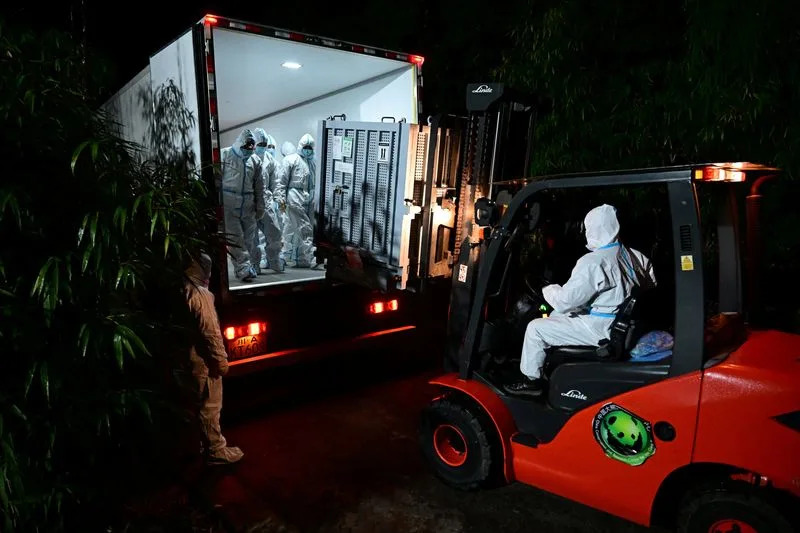
A worker operates a forklift as giant pandas Xiao Xiao and Lei Lei arrive from Japan at Bifengxia Panda Base in Yaan, Sichuan province, China January 28, 2026. China Daily via REUTERS ATTENTION EDITORS - THIS PICTURE WAS PROVIDED BY A THIRD PARTY. CHINA OUT. NO COMMERCIAL OR EDITORIAL SALES IN CHINA.
The pair landed at Chengdu's Tianfu International Airport at about 1 a.m. and were transported to the Ya'an research centre in Sichuan, arriving at 6 a.m., where they will undergo a standard quarantine period before joining a Chinese breeding programme.
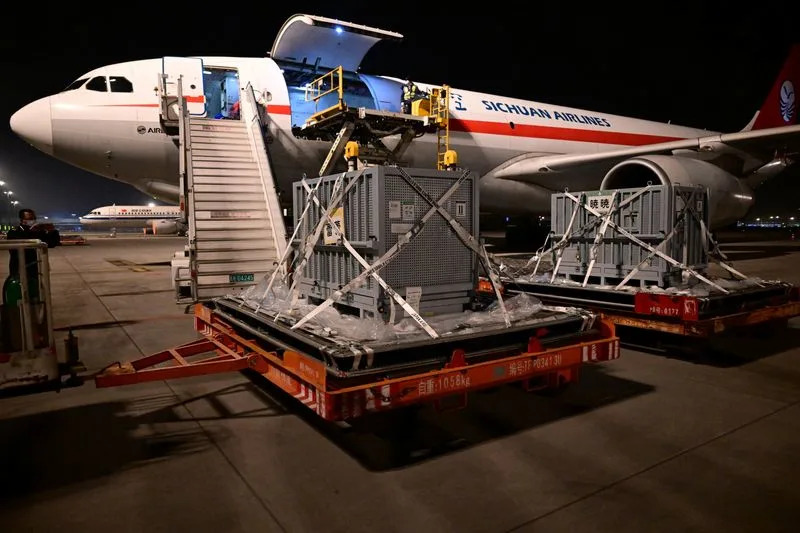
Containers carrying giant pandas Xiao Xiao and Lei Lei sit next to a Sichuan Airlines plane upon arriving from Japan at Chengdu Tianfu International Airport in Chengdu, Sichuan province, China January 28, 2026. China Daily via REUTERS
Photos shared by the research centre showed the twins' crates being unloaded from a Sichuan Airlines aircraft and moved to a waiting truck as staff in protective suits monitored the transfer. In a statement, the centre said Xiao Xiao and Lei Lei had "made a positive contribution to promoting friendship between the peoples of the two countries."
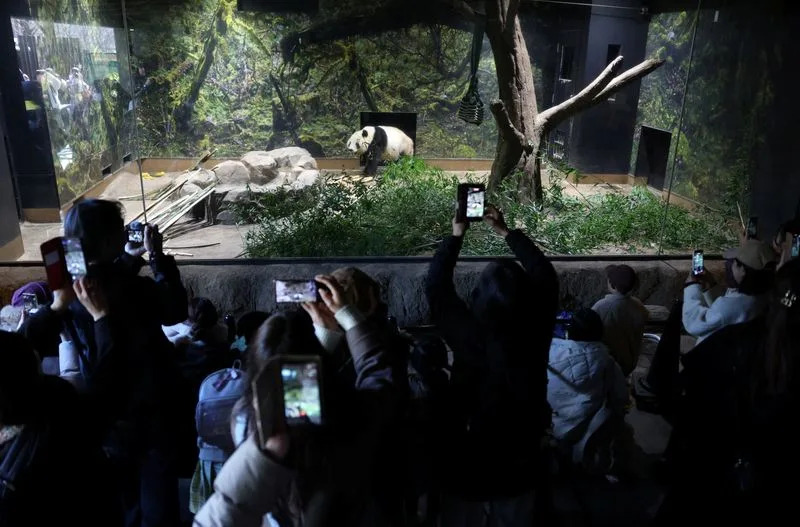
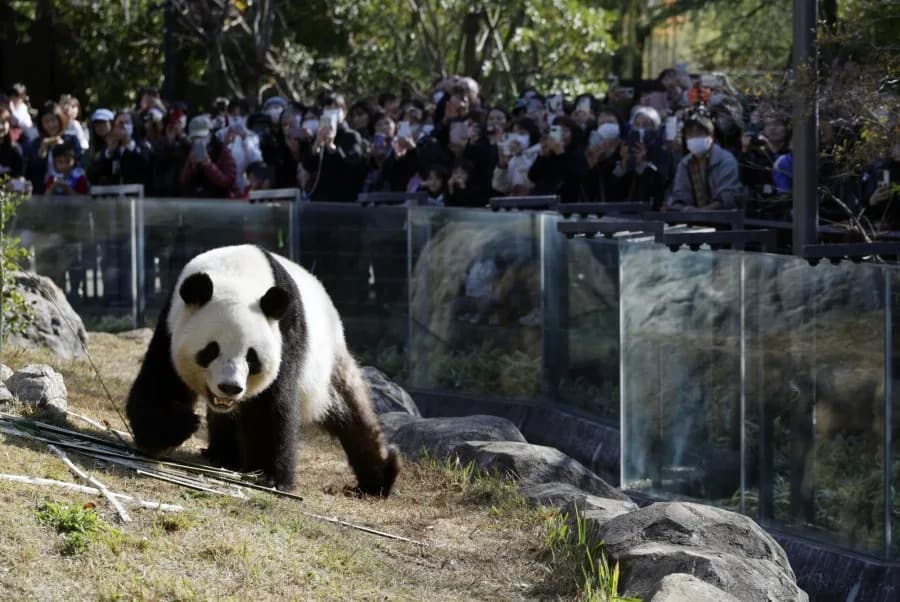
Visitors film and photograph four-year-old male giant panda Xiao Xiao at Ueno Zoo during the last viewing day before the planned return of twin giant pandas Xiao Xiao and Lei Lei to China, in Tokyo, Japan. REUTERS/Issei Kato
Context: Panda Diplomacy And Diplomatic Friction
China has used panda loans as a diplomatic instrument since 1949, both to cement ties and to signal displeasure. Pandas are typically lent under time-limited agreements and pandas born overseas are usually transferred to Chinese breeding programmes between the ages of two and four.
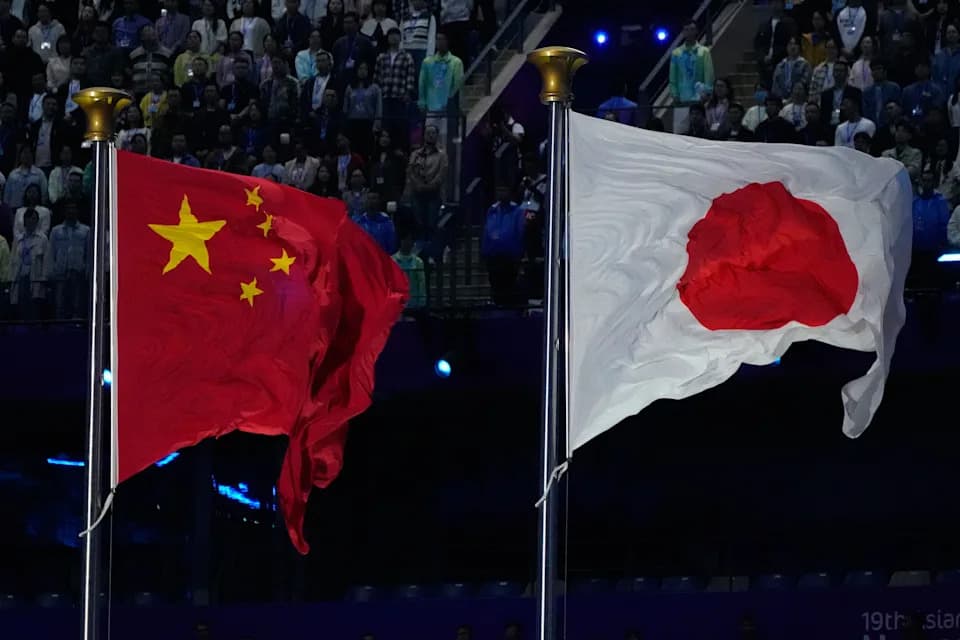
The twins' departure, while planned, comes at a tense moment in Sino-Japanese relations. In November, Japanese Prime Minister Sanae Takaichi said Japan would respond militarily if China attacked Taiwan, prompting a strong reaction from Beijing and warnings about travel to Japan. China regards Taiwan as its territory, a position rejected by Taipei.
Diplomatic Signals: Returns or new loans have previously reflected shifts in bilateral relations. For instance, Ya Ya was returned from the United States in April 2023 after a suspected Chinese surveillance balloon incident, while Beijing later pledged two younger pandas to Washington as relations improved. In 2024, China offered pandas to Australia as ties warmed after a trade dispute.
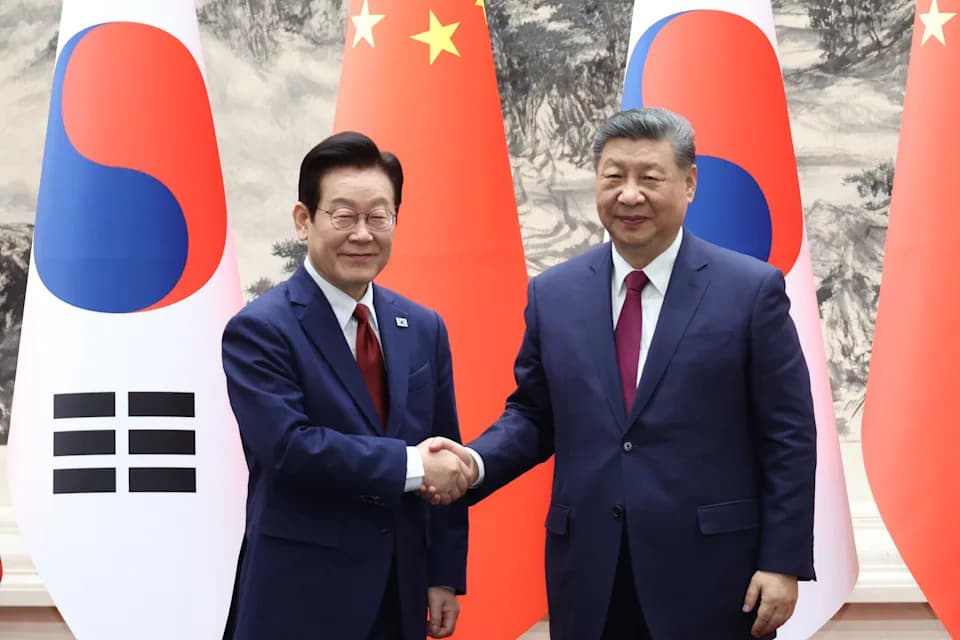
South Korea may be the next arena for panda exchanges: during a January summit, Chinese President Xi Jinping and South Korean President Lee Jae Myung agreed to begin talks on panda loans, and South Koreans held a tearful farewell for Fu Bao, the first giant panda born there, in April 2024.
While Xiao Xiao and Lei Lei's return closes a chapter for Ueno Zoo visitors, future panda loans or arrivals could signal a thaw in relations between Beijing and other capitals.
Help us improve.