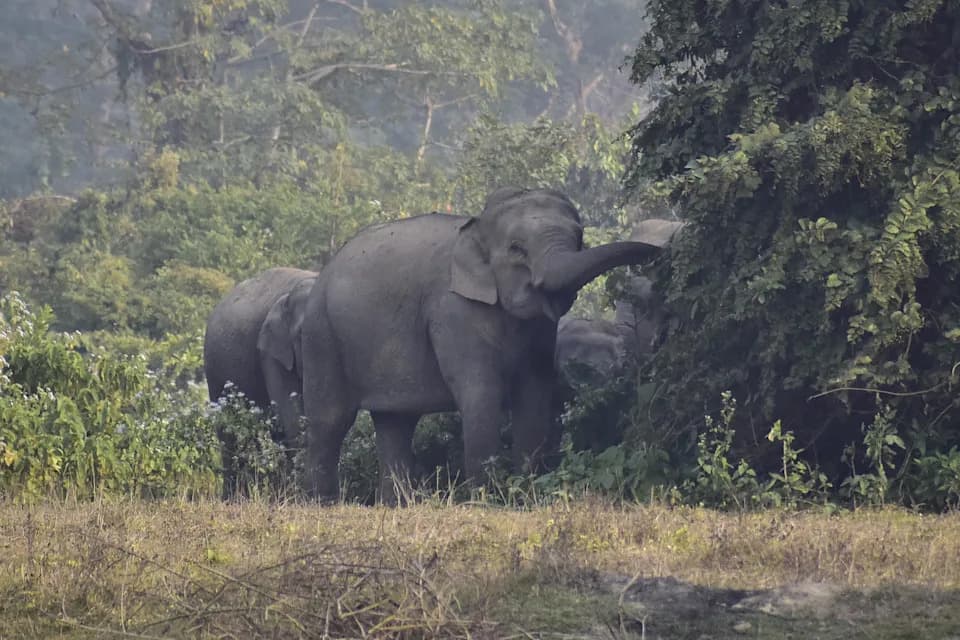
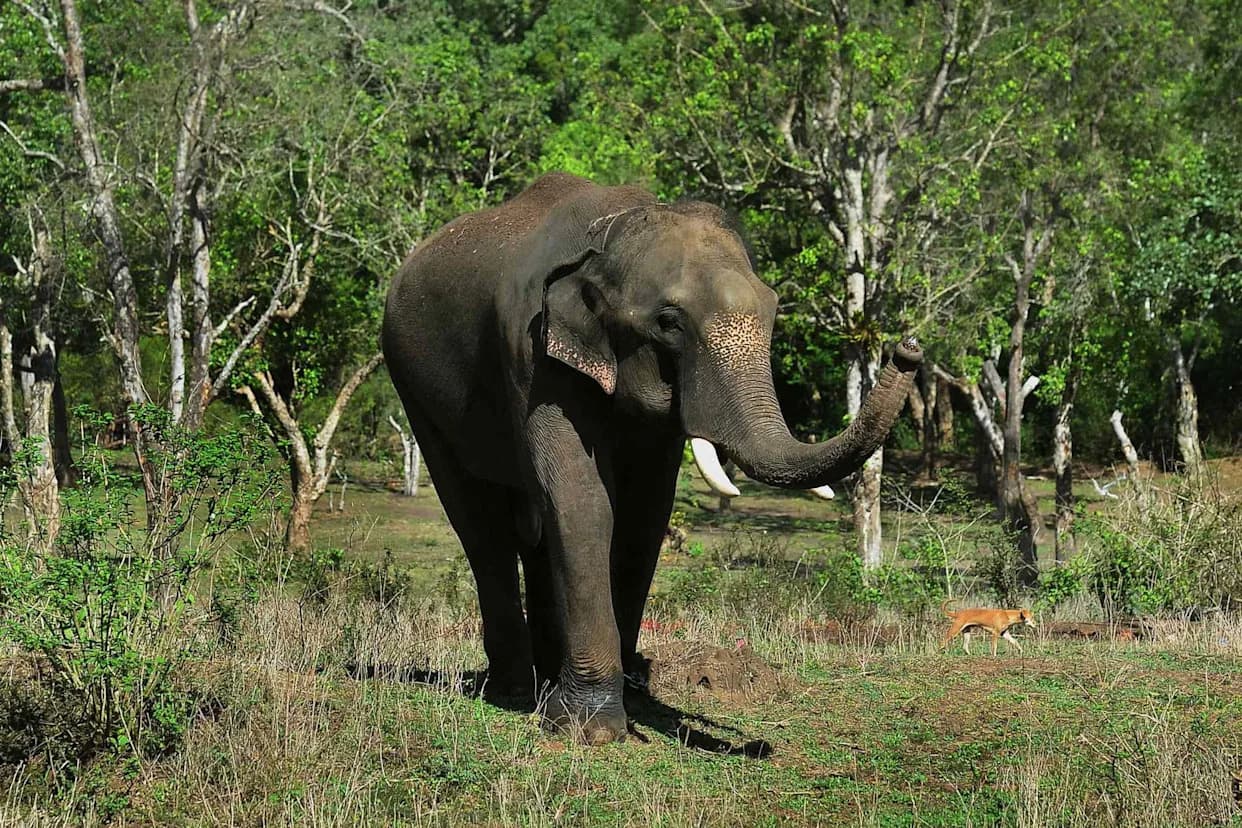
In Jharkhand's West Singhbhum district, a solitary male elephant has been blamed for at least 22 deaths in mostly nighttime village attacks, with several others injured. Victims include a couple, their two children and an investigator. Authorities say the elephant is likely a sub‑adult male in musth and may be acting alone after separation from its herd. Officials have warned residents to stay indoors, while conservationists point to habitat loss as a key driver of rising human‑elephant conflict.
Deadly Elephant Rampage in Jharkhand: Lone Male Blamed for 22 Deaths in Nighttime Village Attacks
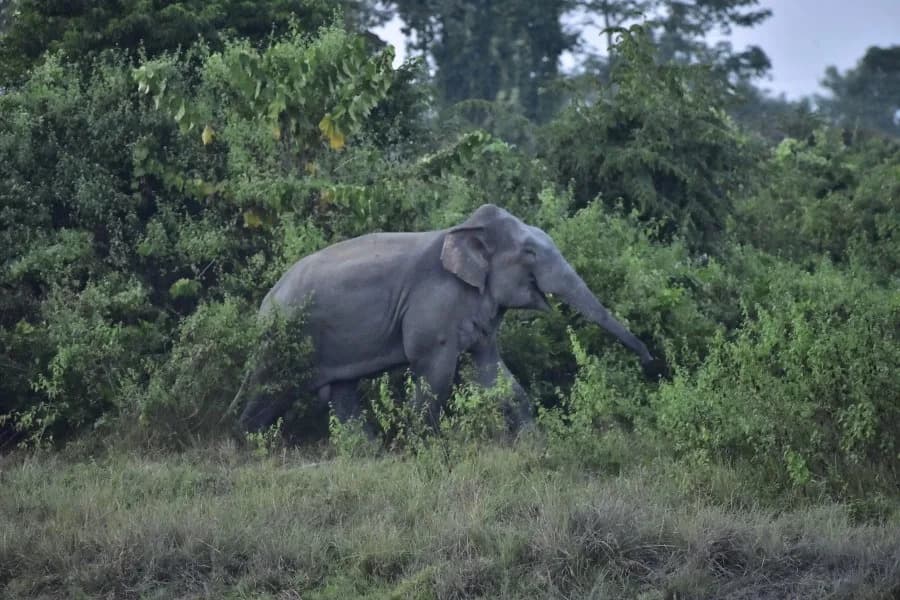
Authorities in Eastern India are investigating a lethal series of nighttime attacks by a solitary elephant that officials say has killed at least 22 people this month in the West Singhbhum district of Jharkhand. The incidents have prompted warnings to residents to stay indoors and avoid nearby forest patches.
What Happened
Officials believe a lone, sub‑adult male elephant carried out mostly nighttime strikes on several villages. Confirmed fatalities include a couple and their two children, as well as an expert who had been brought in to investigate the incidents. Several more people were reported injured.
Possible Causes
Wildlife authorities say the animal is likely in musth, a hormonal condition linked to mating that can make male elephants unusually aggressive. Investigators also note the elephant may be acting alone after being separated from its herd—factors that can increase the chance of unpredictable, dangerous behavior.
Safety Advisory: Residents in affected areas have been told to stay indoors, avoid forested areas near villages, and follow guidance from local authorities and wildlife officials.
Broader Context
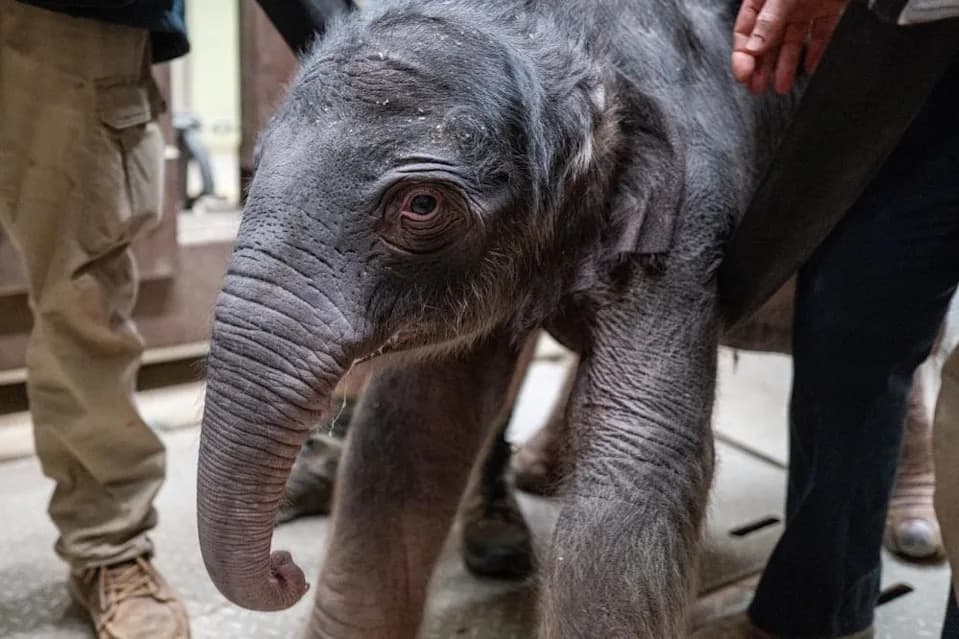
Asian elephant populations are estimated at between 30,000 and 50,000 animals and face severe pressure from human-driven habitat loss. As natural ranges shrink and fragmentation increases, encounters between people and elephants are becoming more frequent and, at times, deadly. Conservationists warn that such incidents underscore the need for strengthened habitat protection, better early-warning systems, and coordinated responses from wildlife and community authorities.
Local and state authorities are coordinating response efforts and investigations. Further updates will follow as officials confirm details and outline measures to protect communities and manage the animal humanely.
Help us improve.