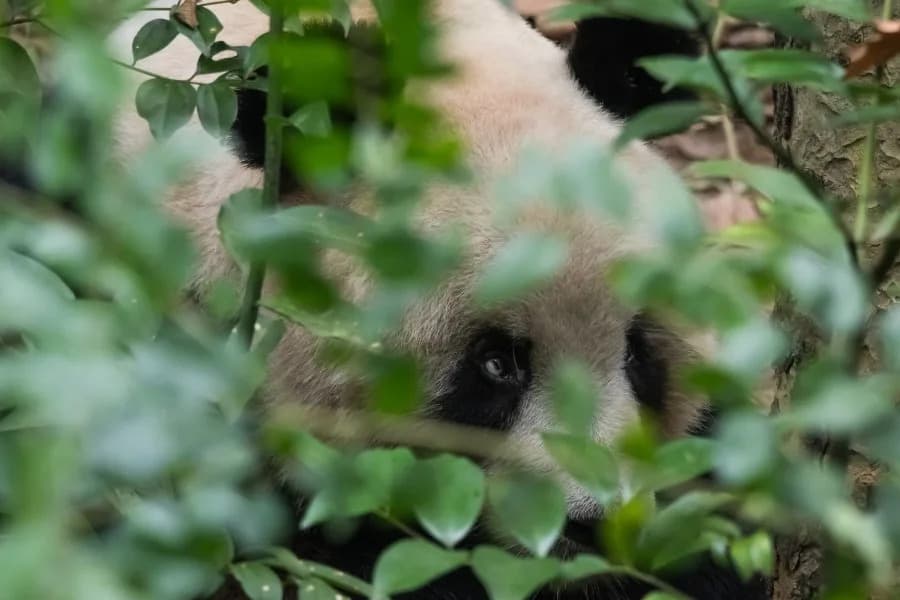
Tokyo’s Ueno Zoo held a final viewing for twin pandas Xiao Xiao and Lei Lei before their scheduled return to China, leaving Japan without pandas for the first time in about 50 years. The twins, born at Ueno in 2021, attracted large crowds despite a one-minute viewing limit. Their departure comes amid strained Japan–China relations, and experts warn of an economic hit to the local area—estimated at about 20 billion yen annually—if pandas remain absent.
Last Chance To See Ueno’s Panda Twins — Xiao Xiao and Lei Lei Return to China as Ties Cool
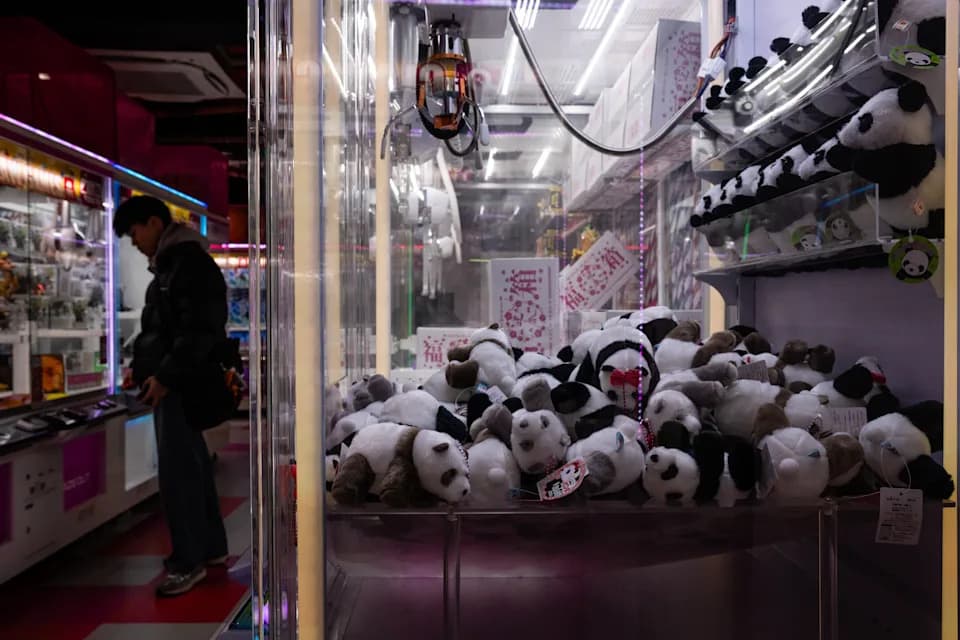
Plush panda toys are displayed inside a claw machine at an arcade near Ueno Zoo in Tokyo, Thursday, Jan. 8, 2026. (AP Photo/Louise Delmotte)(ASSOCIATED PRESS)
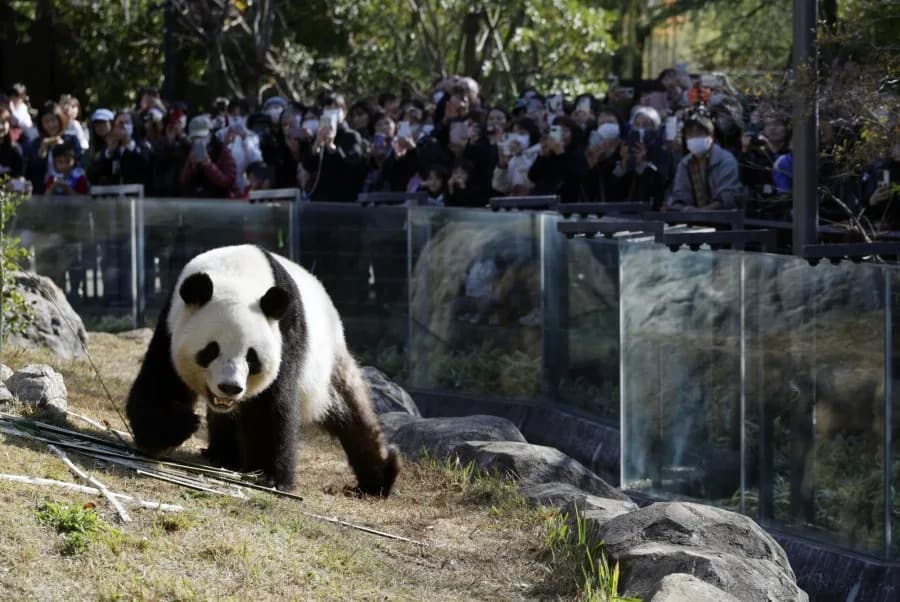
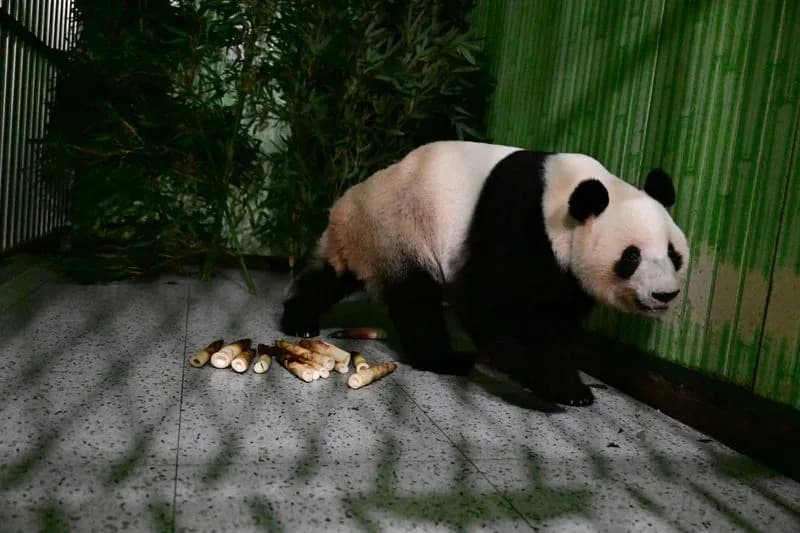
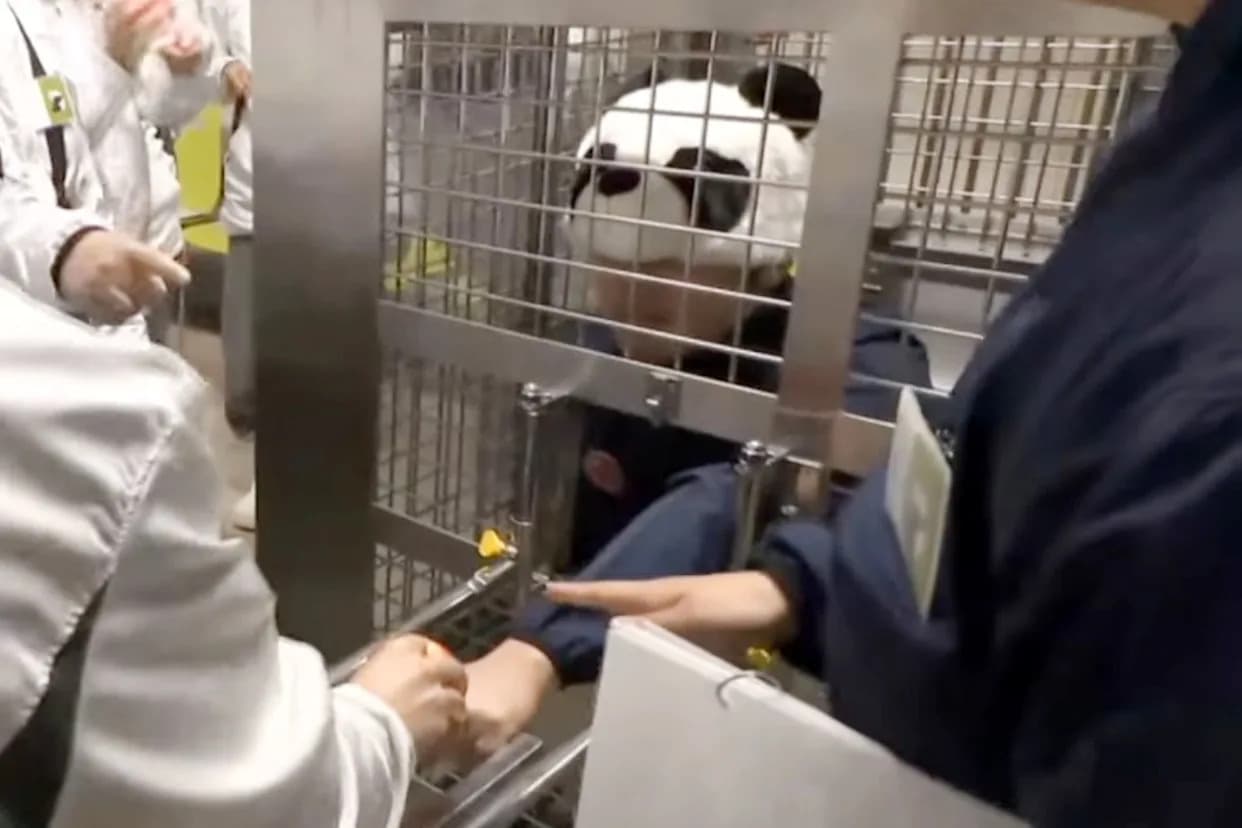
Tokyo’s Ueno Zoo held a final public viewing for the twin giant pandas Xiao Xiao and Lei Lei ahead of their scheduled return to China, marking the first time in roughly 50 years that Japan will be without pandas on display.
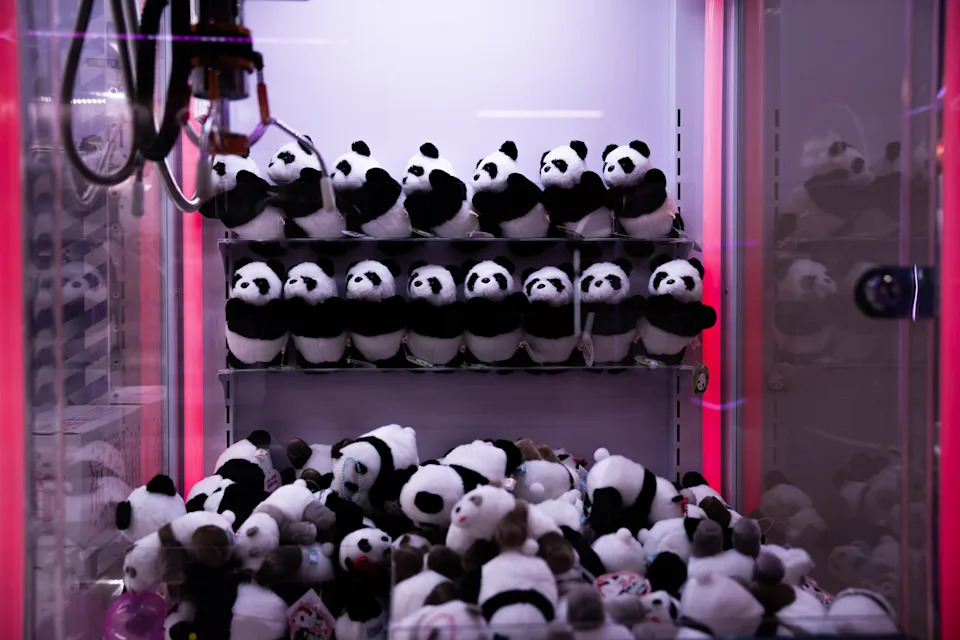
Plush panda toys are displayed inside a claw machine at an arcade near Ueno Zoo in Tokyo, Thursday, Jan. 8, 2026. (AP Photo/Louise Delmotte)(ASSOCIATED PRESS)
Final Public Viewing
The twins, born at Ueno in 2021, drew large crowds despite a strict one-minute viewing limit imposed by the zoo. Visitors—many clutching panda toys and phones—called the bears’ names and filmed them as they nibbled bamboo and ambled around their enclosure. The departure is scheduled for Tuesday.
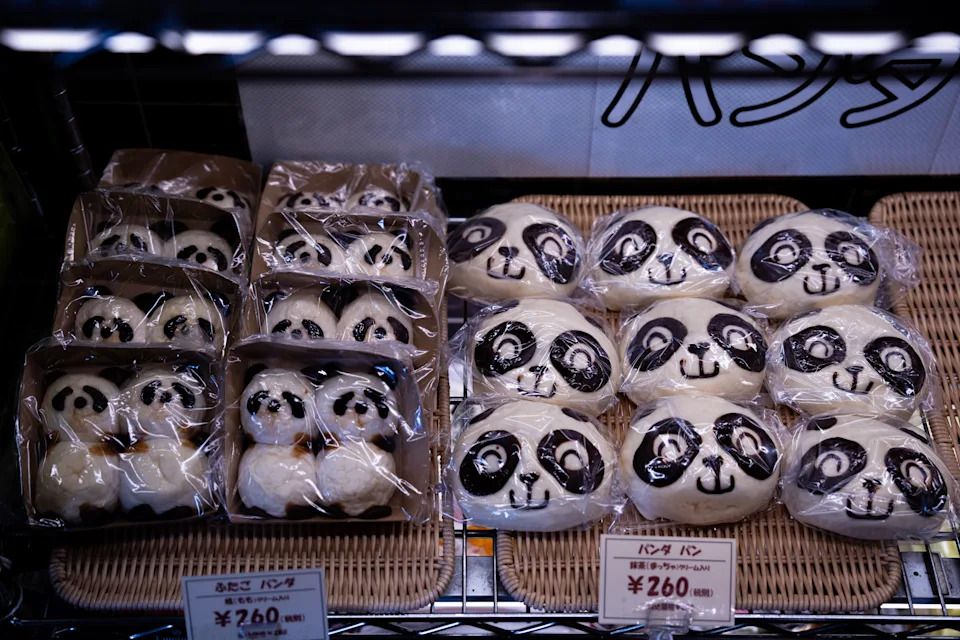
Panda-shaped buns are displayed for sale at a bakery near Ueno Zoo in Tokyo, Thursday, Jan. 8, 2026. (AP Photo/Louise Delmotte)(ASSOCIATED PRESS)
Pandas and Diplomacy
China has historically used giant pandas as a soft-power symbol, gifting pairs to mark diplomatic openings and later switching to loan agreements. Beijing maintains ownership of pandas it lends out, including any cubs born abroad. When asked whether China would lend pandas to Japan again, Chinese Foreign Ministry spokesperson Guo Jiakun said:
“I know giant pandas are loved by many in Japan, and we welcome Japanese friends to come visit them in China.”
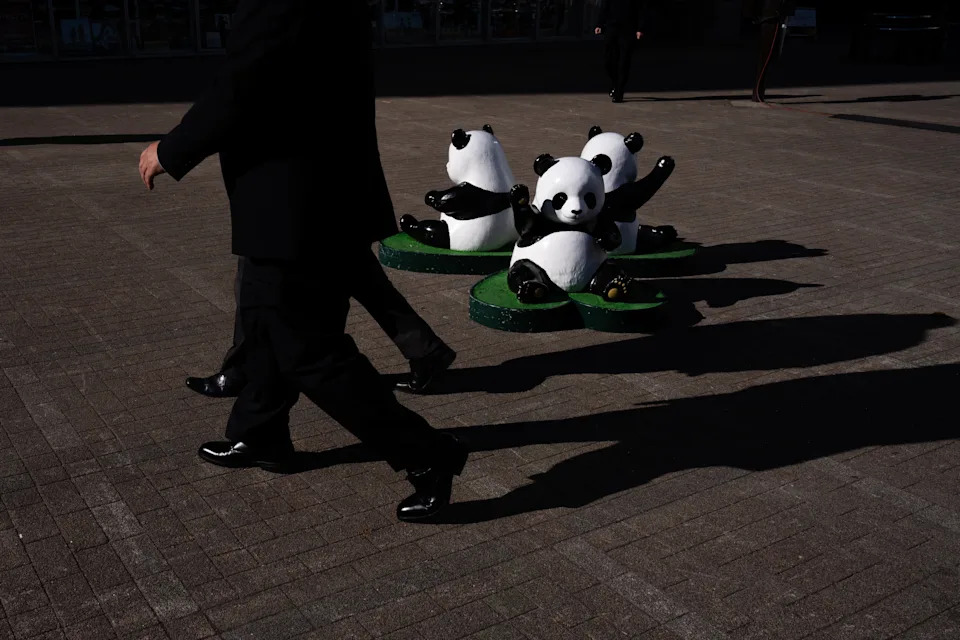
Pedestrians pass panda statues in a square near Ueno Zoo in Tokyo, Thursday, Jan. 8, 2026. (AP Photo/Louise Delmotte)(ASSOCIATED PRESS)
Strained Japan–China Relations
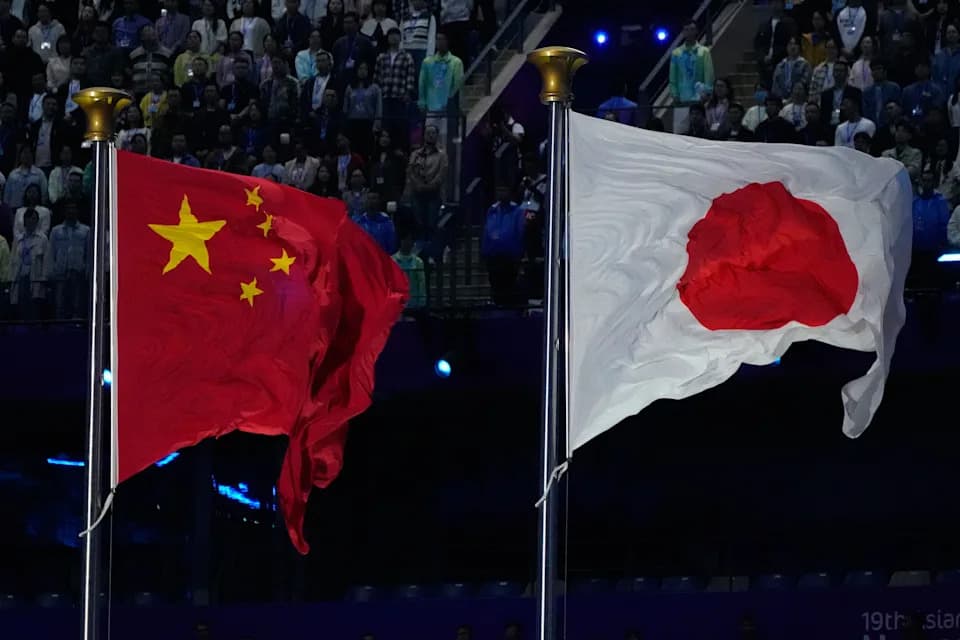
The pandas’ departure comes amid rising political, trade and security tensions between Tokyo and Beijing. Relations cooled further after remarks by Prime Minister Sanae Takaichi suggesting that potential Chinese action against Taiwan could lead to Japanese involvement—comments that angered Beijing. Japan’s top government spokesperson, Minoru Kihara, also confirmed that the Japanese consulate in Chongqing has been without an approved consul for a month because China has delayed approval.
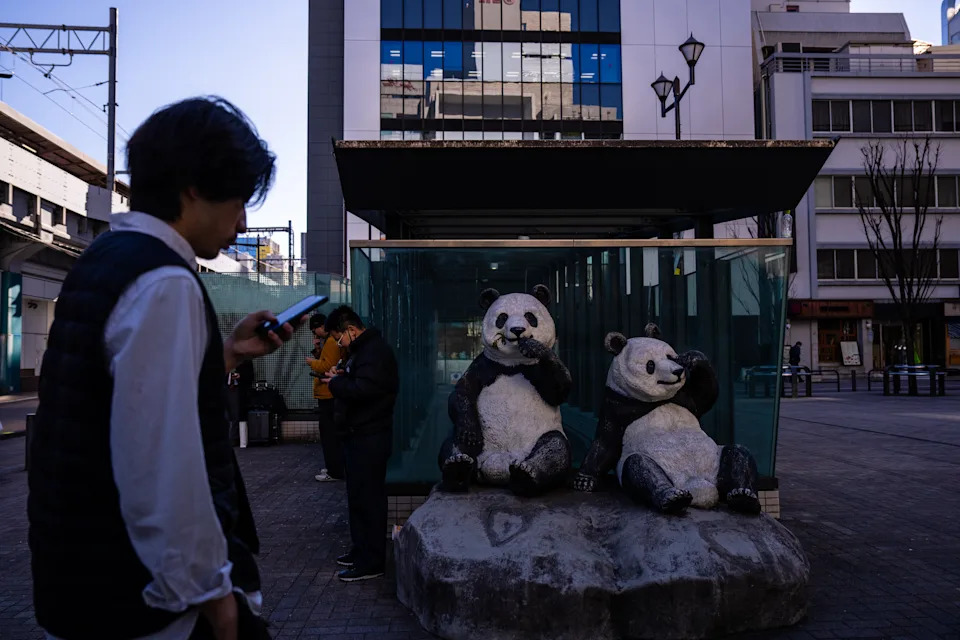
Pedestrians pass panda statues in a square near Ueno Zoo in Tokyo, Thursday, Jan. 8, 2026. (AP Photo/Louise Delmotte)(ASSOCIATED PRESS)
Local Impact And Devoted Fans
Pandas are a cultural fixture around Ueno: shops sell panda-themed sweets, stationery and plush toys, and local businesses rely on the zoo’s draw. Katsuhiro Miyamoto, an economics professor at Kansai University, estimates that the absence of pandas could cost the local economy about 20 billion yen (roughly $128 million) annually if the situation persists for several years.
Among the most ardent fans is web engineer Takahiro Takauji, who says he has photographed Ueno’s pandas for 15 years and has taken more than 10 million panda photos. Takauji described photographing as many as 5,000 stills during a one-minute viewing to capture every motion of the twins and calls them “just like my own children.”
Historical Context
The first pandas sent to Japan—Kang Kang and Lan Lan—arrived at Ueno on Oct. 28, 1972, shortly after diplomatic normalization between Tokyo and Beijing. Since the 1980s, China has largely shifted to loan programs that include conservation and research fees. Panda loans have occasionally been affected by political disputes: a proposed panda placement in Sendai after the 2011 tsunami was shelved following a 2012 territorial dispute.
What Comes Next
With Beijing owning the animals it lends, the timing or likelihood of new pandas returning to Japan is uncertain while bilateral ties remain strained. For now, local businesses, zoo staff and devoted fans are left hoping that the cultural icon will return to Ueno in the future.
Help us improve.