A leading drone expert warns that Iranian drone swarms present a credible threat to the USS Abraham Lincoln carrier strike group, citing low-cost, mass-produced drones used in saturation attacks. The carrier group was reported to be close to, but not yet inside, CENTCOM waters as the U.S. reinforces forces in the region with fighter jets and transport aircraft. Experts say Iran has an advantage in cheaper Category One and Two drones, while more advanced systems remain limited.
Defense Expert: Iranian Drone Swarms Pose Credible Threat To USS Abraham Lincoln
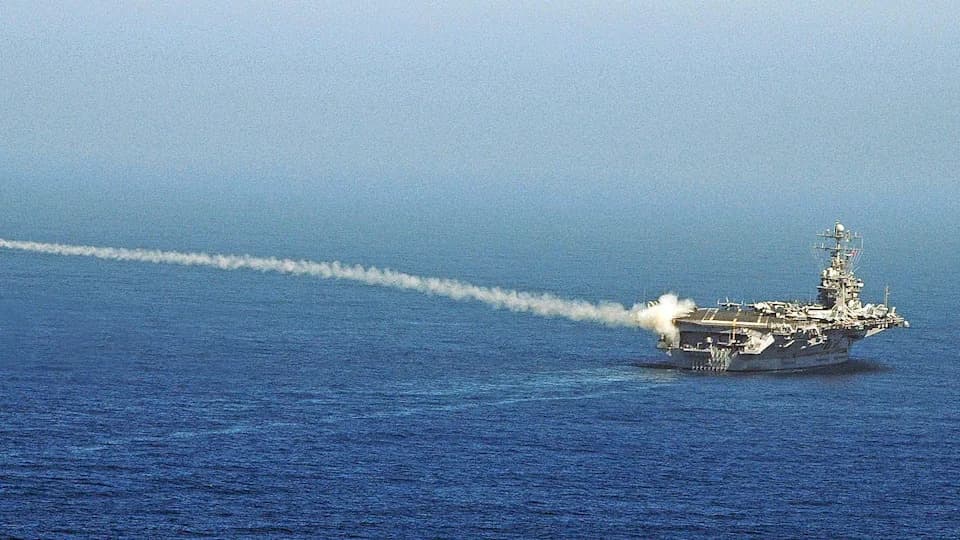
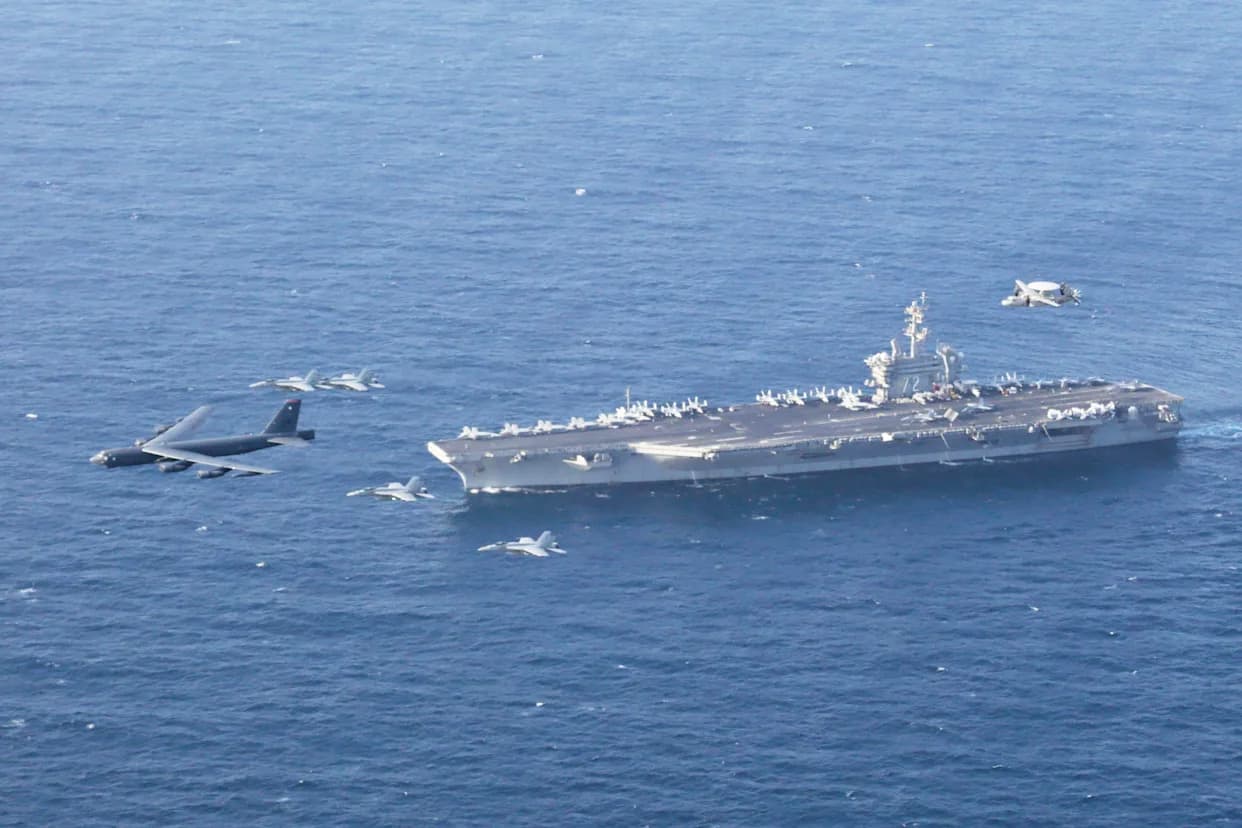
In this handout photo provided by the U.S. Navy, a RIM-7P NATO Sea Sparrow Missile launches from the Nimitz-class aircraft carrier USS Abraham Lincoln (CVN 72) during a stream raid shooting exercise on Aug. 13, 2007, at sea.(Getty Images)
U.S. military forces en route to the Middle East could face a significant risk from Iranian drone swarms, a leading drone specialist warned, even as reports indicate Iran’s supreme leader has moved to an underground shelter amid rising domestic unrest.
Expert Warning
Cameron Chell, CEO and co-founder of Draganfly, told Fox News Digital that Tehran’s growing reliance on low-cost, mass-produced unmanned aerial systems creates a credible asymmetric threat to high-value naval assets such as the USS Abraham Lincoln carrier strike group.
"Iran’s drone capabilities are worth well into the tens of millions of dollars. By pairing low-cost warheads with inexpensive delivery platforms, essentially remotely piloted aircraft, Iran has developed an effective asymmetric threat against highly sophisticated military systems."
Chell warned that Iran can launch large numbers of relatively simple drones in coordinated saturation attacks that could overwhelm traditional ship defenses. "If hundreds are launched in a short period of time, some are almost certain to get through," he said, noting that modern naval defenses were not originally designed to counter that scale of attack.
What the U.S. Is Doing
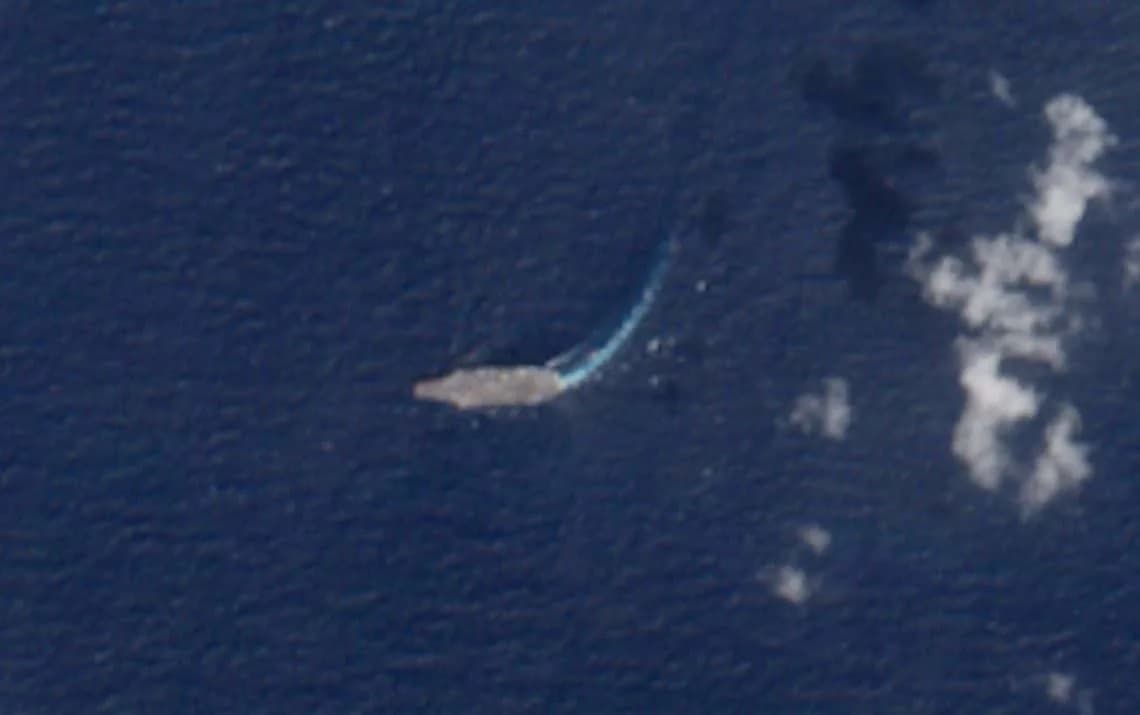
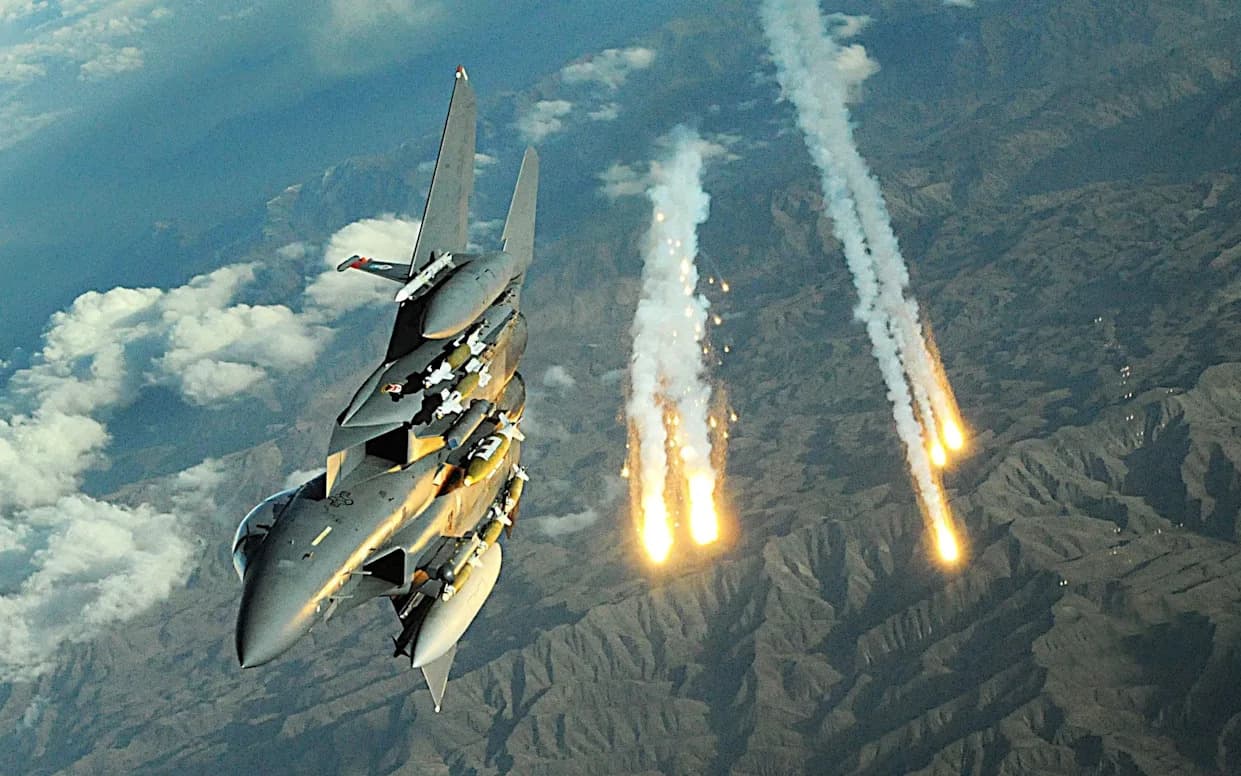
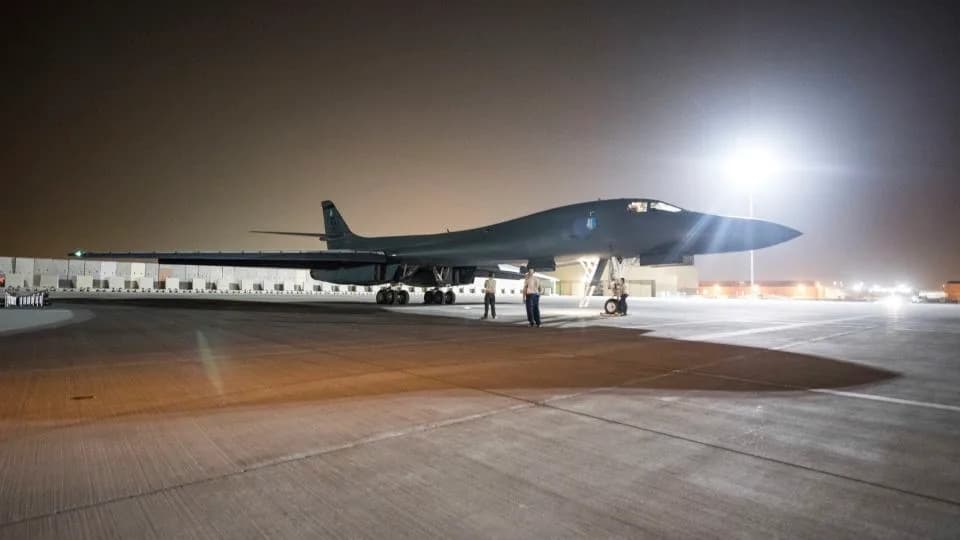
A senior U.S. official told Fox News Digital the USS Abraham Lincoln strike group had not yet entered U.S. Central Command (CENTCOM) waters in the Indian Ocean: "It is close, but technically not in CENTCOM yet." U.S. officials say Washington is reinforcing its posture in the region — deploying a squadron of F-15 fighter jets and C-17 transport aircraft carrying heavy equipment — while closely monitoring developments in Syria and inside Iran.
Officials added that even after the carrier group transits into CENTCOM’s area of operations, it could take several days before the strike group is fully on station and at full operational readiness.
Drone Categories And Capabilities
Chell described Iran’s early advantage in so-called Category One and Category Two drone systems — inexpensive platforms that can be produced in quantity and used effectively in asymmetric engagements. He said Category Three systems, which include more advanced long-range and survivable platforms, remain an area where Iran lags significantly behind the United States.
"These drones give Iran a very credible way to threaten surface vessels. U.S. assets in the region are large, slow-moving and easily identifiable on radar, which makes them targetable," Chell said.
He emphasized the particular danger posed by one-way strike drones designed to fly into a target and detonate, and cautioned that allied navies are rapidly developing countermeasures even as uncertainty persists about how current carrier defenses would perform against coordinated formations.
Context And Regional Tensions
The military buildup coincides with widespread unrest in Iran after protests that began on Dec. 28. The Human Rights Activists News Agency (HRANA) reported casualty figures of 5,459 as of Sunday, with 17,031 cases under investigation. Separately, reports say Supreme Leader Ayatollah Ali Khamenei moved to a fortified underground shelter following assessments of increased risk of a possible U.S. strike.
On Jan. 21, President Donald Trump commented on the deployment: "We have a big flotilla going in that direction, and we’ll see what happens. We have a big force going towards Iran. I’d rather not see anything happen, but we’re watching them very closely."
While U.S. and allied forces work to field improved defenses, the evolving threat from low-cost, high-volume drone systems underscores a shifting risk environment for surface vessels operating near Iran.
Help us improve.