The courts delivered two significant setbacks to the administration's recent immigration measures: a federal judge temporarily blocked a DHS memo requiring seven days' notice for congressional visits to ICE detention facilities, and another judge paused plans to terminate Temporary Protected Status for Haitian nationals. Judge Jia M. Cobb found the advance-notice rule likely impeded congressional oversight, while Judge Ana C. Reyes questioned whether the TPS termination was motivated by hostility to nonwhite immigrants. These rulings come amid contentious budget negotiations over DHS funding and follow an announcement to deploy body cameras for DHS officers.
Thawing ICE: Courts and Body Cameras Check Trump Administration's Immigration Moves
Thawing ICE
Two recent court orders and a high-profile policy announcement have stalled several Trump administration immigration initiatives this week, delivering a notable — if temporary — check on enforcement practices and departmental directives.
Judicial Checks On Congressional Access To Detention Facilities
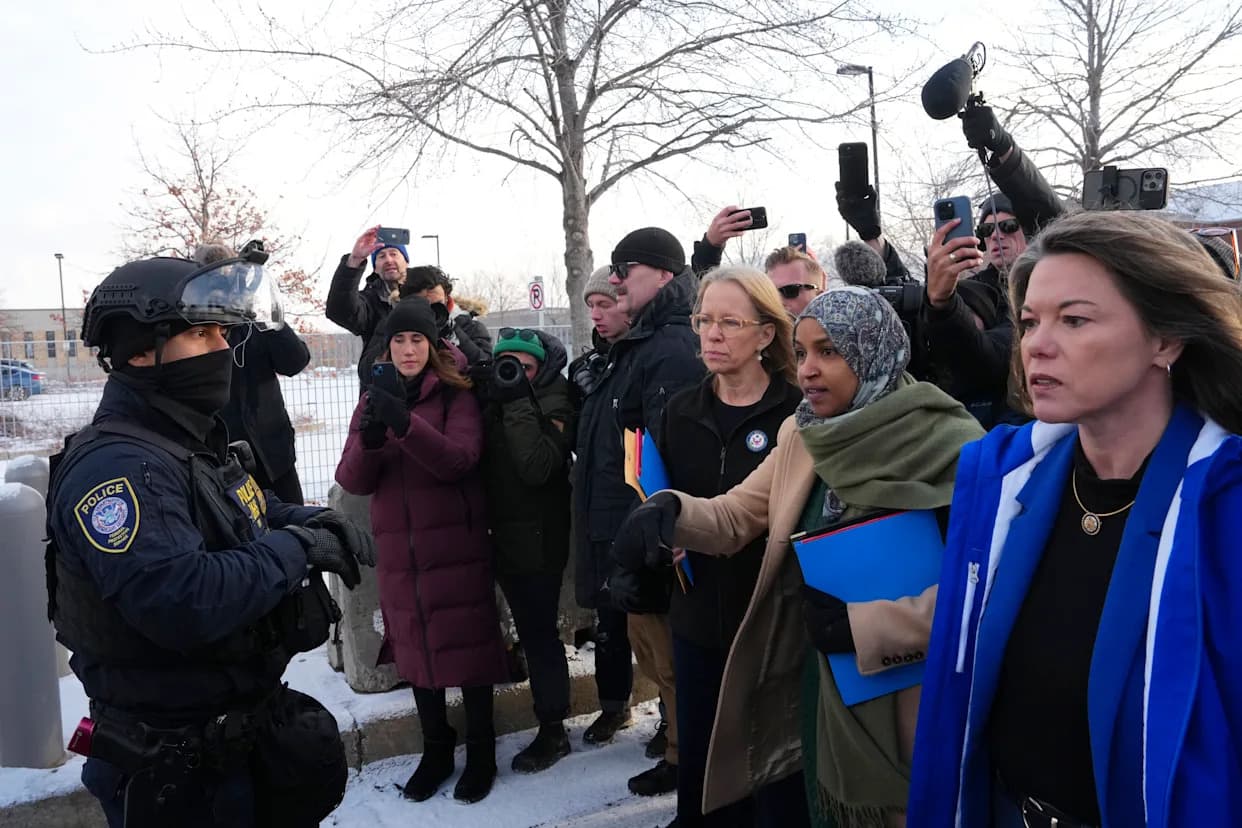
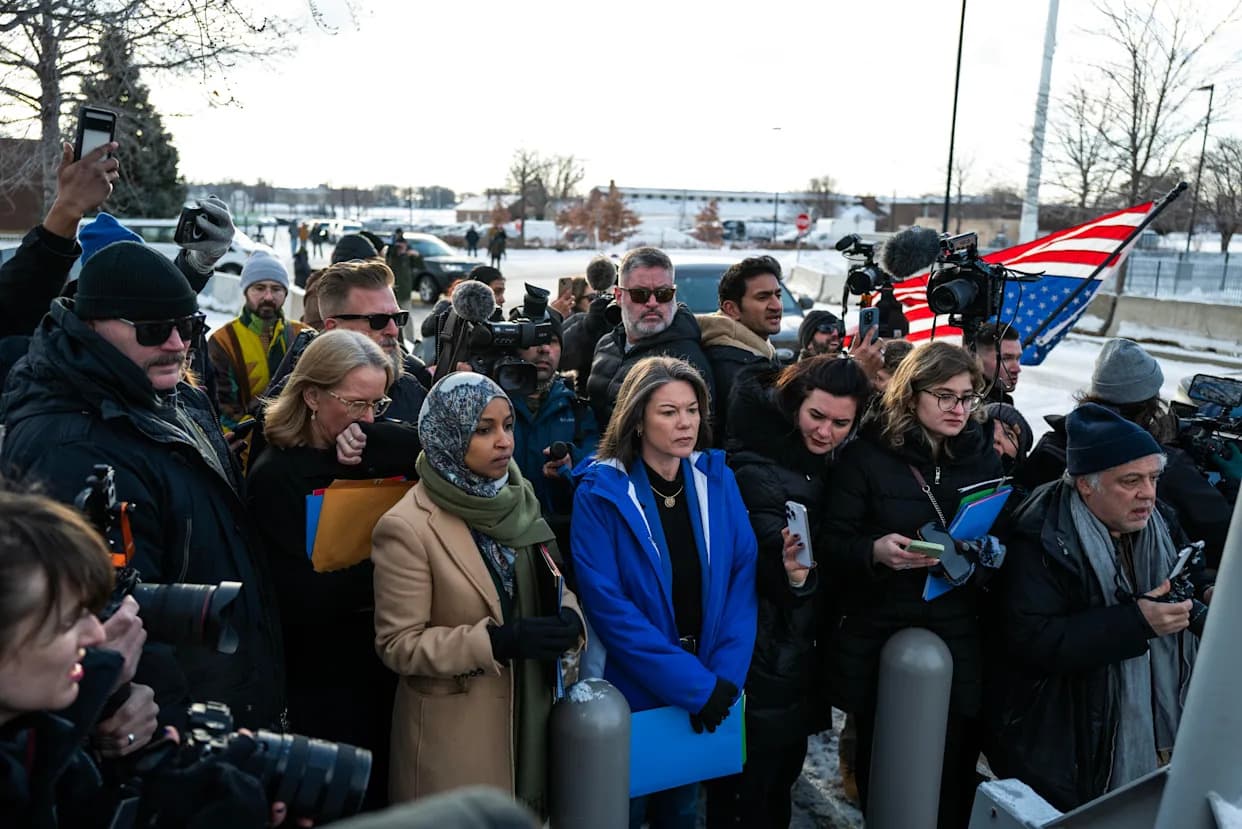
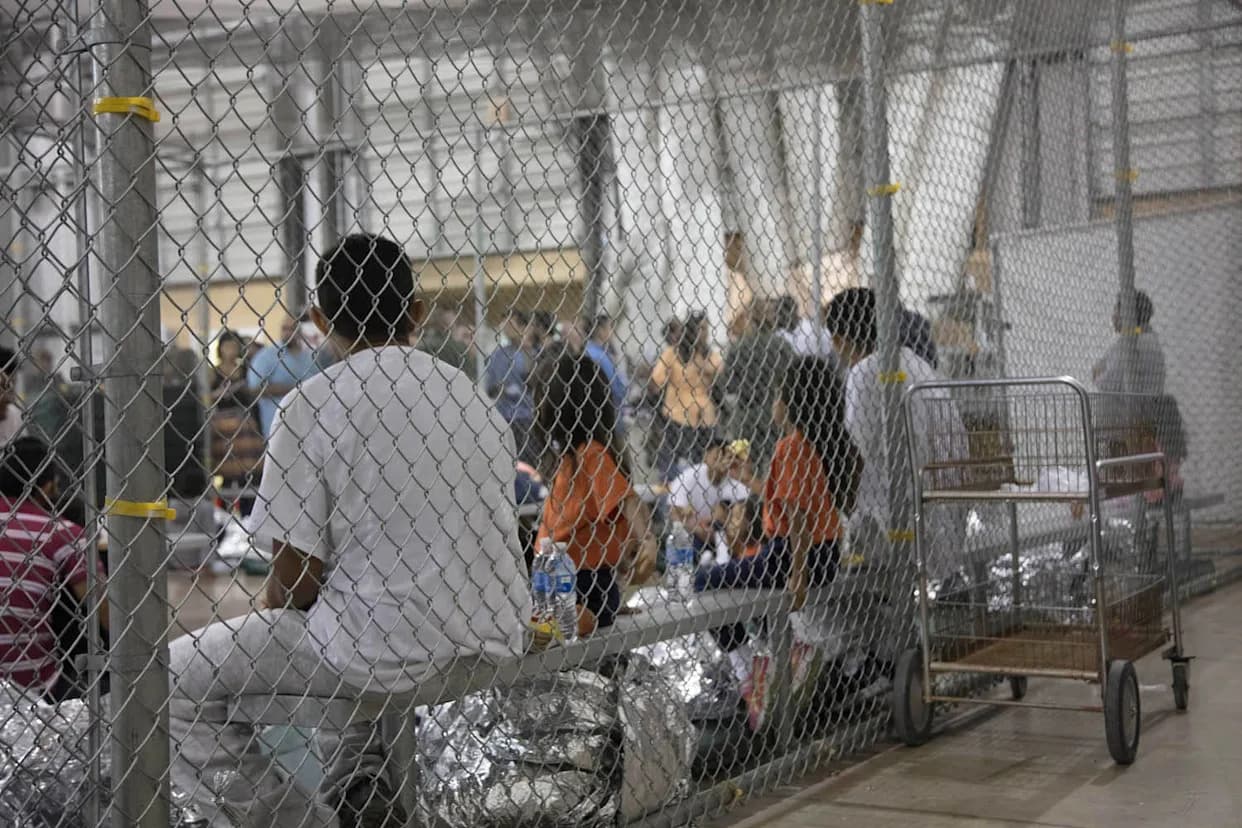
A federal judge issued a temporary stay blocking a Department of Homeland Security (DHS) memo that required members of Congress to provide seven days' advance notice before entering ICE detention facilities. The order follows an earlier decision by Judge Jia M. Cobb of the U.S. District Court for the District of Columbia that enjoined enforcement of a closely related advance-notice requirement.
The lawsuit was filed by Rep. Joe Neguse (D–Colo.) and a group of House Democrats after lawmakers said they had been prevented from conducting unannounced oversight visits to immigration sites. Judge Cobb found the prior policy closely resembled a wrongful restriction on congressional oversight and cited testimony that DHS could not reliably show it would use only the specific funds the administration claimed to implement the rule.
Judge Cobb: The Court has already found that DHS's promulgation, implementation, and enforcement of a nearly identical requirement qualified as Defendants "us[ing]" funds "to prevent" Members of Congress from entering facilities as is prohibited.
Temporary Protected Status For Haitians Paused
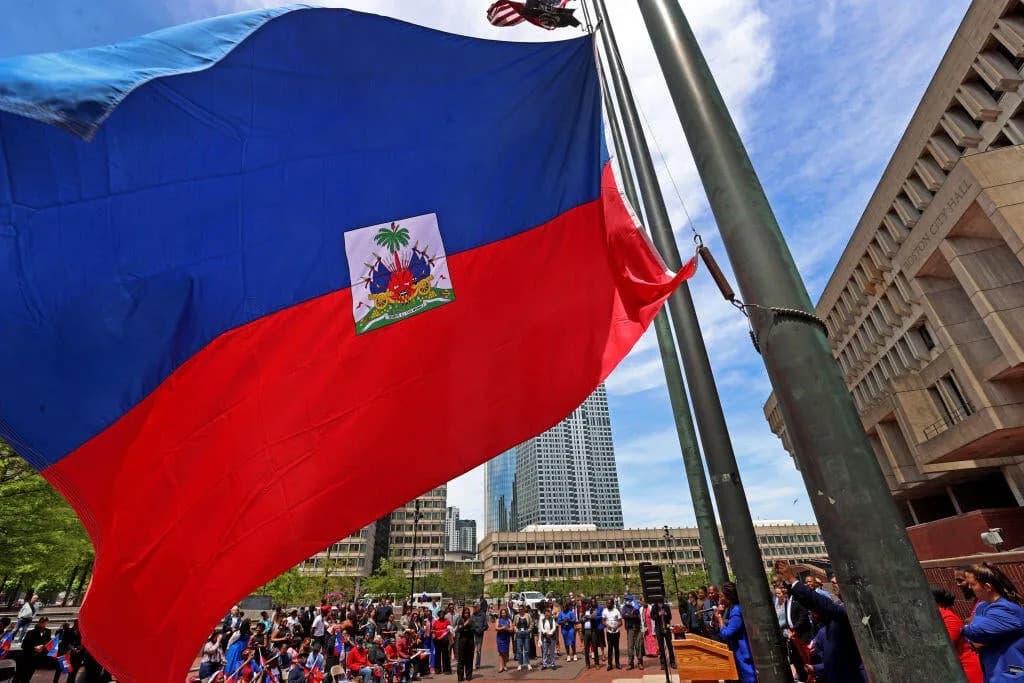
In a separate and larger setback, Judge Ana C. Reyes of the U.S. District Court for the District of Columbia temporarily blocked the administration's effort to terminate Temporary Protected Status (TPS) for Haitian nationals. The ruling prevents the immediate termination of TPS while a legal challenge proceeds, protecting hundreds of thousands of migrants who obtained the designation and work authorization under earlier determinations.
Judge Reyes wrote that it was "substantially likely" that the decision to end TPS for Haitians was influenced by animus toward nonwhite immigrants, citing public remarks attributed to DHS leadership that expressed hostile views about migrants from certain countries.
Political Context: Funding Fights And Oversight Battles
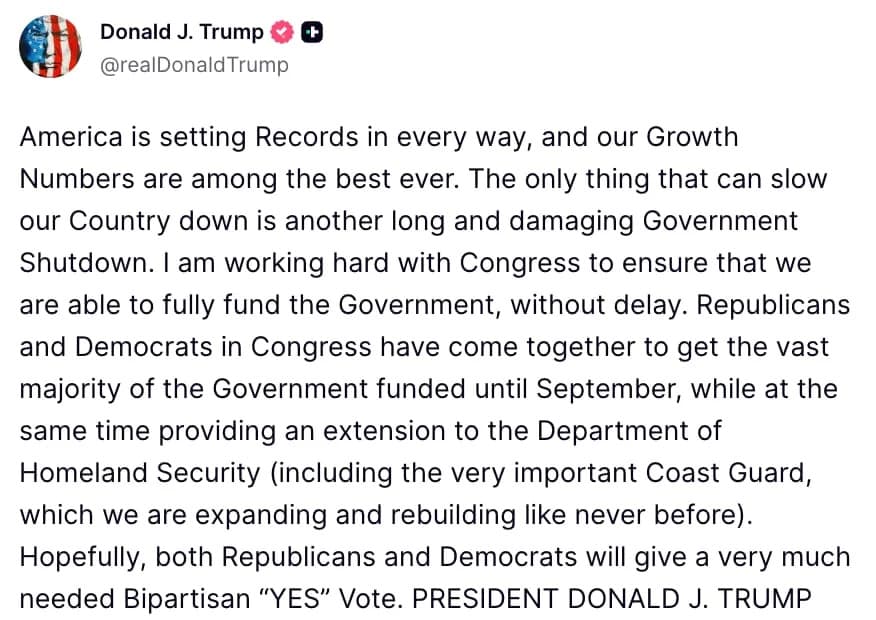
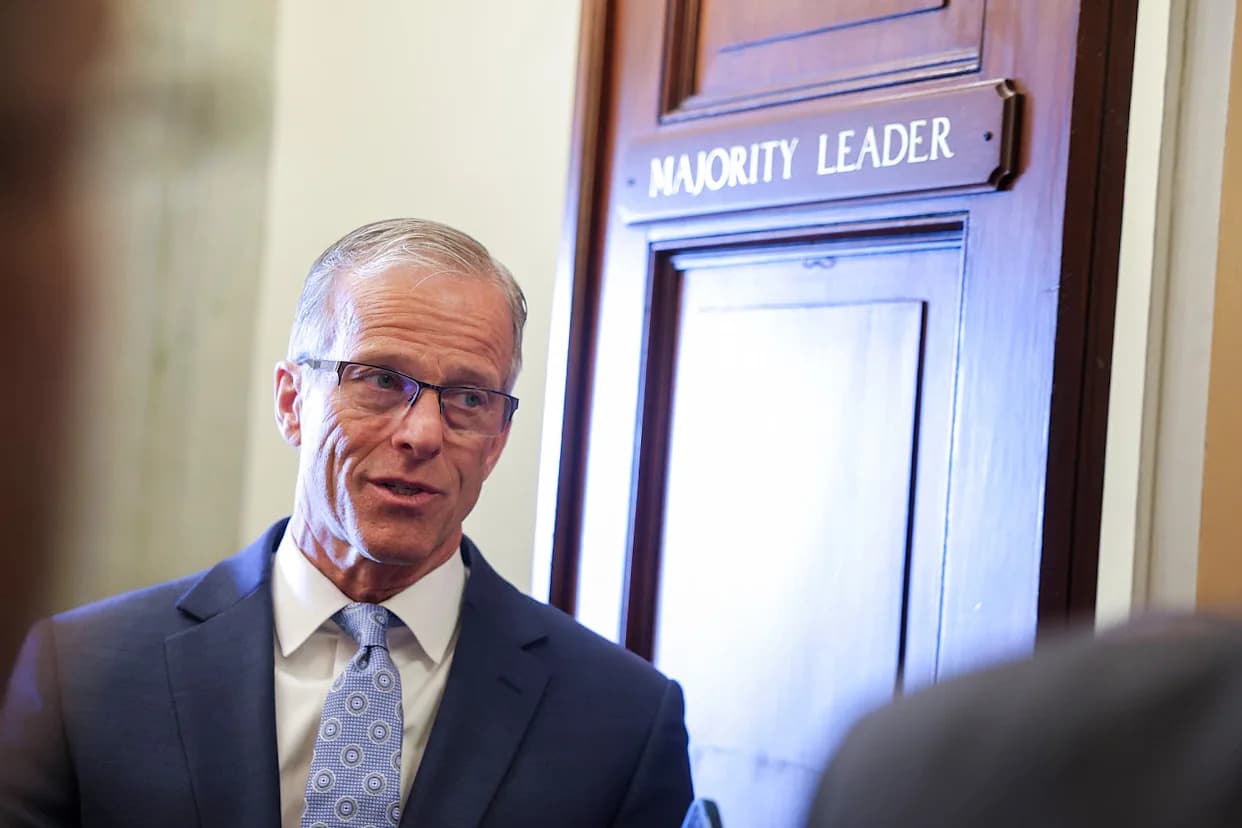
Both rulings come amid heated congressional negotiations over DHS funding and ICE oversight, debates that have been central to efforts to avert a government shutdown. Democrats have resisted measures they say would expand DHS resources without stronger oversight of immigration enforcement, while Republicans have urged quick passage of short-term funding that would maintain current funding levels.
Noem Announces Body-Camera Deployment
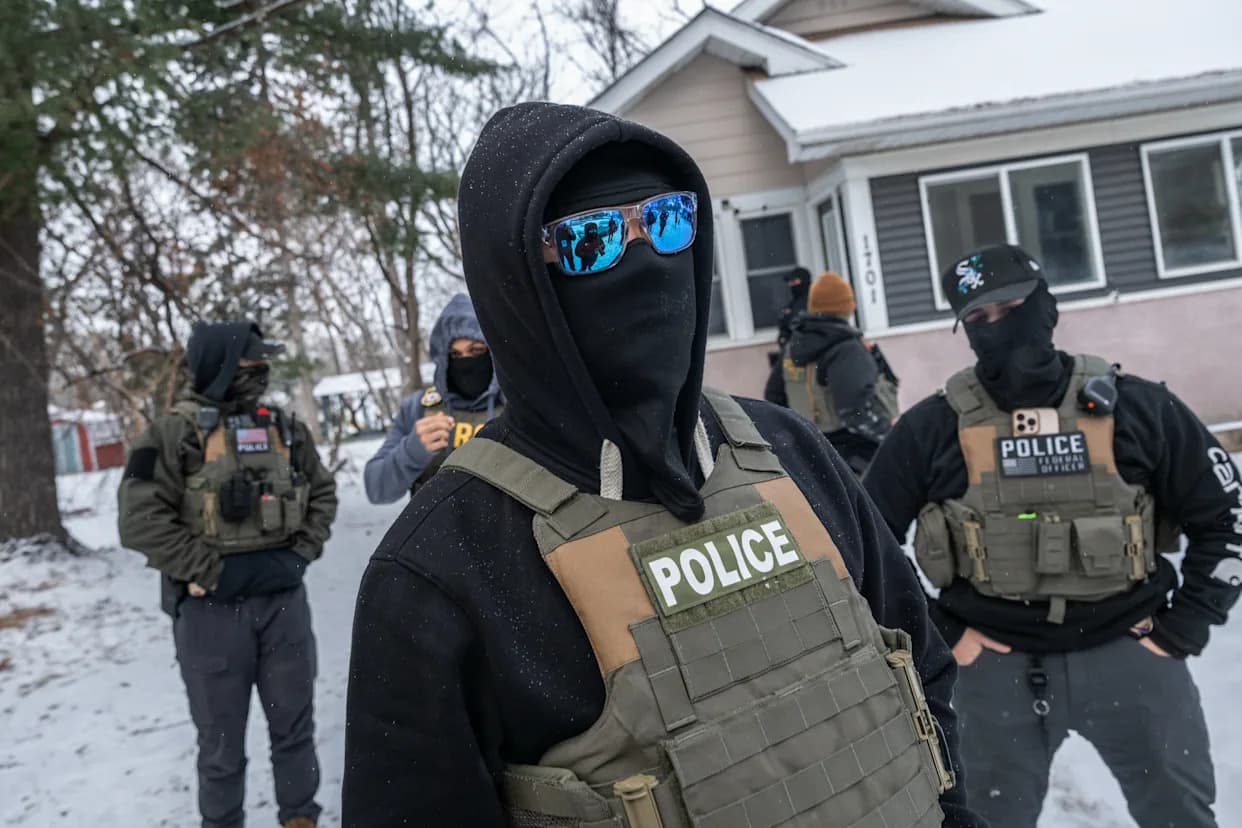
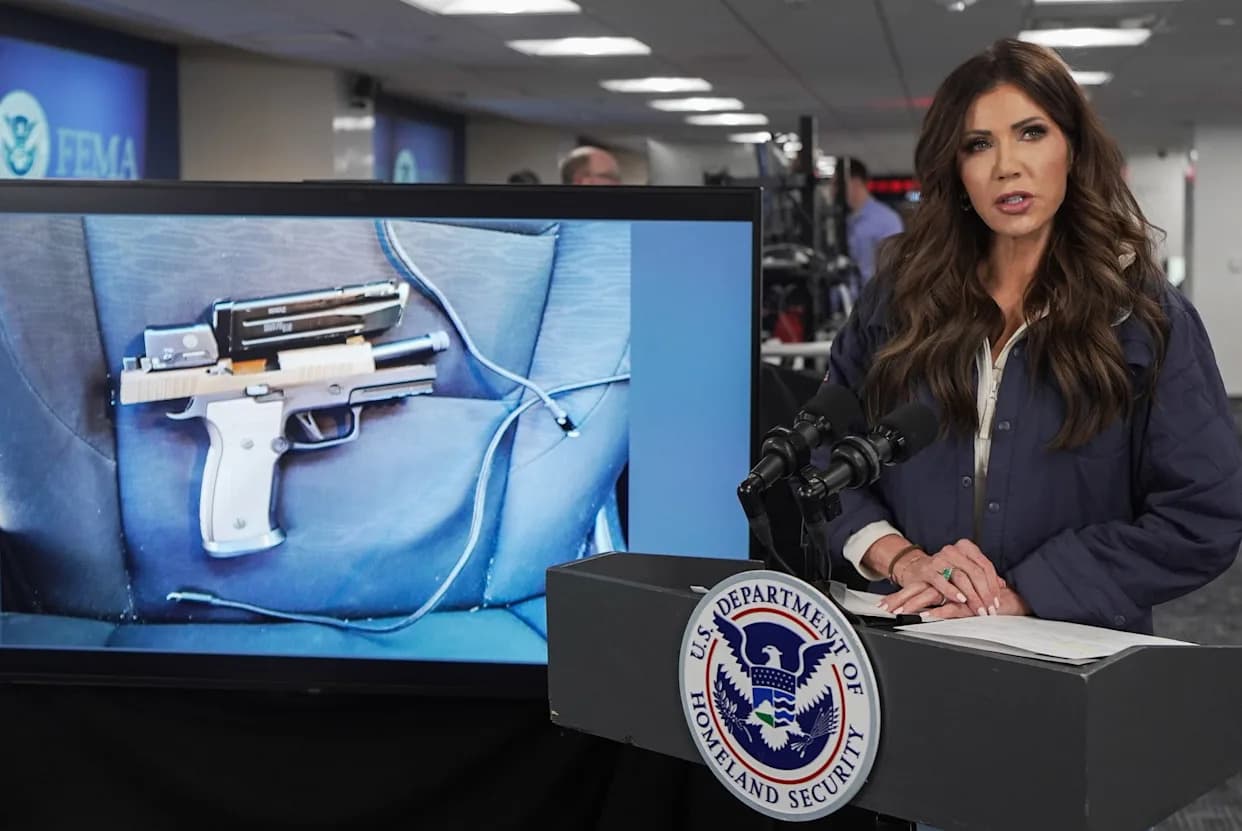
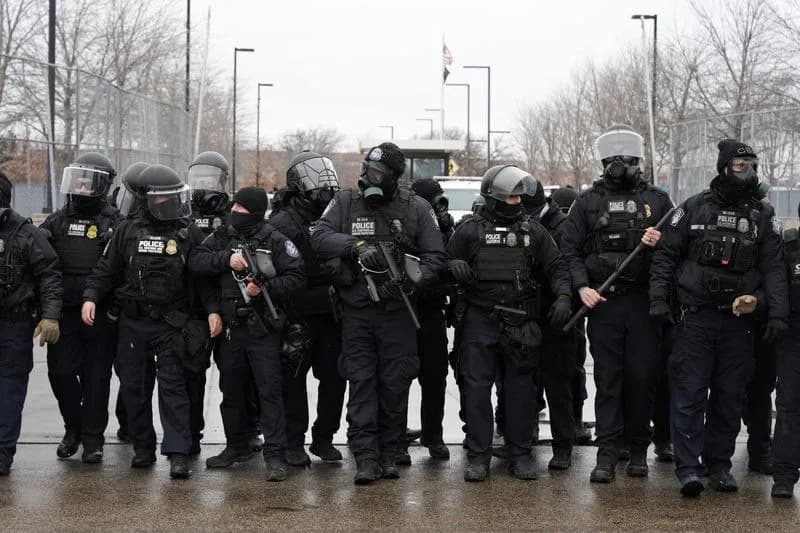
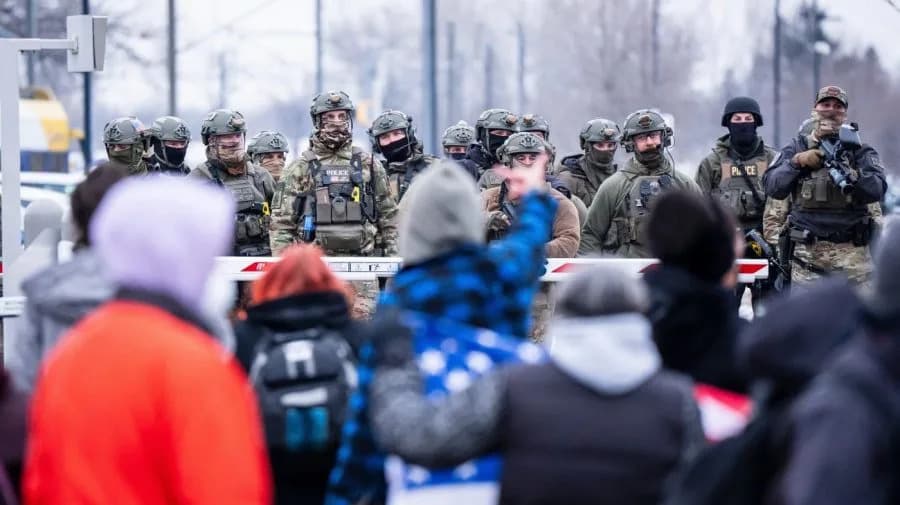
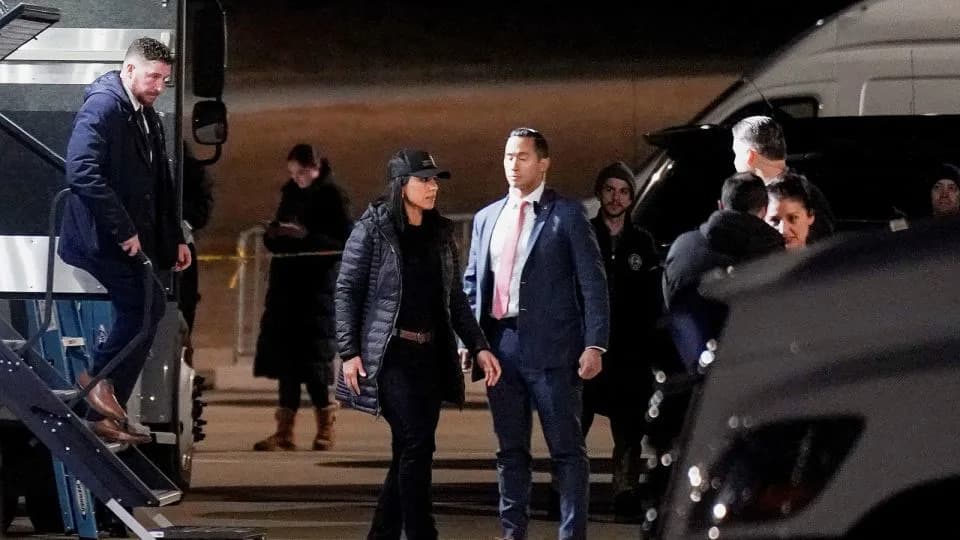
Amid these legal and legislative battles, DHS leadership announced an immediate rollout of body-worn cameras for officers in Minneapolis, with plans to expand nationwide as funding permits. The move mirrored long-standing calls from civil-rights advocates and Democrats for greater transparency in immigration enforcement operations.
Local Reactions And Protests
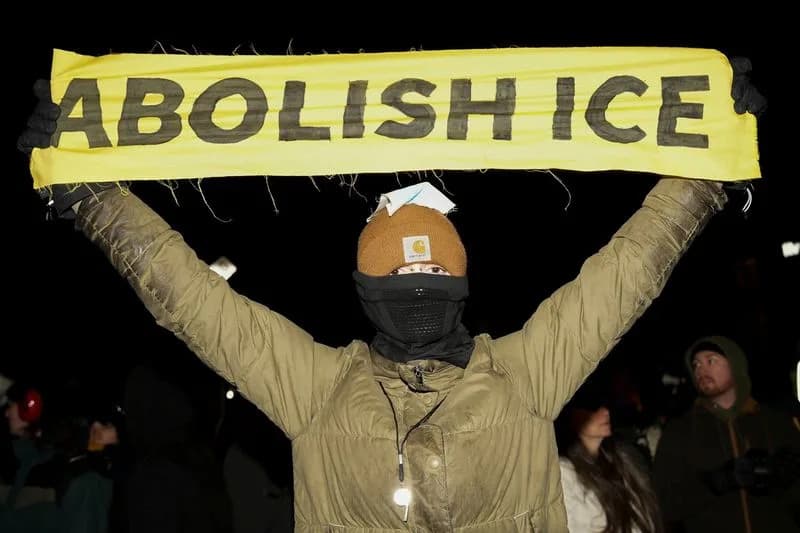
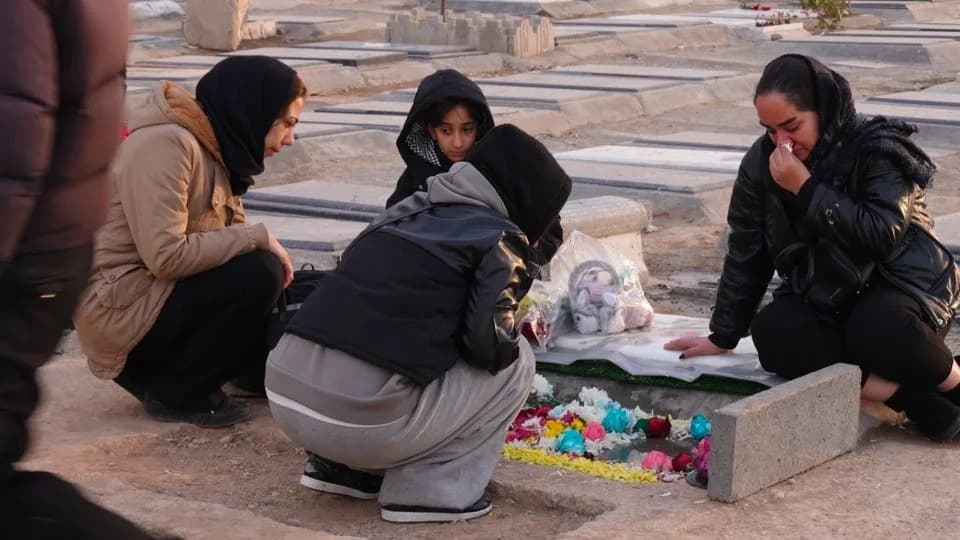
Word of the TPS decision and potential enforcement actions prompted protests in communities with large immigrant populations. In Springfield, Ohio, hundreds gathered at a local church to protest plans to end TPS for Haitian migrants — a reflection of both local concern and the national stakes of the legal battles.
Related Developments
- Questions have arisen about DHS accounts of a Border Patrol shooting in Oregon; court filings reportedly contain statements that contradict the department's initial narrative.
- The administration has moved to end protections for citizens of several countries, including Venezuela, Honduras, Nicaragua, Nepal, Ukraine, Afghanistan, and Cameroon, a shift that has affected hundreds of thousands of people.
- Observers and advocates warned that court decisions are only temporary reprieves and that affected families face prolonged uncertainty while litigation continues.
What Happens Next: Both cases will proceed through the courts, and Congress continues to negotiate DHS funding levels and oversight provisions. The rulings are temporary but significant: they restore, at least for now, congressional access rights and keep TPS protections in place for Haitian nationals while legal challenges unfold.
Help us improve.