The Ninth Circuit ruled that DHS Secretary Kristi Noem exceeded her authority when she terminated Temporary Protected Status for Venezuelan nationals, affirming a lower court decision. The panel also upheld a similar finding regarding early termination for Haitian nationals and noted significant consequences for TPS holders. However, the ruling has no immediate effect because the U.S. Supreme Court allowed the termination to take effect while it reviews the case. Key figures: 268,156 Venezuelans lost TPS; tens of thousands of pending applications were terminated.
Ninth Circuit Rules Noem Illegally Ended TPS For Venezuelans — 268,156 Affected

Federal court rules Noem terminating temporary protected status for Venezuelans in US was illegal
A three-judge panel of the U.S. Court of Appeals for the Ninth Circuit ruled late Wednesday that Department of Homeland Security Secretary Kristi Noem acted unlawfully when she terminated Temporary Protected Status (TPS) for Venezuelan nationals living in the United States. The panel upheld a lower court’s finding that the secretary exceeded her statutory authority by vacating a Biden-era TPS designation for Venezuela.
Background
TPS shields eligible migrants from deportation and allows them to work legally in the United States while conditions in their home countries are judged unsafe. The Trump administration had argued that TPS for Venezuela created a "magnet effect" that encouraged irregular migration and undermined border enforcement; DHS cited public safety, national security, migration, economic, and foreign-policy considerations when moving to end the designation.

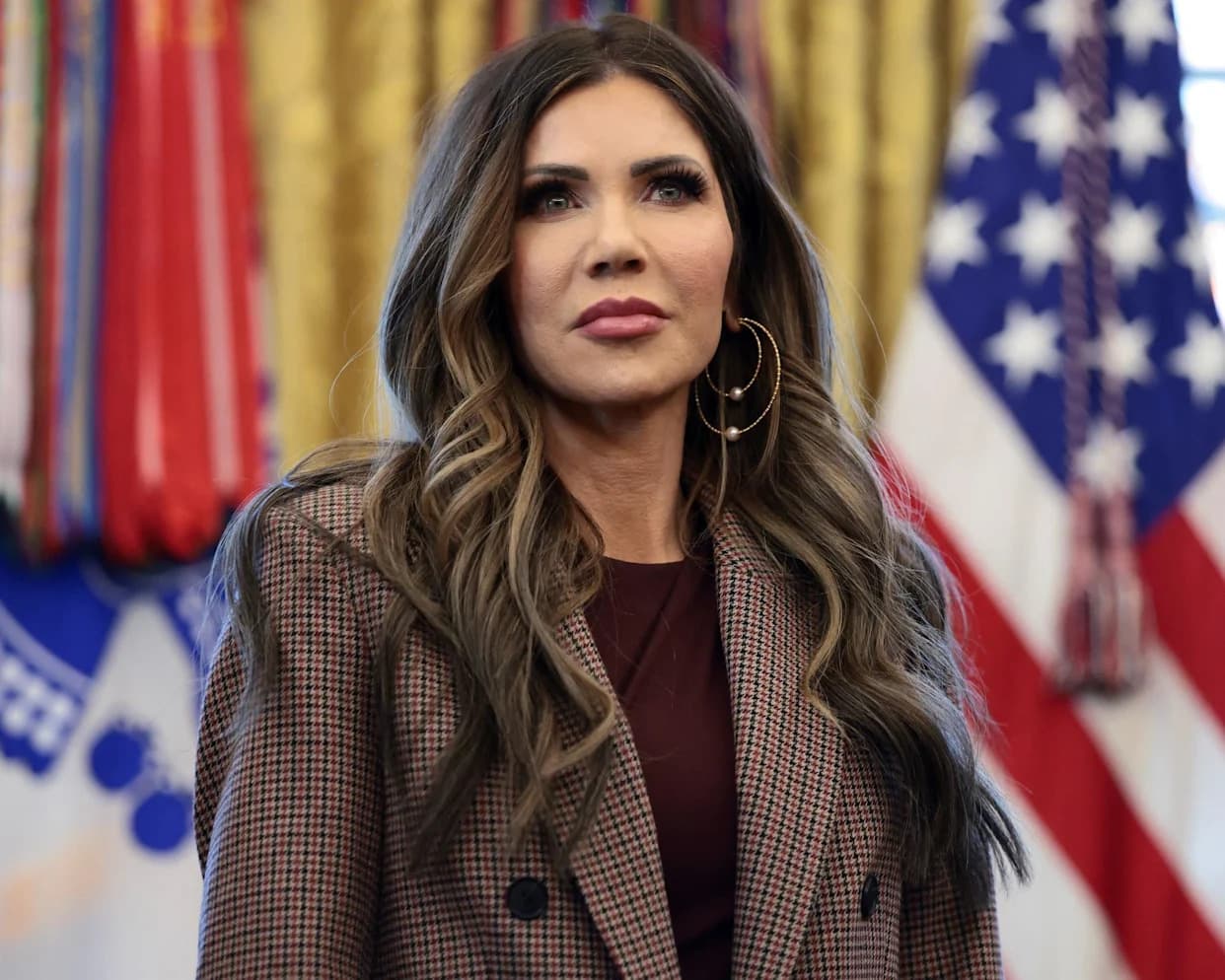
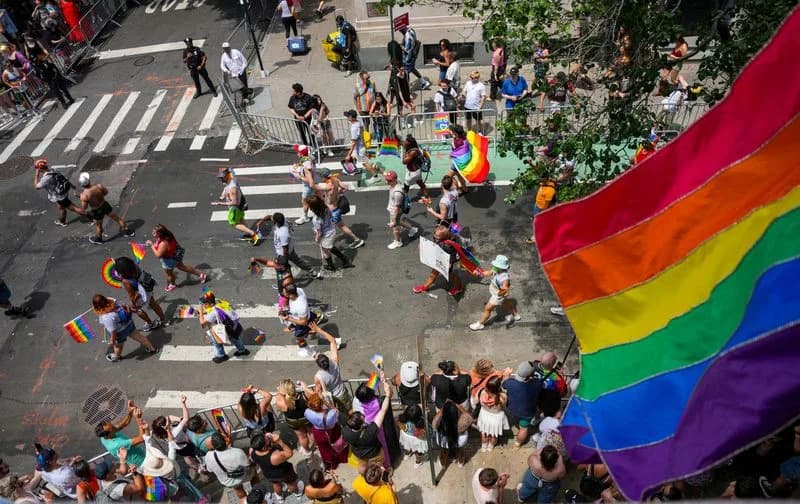
A federal appeals court ruled late Wednesday that Homeland Security Secretary Kristi Noem acted unlawfully when she ended legal protections allowing hundreds of thousands of Venezuelans to live and work in the United States.(Getty Images)
What the Court Found
Writing for the panel, Ninth Circuit Judge Kim Wardlaw (nominated by President Bill Clinton) said the TPS statute contains "numerous procedural safeguards that ensure individuals with TPS enjoy predictability and stability during periods of extraordinary and temporary conditions in their home country." She concluded that Noem's action to vacate the designation exceeded the authority Congress granted to the secretary and was therefore unlawful.
"Noem's unlawful actions have had real and significant consequences," Wardlaw wrote, noting cases of TPS holders who were detained or deported after losing protections.
Judge Salvador Mendoza Jr., writing separately, said the record contained "ample evidence of racial and national origin animus," reinforcing the lower court’s conclusion that Noem’s decisions were preordained and that the public reasoning offered was likely pretextual.

Venezuelan migrants deported from the United States arrive at Simon Bolivar International Airport in Maiquetia, Venezuela, on Feb. 20, 2025.
Practical Impact
Although the Ninth Circuit reinstated the lower court’s legal finding, the decision has no immediate practical effect: in October the U.S. Supreme Court allowed Noem’s termination to take effect while it considers the case. According to U.S. Citizenship and Immigration Services (USCIS) figures shared with Fox News Digital, Noem’s termination removed TPS status for 268,156 Venezuelan nationals in the United States.
Key dates and figures: the TPS designation for Venezuela expired on Sept. 10, 2025; the Federal Register notice set the termination’s effective date as Nov. 7, 2025 (60 days after publication). In September, DHS terminated 3,738 pending initial TPS applications that would have been eligible and 102,935 pending renewal applications. The agency also announced in November that roughly 353,000 Haitian nationals holding TPS would see protections expire in February.
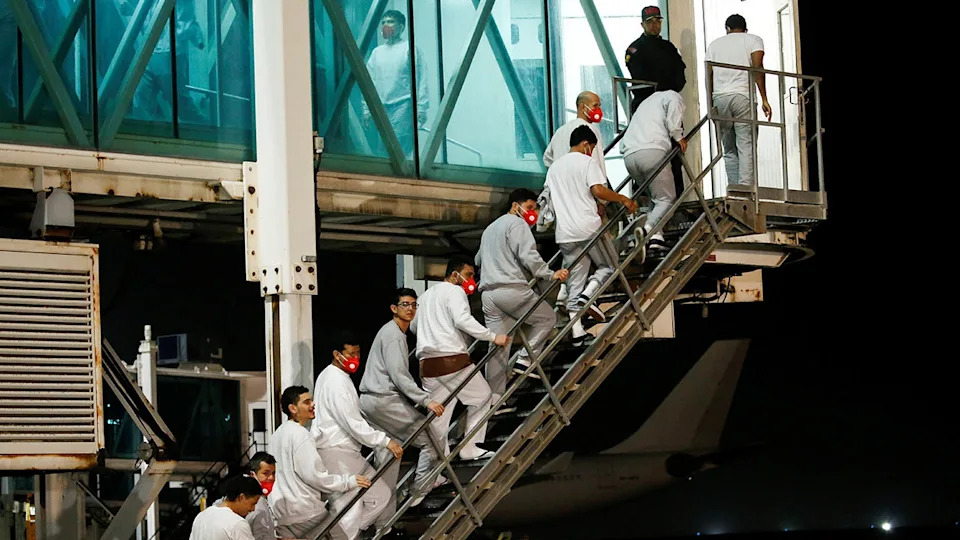
Venezuelan migrants flown from Guantánamo Bay via Honduras walk up a ladder after arriving on a deportation flight at Simon Bolivar International Airport in Maiquetia, La Guaira State, Venezuela, Feb. 20, 2025.
A DHS spokesperson told Fox News Digital in September that Venezuela played a substantial role in irregular migration and that maintaining or expanding TPS for Venezuelans would undermine border-management efforts. Fox News Digital and The Associated Press contributed reporting to this story; DHS was contacted for comment.
Next Steps
The Supreme Court’s review will determine whether the termination can remain in effect or whether the lower courts’ rulings will be reinstated. Depending on the high court’s decision, affected TPS holders could see their protections restored or remain subject to termination and its consequences while litigation proceeds.
Help us improve.