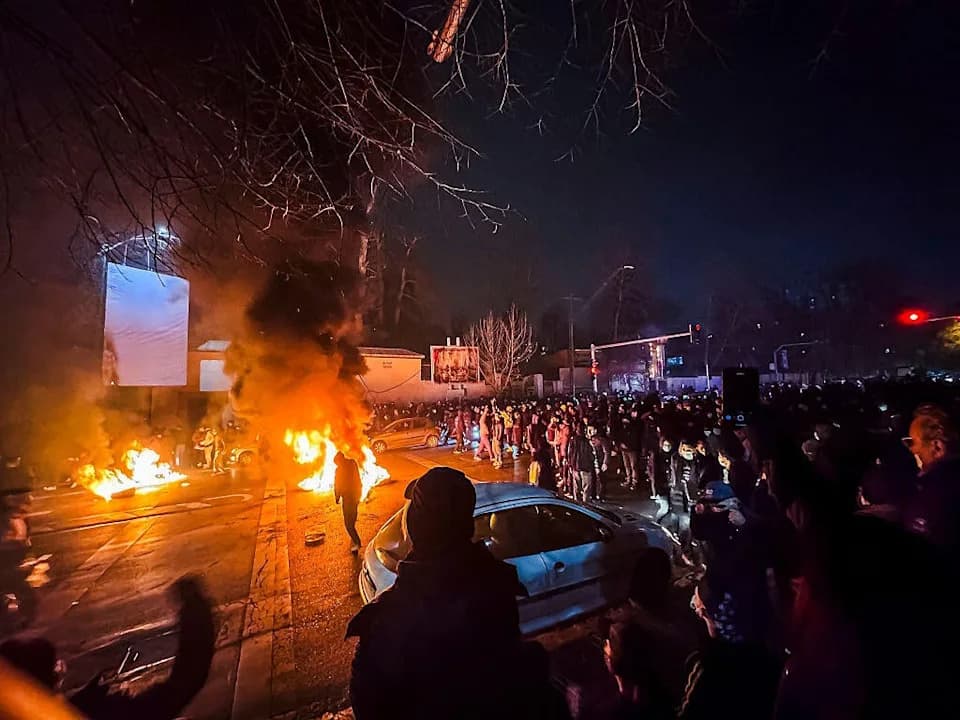
The Department of Homeland Security announced it will not reinstate Temporary Protected Status (TPS) for Venezuelans after Nicolás Maduro's capture, saying the country is now safer. Many Venezuelan migrants and activists in the U.S. disagree, citing active detention centers, laws that criminalize dissent, guerrilla activity, and a controversial acting leader as reasons to remain skeptical. Former TPS holders and asylum seekers urge DHS to restore protections while security, rule of law, and stability are reestablished.
DHS Says Venezuela Is 'Safe' After Maduro's Capture — Migrants and Activists Say It's Too Soon
DHS Says Venezuela Is Safe for Migrants To 'Go Home' to After Maduro's Capture. These Venezuelans Disagree.
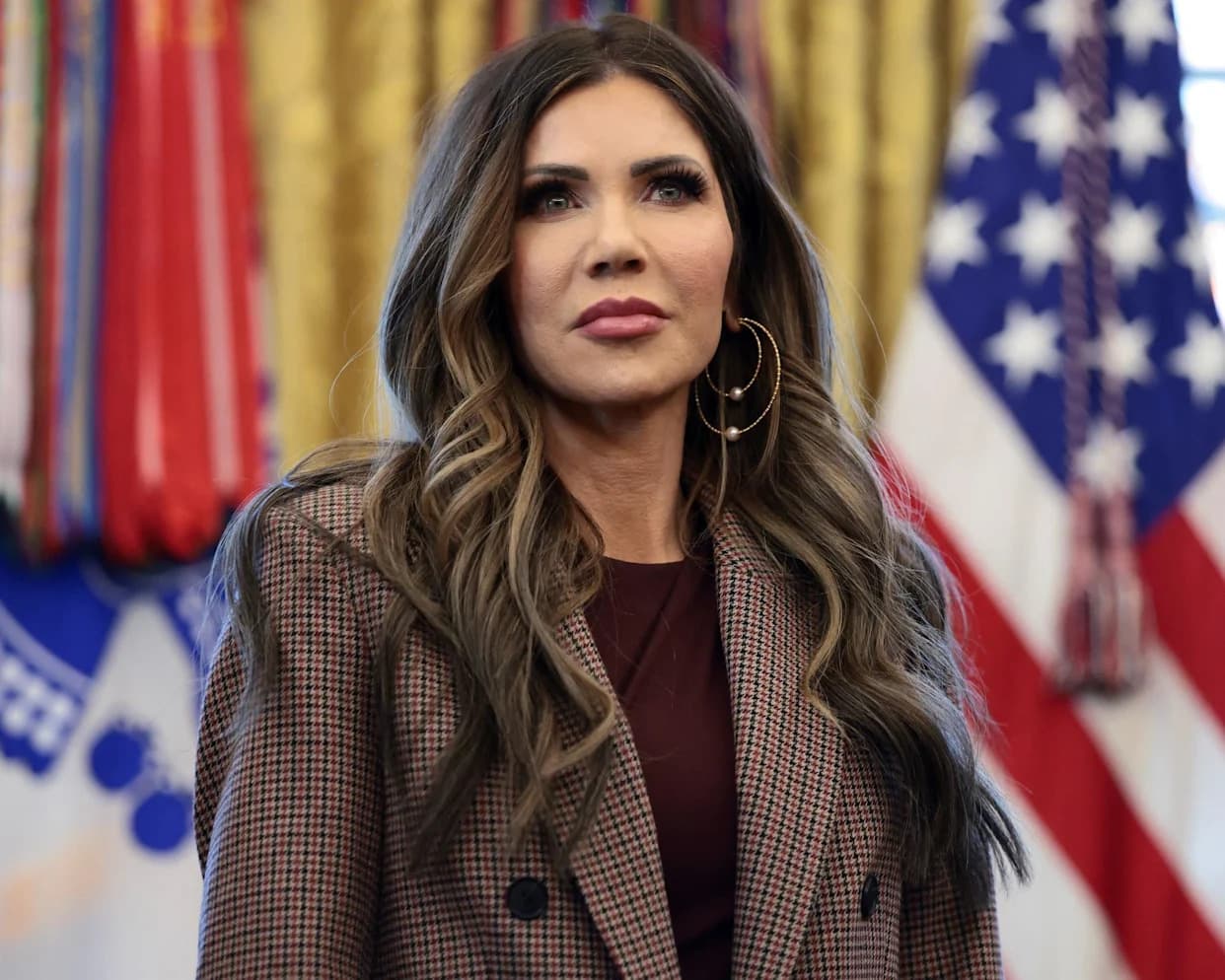
The Department of Homeland Security (DHS), led by Secretary Kristi Noem, announced the day after Nicolás Maduro's capture that "Venezuela today is more free than it was yesterday" and said it would not reinstate Temporary Protected Status (TPS) for Venezuelans — a program DHS rescinded in 2025. DHS Assistant Secretary for Public Affairs Tricia McLaughlin told Fox News that Venezuelans who previously held TPS "can now go home with hope for their country," and predicted "peace, prosperity, and stability."
But Venezuelan migrants, activists, and former TPS holders living in the United States say the situation on the ground remains precarious and that returning now would be risky for many.
Voices From The Diaspora
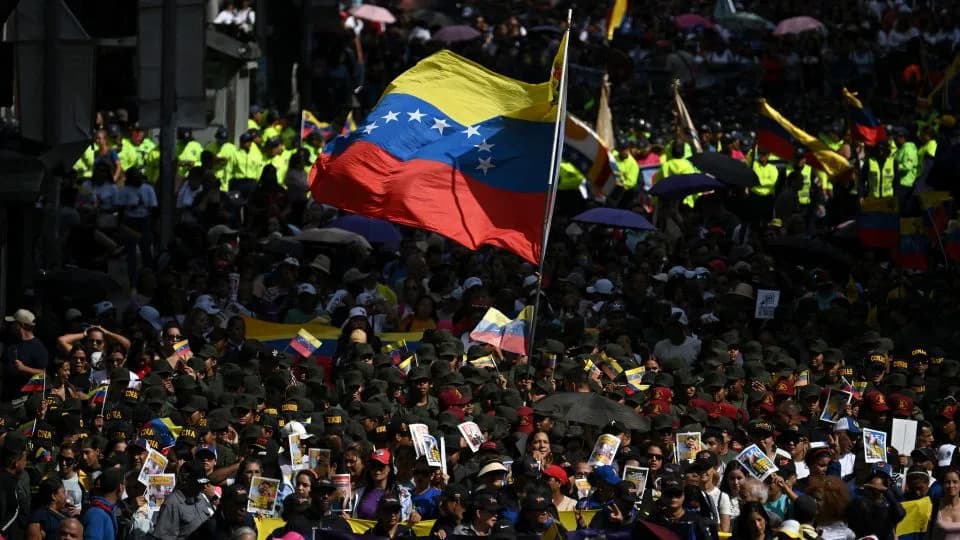
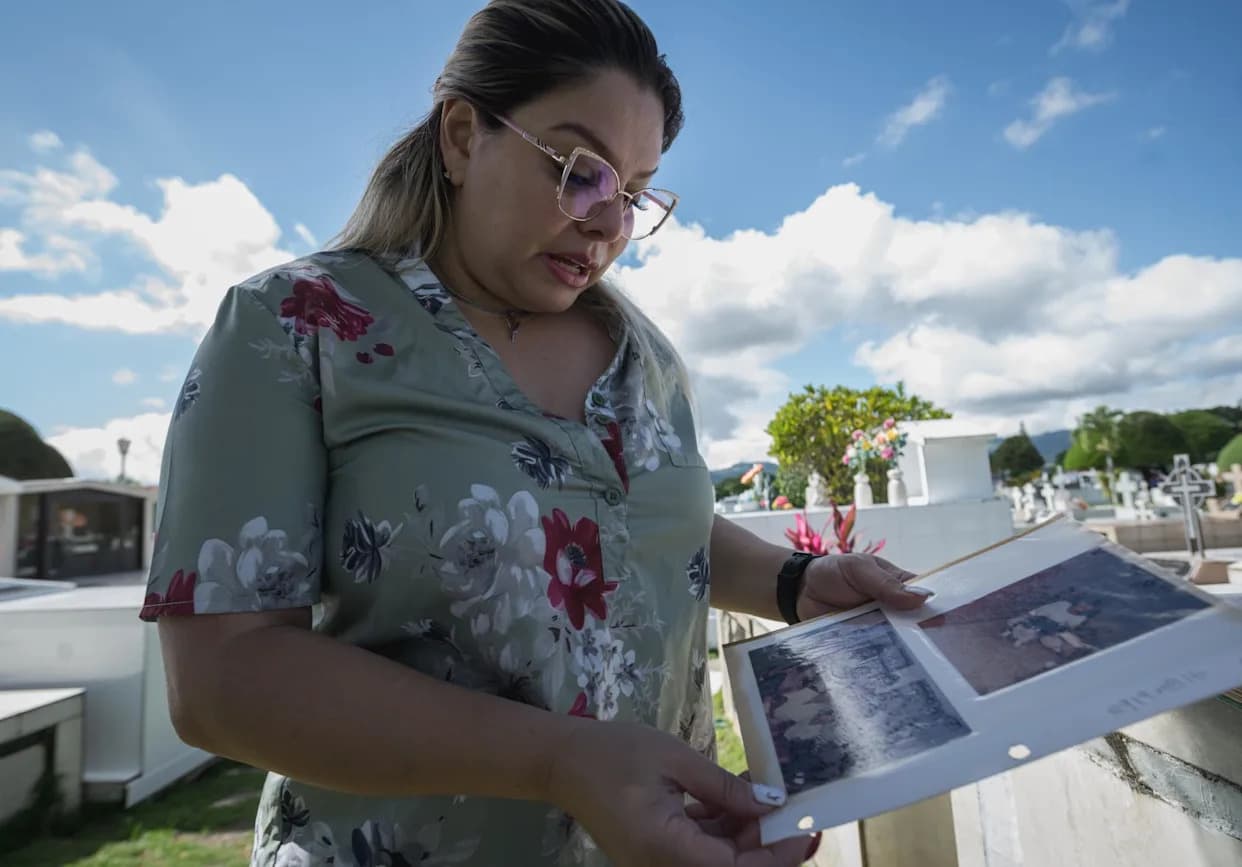
Ana María Diez, cofounder and president of Coalición por Venezuela and an activist who fled to Spain in 2022, welcomed Maduro's removal but warned that it is far too early to declare a transition to democracy. "Venezuelans are happy, but they're not celebrating," Diez told Reason. She cautioned that the shift could amount to a "rebrand" of entrenched systems of repression rather than a genuine overhaul.
"El Helicoide and other detention centers remain operational, and laws that criminalize dissent are still on the books," Diez said.
Diez also flagged the rise of Delcy Rodríguez as acting leader — a figure with a controversial human-rights record — as a source of skepticism about the depth of any change.
Security Concerns and Ongoing Violence
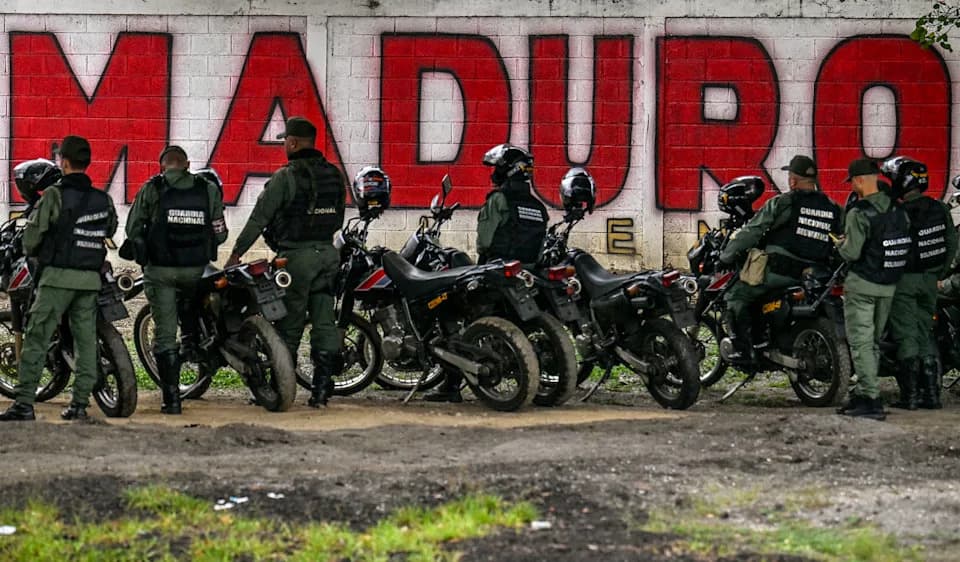
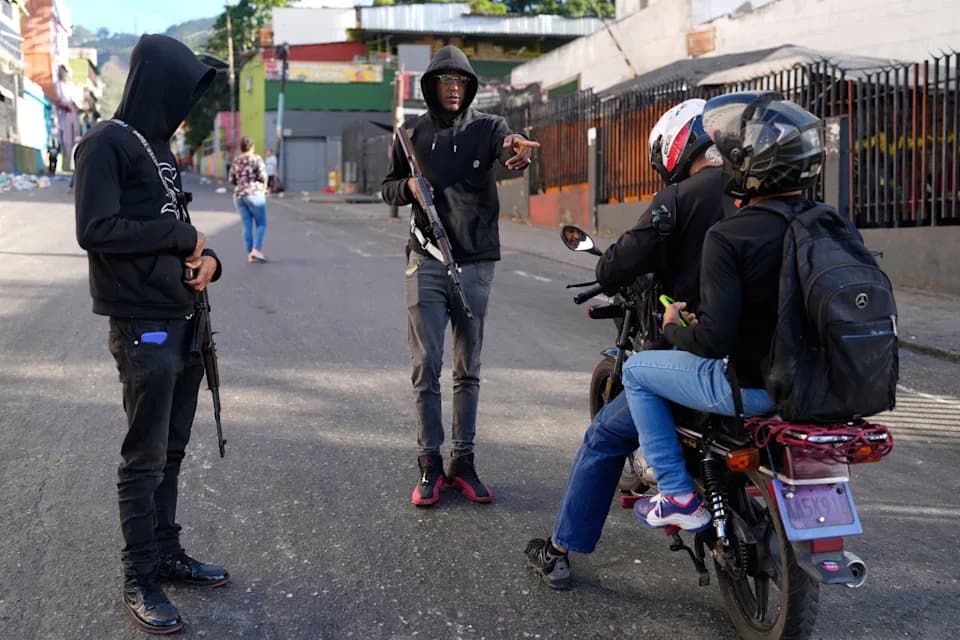
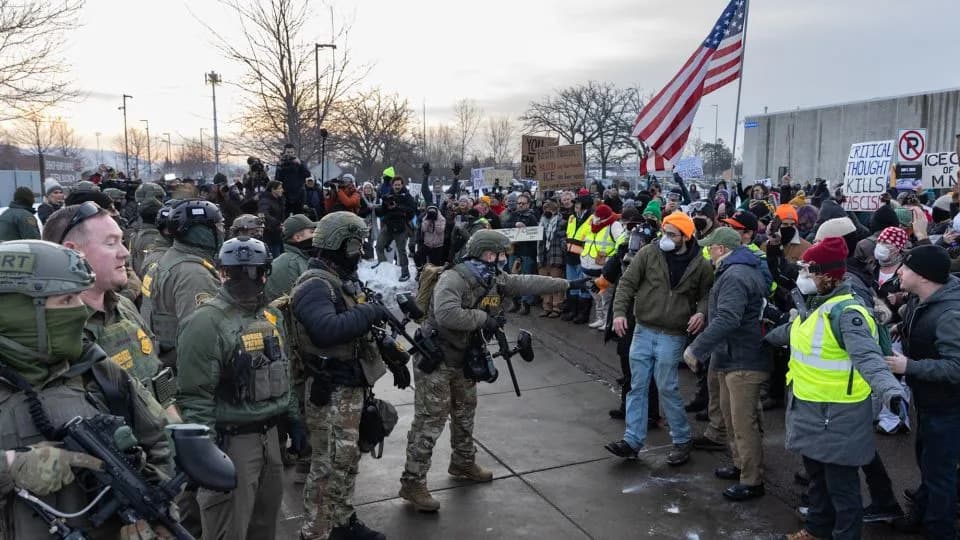
Several Venezuelans in the U.S. described immediate security risks: reports of guerrilla activity, closed borders, and detentions of those accused of supporting the U.S.-linked attack that preceded Maduro's capture. Reuters reported orders to "immediately begin the national search and capture" of people tied to the attack, and outlets including The New York Post and The Guardian have documented armed groups and displacement in some areas.
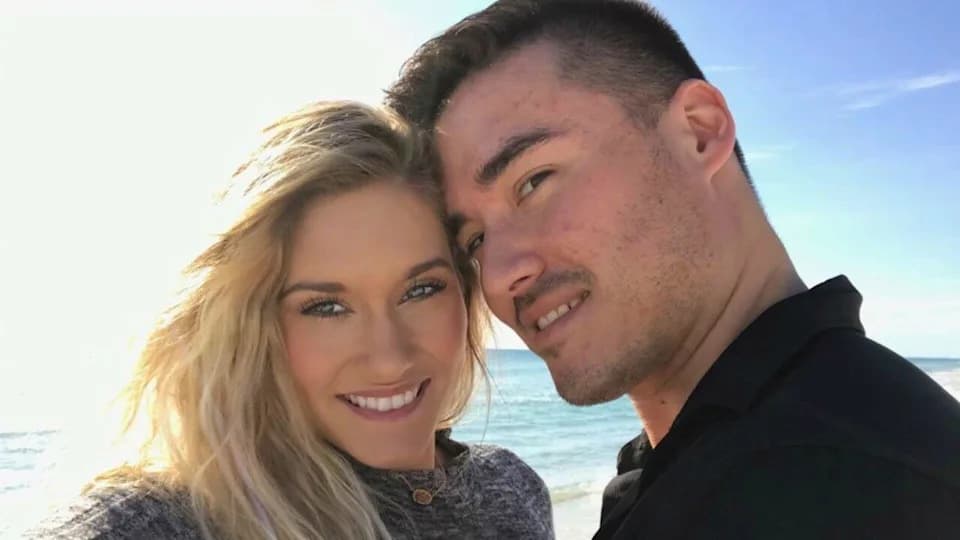
"Venezuela has a history of using violence and guns against the people," said Josué Sánchez, a Venezuelan in Florida who received TPS in 2021 and has an open asylum case. "Removing Maduro was only the first step. It's like taking the hood off, but the engine is still running."
Jesús Noria, another Venezuelan in Florida who arrived under TPS in 2023 after being captured and tortured, said he fears returning amid what he described as a "power struggle" and a concentrated effort by Chavismo forces to retain power.
Why Migrants Want TPS Restored
Both Sánchez and Noria urged DHS to reinstate TPS, arguing that many Venezuelans still face credible threats if they go home — including detention, extortion, and violence — and that removing legal protections would expose vulnerable people to immediate danger. Noria noted that allowing working migrants to remain legally would help them "live their lives peacefully" while Venezuela stabilizes.
What This Means For U.S. Policy
The DHS decision frames Maduro's capture as a turning point, but migrants, human-rights advocates, and asylum seekers interviewed say the reality is more complicated: freed political prisoners and public gestures do not erase active detention facilities, laws that punish dissent, or ongoing armed conflicts that have already displaced thousands. These voices call for caution in changing migration policy while instability persists.
Bottom line: Maduro's removal is a significant milestone, but Venezuelans in the U.S. argue it is only an early step — not a clear signal that it is safe for displaced people to return.
Help us improve.