A Boston federal judge indicated she will temporarily block the termination of the Family Reunification Parole (FRP) program, which shields more than 10,000 relatives of U.S. citizens and green card holders. Judge Indira Talwani signaled she will issue a temporary restraining order but did not set a date. Plaintiffs say participants relied on the program—obtaining work permits, jobs and enrolling their children in school—while the government argues the Homeland Security secretary can end parole programs and cited vetting and resource concerns. The decision comes amid wider court fights over temporary immigration protections.
Boston Judge Signals Temporary Block On Ending Parole Protections For 10,000+ Relatives

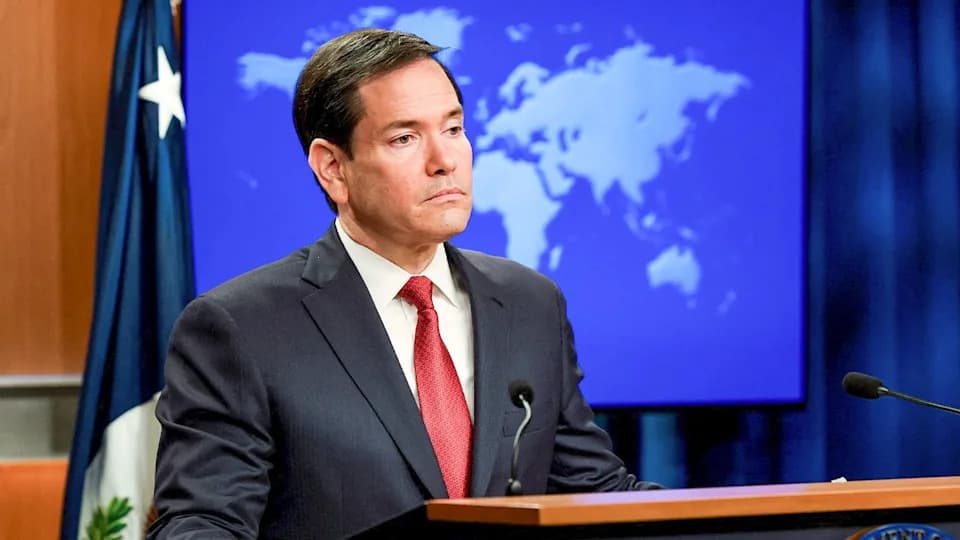
U.S. Homeland Security Secretary Kristi Noem speaks during a press conference, Thursday, Jan. 8, 2026, in New York. (AP Photo/Yuki Iwamura)
A federal judge in Boston said Friday she expects to temporarily block the government's move to terminate the Family Reunification Parole (FRP) program, which has provided temporary legal protections to more than 10,000 family members of U.S. citizens and lawful permanent residents.
Court Hearing And Expected Order
U.S. District Judge Indira Talwani told lawyers at a hearing that she planned to issue a temporary restraining order but did not specify when it would be entered. The litigation challenges a decision by the Department of Homeland Security to end the program, which has been in place since the previous administration and was continued into the following administration.
Who Is Affected
The FRP program affects people from Colombia, Cuba, Ecuador, El Salvador, Guatemala, Haiti and Honduras. Most participants—more than 10,000 overall—face losing their protections, including work authorization, with many protections slated to end by Jan. 14, according to court filings.
Arguments From Plaintiffs And Government
"The government, having invited people to apply, is now laying traps between those people and getting the green card," said Justin Cox, an attorney with the Justice Action Center who represented the plaintiffs. "That is incredibly inequitable."
Plaintiffs note that although the parole was temporary in legal status, many beneficiaries treated it as the start of a new life in the United States: they received employment authorization documents, took jobs and enrolled their children in school. The lawsuit names five plaintiffs but asks the court to extend relief to all program participants.
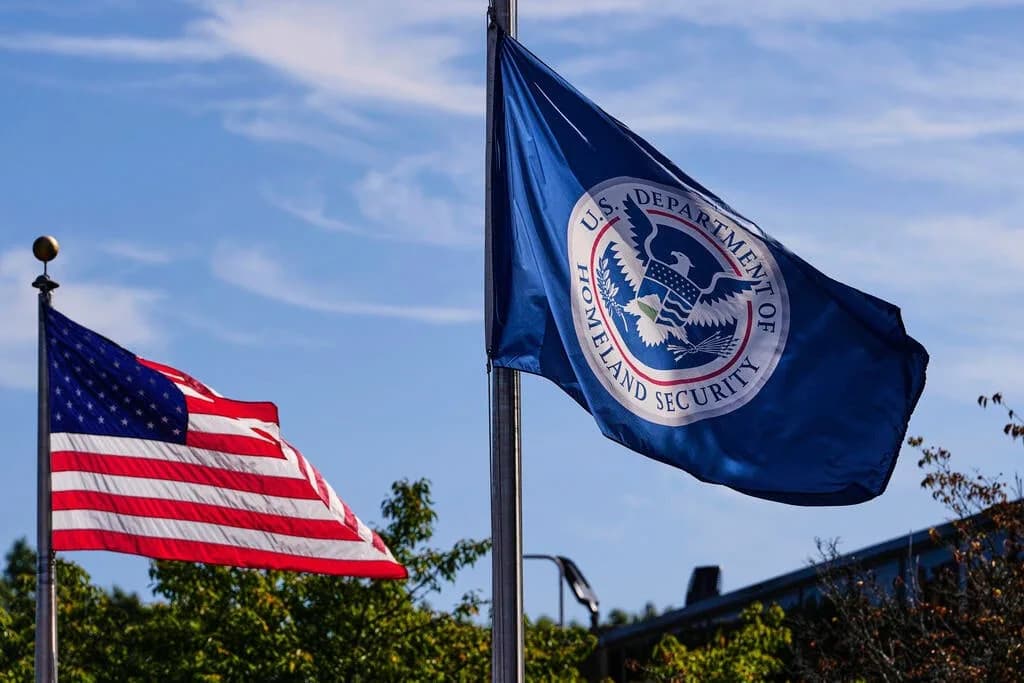
The government contends the Homeland Security secretary has statutory authority to terminate parole programs and that publishing the termination in the Federal Register satisfied notice requirements. Government attorneys also argued the termination was justified on national security and resource-allocation grounds, saying some individuals had not been adequately vetted and that resources could be redirected to other immigration priorities.
"Parole can be terminated at any time," government lawyer Katie Rose Talley told the court. "That is what is being done. There is nothing unlawful about that."
Judge's Concerns And Next Steps
Judge Talwani acknowledged the government's authority to end parole but raised concerns about how the decision was implemented. She pressed the government to show how it provided individualized written notice—by letter or email—to FRP participants rather than relying solely on publication in the Federal Register.
Talwani said she understood why plaintiffs would feel they had made long-term plans after arriving and emphasized the practical consequences for people trying to follow the law. The judge’s expected temporary restraining order would pause the termination while the court resolves legal questions about notice and reliance interests.
Broader Legal Context
Lower courts have often preserved temporary protections for various groups, but the U.S. Supreme Court in May allowed the administration to lift protections that had applied to hundreds of thousands of migrants—an action that could expose as many as nearly 1 million people to potential removal. The high court issued brief emergency orders in those cases without extended explanation; two justices dissented publicly.
For now, parties will await the formal entry of the temporary restraining order and subsequent briefing and hearings to determine whether longer-term relief (such as a preliminary injunction) is warranted.
Help us improve.