A federal judge in Chicago has temporarily blocked the Trump administration from ending Temporary Protected Status (TPS) for about 4,000 Myanmar nationals, finding the decision lacked a convincing basis in the record. Judge Matthew Kennelly postponed the planned termination and set a Feb. 6 hearing to review the administration’s rationale. The administration had argued that recent elections signaled improved conditions in Myanmar, a claim disputed by the U.N. and rights groups amid unrest since the 2021 coup. The order preserves work authorization and protection from deportation for affected migrants while litigation continues.
U.S. Judge Temporarily Blocks End Of TPS For Myanmar Nationals, Preserving Protections For About 4,000

FILE PHOTO: A Rohingya refugee child looks on as she is stranded due to a boat engine failure in the waters of South Aceh, Aceh province, Indonesia, October 20, 2024, in this photo taken by Antara Foto. Antara Foto/Syifa Yulinnas/via REUTERS
A federal judge in Chicago has ordered the Trump administration to postpone its planned termination of Temporary Protected Status (TPS) for nationals of Myanmar while a legal challenge proceeds.
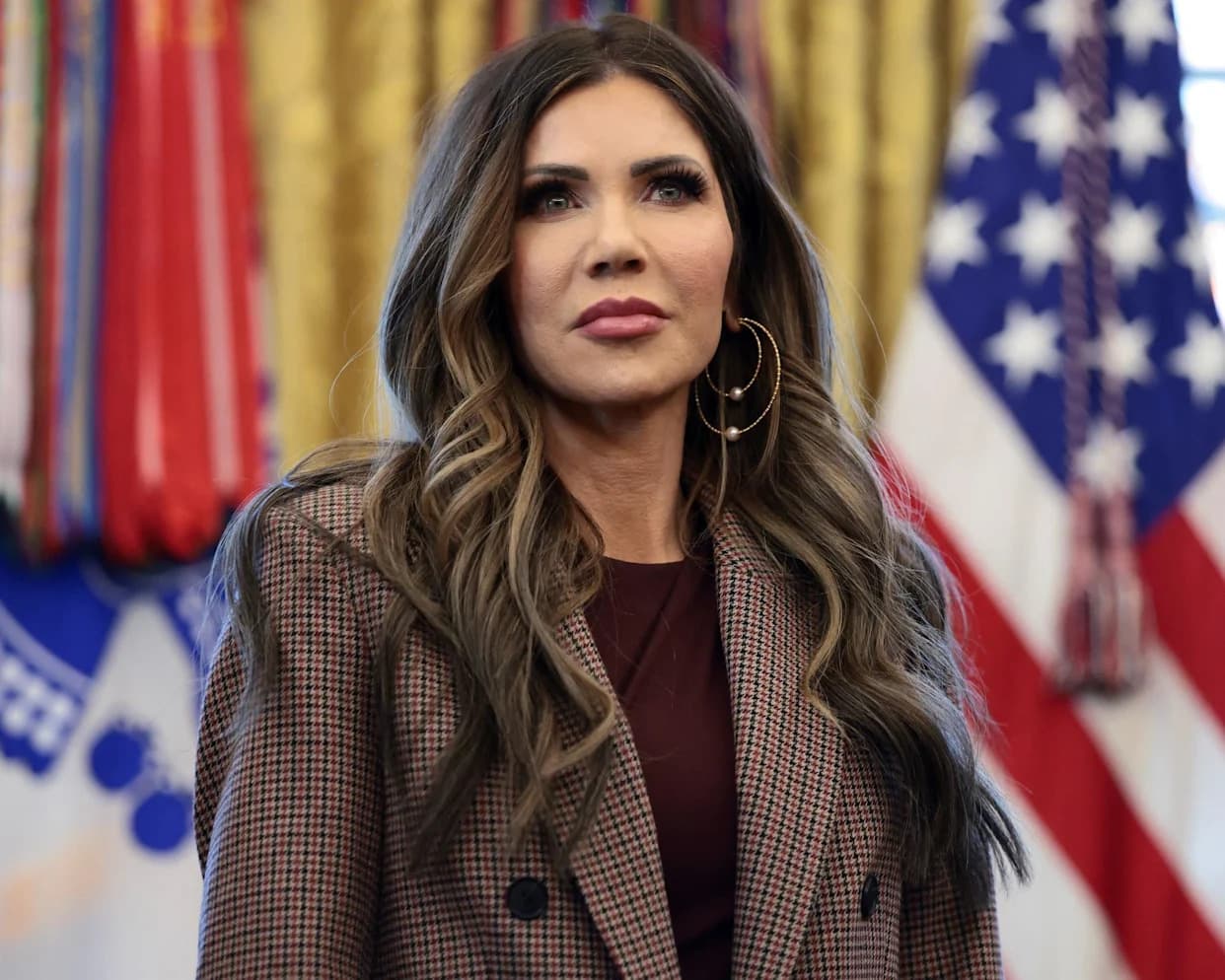
U.S. District Judge Matthew Kennelly issued the order, blocking the government from ending deportation protections and work authorization for roughly 4,000 people from Myanmar living in the United States. The judge found that the decision by Homeland Security Secretary Kristi Noem lacked a convincing factual basis in the administrative record and therefore could not take effect as scheduled.
Kennelly postponed the government’s planned effective date — which had been set for the coming Monday — and scheduled a hearing for Feb. 6 to examine the administration’s justification and the plaintiffs’ claims in greater detail.
Judge’s Findings
In his order, Judge Kennelly wrote that the court "cannot discern a genuine basis for the Secretary's action in the record and finds it more likely that the decision to terminate TPS was not actually rooted in the reasons cited in the notice."
"It is more plausible that TPS was terminated to effectuate the Secretary's broader goal of curtailing immigration and eliminating TPS generally, not on her evaluation of changed conditions in Burma," the judge added.
Administration’s Rationale And Pushback
The administration announced in November that it would end TPS for Myanmar nationals, asserting that conditions in the country had improved — pointing in particular to recent elections overseen by the military junta. That reasoning has been widely disputed: the United Nations, many Western governments and human-rights organizations have described the elections as a sham, and the U.S. State Department's latest human rights report cited significant abuses.
Advocates and the plaintiffs in the case caution that returning people to Myanmar could pose grave risks. Myanmar — also referred to as Burma — has been in political turmoil since the military seized power in a 2021 coup, ousting the civilian government and triggering widespread resistance and violence.
What Is TPS?
Under federal law, Temporary Protected Status is granted to nationals of countries experiencing armed conflict, natural disasters or other extraordinary conditions that temporarily prevent safe return. TPS provides eligible migrants with work authorization and temporary protection from deportation.
Courts have previously intervened to delay or block government efforts to terminate TPS for other countries, and this order similarly pauses the administration’s action for Myanmar while the litigation proceeds.
The Trump administration did not immediately respond to the court's order.
Help us improve.