Appeals panel rules attempt to end TPS for Venezuelans and partially for Haitians exceeded authority. Judges said those actions contradict Congress’s statutory design and have left hundreds of thousands fearing deportation or family separation. The panel rejected the government’s argument that prior Supreme Court stay orders controlled the case. A concurring opinion warned that public statements by political figures—including Governor Kristi Noem and former President Donald Trump—suggested animus based on country-of-origin stereotyping.
Appeals Panel: Effort To Vacate TPS For Venezuelans And Haitians Exceeded Authority; Judges Cite Racial Animus

A federal appeals panel in San Francisco sharply rebuked an effort to end Temporary Protected Status (TPS) for Venezuelan nationals and to partially remove protections for Haitians, saying the move exceeded the decisionmaker's authority and inflicted real harms on those who rely on the program.
The opinion, authored by Judge Kim McLane Wardlaw and joined by Judges Salvador Mendoza Jr. and Anthony D. Johnstone, found that the attempt to vacate existing TPS designations conflicted with Congress's statutory framework. TPS is a federal program that provides temporary protection from deportation, generally authorized in increments of up to 18 months.
“The Secretary’s unlawful actions have had real and significant consequences for the hundreds of thousands of Venezuelans and Haitians in the United States who rely on TPS,” Wardlaw wrote. She added that the actions at issue had “left hundreds of thousands of people in a constant state of fear that they will be deported, detained, separated from their families, and returned to a country in which they were subjected to violence or any other number of harms.”
The court concluded that an asserted power to unilaterally vacate a country’s TPS designation was “irreconcilable with the plain language of the statute.”
The panel also addressed the government’s reliance on prior Supreme Court stay orders that had provisionally sided with the administration on related questions. The judges said those stay orders “did not expressly decide the issue of whether the Government was likely to succeed on the merits of this case,” and therefore rejected the argument that those stays controlled the panel’s decision in this matter.

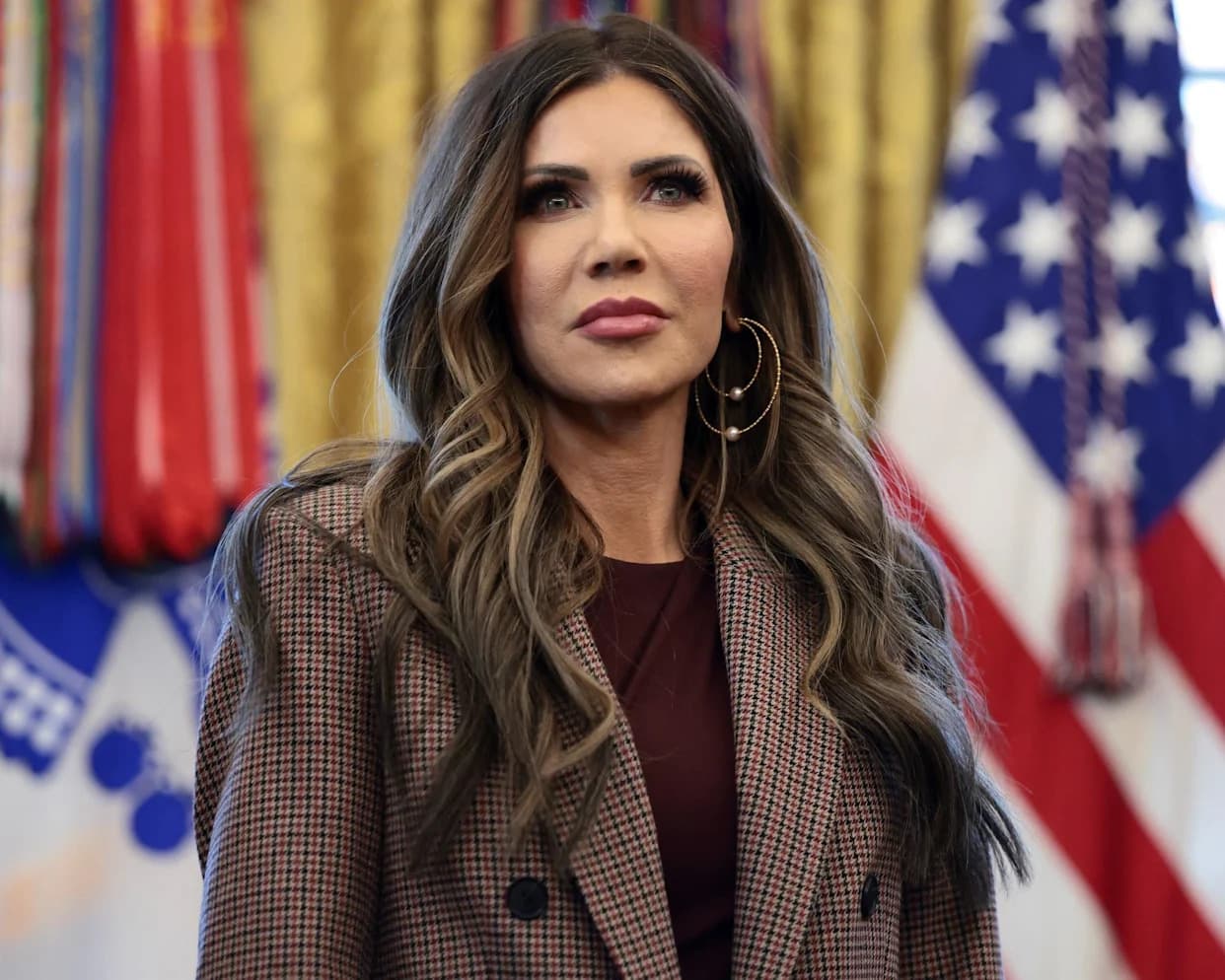
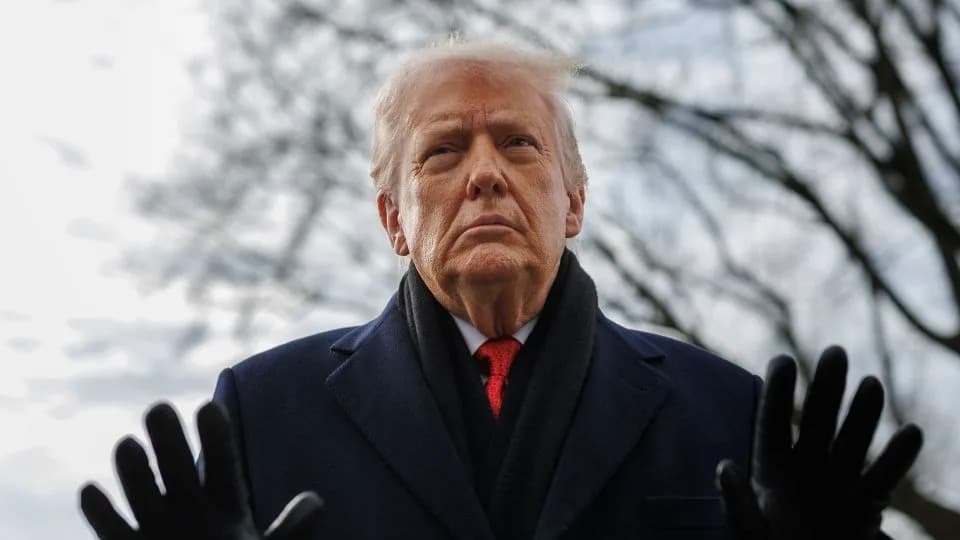
Secretary of Homeland Security Kristi Noem on Jan. 15, 2026 in Washington, D.C.(Kevin Dietsch / Getty Images)
Judge Salvador Mendoza Jr. filed a concurring opinion stressing that agencies cannot hide improper motives behind pretext, particularly when that pretext masks animus based on race or national origin. Mendoza pointed to a record of public statements—attributed in filings and public commentary to figures such as South Dakota Governor Kristi Noem and former President Donald Trump—that the judge said “evince a hostility toward, and desire to rid the country of, TPS holders who are Venezuelan and Haitian.”
Mendoza added that some of those statements were “overtly founded on racist stereotyping based on country of origin,” and argued that the rule of law requires “candor and reasoned decision-making from those entrusted with immense regulatory powers.” He said that promise had been betrayed in this instance and that the court had a duty to call it out.
What This Means: The panel’s ruling blocks the challenged attempt to vacate TPS designations and underscores judicial limits on how far executive actors may reinterpret or undo congressionally established immigration protections. The decision may be appealed to the full court or the Supreme Court, and it leaves in place protections for many who currently rely on TPS while litigation continues.
Note: Some earlier reports misidentified an official title in connection with these actions. To be precise: the court’s opinion refers to actions taken in the name of federal decisionmakers; public statements by other political figures, including Governor Kristi Noem, were cited in the record and addressed in the concurring opinion for their possible evidentiary relevance to motive.
Help us improve.