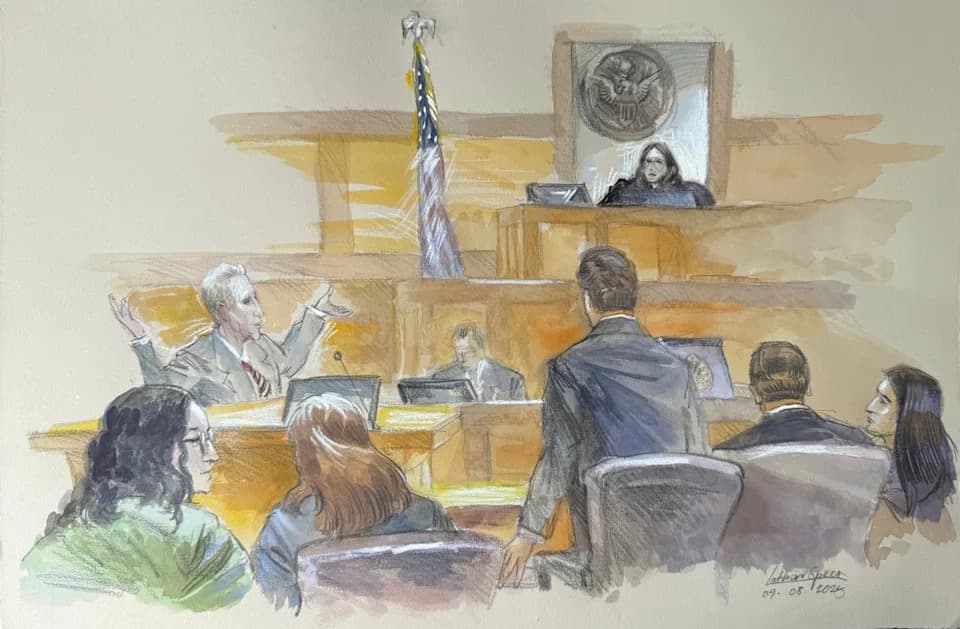
The Supreme Court on Feb. 4 allowed California to use a newly drawn congressional map designed to deliver Democrats five additional House seats, issuing a one-sentence emergency order without public dissent. Republican challengers and the Trump administration argued the plan unlawfully used race to favor Latino voters, but a Los Angeles federal court on Jan. 14 declined to block the map, citing weak evidence of racial motivation and stronger evidence of partisan intent. The decision follows a December high-court ruling that allowed Texas to use a new map and highlights ongoing national disputes over partisan redistricting and limits on federal court review.
Supreme Court Lets California Deploy New Map That Boosts Democrats’ House Prospects
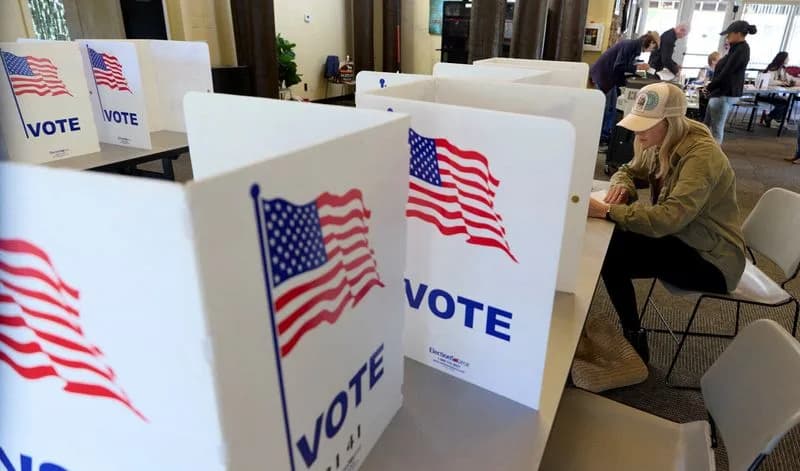
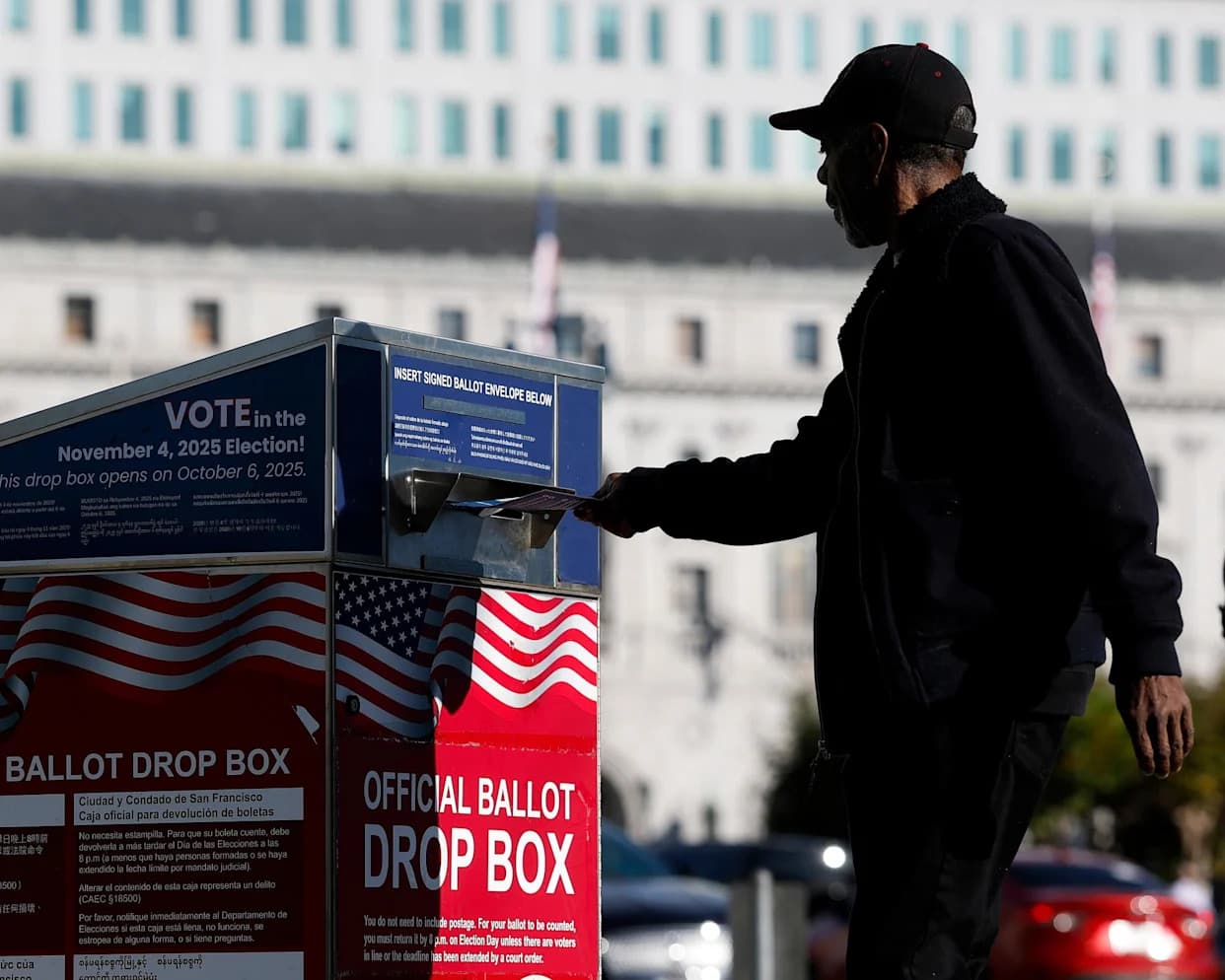
FILE PHOTO: A voter fills out a ballot at an El Dorado County polling station during California’s special election on Proposition 50, a measure that would temporarily redraw congressional districts, in El Dorado Hills, California, U.S., November 4, 2025. REUTERS/Fred Greaves/File Photo
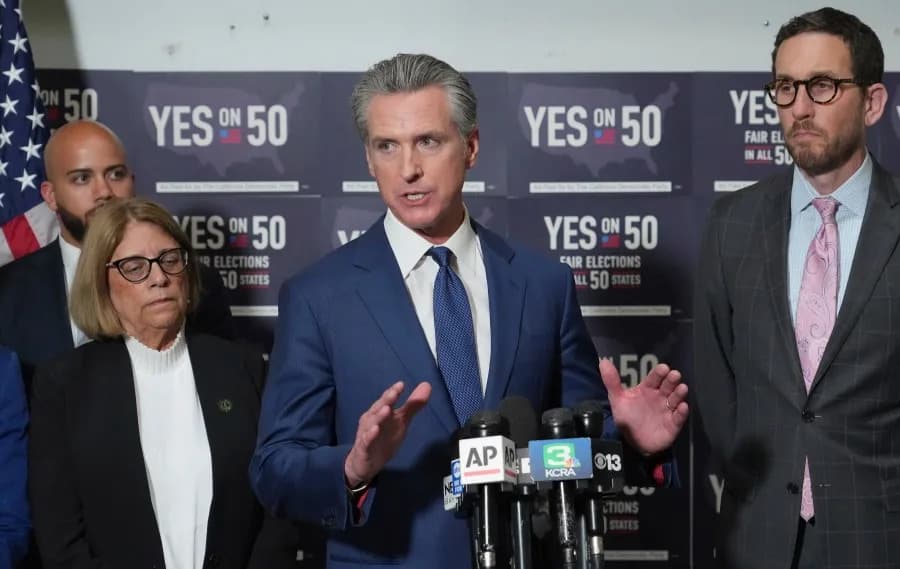
Feb. 4 (Reuters) — The U.S. Supreme Court on Wednesday permitted California to implement a newly drawn congressional map intended to give Democrats five additional U.S. House seats, a move that improves the party's chances of reclaiming control of the House in the upcoming November elections.
The court denied a request from the California Republican Party to block the map — which voters approved last year — issuing a one-sentence emergency order without explanation. No justice publicly dissented.
Challengers, including the California GOP and the Trump administration, had argued the map unlawfully used race to shape district lines in ways that advantaged Latino voters. A federal district court in Los Angeles earlier refused to enjoin the map on Jan. 14, finding the evidence of racial motivation "exceptionally weak" while concluding evidence of partisan motive was "overwhelming" in a 2-1 decision.
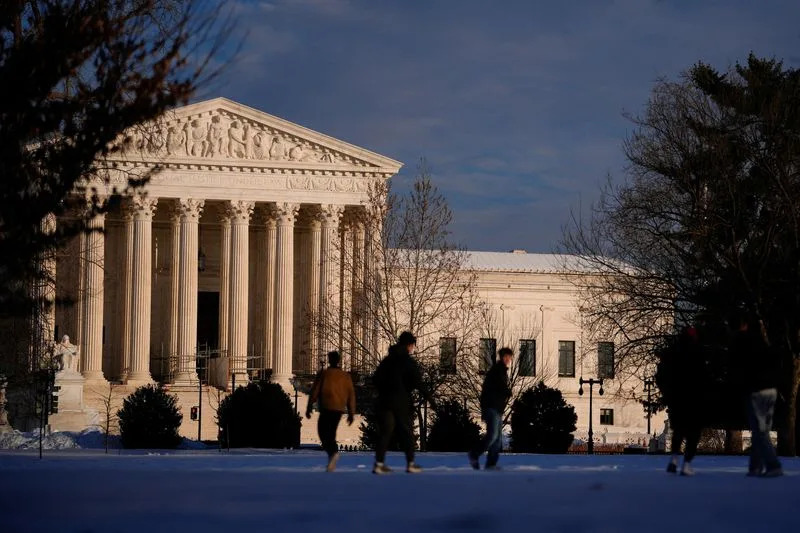
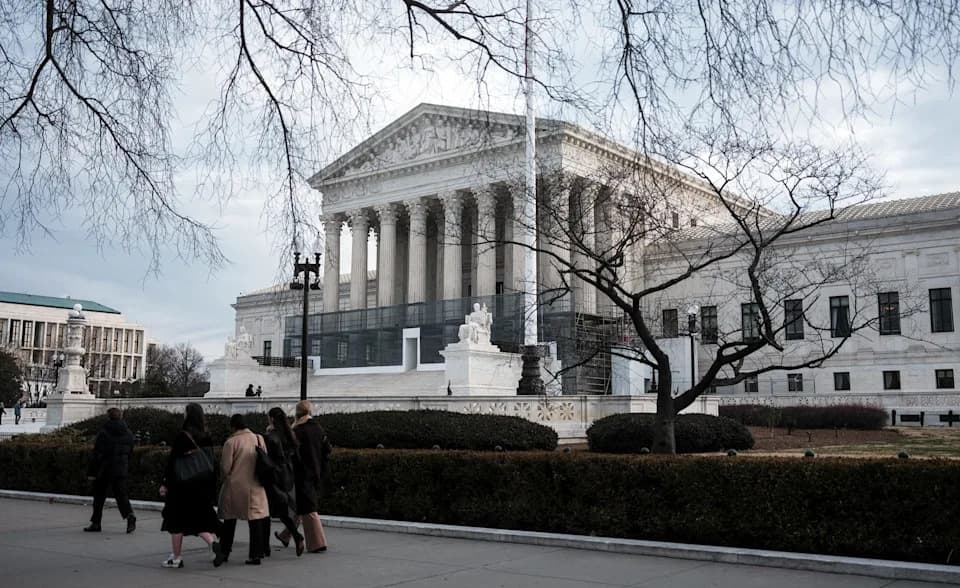
FILE PHOTO: People play in the snow with the U.S. Supreme Court in the background, in Washington, D.C., U.S., January 29, 2026. REUTERS/Kent Nishimura/File Photo
Background
Redrawing electoral district boundaries, known as redistricting, typically follows the decennial census. In recent cycles, redistricting has increasingly been driven by partisan aims — a practice often called partisan gerrymandering. The Supreme Court in 2019 limited federal-court remedies for partisan gerrymandering, making many such disputes harder to resolve in federal court.
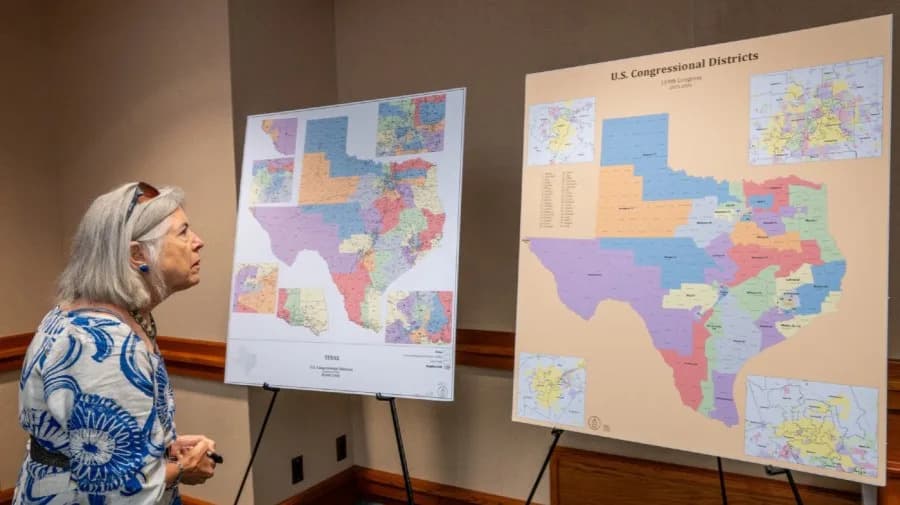
In December, the Supreme Court likewise allowed Texas to use a revised congressional map that could shift as many as five Democratic-held seats to Republican control. California’s measure was in part a political response to that Texas effort: voters in California approved a ballot measure last November permitting lawmakers to adopt a new map that could flip several Republican-held California districts to Democratic control. California has 52 House seats; Texas has 38.
Constitutional Concerns
In litigation, Republican plaintiffs asserted the new California map violated the Equal Protection Clause of the Fourteenth Amendment, the Fifteenth Amendment's ban on racial discrimination in voting, and the federal Voting Rights Act by using race as a predominant factor. The Trump administration filed a separate brief calling the plan "tainted by an unconstitutional racial gerrymander."
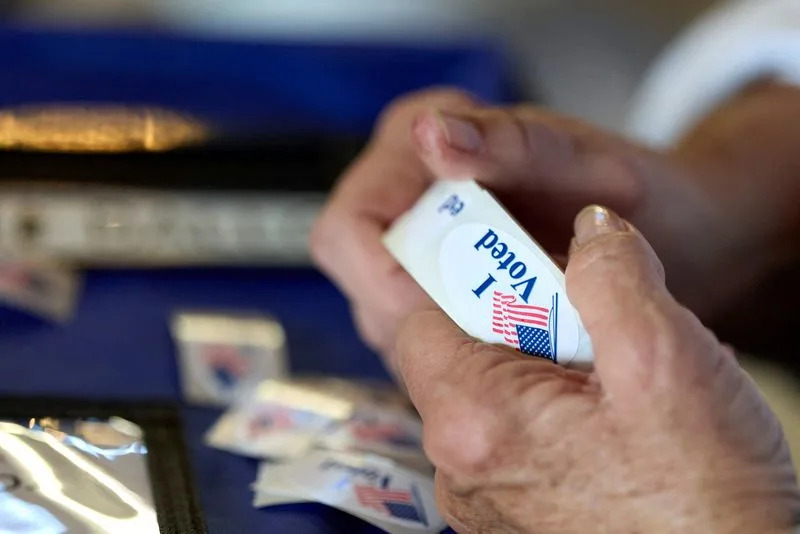
FILE PHOTO: A poll worker holds a roll of “I voted” stickers at an El Dorado County polling station during California’s special election on Proposition 50, a measure that would temporarily redraw congressional districts, in El Dorado Hills, California, U.S., November 4, 2025. REUTERS/Fred Greaves/File Photo
"Because we find that the evidence of any racial motivation driving redistricting is exceptionally weak, while the evidence of partisan motivations is overwhelming, challengers are not entitled to preliminary relief on any of their claims," the federal court said in its Jan. 14 decision.
California Attorney General Rob Bonta urged the Supreme Court not to mistake the political context for illegality, saying Republicans were pursuing the challenge to protect their House majority and that the court should avoid intervening in partisan disputes after allowing Texas’s map to take effect.
Conservative Justice Samuel Alito, in a concurrence when the court allowed the Texas map, acknowledged that the "impetus for the adoption of the Texas map (like the map subsequently adopted in California) was partisan advantage pure and simple."
Implications
The Supreme Court's action leaves California's map in place for the upcoming elections, preserving the political dynamics that could affect control of the House. Control of either chamber would shape legislative priorities and oversight, including potential congressional investigations and the administration's agenda.
(Reporting by Andrew Chung in New York; Editing by Will Dunham)
Help us improve.