The American Society of Plastic Surgeons now recommends delaying chest, genital and facial gender‑affirming surgeries for minors until age 19, saying current evidence is "insufficient" to show benefits outweigh risks. The ASPS position is not a clinical guideline and did not follow an independent evidence review; it cites the Cass Review and a 2025 HHS report. Other organizations, including the AAP and WPATH, favor individualized, multidisciplinary decision‑making and caution against a fixed age cutoff. The announcement comes amid federal pressure and has already coincided with some hospitals pausing care for minors.
American Society of Plastic Surgeons Recommends Postponing Gender‑Affirming Surgery Until Age 19

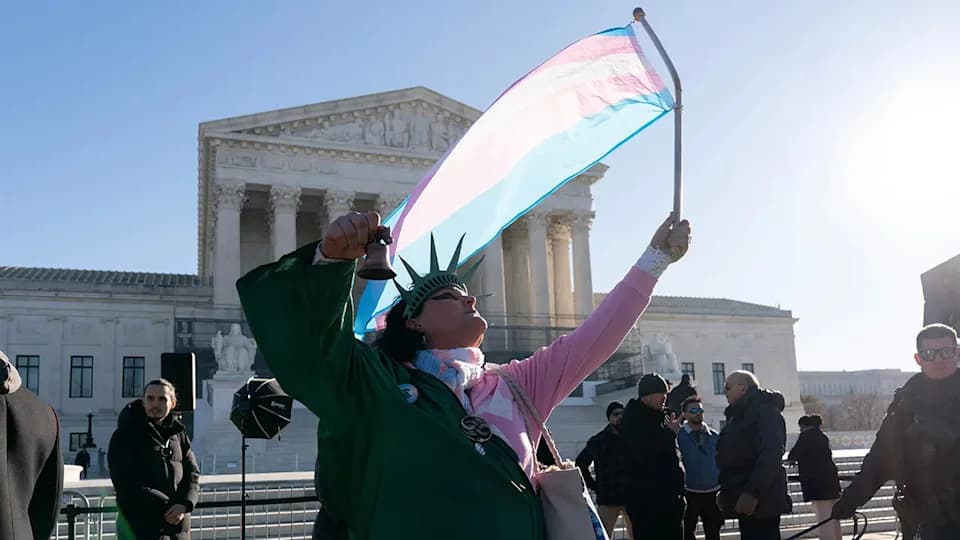
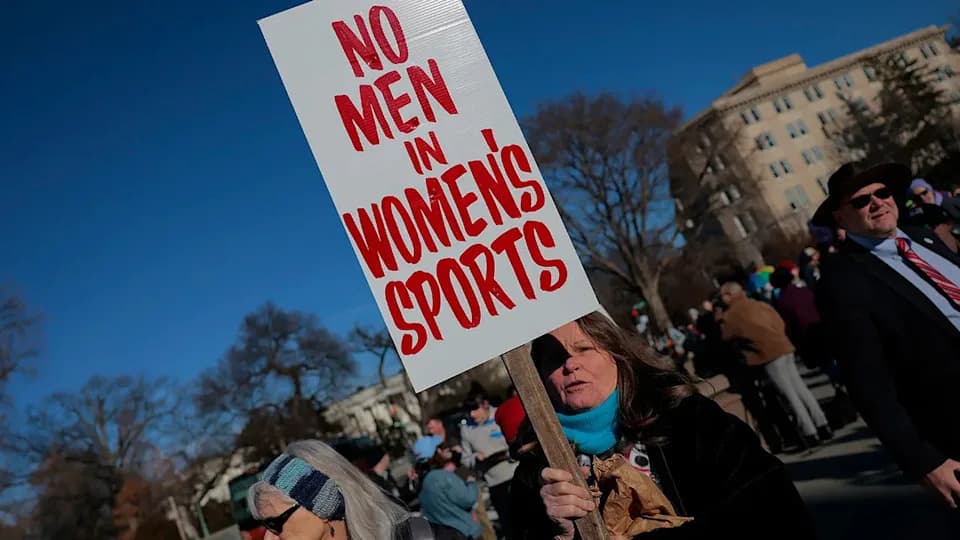
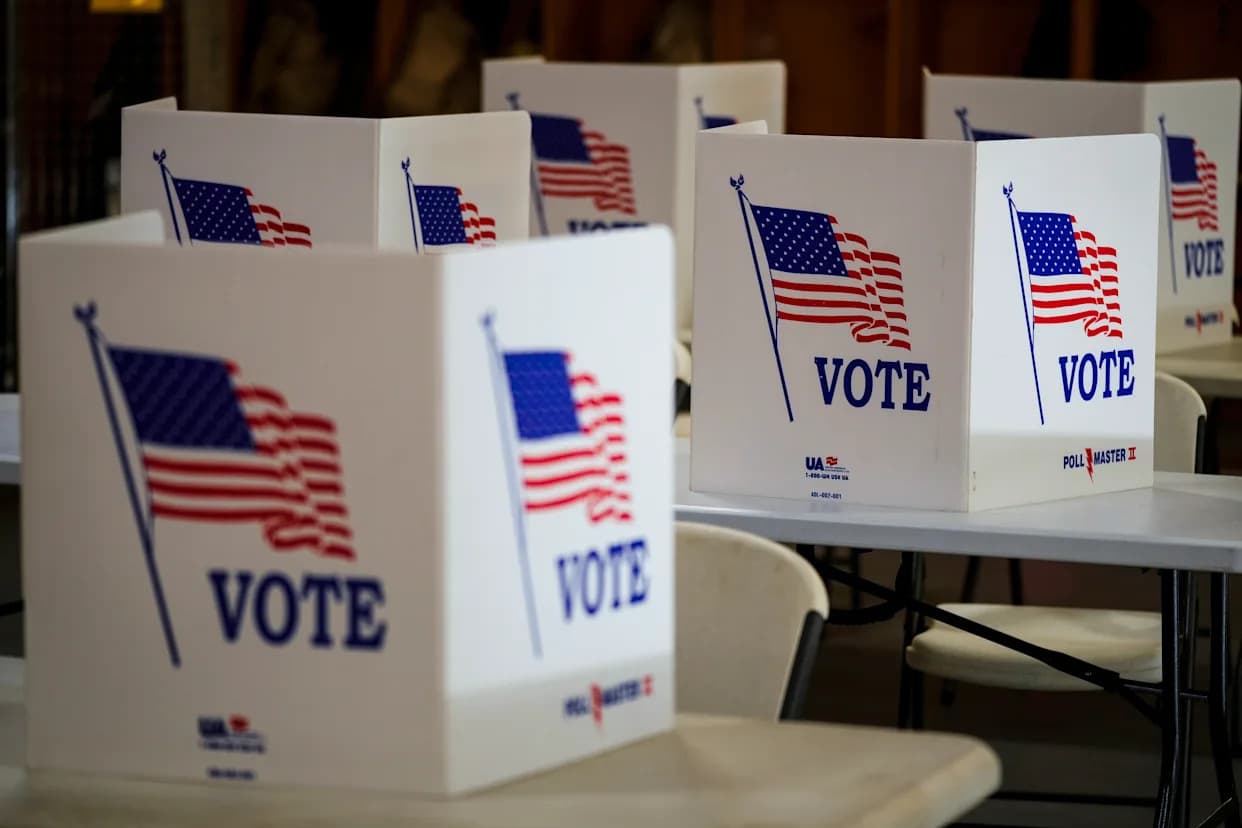
The American Society of Plastic Surgeons said it found “insufficient evidence” that the benefits of chest, genital and facial surgeries on minors experiencing gender dysphoria outweigh the risks. - Julia Demaree Nikhinson/AP
The American Society of Plastic Surgeons (ASPS), the largest U.S. professional organization for plastic surgeons, has issued a position recommending that chest, genital and facial gender‑affirming surgeries for minors be postponed until patients reach 19 years of age. The society said it found "insufficient evidence" that the benefits of these surgeries for children and adolescents outweigh the associated risks.
ASPS cited two recent and contested analyses—the Cass Review from the U.K. and a 2025 report from the U.S. Department of Health and Human Services—as informing the decision. The society was careful to note that its statement is a position, not a clinical guideline; it did not carry out an independent evidence review or undertake the additional steps typically required to set formal standards of care.
What the Statement Says
ASPS framed the recommendation as an effort to balance "compassion with scientific rigor, developmental considerations and concern for long‑term welfare." The organization emphasized ethical and legal concerns, saying that variability in regulatory and legal environments increases the ethical, clinical and legal risks involved in surgical decision‑making for minors.
"This position statement doesn't seek to deny or minimize the reality of any patient's distress, and it does not question the authenticity of any patient's experience," ASPS wrote. "Instead, ASPS affirms that truly humane, ethical, and just care, particularly for children and adolescents, must balance compassion with scientific rigor, developmental considerations and concern for long‑term welfare."
Political And Professional Context
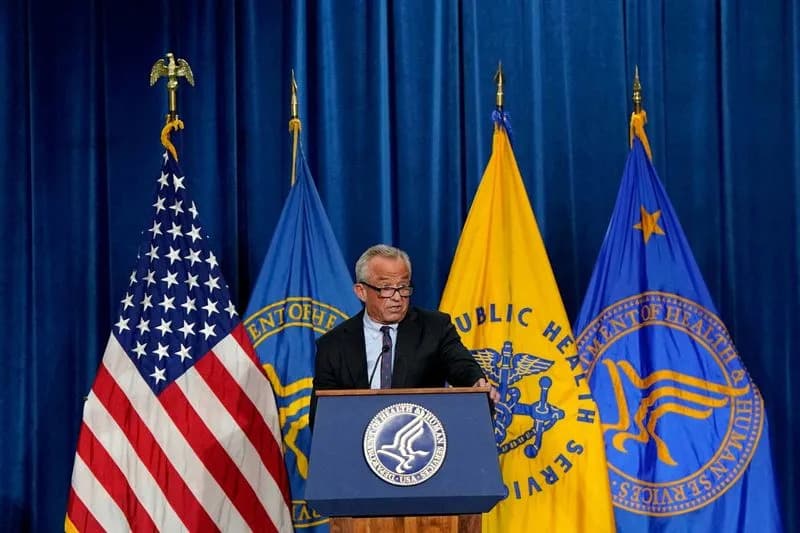
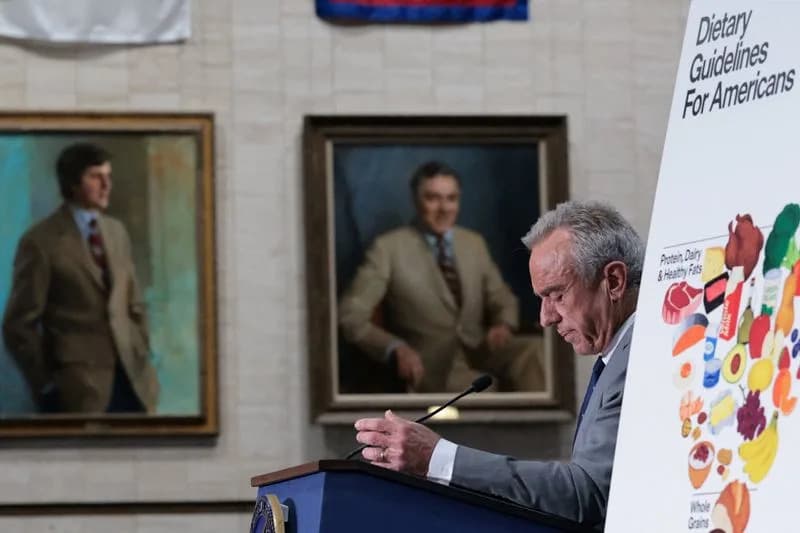
The announcement arrives amid federal pressure from the Trump administration to limit or curtail gender‑affirming care for transgender youth. Deputy Health and Human Services Secretary Jim O'Neill praised ASPS's statement, calling it a new medical standard to follow.
Other major medical organizations emphasized caution but rejected a one‑size‑fits‑all age cutoff. The American Academy of Pediatrics (AAP) reiterated that it does not support blanket recommendations for surgery in minors and said decisions should be made by patients, families and clinicians. The World Professional Association for Transgender Health (WPATH) restated its support for individualized, multidisciplinary decision‑making and opposed a fixed age threshold for all patients.
Practice, Prevalence And Immediate Consequences
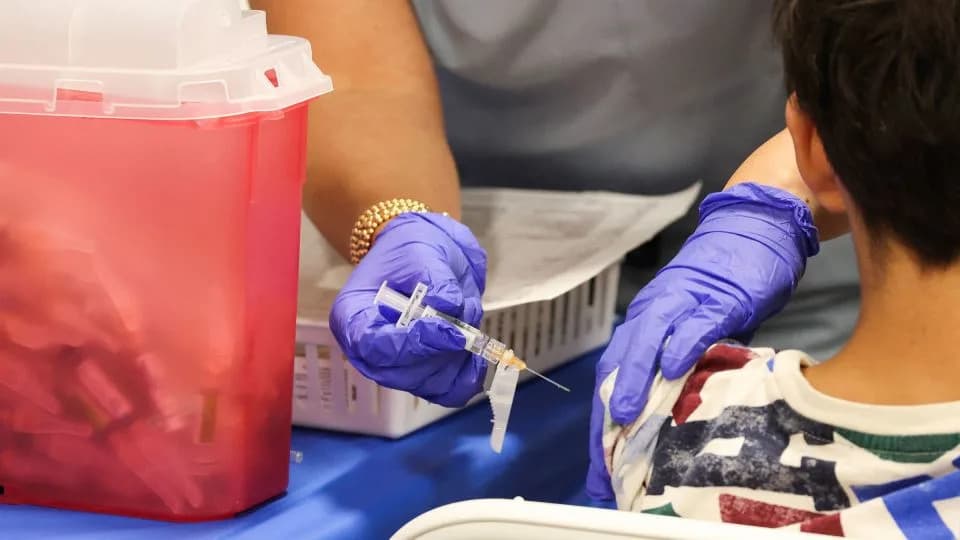
Research shows that gender‑affirming surgery is uncommon among U.S. children. Fewer than 1 in 1,000 U.S. adolescents receive gender‑affirming medications, and many young people who experience gender dysphoria do not proceed to medical or surgical interventions.
Under federal pressure, several hospitals have paused gender‑affirming services for minors. Children's Minnesota most recently announced it would temporarily stop prescribing puberty‑suppressing medications and hormones to patients under 18, citing federal "threats." That health system said the suspension was a protective measure for the hospital and staff while reaffirming its view that gender‑affirming care can be evidence‑based and lifesaving.
Voices From ASPS
Dr. Scot Glasberg, who helped draft the ASPS statement and is a past president of the organization, said the drafting process began in 2024 and was iterative. He maintained the group was not subject to outside political pressure in its deliberations and acknowledged the likelihood of differing opinions within and outside the profession.
The ASPS statement underscores a cautious approach driven by gaps in evidence, legal uncertainty and concern for long‑term outcomes. Clinicians, families and policymakers are likely to debate the statement's implications for access to care, standards of practice and the role of professional societies in politically charged health topics.
Help us improve.