The multi-newsroom investigation finds decades of PFAS use in northwest Georgia carpet mills contaminated rivers, groundwater and drinking supplies across the U.S. South. PFAS — persistent "forever chemicals" linked to cancers and immune-system effects — have been detected in people living downstream. Company-led fixes (like granular activated carbon filtration) and lawsuits seeking settlement funds for treatment plants are emerging responses, but private-well owners remain especially vulnerable.
Toxic Legacy: How Carpet Mills Spread PFAS Across the U.S. South
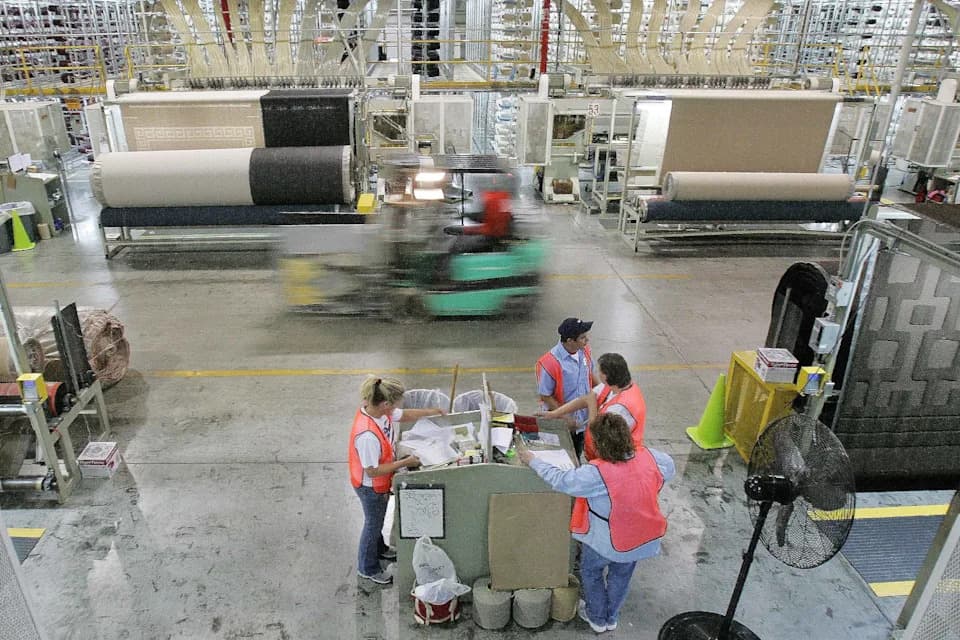
FILE - A forklift speeds by machines and workers on the production floor of a Mohawk Industries rug manufacturing plant in Calhoun, Ga., Wednesday, April 12, 2006. (AP Photo/Ric Feld, File)(ASSOCIATED PRESS)
Decades of stain-resistant treatments at carpet mills in northwest Georgia have left a lasting contamination footprint across the U.S. South. This investigation, produced by a multi-newsroom collaboration, documents how PFAS — the persistent, odorless and colorless chemicals often called "forever chemicals" — moved from factory wastewater into rivers, groundwater and drinking supplies, and into people’s bodies.
How the Contamination Happened
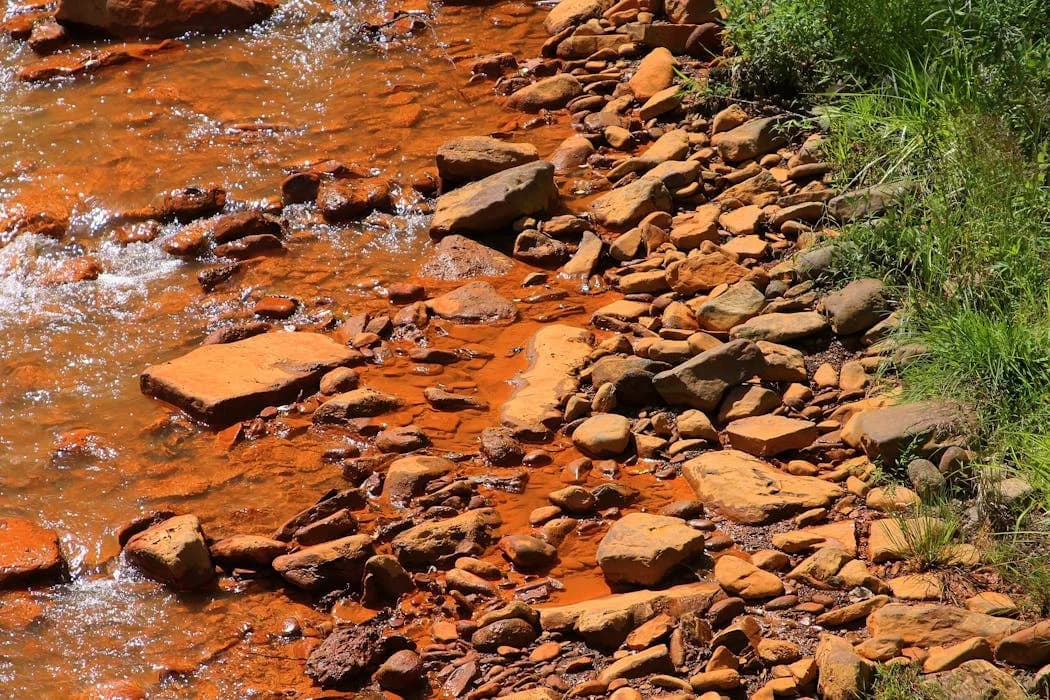
Beginning in the 1970s, carpet manufacturers treated carpets with PFAS to repel stains on an industrial scale. Wastewater from those processes traveled through municipal sewers and treatment systems that were not designed to remove PFAS. Much of the tainted effluent flowed into the Conasauga River and then downstream into other waterways affecting communities in Georgia, Alabama and South Carolina.
Health Risks and Human Impact
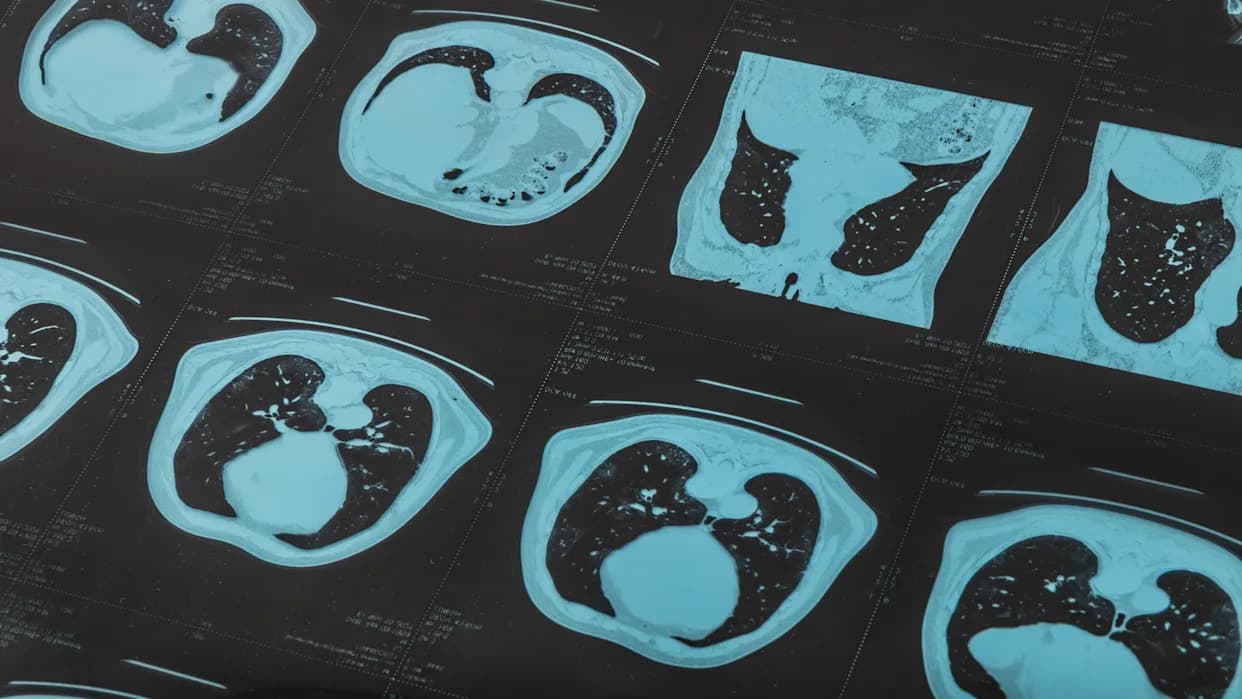
PFAS are highly persistent in the environment and bioaccumulate in people; traces circulate in blood and can build up in organs. Scientific studies in the 2000s and 2010s strengthened links between PFAS exposure and health problems including certain cancers, thyroid and immune-system effects. Former carpet workers and residents near mills report elevated exposures and health concerns, underscoring the human toll of the contamination.
Industry, Utilities and Oversight
Reporting shows that major carpet makers privately coordinated with the local public water utility in ways that limited outside scrutiny even as evidence mounted about PFAS risks. For years, the two largest local companies — Shaw Industries and Mohawk Industries — discharged PFAS-laden wastewater under permits they say were issued by Dalton Utilities. Both companies state they stopped using PFAS in 2019 and maintain they complied with applicable permits; they also say suppliers had assured them older formulations were safe.
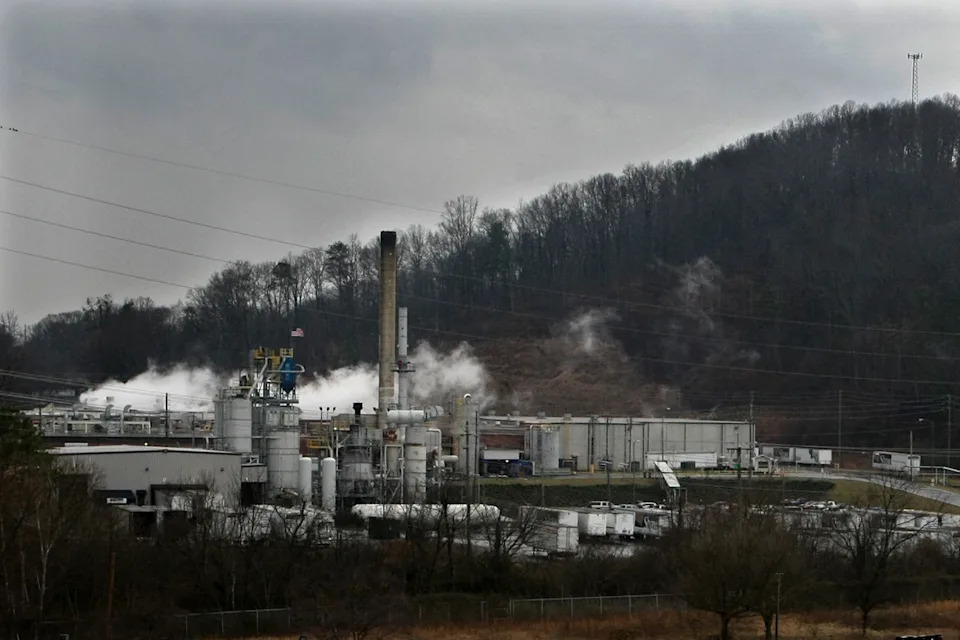
FILE - Shaw Industries plant 81 on Springdale Road sits nestled amidst the scenic foothills of the mountains in Dalton, Ga. Wednesday, Feb. 11, 2009. (Curtis Compton/Atlanta Journal-Constitution via AP, File)(ASSOCIATED PRESS)
Local Solutions and Legal Action
In South Carolina, a river watchdog traced PFAS pollution to a Shaw plant. Rather than escalating litigation, Shaw proposed and installed granular activated carbon (GAC) filtration at the facility to capture PFAS before discharge; the watchdog group then withdrew its lawsuit. Elsewhere, downstream municipalities have sought legal settlements from carpet manufacturers and chemical suppliers to fund costly water-treatment upgrades.
Private Wells And Drinking Water Challenges
Approximately 40 million Americans rely on private wells for drinking water; those supplies are not broadly covered by federal PFAS limits and are tested less frequently. At least 20 states lack routine testing programs for private wells outside known contamination zones, leaving well owners at heightened risk of delayed detection and costly remediation.
Alabama’s Example: Long-Term Costs
AL.com documented how several Alabama cities downstream of the carpet mills are wrestling with PFAS in tap water and limited state support. Some small cities sued for settlement funds to finance new treatment plants. In Gadsden (population ~33,000), a settlement-funded reverse-osmosis plant is under construction and scheduled to open in 2027; meanwhile, residents remain concerned about past and ongoing exposures.
What This Means And Next Steps
The investigation highlights how gaps in regulation and wastewater treatment allowed persistent chemicals to migrate broadly through regional waterways and drinking supplies. While federal and state agencies move to tighten PFAS limits and industrial controls, company-led fixes such as GAC filtration and facility-level testing may help reduce future releases. Lawsuits and settlements are also funding infrastructure upgrades, although private-well owners often remain the most vulnerable.
Reporting Team: This reporting is a collaboration among The Atlanta Journal-Constitution, The Associated Press, FRONTLINE (PBS), AL.com and The Post and Courier and accompanies the FRONTLINE documentary "Contaminated: The Carpet Industry’s Toxic Legacy."
Watch the FRONTLINE documentary at pbs.org/frontline, in the PBS App, on FRONTLINE’s YouTube channel, or on the PBS Documentaries channel on Prime Video for more in-depth coverage.
Help us improve.