The EPA has begun engaging with the Make America Healthy Again (MAHA) movement after Administrator Lee Zeldin announced restrictions on five chemicals, calling it a “MAHA win.” MAHA — buoyed by figures such as Robert F. Kennedy Jr. — has secured rare access to EPA leadership and seeks a formal "MAHA agenda" to address lead pipes, forever chemicals, plastics and food-safety issues. Environmentalists warn that industry ties and recent hires from chemical and agricultural lobbies could limit the agency’s actions. Activists remain cautiously optimistic but say early moves may fall short of fully addressing consumer exposures.
EPA Embraces MAHA Input — Zeldin’s Outreach Raises Hope and Questions Over Industry Ties

Kelly Ryerson, known by her supporters as "Glyphosate Girl," poses for a portrait, Thursday, Jan. 22, 2026, in Miami. (AP Photo/Marta Lavandier)(ASSOCIATED PRESS)
WASHINGTON — On New Year's Eve, Environmental Protection Agency Administrator Lee Zeldin announced new restrictions on five chemicals commonly used in building materials, plastics and adhesives, calling the move a “MAHA win.” The announcement signaled an unusual accommodation between a Republican administration typically aligned with business interests and the Make America Healthy Again (MAHA) movement, which argues that corporate environmental harms threaten public health.
An Unlikely Partnership
MAHA — a coalition energized in part by the influence of Robert F. Kennedy Jr. — has recently secured unusual access to senior federal officials. As reported, Kennedy, in his role as health secretary, has altered official guidance on several public health topics, and MAHA activists say that momentum now extends to environmental policy.
The group hopes the EPA’s forthcoming “MAHA agenda,” promised for release in the coming months, will prioritize issues such as lead service lines, so-called forever chemicals, plastic pollution and food-quality concerns. For the administration, accommodating MAHA has political implications: activists warn that disappointment could erode support ahead of November elections that will shape control of Congress.
Access and Engagement
MAHA activists report a level of access to EPA leadership they characterize as unprecedented. Prominent campaigner Kelly Ryerson — known online as “Glyphosate Girl” — said she moved from calling for Zeldin’s dismissal to meeting him in person after a MAHA event in December. That one-hour session with Zeldin at EPA headquarters reportedly led to additional conversations with agency deputies.
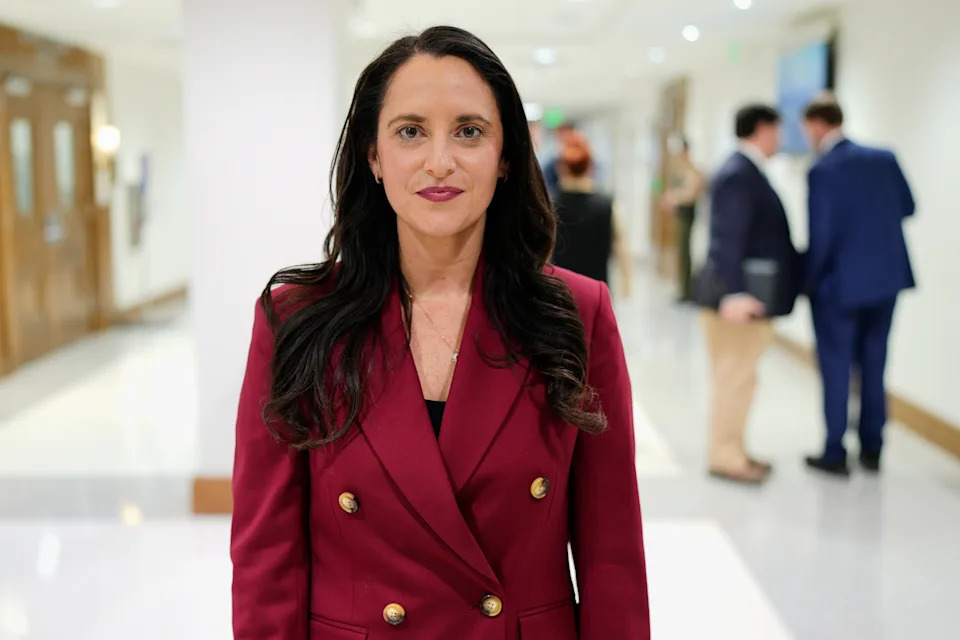
Molecular toxicologist Alexandra Muñoz poses outside a hearing room at the Tennessee State Capitol, Wednesday, Jan. 21, 2026, in Nashville, Tenn. (AP Photo/George Walker IV)(ASSOCIATED PRESS)
“The level of engagement with people concerned with their health is absolutely revolutionary,” Ryerson said, while noting that the agency’s forthcoming plan will determine how seriously their concerns are being addressed.
Rashmi Joglekar of UCSF’s Program on Reproductive Health and the Environment said it is uncommon for grassroots activists to meet directly with the EPA administrator, and that MAHA’s rapid inroads reflect the coalition’s growing influence.
Policy Influence Beyond the EPA
MAHA’s activity has extended to the legislative arena. Activists lobbied against liability protections for pesticide manufacturers; according to reporting, such protections were removed from a federal funding bill after MAHA opposition, and a similar proposal stalled in Tennessee.
Zeldin has participated in calls with MAHA Action and invited activists to help shape the agency’s agenda. EPA press secretary Brigit Hirsch said the forthcoming MAHA agenda will “directly respond to priorities we’ve heard from MAHA advocates and communities.” The American Chemistry Council, representing chemical industry interests, responded that “smart, pro-growth policies can protect both the environment and human health as well as grow the U.S. economy.”
Industry Ties Prompt Scrutiny
Environmental advocates warn that the administration’s pro-industry orientation could limit how far the EPA moves. Critics point to recent hires of former industry lobbyists and trade association officials into senior EPA roles as evidence of strong industry influence.
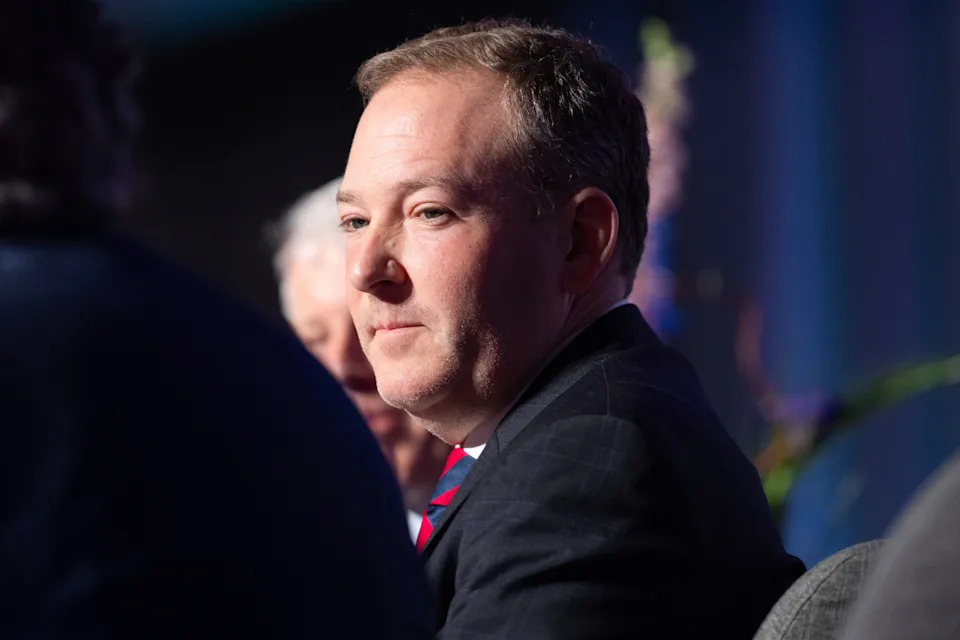
FILE - EPA Administrator Lee Zeldin listens during the annual Alaska Sustainable Energy Conference on June 3, 2025, in Anchorage, Alaska. (AP Photo/Jenny Kane, File)(ASSOCIATED PRESS)
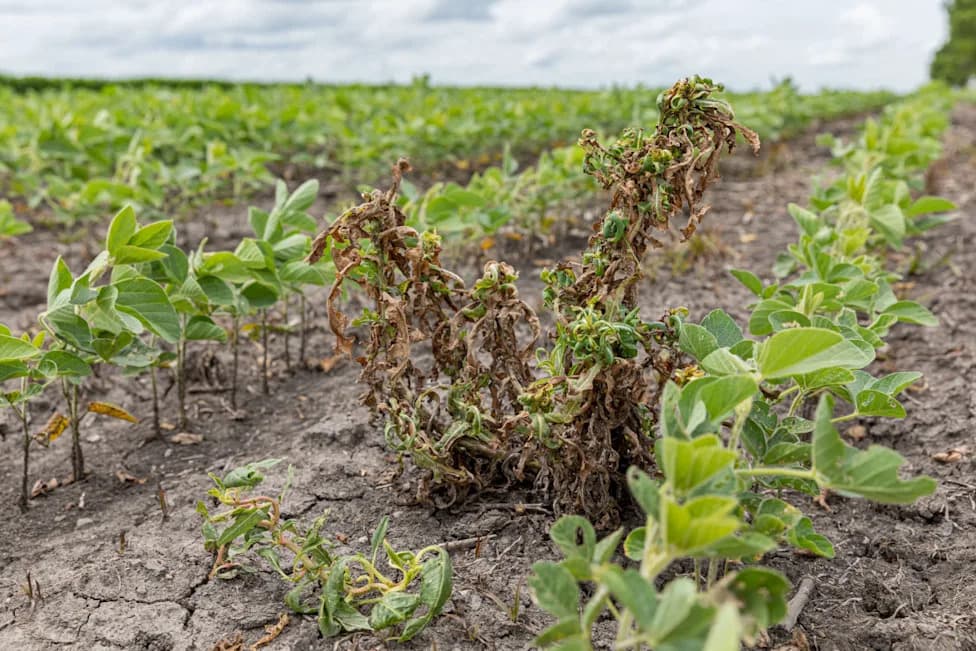
For example, opponents cited the agency’s decision to expand allowable uses of the herbicide dicamba on soybeans and cotton and noted the recent hiring of a former soybean association lobbyist to a senior pesticide oversight role. The EPA has denied that the hire influenced the dicamba decision and says pesticide decisions are guided by statute and science. The agency also noted ethics checks and said appointees are qualified and focused on evidence.
Scientists and activists who have met with EPA staff say the meetings often felt polite and receptive in tone but sometimes echoed industry talking points. Alexandra Muñoz, a molecular toxicologist who attended a meeting with Zeldin, described the exchange as civil but said some arguments sounded familiar from industry messaging.
What Activists Want — And What They See So Far
MAHA priorities include removing certain chemicals such as atrazine from drinking water, ending pre-harvest desiccation of crops, tightening limits on forever chemicals, addressing lead infrastructure and expanding cleanup efforts at contaminated Superfund sites. Some activists also press for cancer-warning labels on products containing glyphosate, a chemical with contested links to cancer in some studies; the EPA, meanwhile, has said glyphosate is not likely to be carcinogenic to humans when used as directed.
Activists express cautious optimism but also skepticism. They point to Zeldin’s phthalates announcement as an example of a step that may be limited in scope — regulating certain workplace and environmental exposures without addressing the many consumer products that contain phthalates.
“The EPA is giving very mixed signals right now,” said Courtney Swan, a MAHA activist focused on nutrition issues. Time will tell whether the MAHA agenda produces substantive policy shifts or largely symbolic actions.
Govindarao reported from Phoenix.
Help us improve.