Highlights: A Chinese cohort linked meat consumption to higher odds of living to 100 but researchers warn of confounding and observational limits. Spanish genetic data implicate vitamin B1 in stool frequency. Simulations predict a potential meteor surge if an asteroid grazes the Moon in 2032. Other reports cover a fat-cell molecular switch in mice, space-grown phages that evolved improved activity against UTI bacteria, and subtle linguistic signs of dementia in Terry Pratchett’s writing.
This Week in Science: Meat and Longevity, Space-Grown Phages, Fat-Cell Switches, and More

(punhha/Canva)
This week’s science roundup highlights several surprising and preliminary findings across nutrition, genetics, space science and biomedical research. Below are concise summaries of new studies and simulations — with the caveats researchers emphasize about interpretation and the need for follow-up work.

A micronutrient your gut loves. (Kinga Krzeminska/Getty Images)
Meat Consumption Linked With Higher Odds Of Reaching 100 — With Big Caveats
A cohort study of more than 5,000 people in China reported that participants who ate meat had higher odds of reaching 100 years of age than those who did not. The authors caution that this association may reflect nutritional challenges of advanced age, residual confounding and the limits of observational data rather than a causal benefit of meat. They also note that it does not overturn well-established cardiovascular and metabolic benefits of plant-forward diets for younger, healthier adults.

(Mark Garlick/Science Photo Library/Getty Images)
“The study's findings may reflect the nutritional challenges of very old age rather than any intrinsic flaw in plant-based diets,” the researchers write.
Vitamin B1 Emerges As A Candidate Regulator Of Stool Frequency
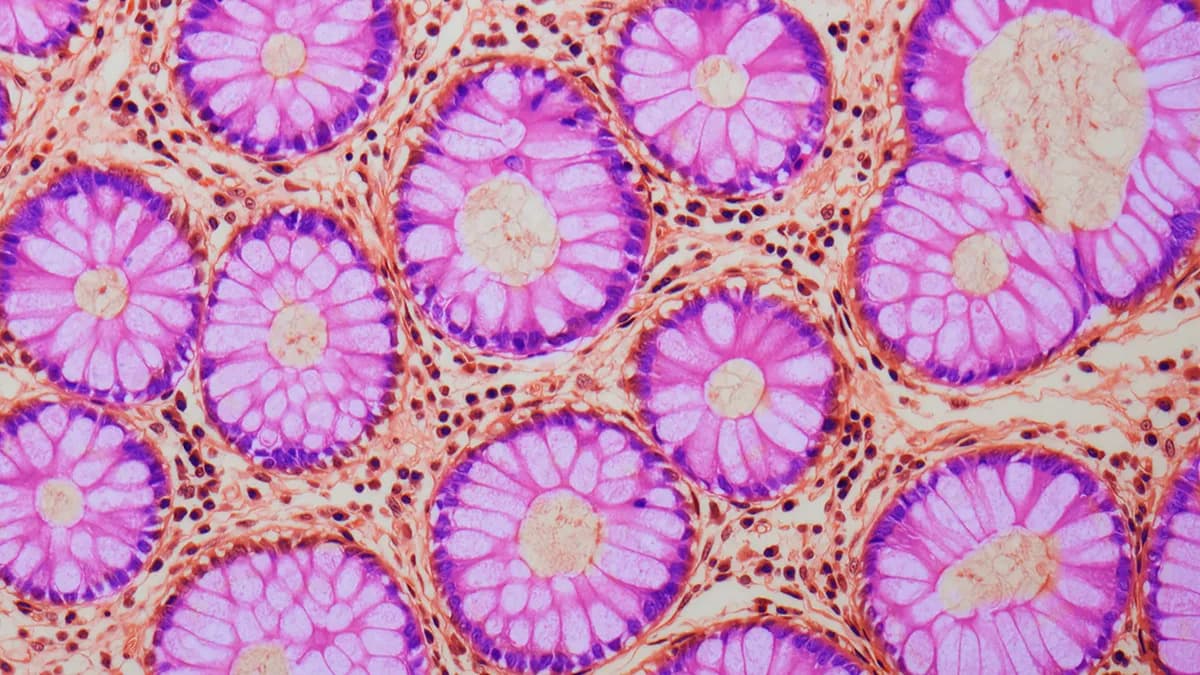
Genetic analyses from Spain point to vitamin B1–related pathways as possible regulators of stool frequency, a trait tied to gut motility and conditions such as irritable bowel syndrome and chronic constipation. Researchers view the genetic signals as testable leads for laboratory experiments and carefully designed clinical studies rather than immediate clinical guidance.

Audition now for ScienceAlert's Casting Call
“These genetic signals highlight specific pathways, especially vitamin B1, as testable leads for laboratory experiments and clinical studies,” says geneticist Mauro D'Amato.
Asteroid–Moon Interaction Could Produce A Spectacular Meteor Display In 2032
Simulations of an asteroid encounter that may graze the Moon in 2032 project a dramatic meteor display at peak — possibly up to 20 million meteors per hour entering Earth’s atmosphere and roughly 100–400 visible fireballs per hour on the planet’s leading edge around Christmas 2032. Researchers emphasize that local hazard to spacecraft and ground systems will depend on timing, geometry and fragment sizes, and they are modeling scenarios to assess risks.
(EzumeImages/iStock/Getty Images)
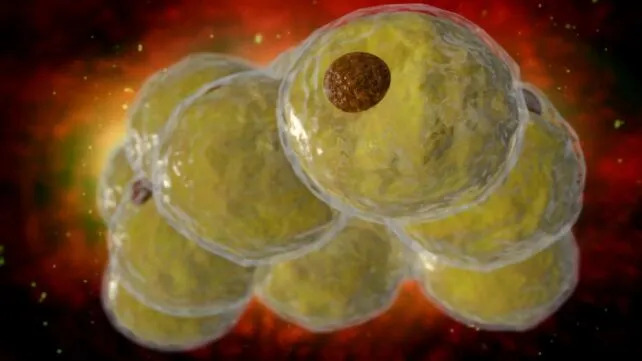
Molecular Switch That Controls Fat-Cell Formation Found In Mice
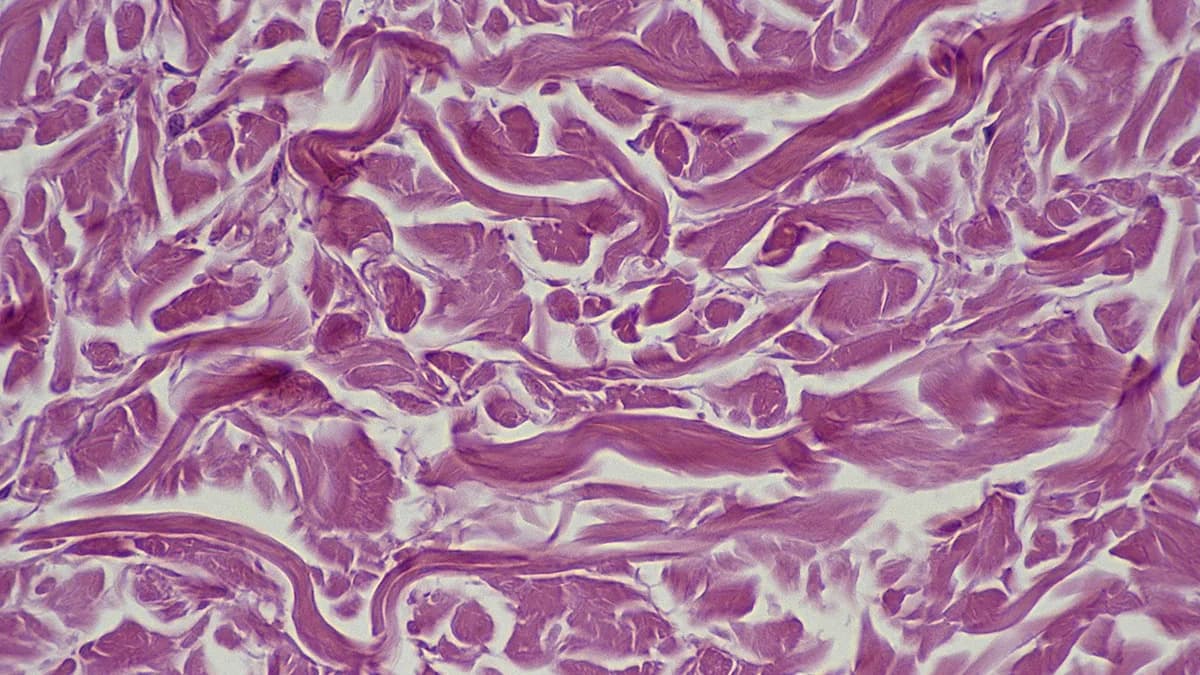
Scientists in South Korea identified a molecular switch that can slow or stop the production of adipocytes (fat cells) in mouse models. The discovery provides a foundation for deeper study of adipocyte identity and may inform future strategies for metabolic-disease treatment — though translation to humans requires extensive further research.

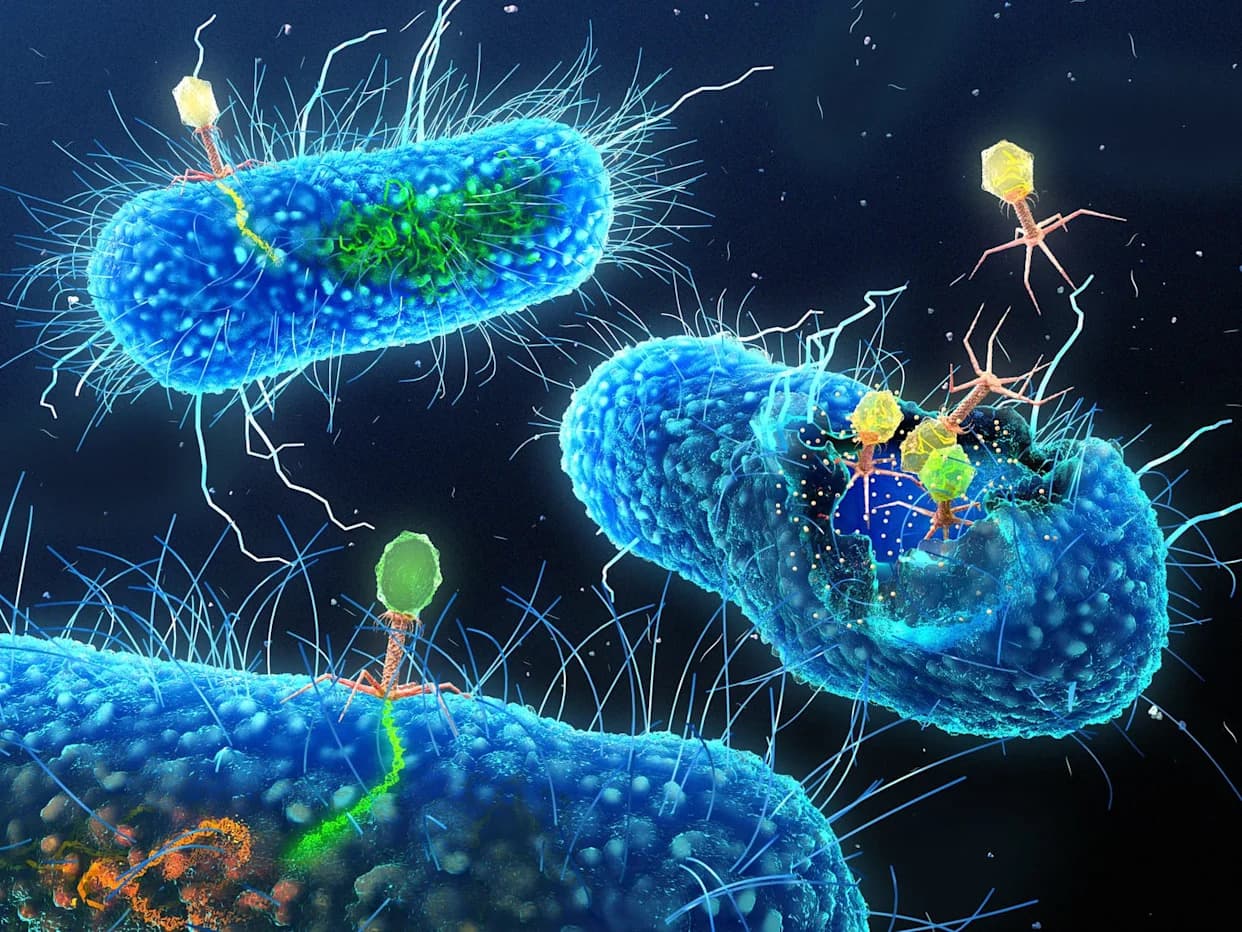
A phage rests on the surface of a host cell. (University of Wisconsin-Madison)
“This study has laid an important foundation for a more sophisticated understanding of adipocyte identity changes,” says molecular biologist Dae‑Sik Lim.
Phages Grown In Space Evolve Mutations That Improve Killing Of UTI Bacteria
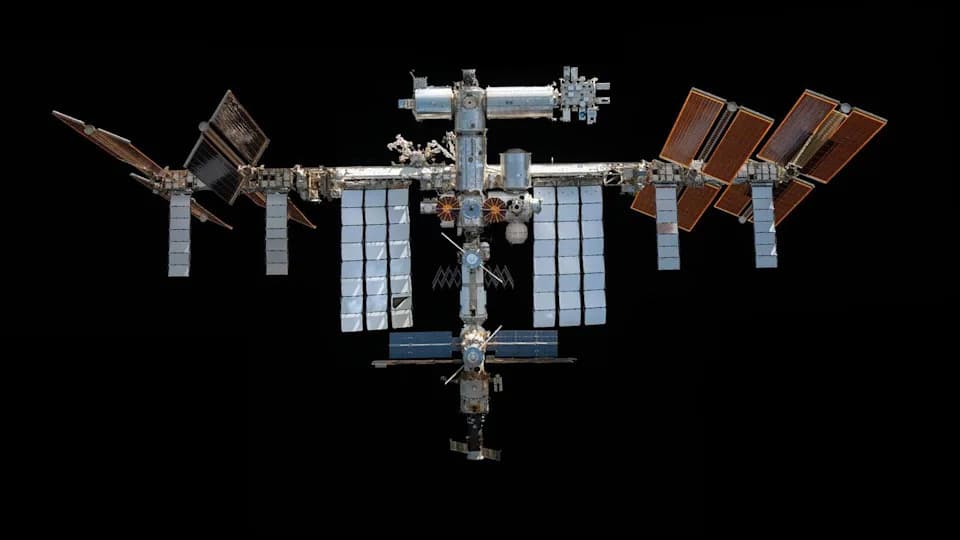
Bacteriophages cultured in microgravity environments showed distinct evolutionary changes; some space-selected mutations enhanced phage ability to kill terrestrial bacteria that cause urinary tract infections (UTIs). Given high rates of antibiotic resistance among UTI pathogens, these preliminary results suggest spaceflight conditions might be harnessed to develop alternative antimicrobial tools — subject to much more validation.

British author Terry Pratchett in 2010. (BEN STANSALL/AFP via Getty Images)
Linguistic Analysis Detected Early Signs Of Dementia In Terry Pratchett’s Writing
Computational analysis of the late author Terry Pratchett’s prose found a subtle, progressive reduction in vocabulary variety that appeared up to a decade before his clinical diagnosis of dementia. The change was not obvious to casual readers but was detectable through detailed linguistic metrics, illustrating how language analysis can reveal early cognitive shifts.
Other items this week include efforts to standardize cannabis research measures and reports of unusual lifeforms in unexpected environments. Across these stories, researchers frequently emphasize that findings are preliminary and that follow-up experiments, clinical trials and additional modeling are needed to confirm implications.
Help us improve.