More than 160 million Americans face Winter Storm Fern as a stretched polar vortex channels Arctic air and winter precipitation from Texas to the Northeast. Scientists note Arctic amplification may be increasing atmospheric wave activity that distorts the vortex, but the connection to long‑term human‑driven climate change remains debated. Observations over the past two decades show more events, yet natural variability and limited records complicate firm conclusions.
Winter Storm Fern to Slam 160M+ Americans — Is Climate Change Fueling Polar Vortex Shifts?
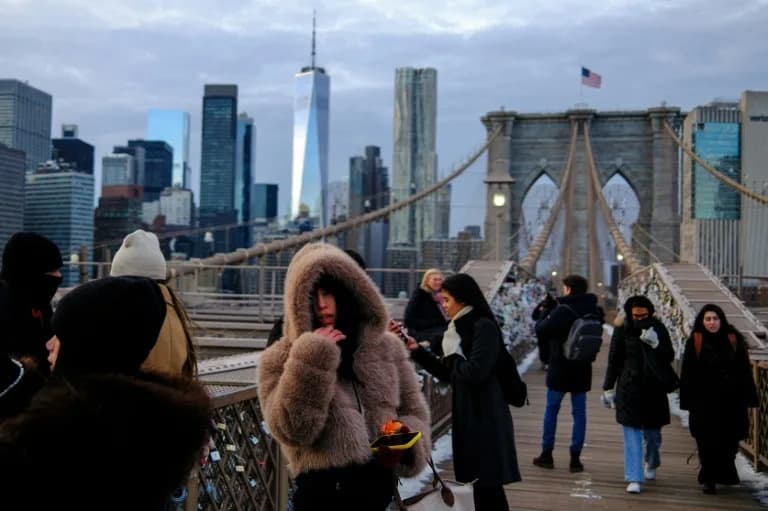
People brave the cold on the Brooklyn Bridge in New York City ahead of Winter Storm Fern (CHARLY TRIBALLEAU)(CHARLY TRIBALLEAU/AFP/AFP)
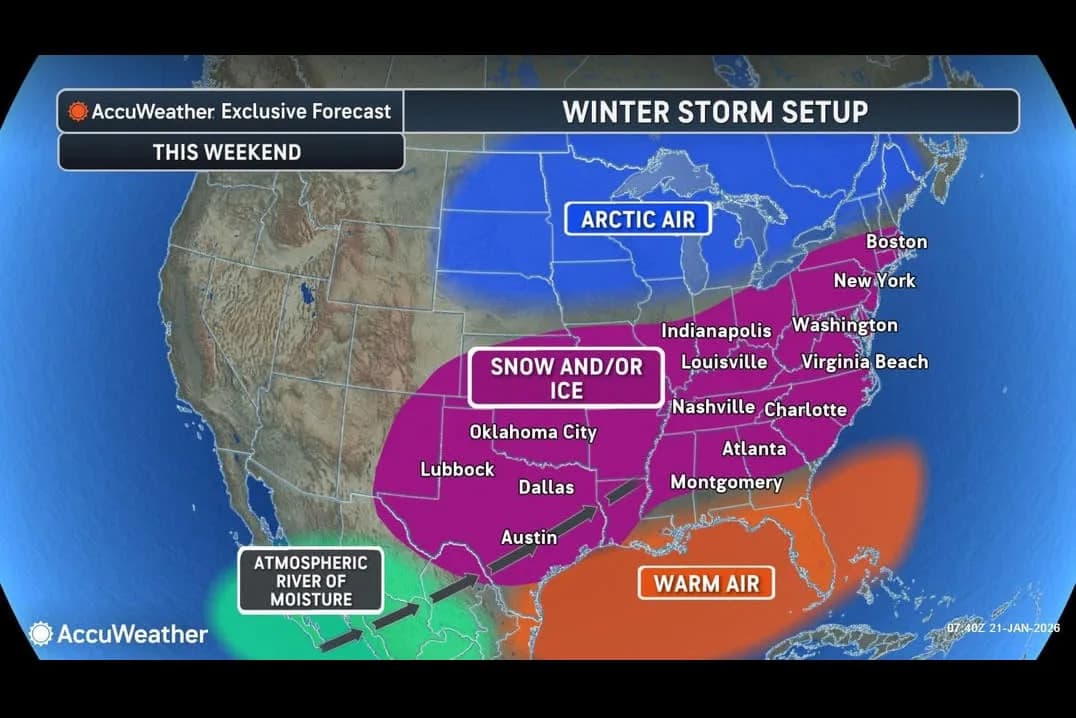
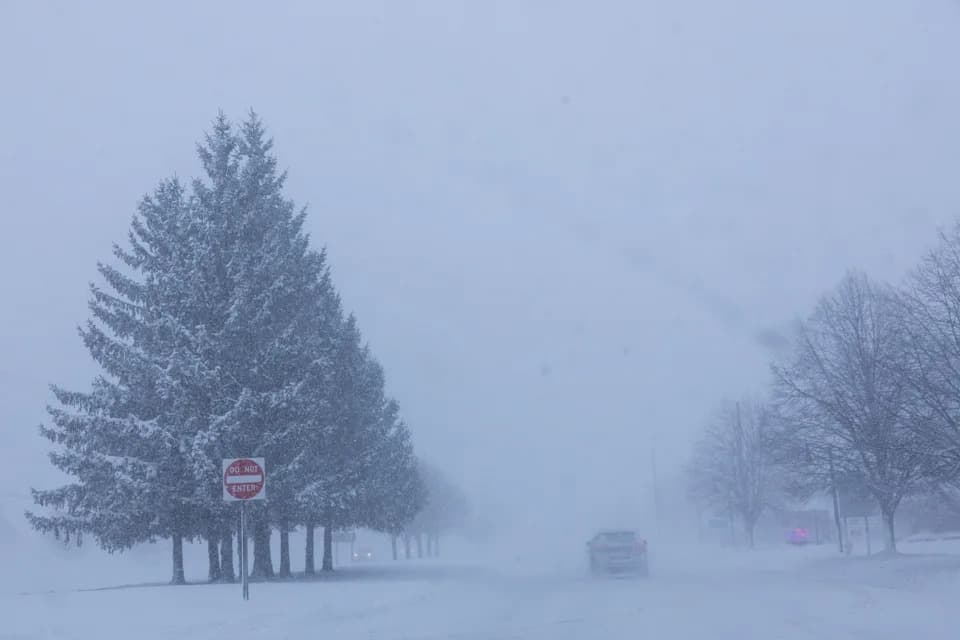
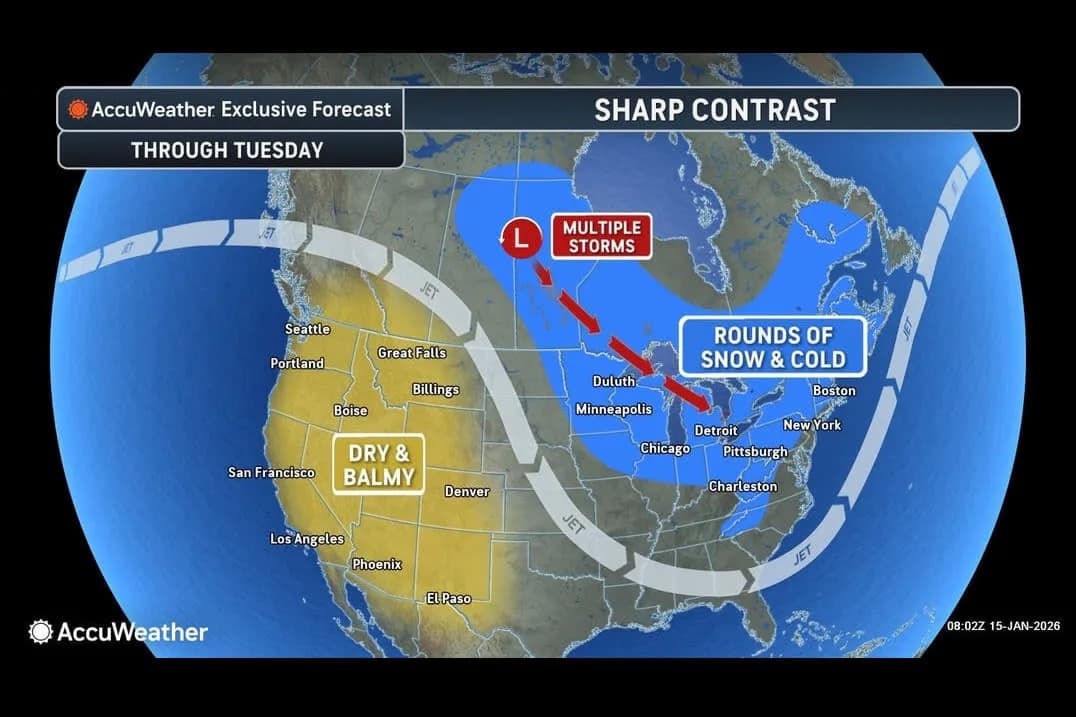
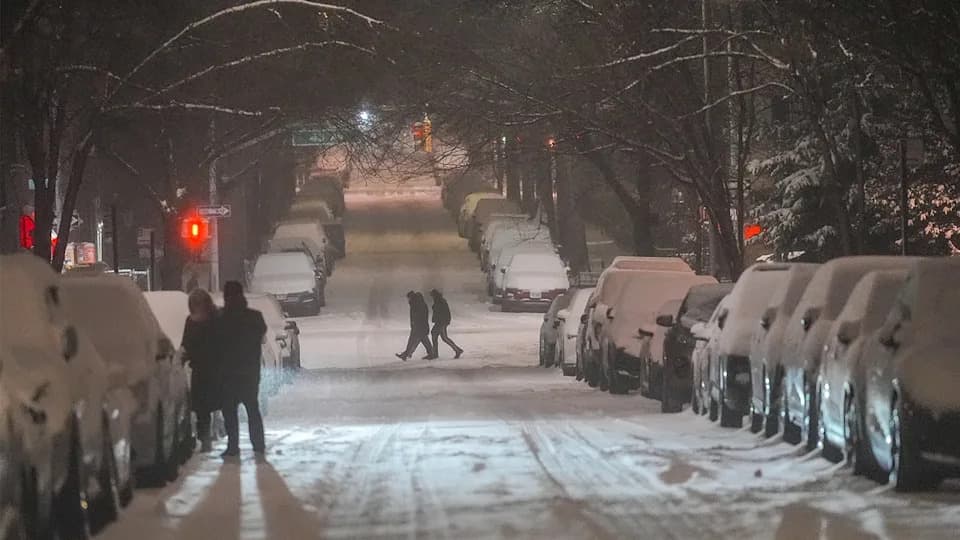
Winter Storm Fern is forecast to unleash a blast of Arctic air across more than 160 million Americans beginning Friday, bringing heavy snow, ice and dangerously cold temperatures from Texas and the Great Plains to the mid‑Atlantic and Northeast.
What Is the Polar Vortex?
The polar vortex is a broad region of cold, low‑pressure air that circulates high above the Arctic in the stratosphere, roughly 10 to 50 kilometers (6 to 30 miles) above Earth's surface. In a typical winter the vortex stays compact and confines the coldest air to high northern latitudes.
What Happens When It Stretches?
Occasionally, large atmospheric waves that form nearer the surface propagate upward and disturb the vortex. Instead of fully collapsing — as during a sudden stratospheric warming — the vortex can elongate or become lopsided like "a rubber band being pulled," allowing frigid Arctic air to spill much farther south than usual.
"Usually the vortex spins merrily along and has little effect on our weather, but occasionally it moves or stretches southward over North America, bringing with it a jolt of cold," said Jennifer Francis, senior scientist at the Woodwell Climate Research Center.
Jason Furtado, a meteorologist at the University of Oklahoma who researches long‑range forecasting, notes that these stretching events tend to be shorter than full breakdowns but can still produce significant winter impacts across North America.
Is This Linked To Climate Change?
Scientists broadly agree that the Arctic is warming faster than the global average — a process called Arctic amplification — and that human activities are driving that warming. Where interpretation differs is whether and to what extent that rapid Arctic warming increases the frequency or severity of polar vortex disruptions that push cold air south.
Some researchers, including Judah Cohen of MIT, argue that uneven Arctic warming can amplify large atmospheric waves over Eurasia and make vortex displacements more likely. "Studies suggest these aberrations in the vortex are happening more often in a warming world, which favors more frequent winter extremes," said Francis.
Others, including Furtado, point to observational increases in the past two decades but urge caution: the climate system includes strong natural variability, and the observational record may not yet be long enough to draw definitive links over longer time scales.
Impacts and What To Expect
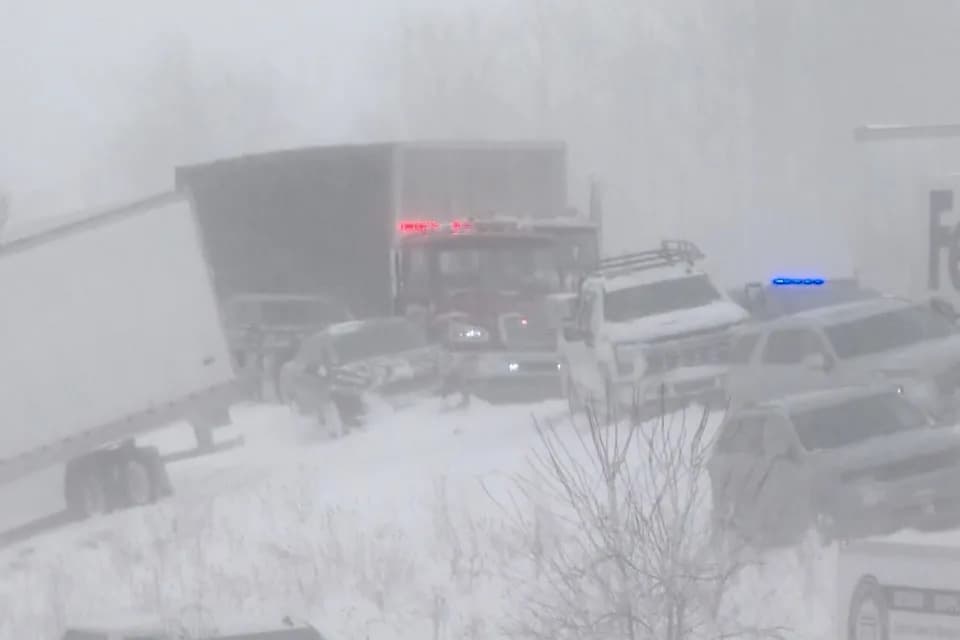
Winter Storm Fern is expected to produce heavy snowfall, freezing rain and gusty winds across a swath of the United States, increasing risks for travel disruptions, power outages and hazardous conditions. Residents in affected areas should follow local forecasts and advisories and prepare for winter weather impacts.
Bottom Line
Large‑scale shifts in the polar vortex can send Arctic cold far south and fuel major winter storms like Winter Storm Fern. Scientists continue to investigate how Arctic warming influences these patterns — evidence of more frequent events exists in recent decades, but natural variability and limited long‑term data mean the debate is not fully settled.
Reporting credit: ia/msp. Quotes to AFP sources retained where indicated.
Help us improve.