Scientists presenting at AGU 2025 report that deeper layers of warm ocean water are fueling stronger, longer-lasting tropical cyclones. A four-decade analysis links up to 70% of observed deep‑ocean hot spots to human-caused climate change. Meteorologists are discussing a potential Category 6 for storms with sustained winds over 184 mph as deeper heat gives storms more energy. The findings underscore the need for emissions reductions, coastal resilience, and improved early-warning systems.
Warming Oceans Are Fueling 'Peak‑Intensity' Hurricanes — Scientists Warn Category 6 Is Increasingly Plausible
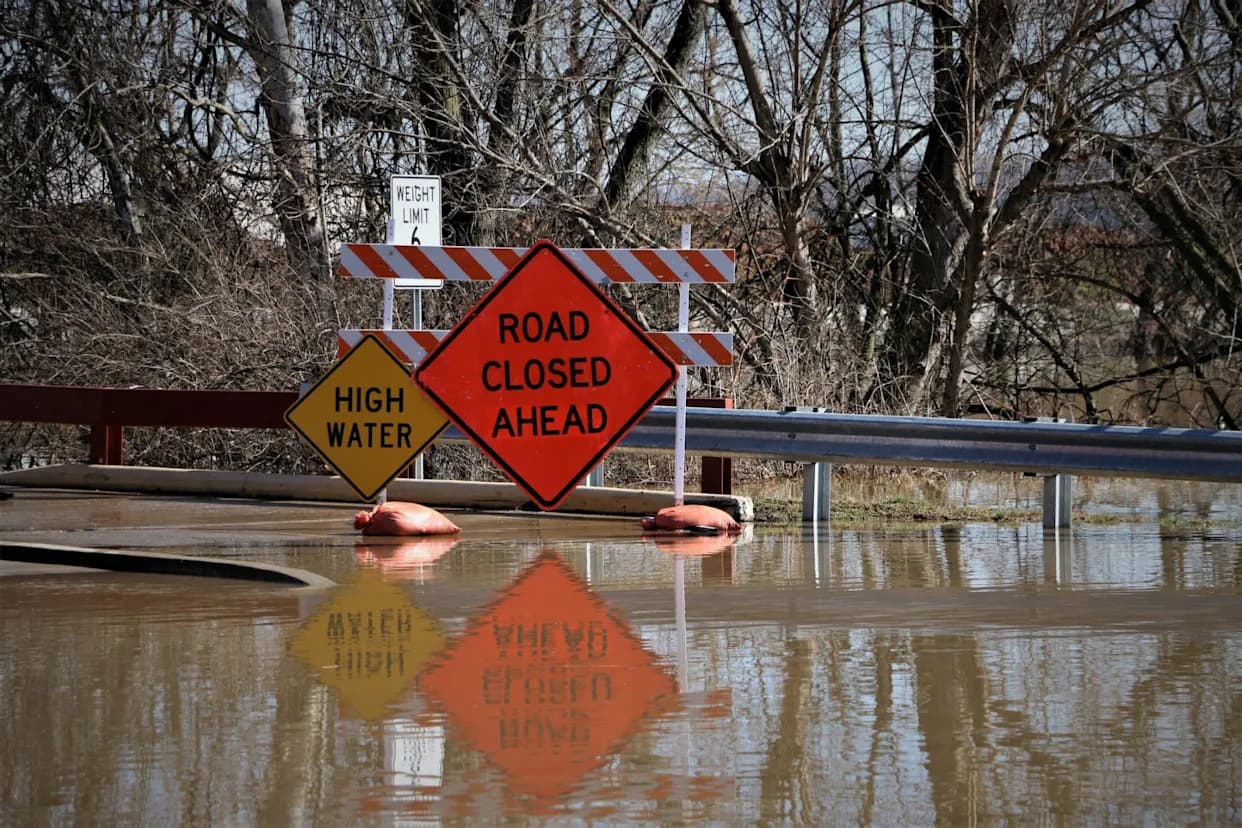
Photo Credit: iStock
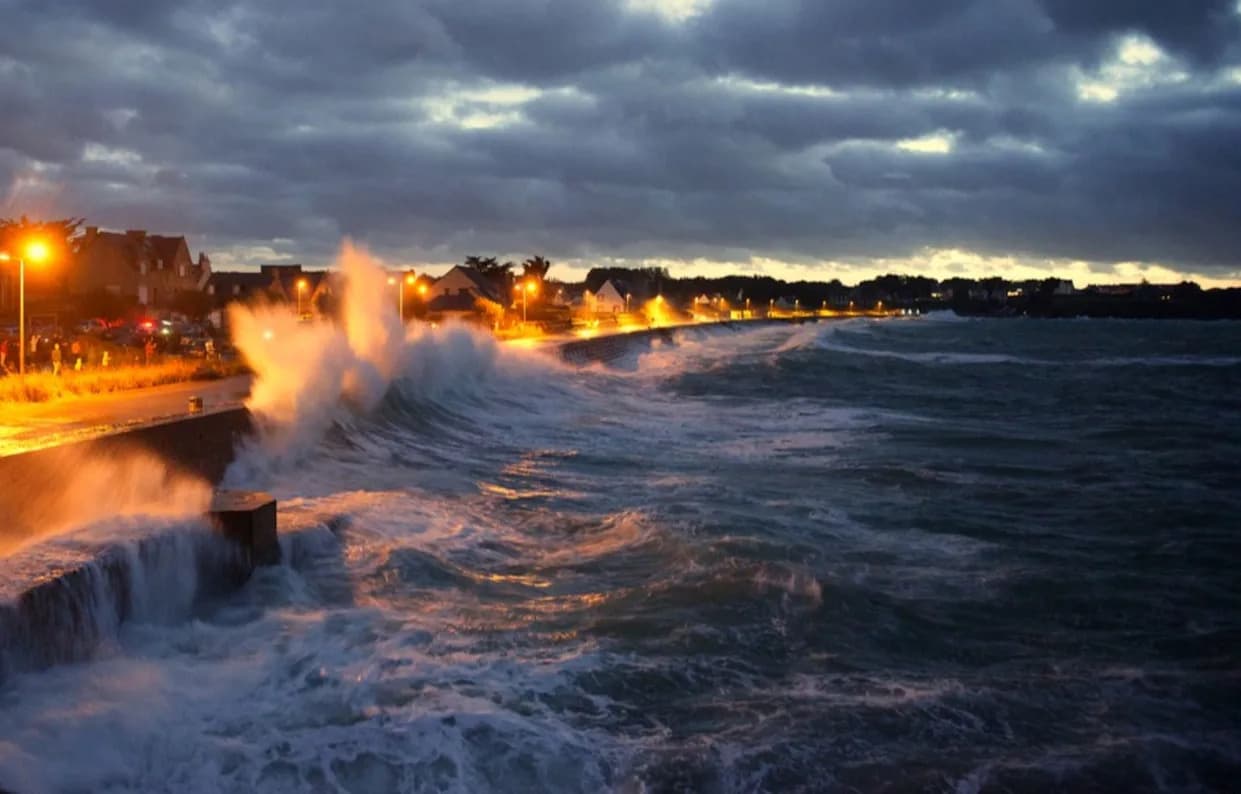
Climate scientists warn that warming oceans are changing how tropical cyclones form and intensify, producing stronger, longer-lived storms that pose greater risk to coastal communities.
What Researchers Found
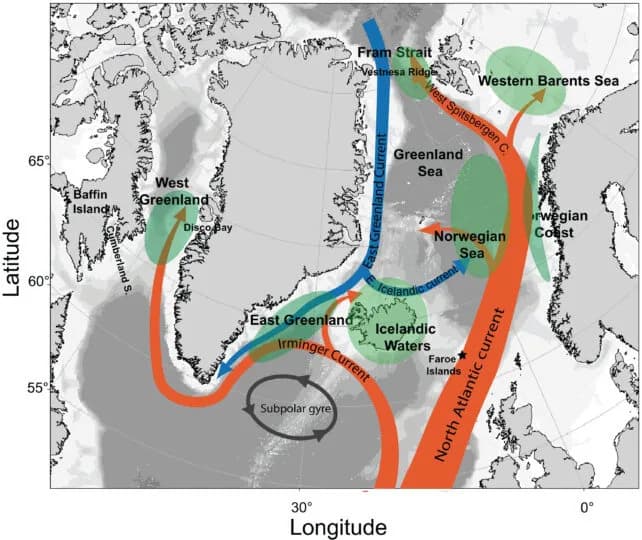
A team analyzing four decades of cyclone data presented results at the American Geophysical Union's 2025 annual meeting showing that warm ocean layers are reaching greater depths in the Western Pacific and Atlantic. Those deeper warm layers give storms access to more heat and moisture, enabling higher peak intensities and longer lifetimes.
Researchers reported that human-caused changes to Earth's climate may account for up to 70% of the deep-ocean hot spots identified in their analysis. As one report summarized, "That trend shows that the background state is shifting toward conditions more favorable to peak-intensity monsters."
How This Raises Storm Risk
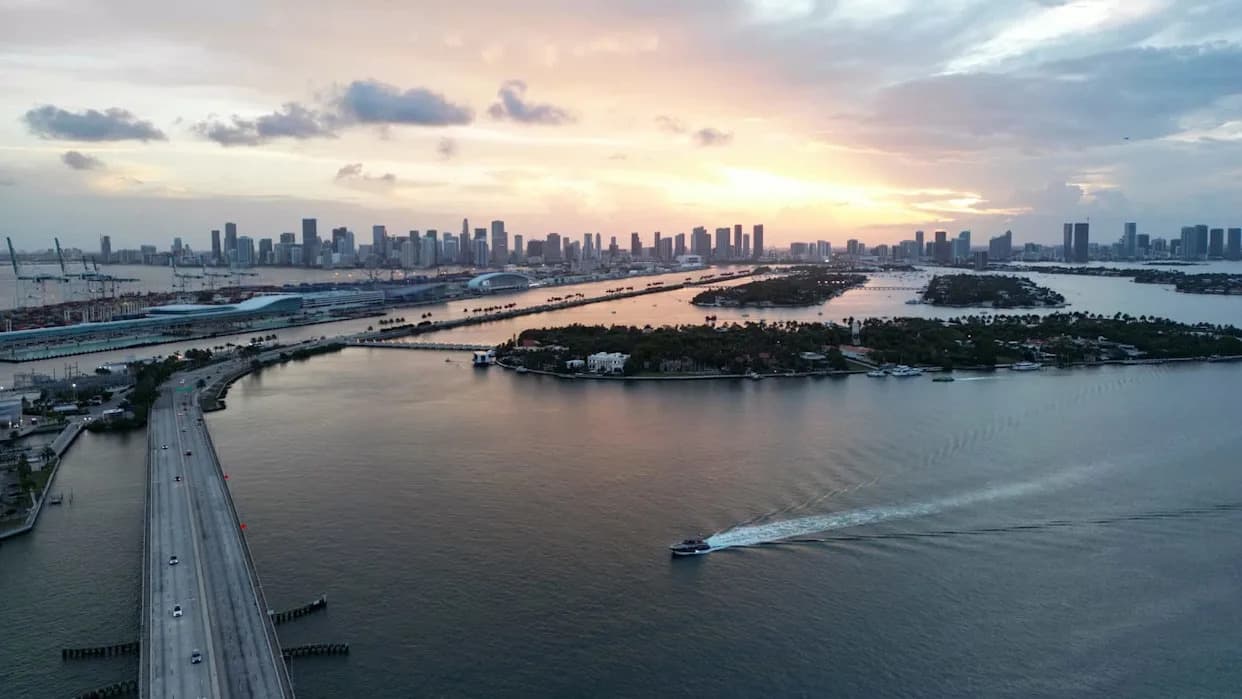
Warm ocean water supplies energy and moisture to a storm's core, fueling stronger winds and heavier rainfall. When these systems reach or peak near land, the deeper ocean heat can translate into more destructive impacts for people, wildlife habitats, infrastructure, and coastal economies.
Category 6: A Possible New Threshold
Meteorologists are discussing whether to add a new hurricane designation — "Category 6" — for storms with sustained winds exceeding 184 mph. Historically, Category 5 has included storms with sustained winds above 158 mph; the proposed Category 6 would reflect the growing likelihood of truly extreme intensities under deeper ocean heating. The proposal is under discussion and not an official change yet.
Context: The findings are based on a multi-decade data analysis presented at AGU 2025 and are part of a broader body of research linking human-driven warming to changes in ocean heat content and storm behavior.
What Can Be Done
There is no quick fix to cool the oceans, but mitigation and adaptation can reduce long-term risks:
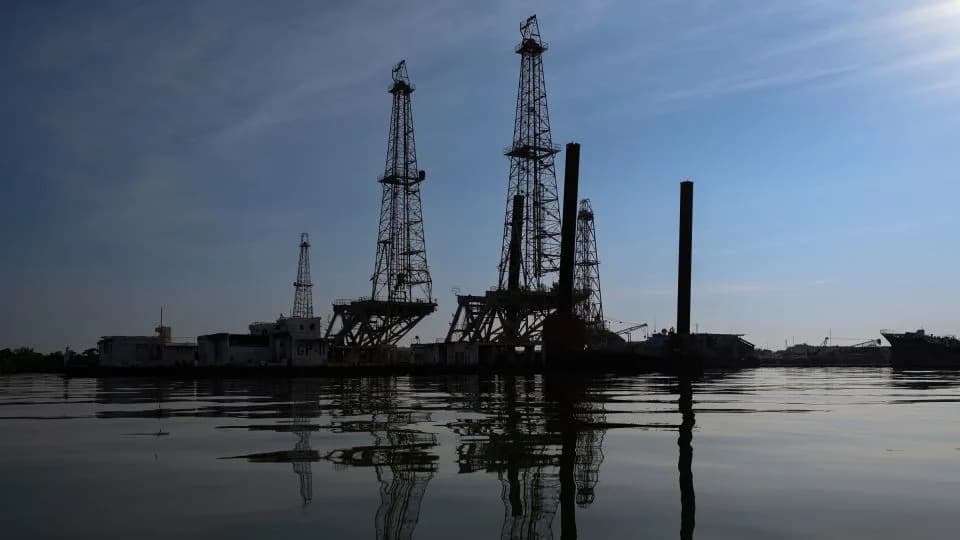
- Mitigate climate change by cutting greenhouse gas emissions—supporting clean energy and reducing fossil-fuel use helps limit future ocean warming.
- Individuals can reduce emissions by choosing electric vehicles, installing solar power, and upgrading to energy-efficient appliances.
- Local and national governments should invest in resilient infrastructure, improved land-use planning, robust early-warning systems, and enhanced forecasting to protect vulnerable communities.
While not every extreme storm can be prevented, better understanding, planning, and emissions reductions can limit how much worse these storms become and reduce the damage when they occur.
Help us improve.