Acting President Delcy Rodríguez has proposed a draft amnesty covering cases from 1999 to today, excluding homicide, drug trafficking, corruption and human-rights offenses, and has asked a judicial commission to present the bill to the National Assembly. She also announced plans to close El Helicoide and convert it into a community social and sports center. The moves come amid U.S. pressure and conflicting tallies of recent detainee releases between the government and the rights group Foro Penal.
Venezuela Proposes Broad Amnesty, Plans to Close Notorious El Helicoide
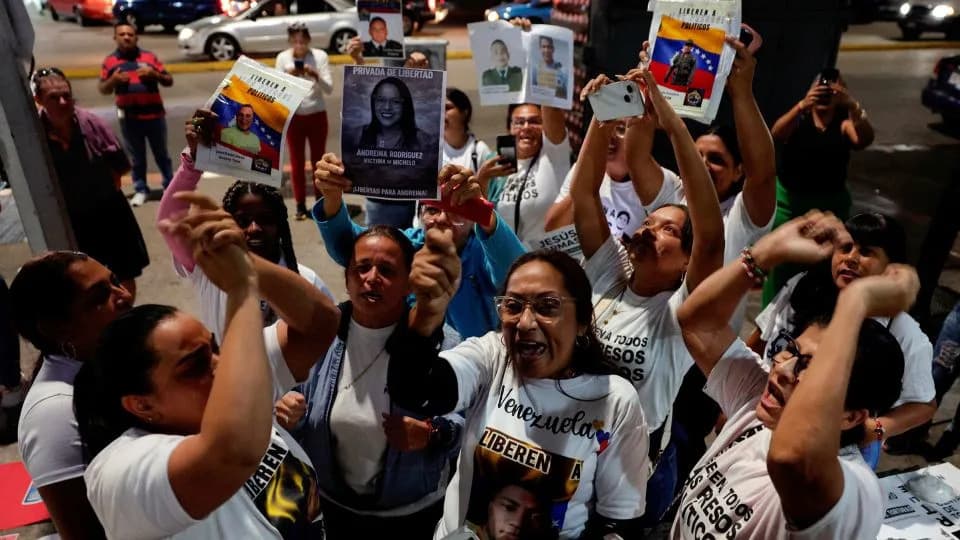
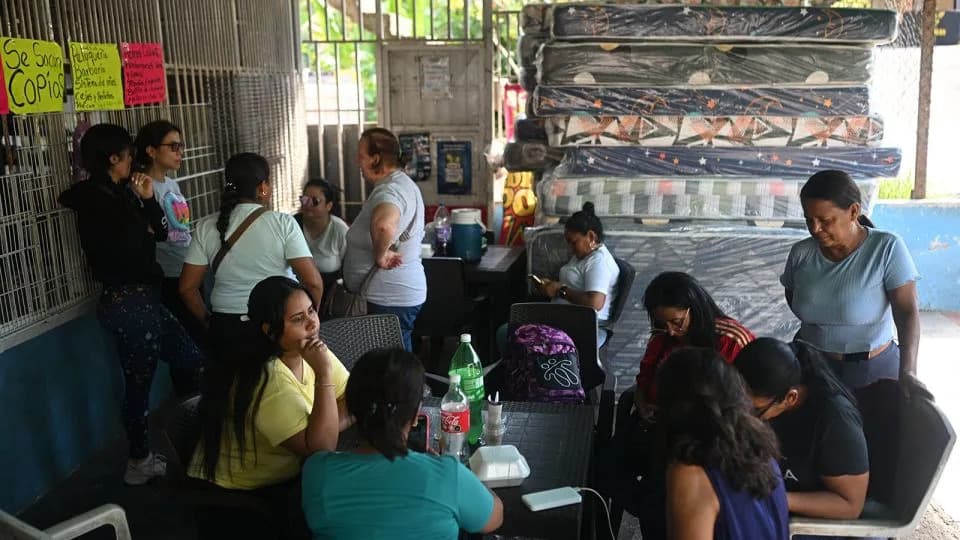
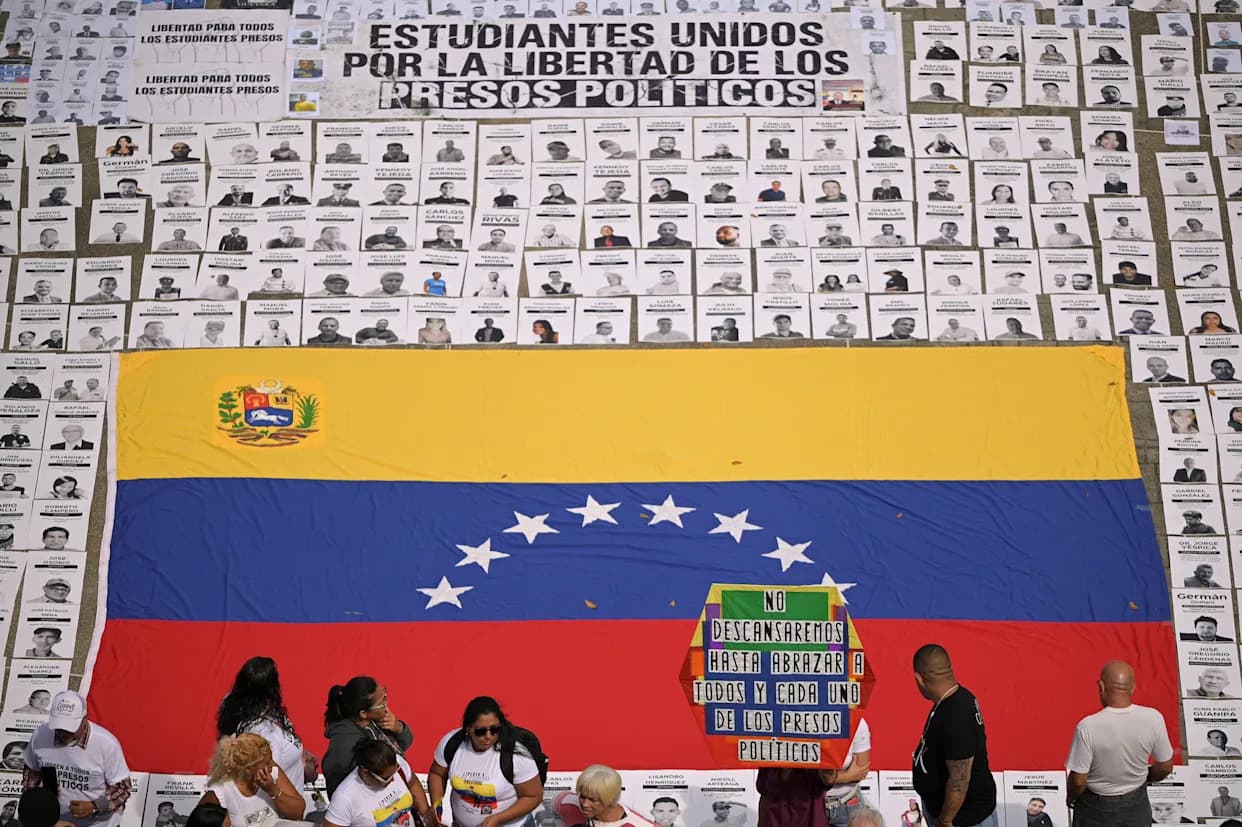
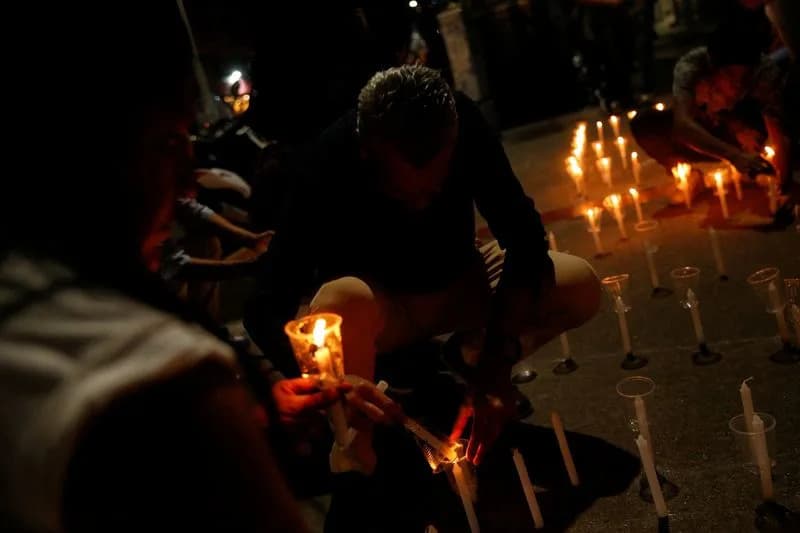
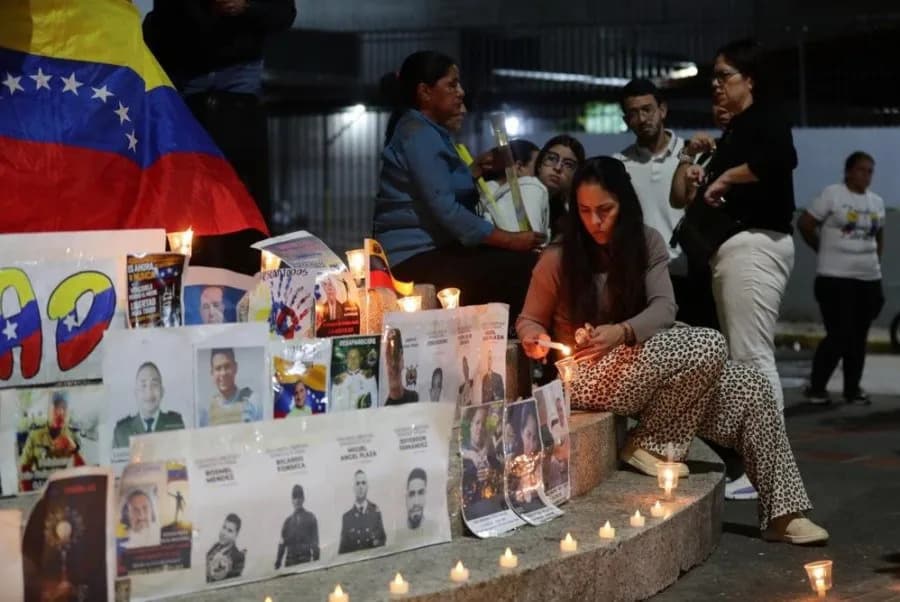
Relatives of detainees outside the Helicoide detention center in Caracas after Venezuela’s interim president Delcy Rodriguez announced a proposed "amnesty law" for hundreds of prisoners. - Gaby Oraa/Reuters
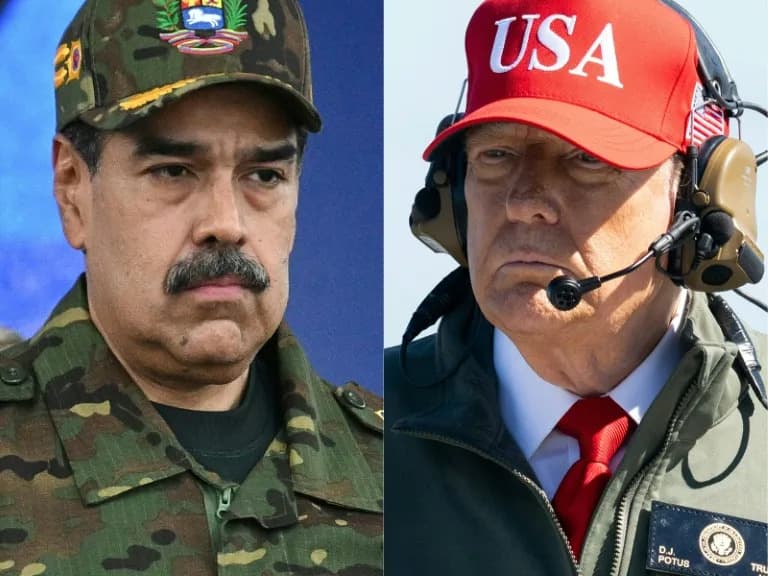
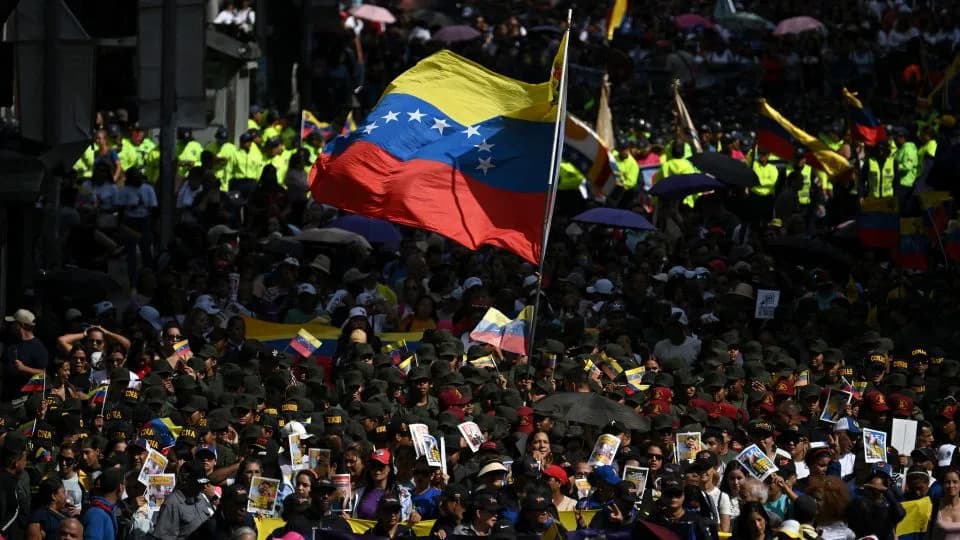
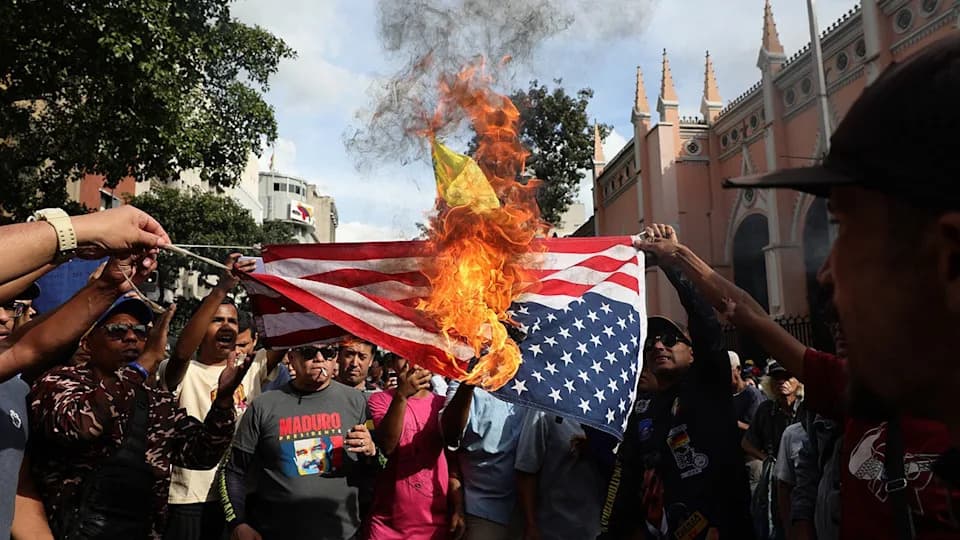
Venezuela’s acting president, Delcy Rodríguez, on Friday unveiled a draft amnesty law that could lead to the release of hundreds of political detainees and the closure of El Helicoide, the country’s best-known detention complex. The announcement is part of what Rodríguez described as a series of concessions made amid intensified U.S. pressure since the reported capture of President Nicolás Maduro.
Amnesty Proposal
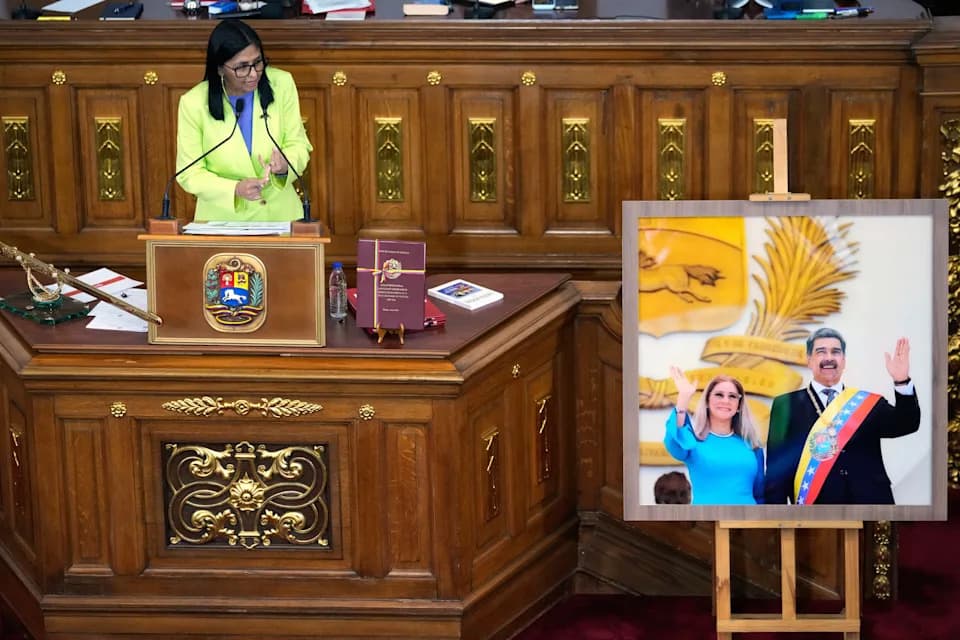
Rodríguez said the proposed amnesty would apply to cases from 1999 to the present but would exclude prosecutions for homicide, drug trafficking, corruption and human-rights violations. She said she has instructed a judicial commission to draft the measure and formally present it to the National Assembly.
“I again ask for the full cooperation of the Venezuelan legislature so that this law may serve to heal the wounds left by political confrontation fueled by violence and extremism, to restore justice in our country, and to foster peaceful coexistence among Venezuelans,” Rodríguez said.
El Helicoide
Rodríguez also announced plans to close El Helicoide — long regarded by many as Venezuela’s most feared detention site — and transform the complex into a community social and sports services center.
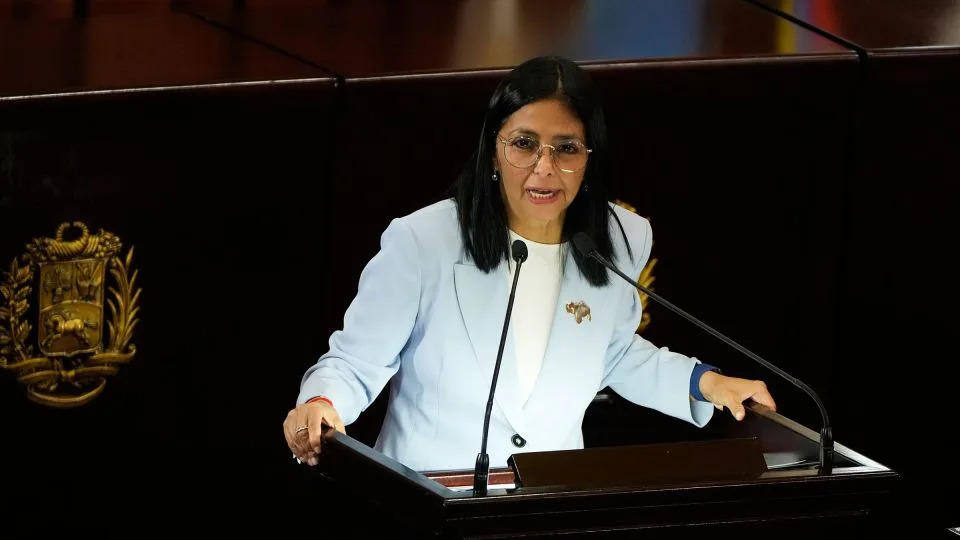
Venezuelan acting President Delcy Rodriguez speaks during a ceremony marking the opening of the new judicial year at the Supreme Tribunal of Justice in Caracas, on Friday. - Ariana Cubillos/AP
Numbers, Verification and Reactions
The announcements coincided with U.S. statements that all known U.S. citizens previously detained in Venezuela have been released. Venezuela’s government has said it freed more than 800 detainees; by contrast, the human-rights group Foro Penal reports at least 302 releases as of Thursday. The government has not publicly released an official roster of names.
Alfredo Romero, director of Foro Penal, posted on X that an amnesty is welcome only if it is inclusive, non-discriminatory, does not become a cloak of impunity and helps dismantle the apparatus of political persecution. Rodríguez has also said she would contact the office of the U.N. High Commissioner for Human Rights to verify released detainees.
Next Steps
If the judicial commission submits the draft to the National Assembly, lawmakers will decide whether to debate, amend or approve the measure. Observers say the law’s impact will depend on its final wording, eligibility criteria and the transparency of any verification process.
Help us improve.