The University of Vienna used single-cell genomics to identify likely multipotent stem-cell candidates in the scarlet sea anemone (Nematostella vectensis), a cnidarian known for exceptional regenerative ability. Researchers traced cell lineages and focused on conserved genes nanos and piwi; CRISPR disruption of nanos2 impaired both germ and somatic cell formation. The finding points to ancient, conserved mechanisms for whole-body regeneration and sets the stage for studies that could inform regenerative medicine.
Sea Anemone Stem Cells May Hold Clues To Biological ‘Immortality’ — And Lessons For Human Regeneration

This Sea Anemone Is Immortal. But Why?FOTOKITA - Getty Images
Researchers at the University of Vienna report the likely discovery of multipotent stem-cell candidates in the scarlet sea anemone (Nematostella vectensis), offering new insights into how some cnidarians resist aging and regenerate whole bodies.
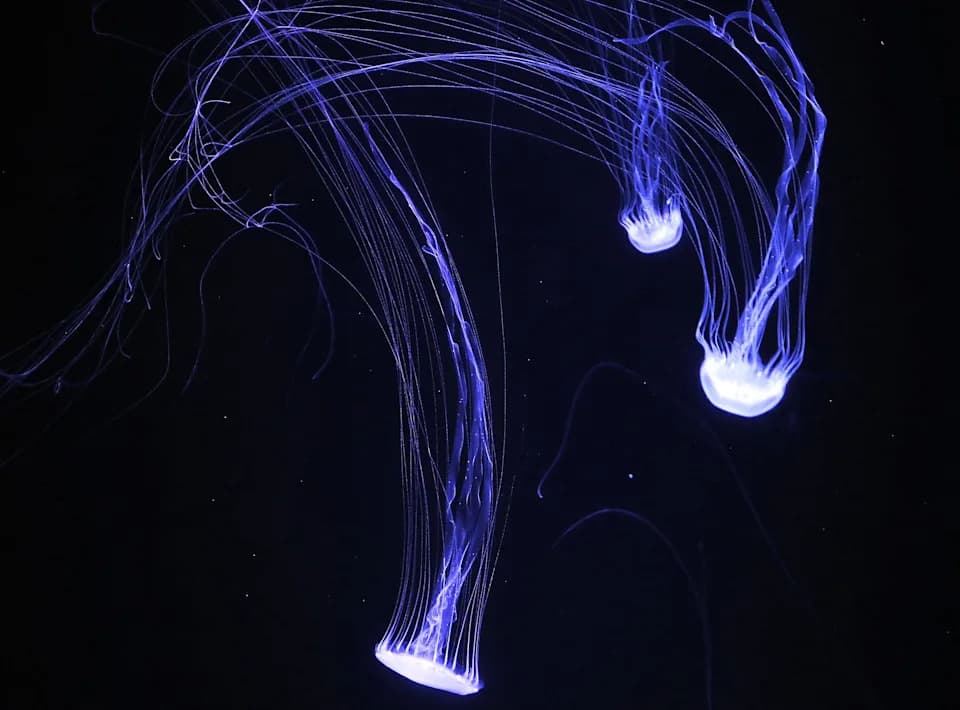
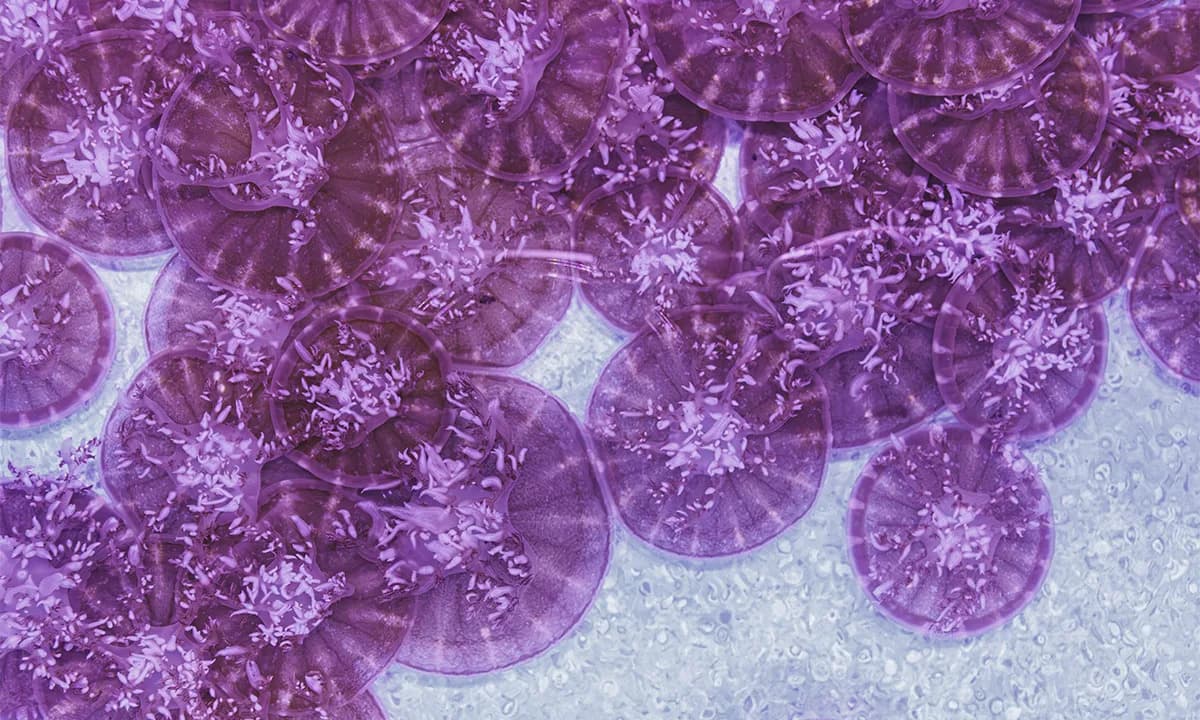
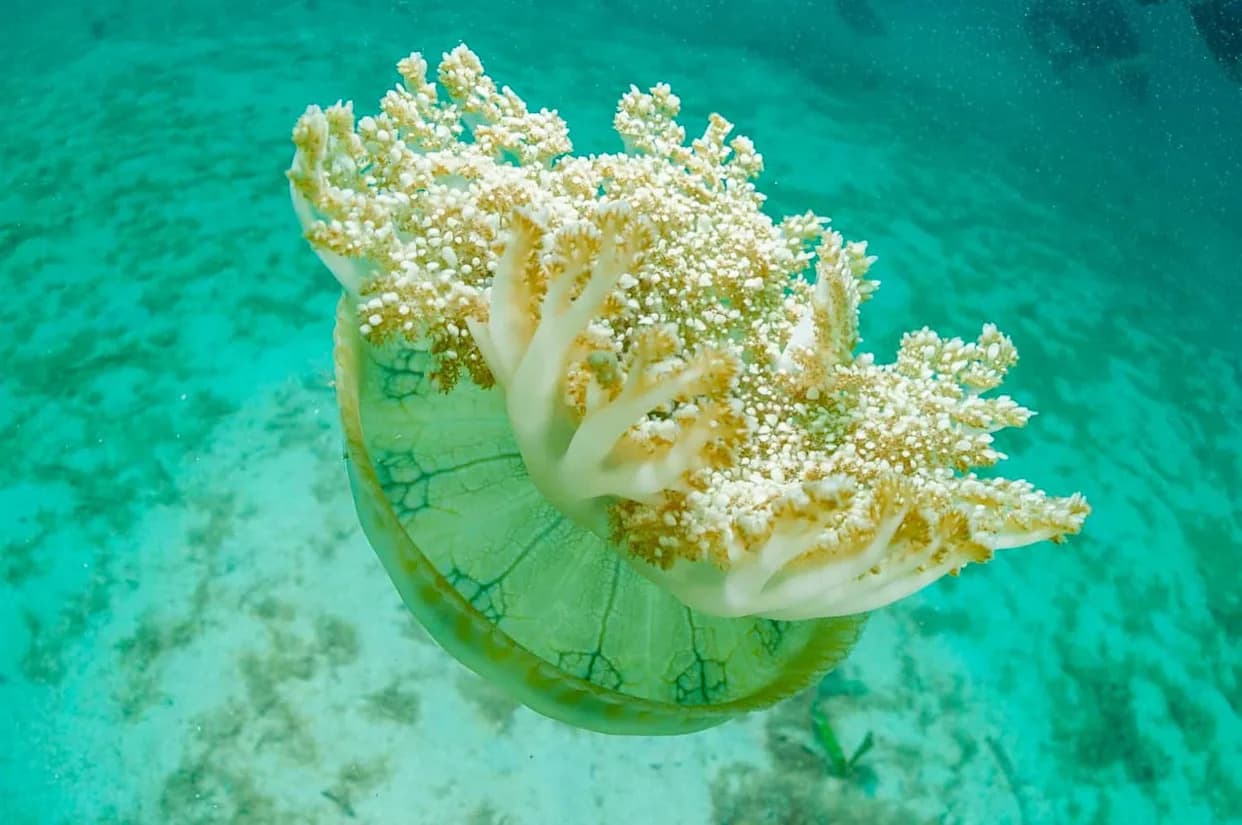
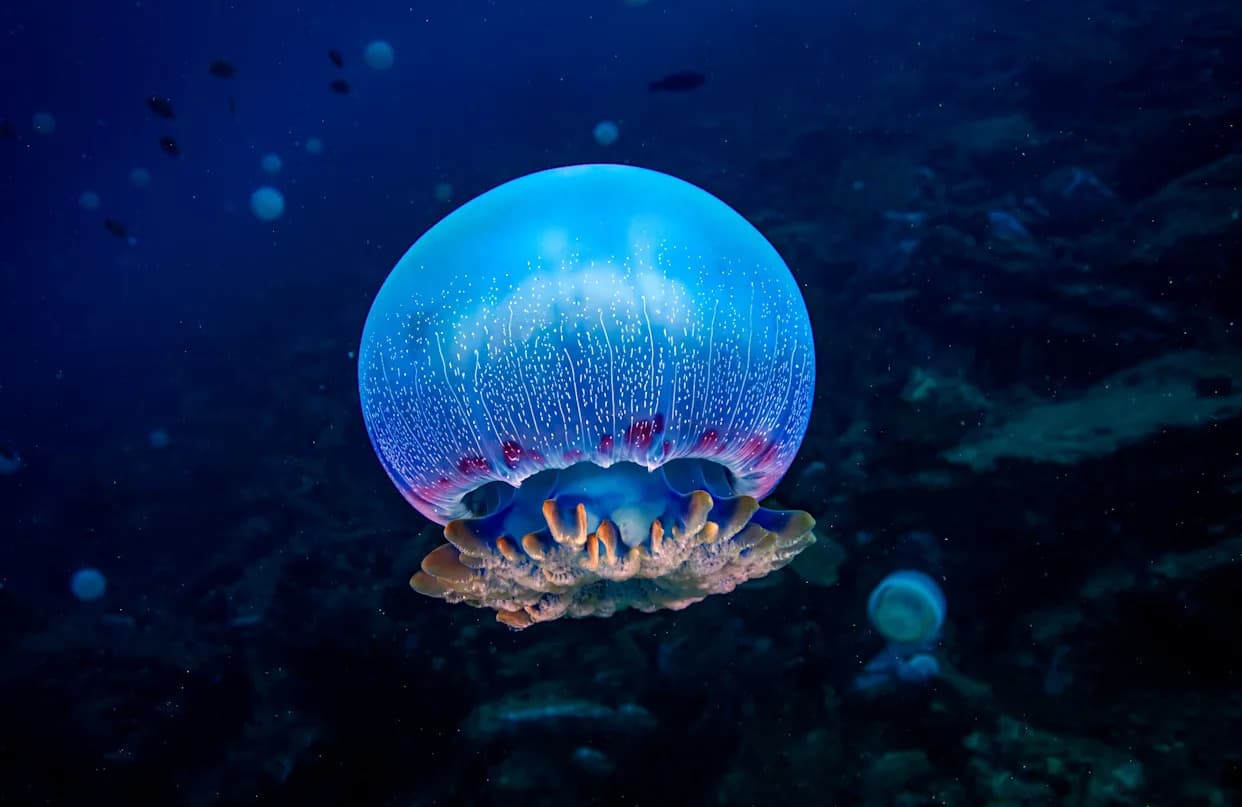
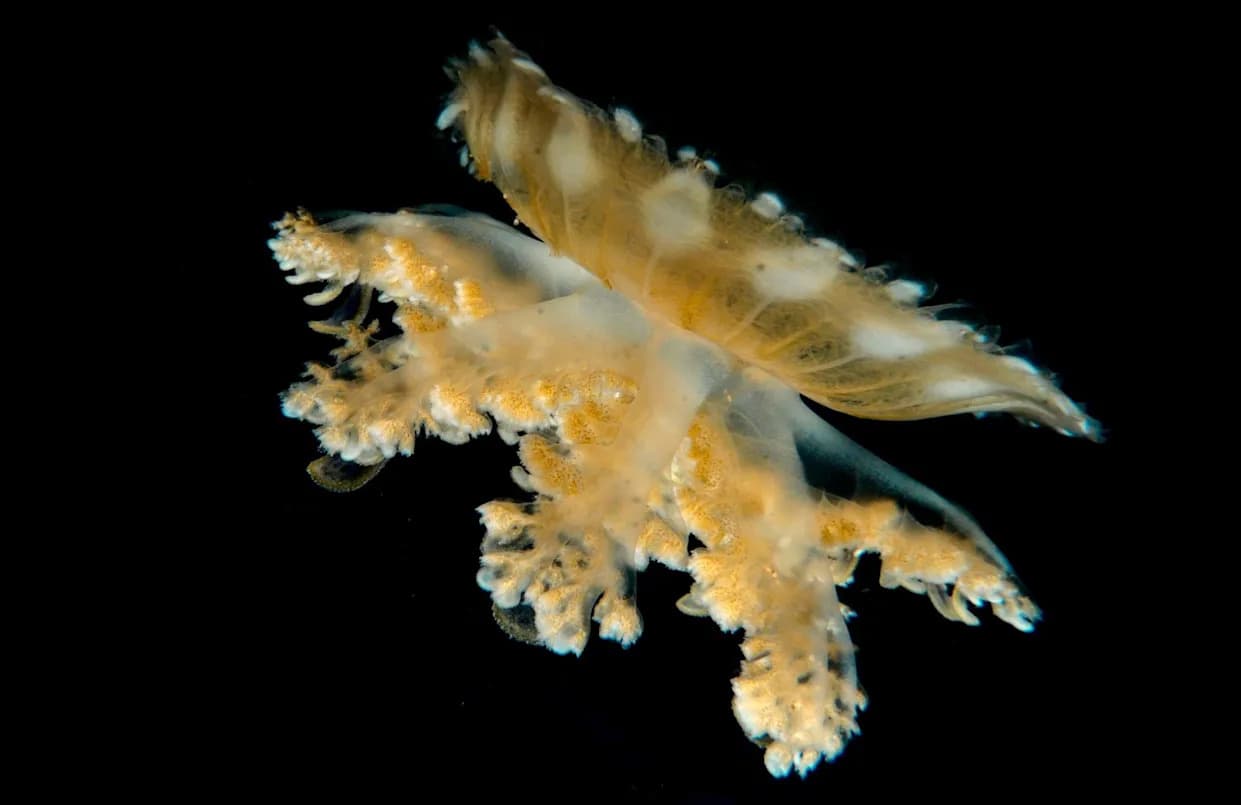
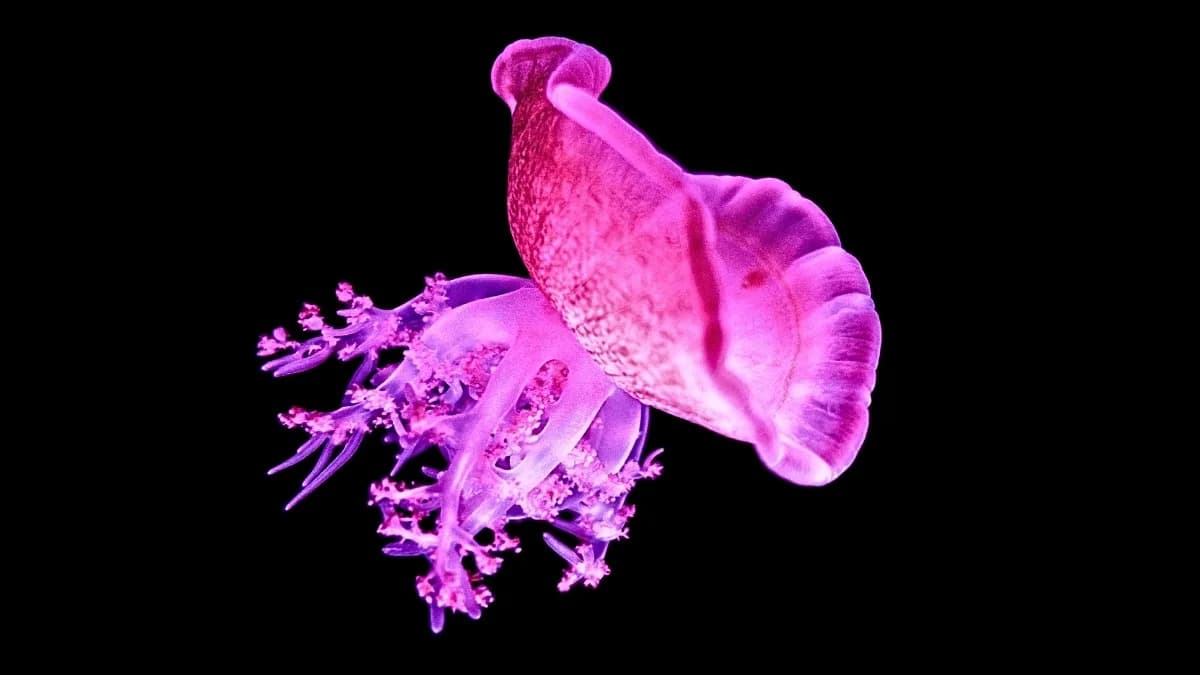
Cnidarians — a group that includes hydra, jellyfish and sea anemones — are famous for extraordinary regenerative powers. Some species, like the jellyfish Turritopsis dohrnii, are even described as functionally immortal because they can revert cells to earlier states or regenerate damaged tissues throughout life. Scientists want to understand the molecular and cellular mechanisms behind that ability, both for basic biology and for potential regenerative medicine applications.
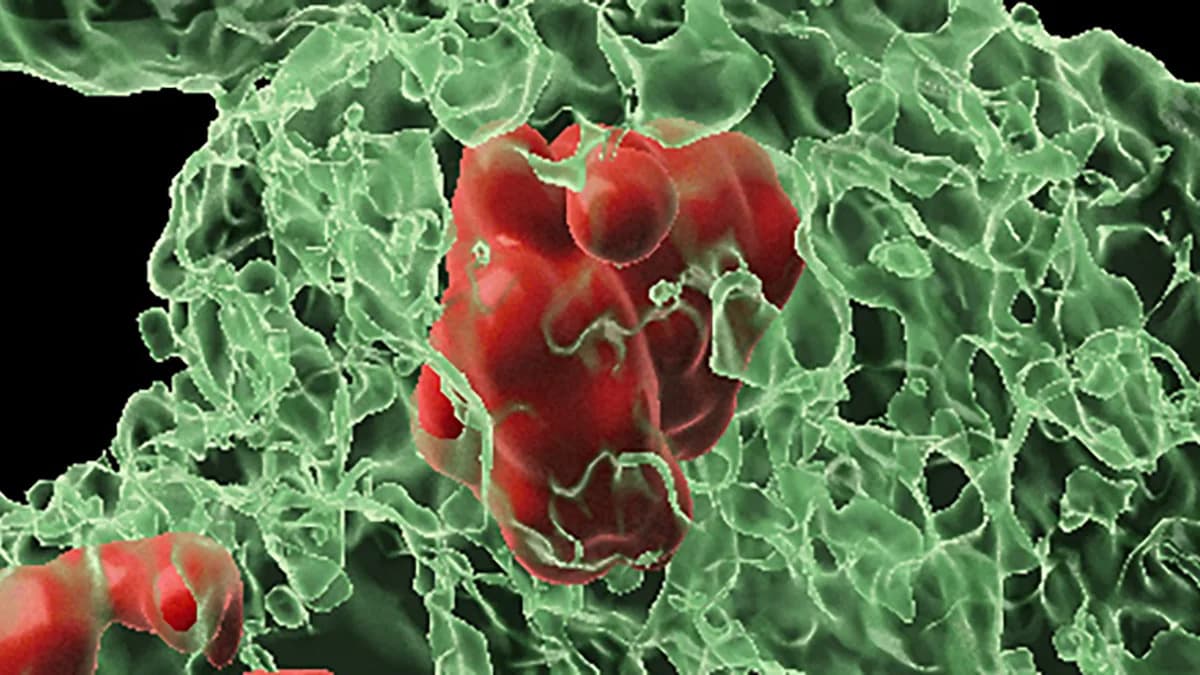
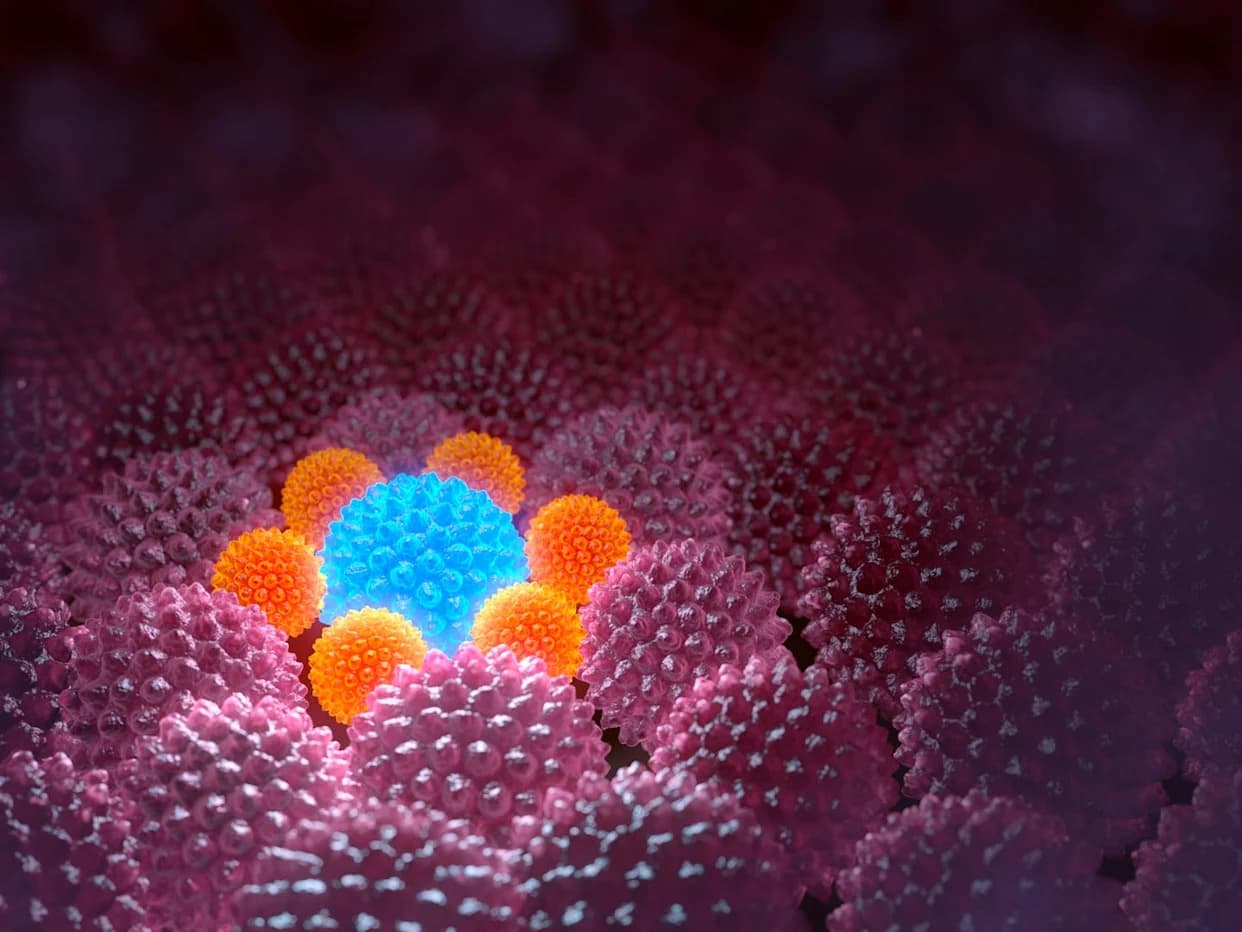
The new study, published in Science Advances, used single-cell genomics to map the transcriptomes of thousands of individual cells in Nematostella vectensis. That method allowed the team to reconstruct cell lineages and identify populations of cells whose gene-expression profiles are consistent with multipotent stem cells — cells that can give rise to multiple different cell types such as nerve cells and glandular cells.
Key genetic players: The researchers focused on highly conserved regulatory genes, including nanos and piwi, which are known to be important for stem-cell behavior and gametogenesis in many animals. By perturbing the nanos2 gene using CRISPR, they found that nanos2 is required not only for germ-cell formation but also for the development of certain somatic cell types, supporting its central role in both reproduction and tissue renewal.
“By combining single-cell gene expression analyses and transgenesis, we have now been able to identify a large population of cells in the sea anemone that form differentiated cells such as nerve cells and glandular cells and are therefore candidates for multipotent stem cells,” said Andreas Denner, the study’s first author.
The team’s evolutionary analysis suggests that nanos2-like genes emerged around 600 million years ago, indicating that deep, conserved molecular programs for stem-cell function existed early in animal evolution. Nematostella vectensis — native to the eastern U.S. coast with introduced populations elsewhere — is a convenient laboratory model because it is easy to culture and can reproduce both sexually and asexually.
While the findings do not mean humans will become immortal, they do highlight conserved stem-cell mechanisms that enable whole-body regeneration in cnidarians. Future research will probe how these cells are maintained, how they avoid age-related decline, and whether aspects of those mechanisms can inform regenerative therapies or slow tissue aging in humans.
What this means: The discovery of candidate multipotent stem cells in a simple, regenerative animal gives scientists new targets to study the biology of aging and regeneration. The work is an important step toward understanding how some animals maintain tissue integrity across their lifespans and how those principles might eventually be translated into biomedical advances.
Help us improve.