Researchers at the University of Miami created an open-source AI model trained on 40 years of environmental data to predict coral reef heat stress up to six weeks in advance. The model forecasts whether a season will face heat stress, pinpoints the most likely week of onset, and identifies local environmental drivers. Early, site-specific warnings help conservationists prioritize actions to reduce the risk of lethal coral bleaching that threatens biodiversity and coastal communities.
AI Predicts Coral Heat Stress Six Weeks Ahead — New Early-Warning Tool for Reefs
Scientists at the University of Miami have developed an open-source AI model that can predict when coral reefs will experience heat stress — driven by rising sea temperatures — up to six weeks before it begins. The goal is to give conservation teams time to act and reduce the risk of deadly coral bleaching that damages reefs and the coastal communities that depend on them.
How the Model Works
The Florida-based researchers trained a machine-learning model on 40 years of environmental data to detect patterns that precede dangerous heating events. The system not only forecasts whether a particular season is likely to experience heat stress, but also estimates the specific week when stress is most likely to start. Importantly, it highlights the local environmental drivers — such as temperature anomalies, ocean currents, or other site-specific factors — that contribute to reef vulnerability.
Why This Matters
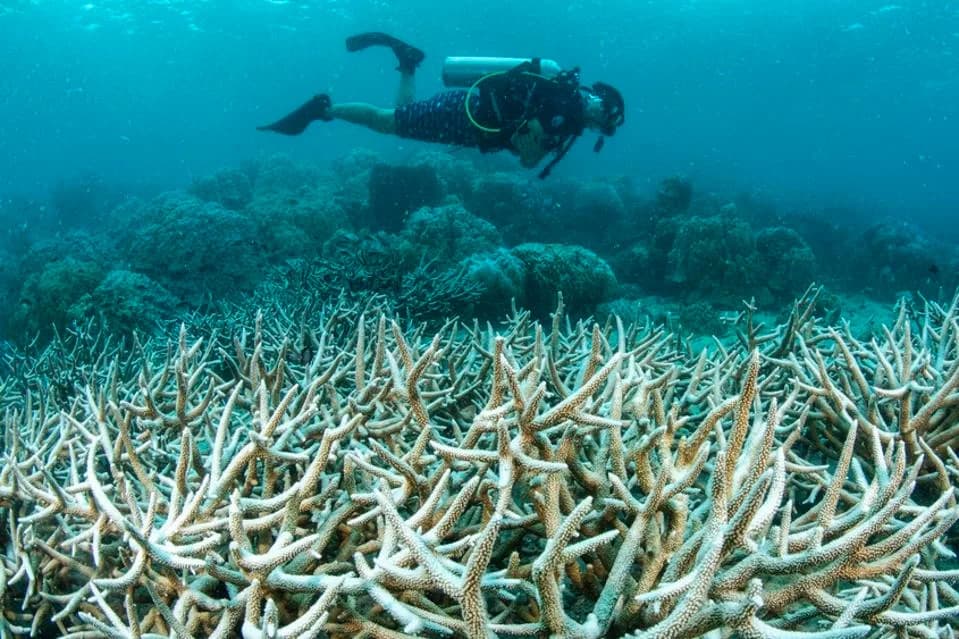
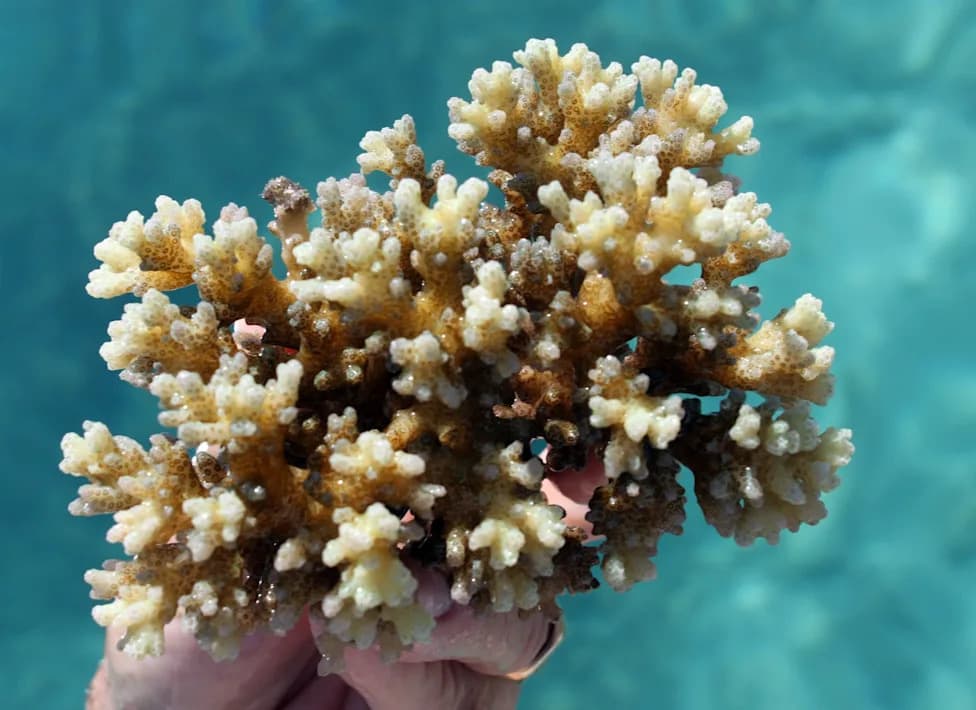
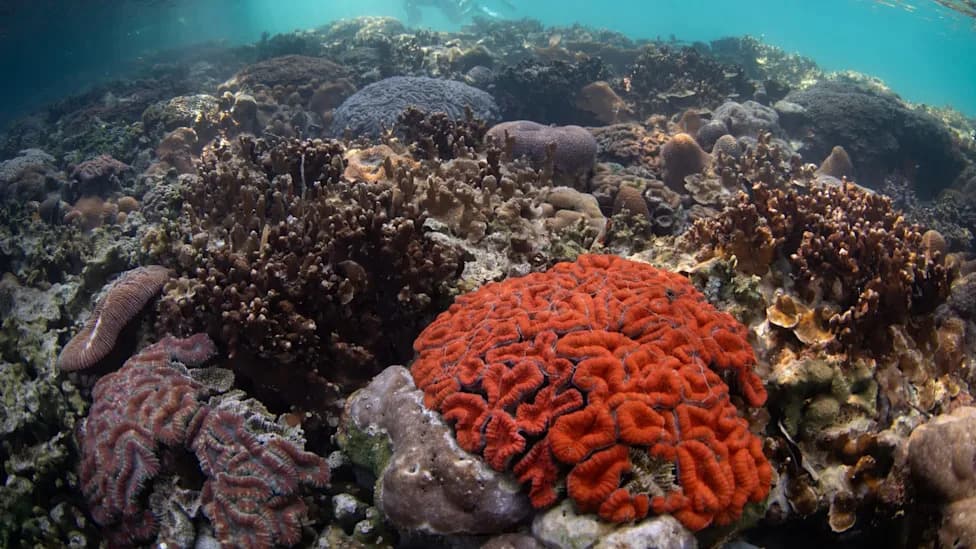
Coral bleaching occurs when stressed corals expel the algae that provide them with food and color, often leading to mass die-offs. Reefs support roughly a quarter of marine species and protect coastal regions where about 1 billion people live, according to the Great Barrier Reef Foundation. By giving early, site-specific warnings, the AI model helps conservationists prioritize monitoring, tailor interventions, and deploy limited resources more effectively to reduce damage.
Potential Uses for Conservation
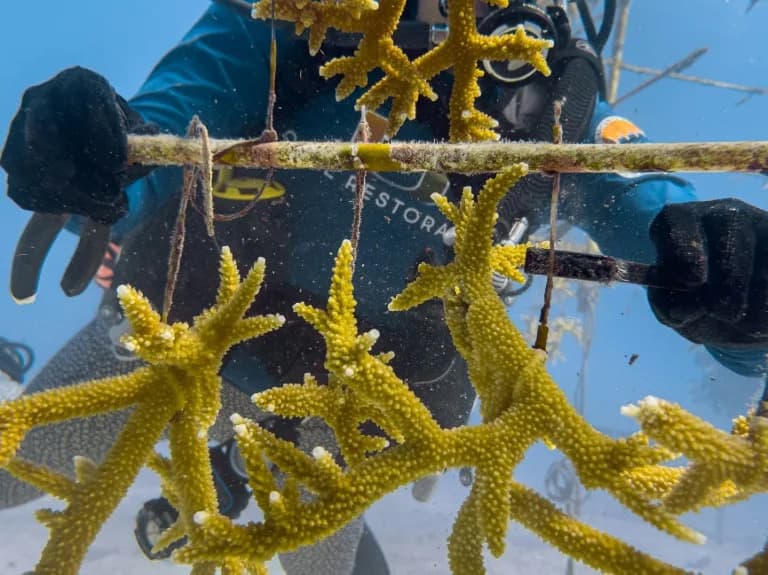
With earlier, more precise forecasts, managers can plan targeted actions such as intensified local monitoring, temporary shading, managing local pollution or fishing pressure, and coordinating restoration efforts at high-risk sites. Because the model is open-source, it can be adopted and adapted by researchers and practitioners worldwide to improve reef resilience.
Source: University of Miami researchers; data referenced by the Great Barrier Reef Foundation on reefs' ecological and coastal-protection roles.
Help us improve.