The University of Miami and the Marine Megafauna Foundation analyzed 465 videos (2016–2021) documenting juvenile Caribbean manta rays in South Florida. Footage shows mantas commonly surrounded by mixed groups of fish, forming compact, mobile ecosystems that can provide protection, feeding opportunities, and possible nursery or mating sites. Researchers say these recurring associations suggest interdependence and recommend further study to inform conservation policy.
Study: Florida Manta Rays Create Mobile Ecosystems That Support Coastal Biodiversity
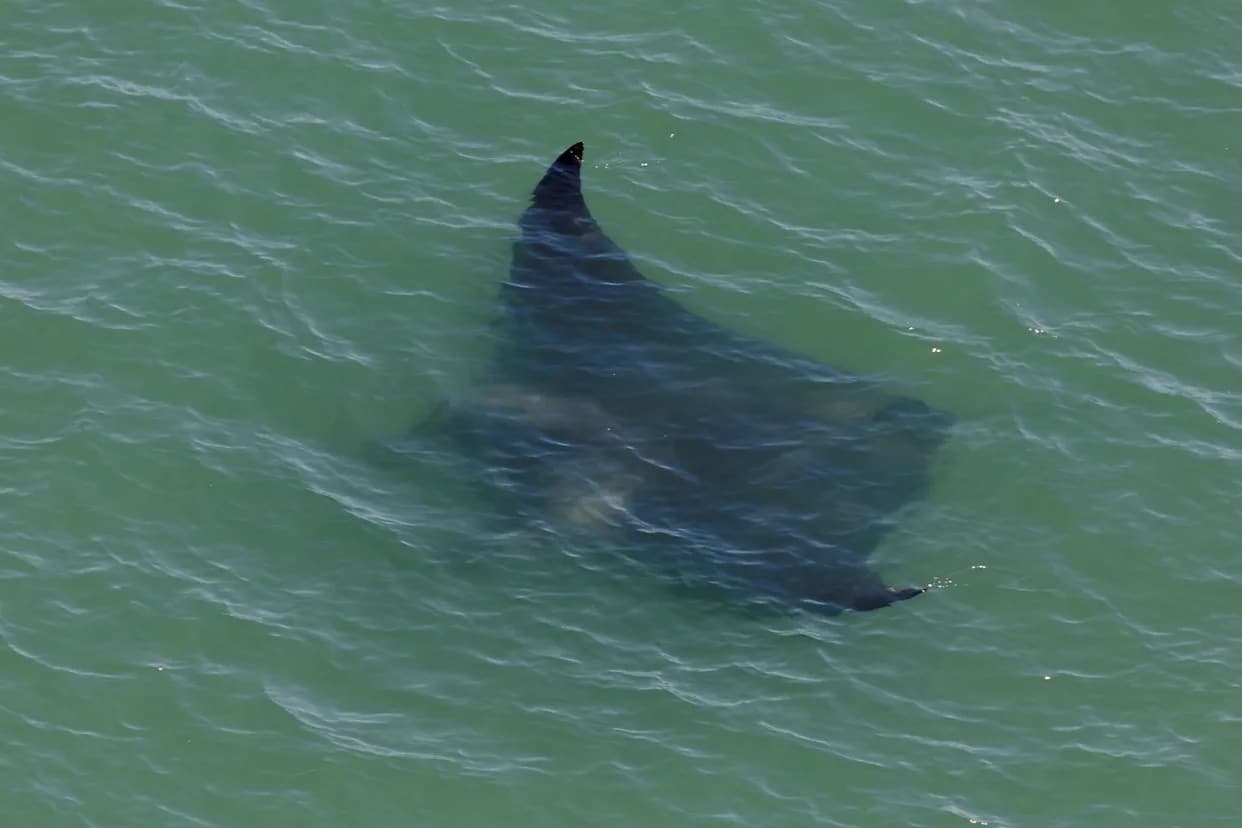
Photo Credit: iStock
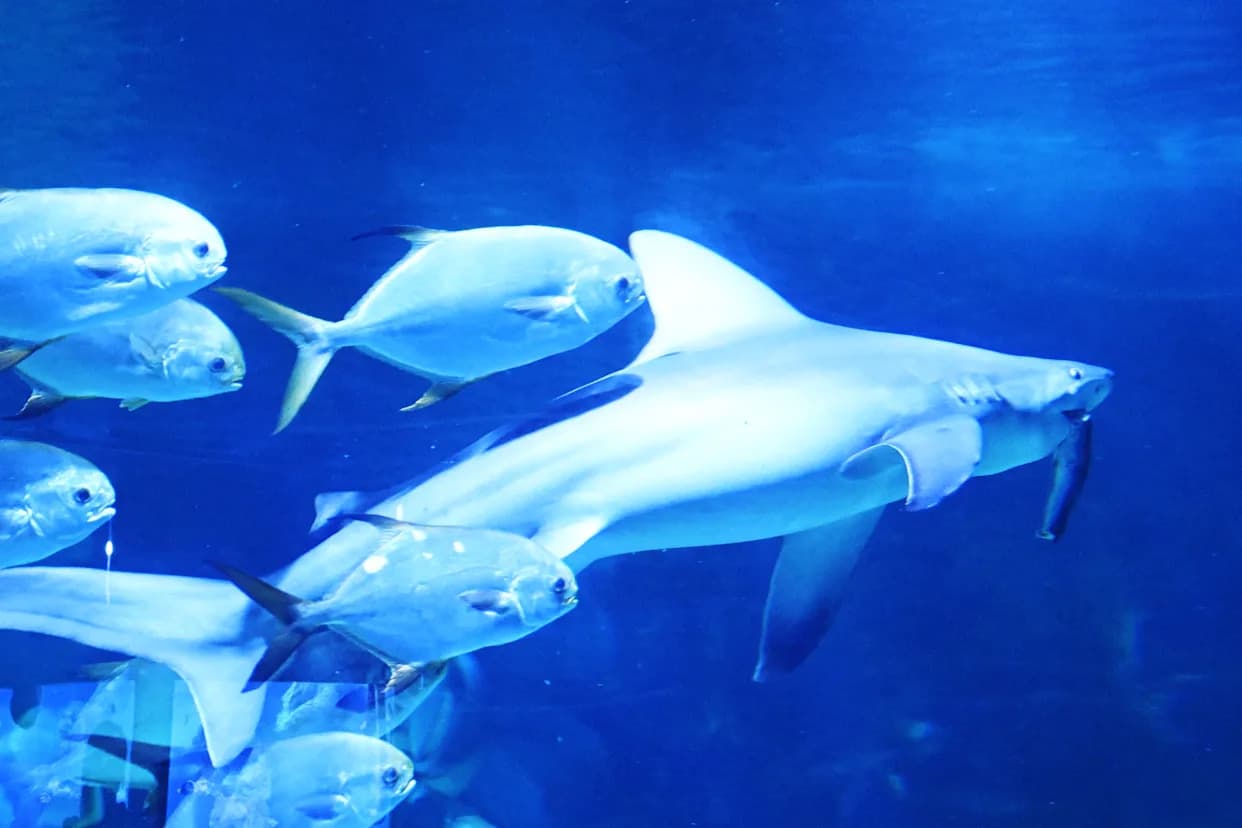
New research from the University of Miami and the Marine Megafauna Foundation shows that Caribbean manta rays in South Florida often travel with groups of other fish, effectively creating small, mobile ecosystems that can shelter, feed, or even serve as nursery and mating sites for associated species.
Study Methods
The team analyzed 465 video clips recorded between 2016 and 2021 to document which species commonly swim with juvenile manta rays and how those animals interact. Lead author Emily Yeager said the archive-style review allowed the researchers to catalog recurring patterns of association and behavior around manta rays.
Key Findings
The footage revealed that juvenile Caribbean manta rays are frequently accompanied by mixed groups of fish that cluster near the rays' bodies and fins. These associations appear to be stable over time and may provide benefits to the smaller species—such as protection from predators, feeding opportunities, and potential sites for mating or early development.
"Using video footage collected between 2016 and 2021, we analyzed 465 videos to better understand which species swim with manta rays and how they interact," said Emily Yeager. "The findings provide valuable insights for marine conservation and policy, showing that manta rays act as living habitats that support biodiversity in coastal waters."
Co-author Catherine Macdonald added that the results suggest interdependence between mantas and these associated fish: "Our results suggest that these species may be interdependent and form long-lasting and relatively stable relationships, creating mobile ecosystems where fish may mature, feed, or mate."
Conservation Implications
Because manta rays may support other species through these recurring associations, their protection could have broader ecological and human benefits. Healthier, more biodiverse coastal systems help sustain fisheries, support coastal livelihoods and food security, and preserve the scenic and recreational value of marine environments.
The authors recommend further targeted research to clarify the mechanisms and strength of these relationships, and to help policymakers and conservationists design measures that protect manta rays and the mobile habitats they create.
Takeaway
Juvenile Caribbean manta rays in South Florida appear to function as moving habitats for other marine species, highlighting a more complex ecological role than previously recognized and strengthening the case for their conservation.
Help us improve.