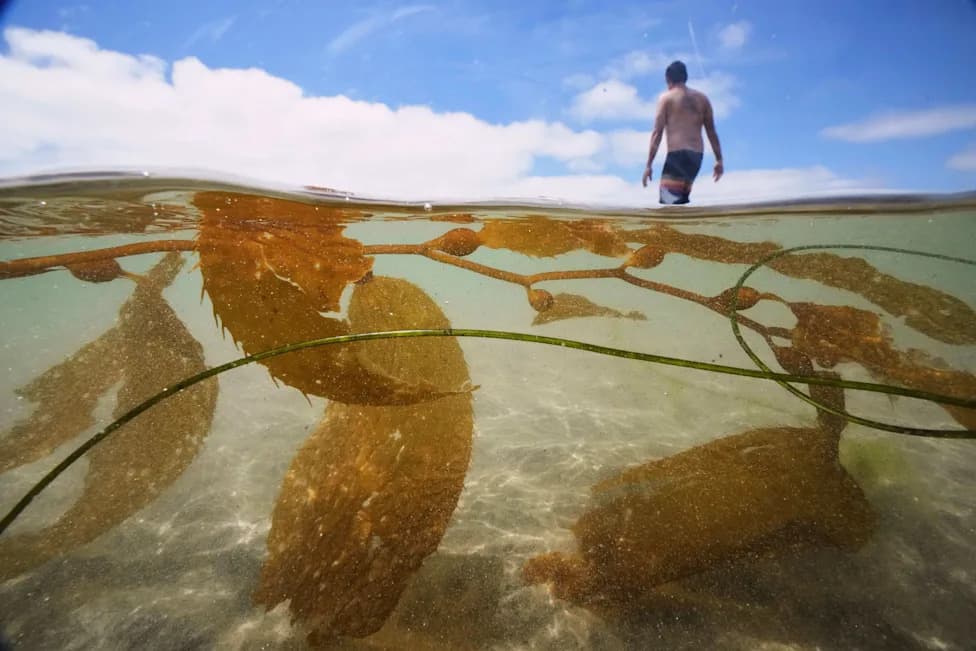
Researchers in Maine report that marine heatwaves have killed large areas of kelp, allowing invasive red turf algae to invade and release chemicals that block kelp reproduction. Sea urchin grazing further prevents regrowth, and kelp cover in southern Maine declined about 80% from 2004 to 2018. Scientists are testing heat-tolerant kelp strains, reef restoration and species management, while urging broader climate action to protect coastal fisheries and livelihoods.
Scientists Warn Warming Seas and Invasive Algae Are Replacing Northeast Kelp Forests
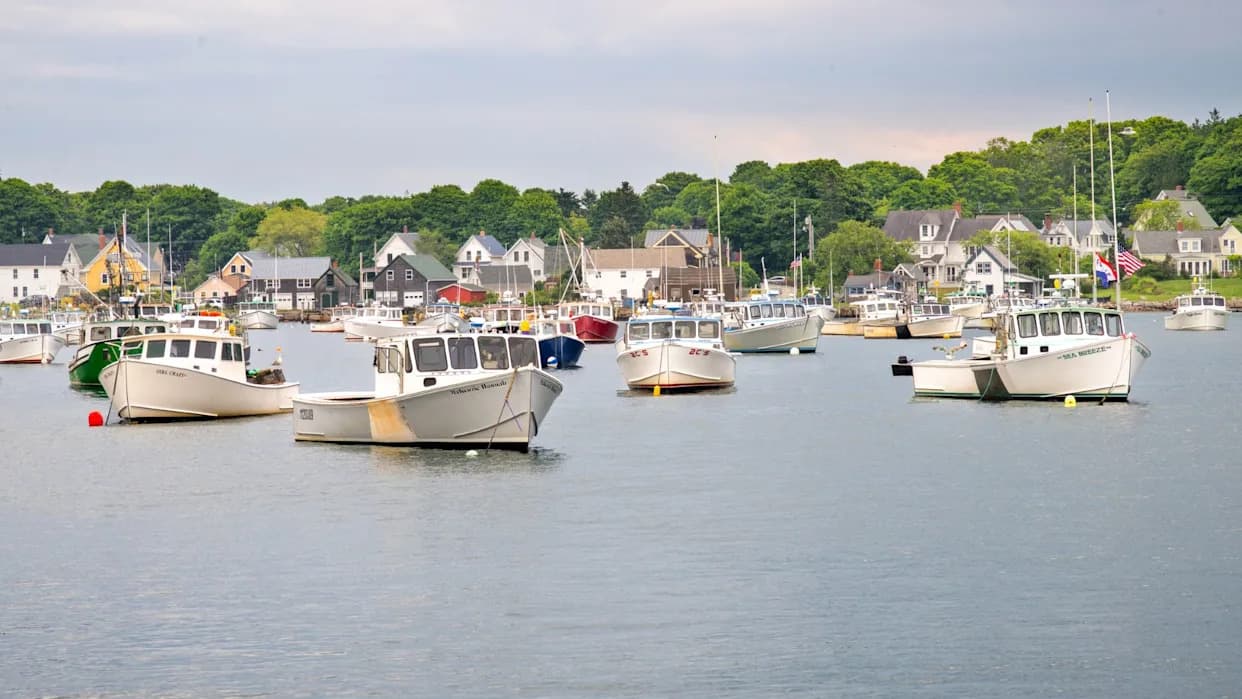
Photo Credit: iStock
Kelp forests along the U.S. Northeast coast are facing a worrying combination of threats: warming ocean temperatures have weakened and killed large areas of kelp, and invasive species are moving into the cleared habitat. Researchers studying kelp beds off Maine say that invasive red turf algae, together with intense sea urchin grazing, rising temperatures and more extreme weather, could disrupt coastal food webs that sustain fisheries and coastal communities.
What Researchers Found
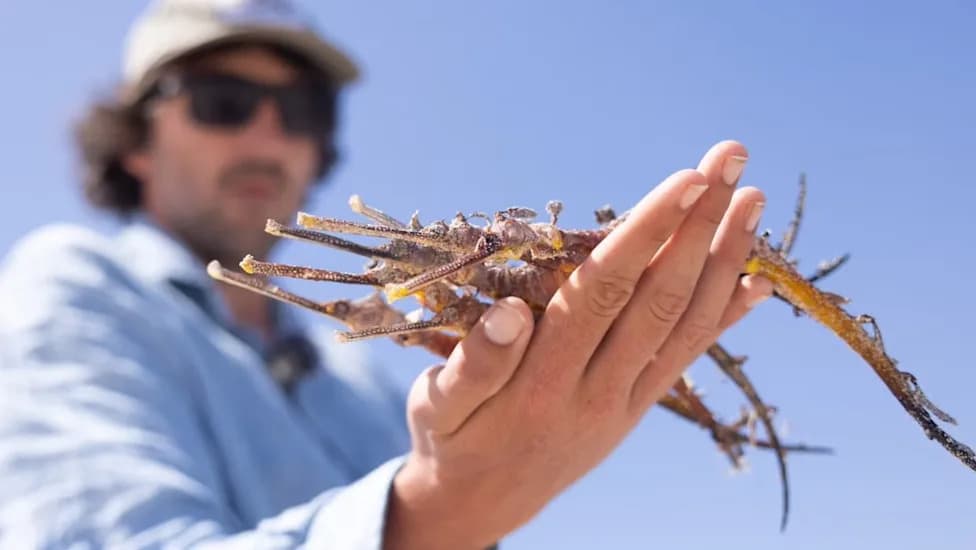
Marine scientists working off Maine documented thinning kelp stands being overtaken by a filamentous invasive called red turf algae, which thrives in warmer waters. The team, reporting their results in Science, found that these algae release allelopathic compounds into the water that interfere with kelp reproduction during its most vulnerable life stage. That means even if temperatures briefly improve, juvenile kelp often cannot re-establish on the seafloor.
"They eat everything in their path," marine biologist Jon Witman told Mother Jones, describing how sea urchins can graze down recovering kelp—earning them the nickname "underwater lawn mowers."
Scale and Consequences
Kelp forests are foundational ecosystems: they provide habitat, food and shelter for many fish and invertebrates, help stabilize shorelines, and support fishing and aquaculture livelihoods. In southern Maine, kelp cover fell by roughly 80% between 2004 and 2018, a decline largely tied to rising ocean temperatures. When kelp disappears, the effects ripple through the food web, harming fish populations and threatening Maine's kelp aquaculture industry, which relies on wild beds for seed stock.
Where This Is Happening
Scientists emphasize that the pattern is not unique to Maine. Similar shifts — from kelp-dominated ecosystems to turf or other altered states — have been observed in warming coastal regions worldwide, including parts of California. Experts warn that these systems can enter a damaging feedback loop that may persist for decades or become effectively permanent if left unchecked.
Research And Response
Researchers are exploring multiple strategies to help kelp persist under new ocean conditions: screening and developing heat-tolerant kelp strains, improving reef and substrate conditions to favor regrowth, and testing targeted methods to manage destructive grazers and invasive algae. At the same time, protecting intact kelp habitats before they collapse remains critical.
Broader Actions
Wider efforts to reduce greenhouse-gas emissions and limit warming are essential to slow these large-scale shifts in marine ecosystems. Individuals can also help by supporting local conservation projects and reducing pressures on coastal systems — for example, by cutting single-use plastics and advocating for policies that reduce carbon pollution.
Source: Research published in Science and field studies off the coast of Maine.
Help us improve.