Dánica Coto returned to Cuba after more than three years and found increasing shortages, crumbling infrastructure and frequent blackouts in Havana. Fuel and spare parts are scarce, leading residents to rely on firewood, form long lines for gasoline and face cash shortages and communications disruptions. U.S. actions targeting Venezuela and new tariff measures risk deepening the supply crisis, but many Cubans are responding with practical resilience — installing solar panels where possible and growing food to cope.
Return To Cuba: Reporter Sees Growing Shortages, Blackouts and Everyday Resilience
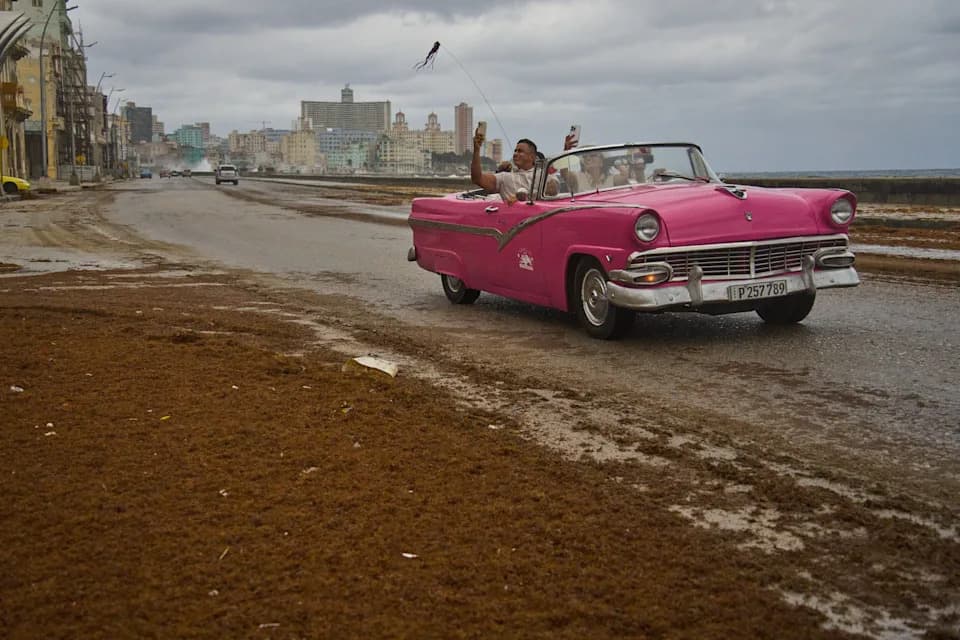
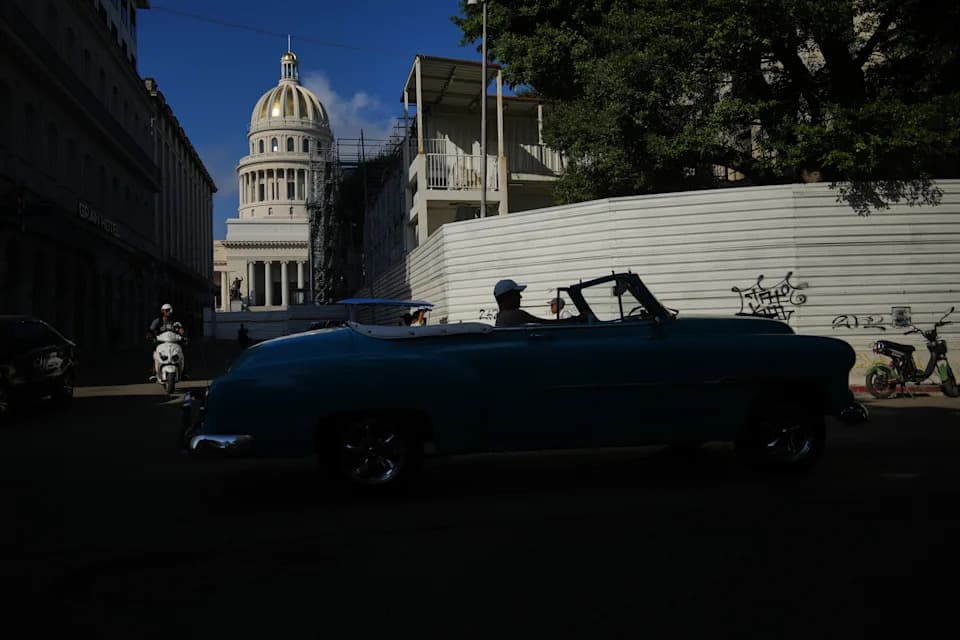
Tourists travel in a classic American car along the Malecon littered with sargassum seaweed, in Havana, Cuba, Wednesday, Jan. 28, 2026. (AP Photo/Ramon Espinosa)(ASSOCIATED PRESS)
Caribbean correspondent Dánica Coto returned to Cuba in late January, more than three years after her previous visit, and found an island grappling with worsening shortages, infrastructure decay and frequent power outages — yet still marked by everyday resilience.
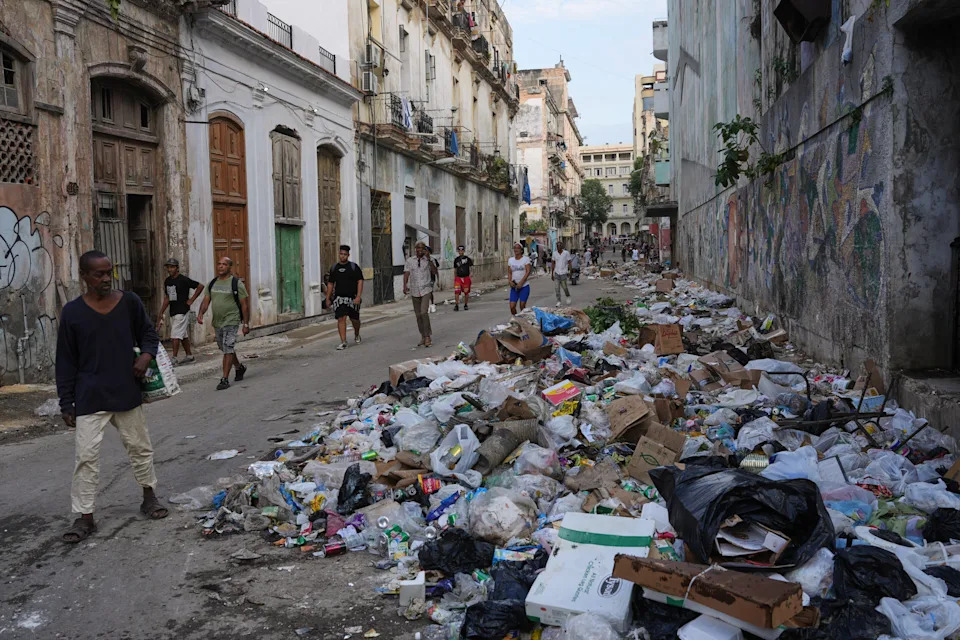
People walk next to trash on a street in Havana, Monday, Jan. 26, 2026. (AP Photo/Ramon Espinosa)(ASSOCIATED PRESS)
Observations From Havana
Coto reported trash piling up in corners of popular tourist sites and noted people — sometimes neatly dressed — rummaging through soggy refuse for reusable items, such as a man who stepped into a pile to retrieve a plastic container lid. Fuel is increasingly scarce; tractors, garbage trucks and other heavy equipment are breaking down because spare parts are hard to obtain, compounding maintenance problems across the island.
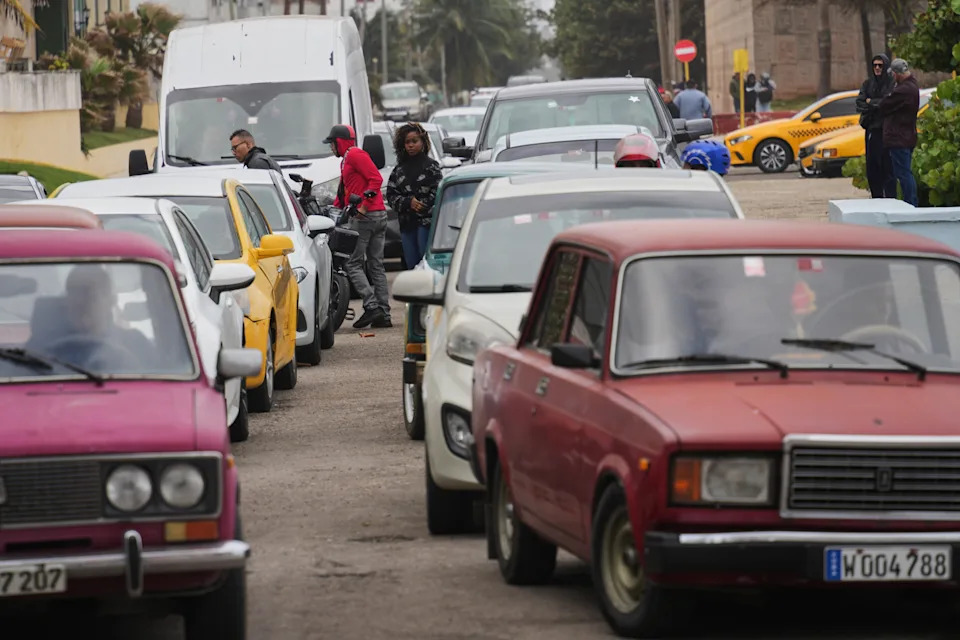
Drivers wait in line to fill up at a gas station in Havana, Cuba, Tuesday, Jan. 27, 2026. (AP Photo/Ramon Espinosa)(ASSOCIATED PRESS)
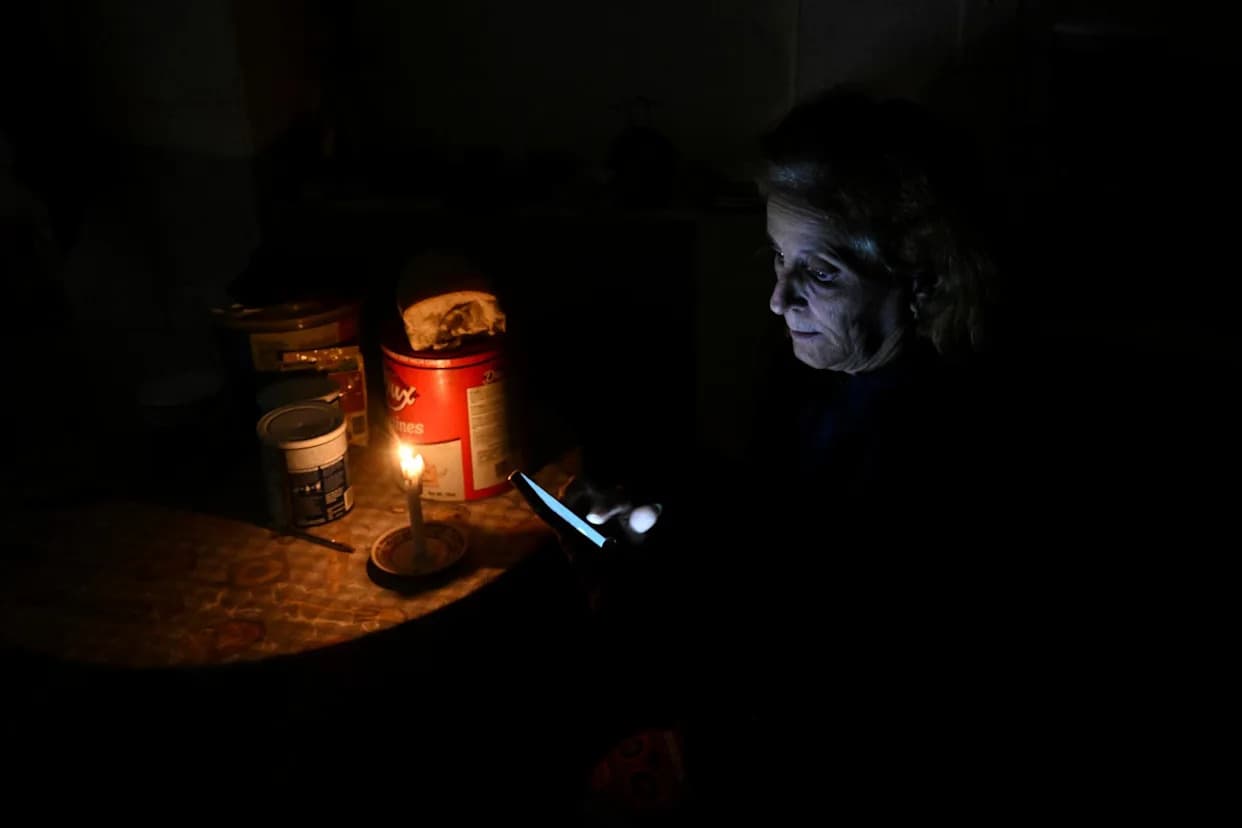
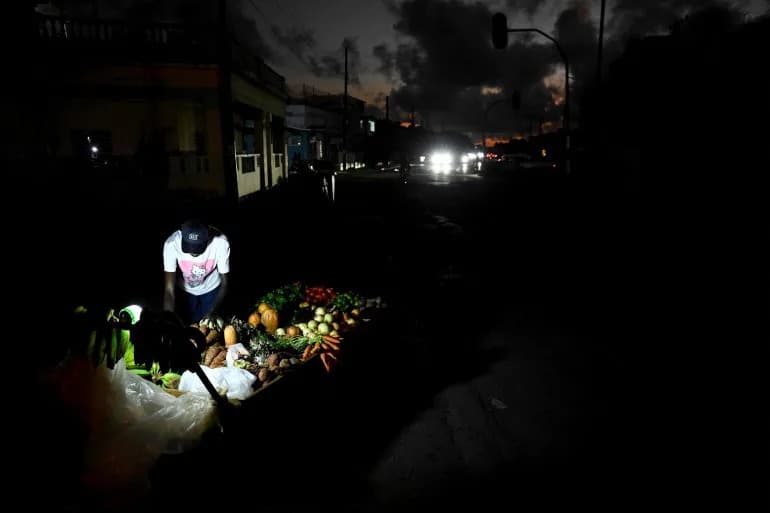
Havana’s once-proud architecture is visibly deteriorating, with facades from baroque to art nouveau peeling and, in some neighborhoods, collapsing into rubble. At night the skyline is often plunged into darkness by both scheduled and unscheduled outages.
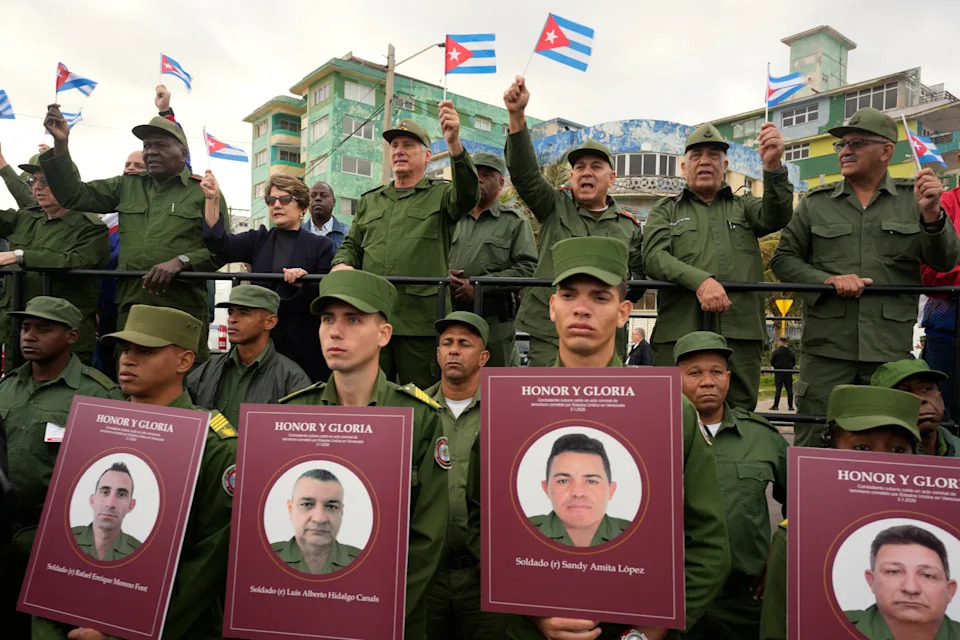
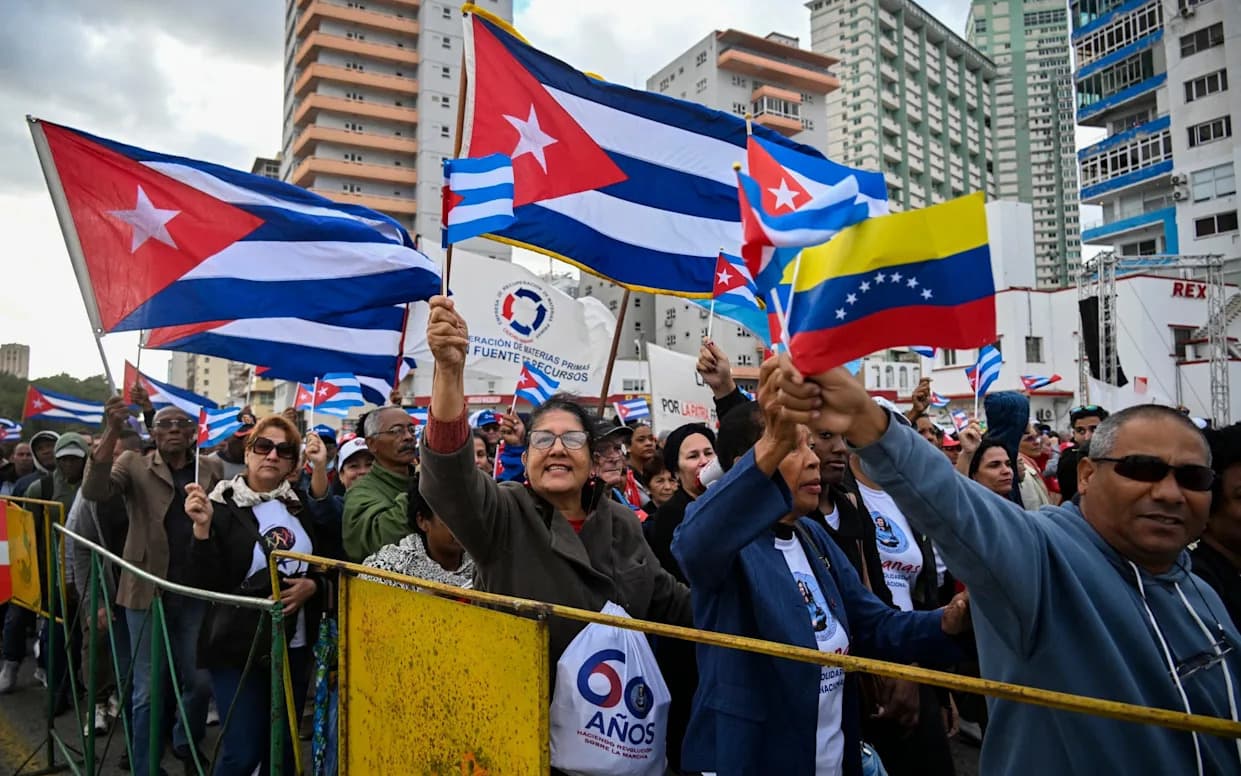
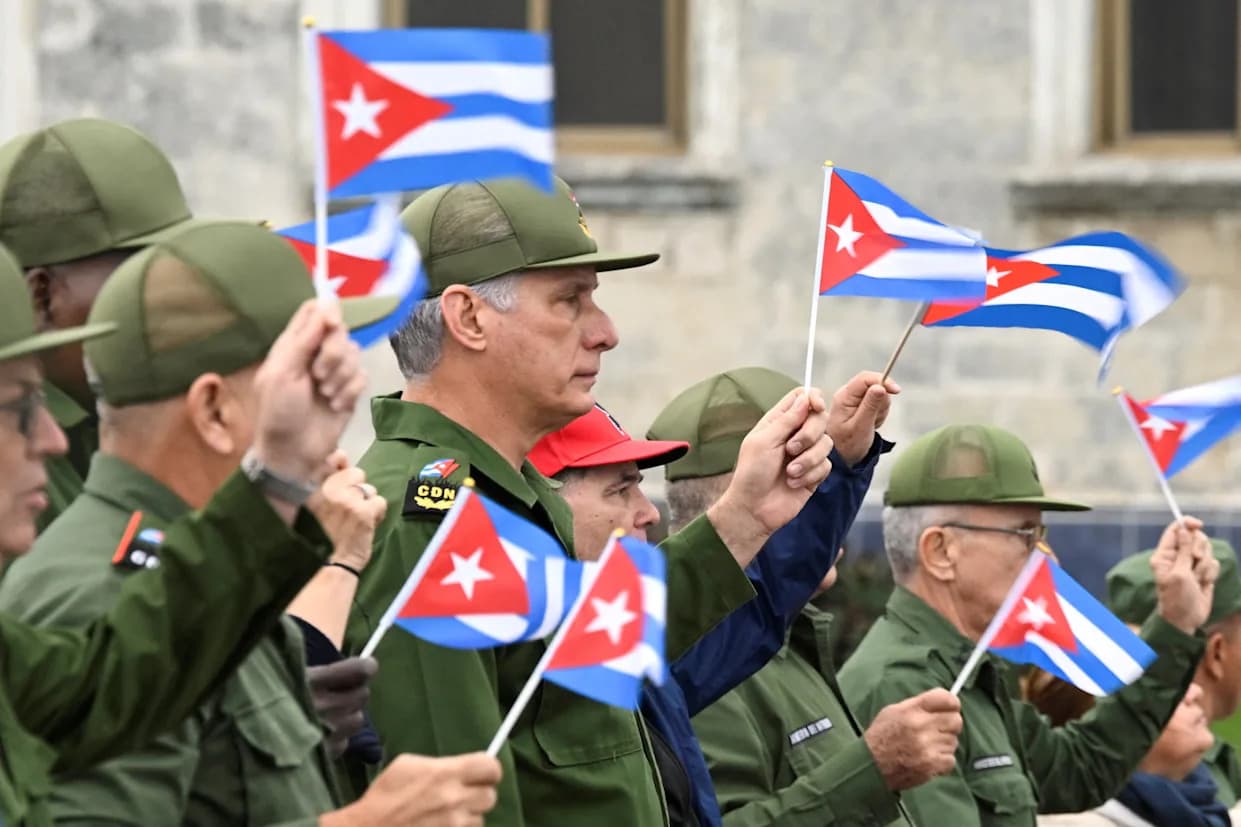
Cuban President Miguel Diaz-Canel, fourth from right, holds up a Cuban flag during a rally to protest the killing of Cuban officers during the U.S. operation that captured Venezuelan President Nicolas Maduro, outside the U.S. Embassy in Havana, Cuba, Friday, Jan. 16, 2026. (AP Photo/Ramon Espinosa)(ASSOCIATED PRESS)
Amid the hardships, Coto noticed small signs of normal life: a handful of dog owners rising early to walk well-cared-for pets, with smaller animals wearing T-shirts to ward off a late-January chill.
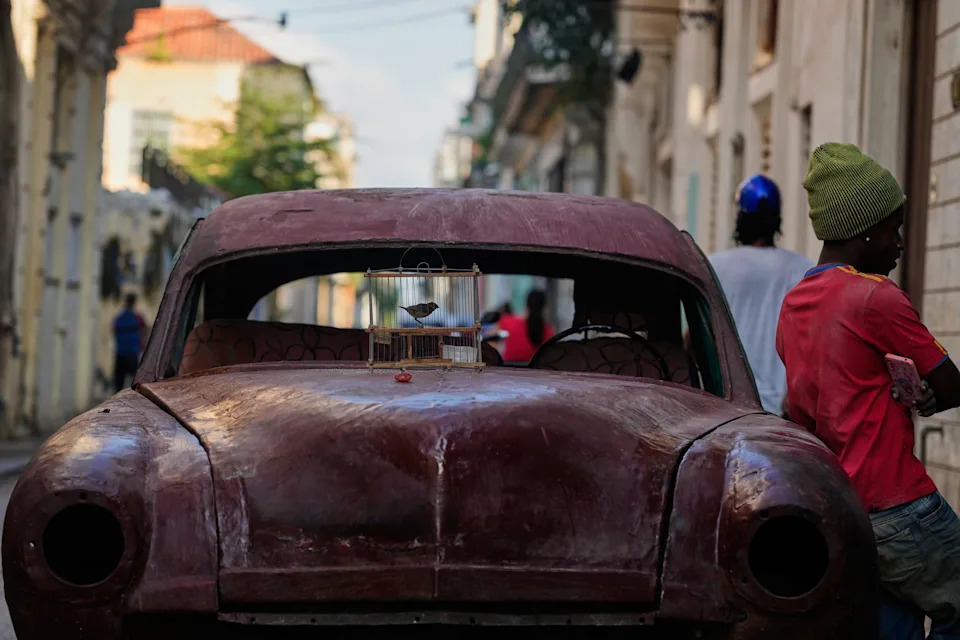
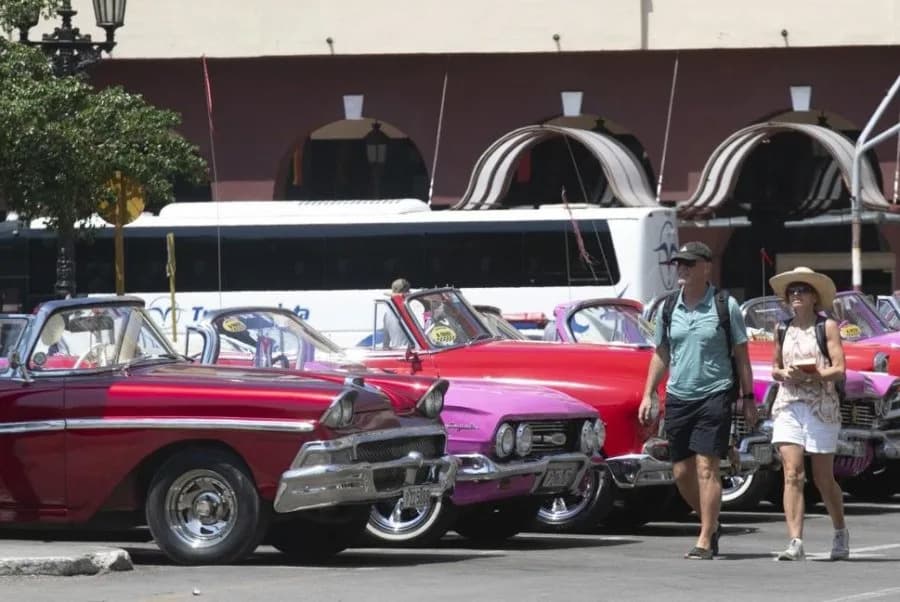
A bird in a cage sits for sale on the hood of a classic American car in Havana, Tuesday, Jan. 13, 2026. (AP Photo/Ramon Espinosa)(ASSOCIATED PRESS)
Daily Strains And Coping Strategies
Small details illustrate the squeeze: hotel staff cutting flimsy napkins in half to conserve supplies and offering tiny pats of butter only when available. Office buildings sometimes lack toilet paper, and water service can be cut by mid-afternoon.
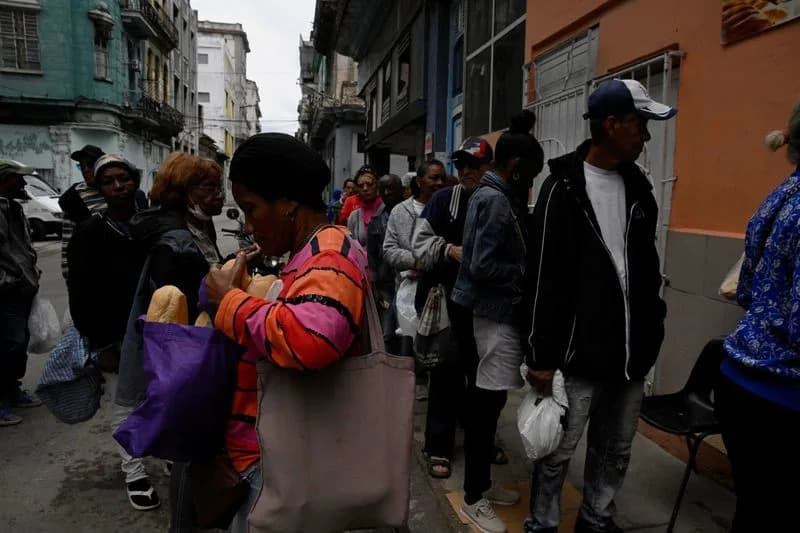
Frequent blackouts and unreliable natural gas have pushed many residents to use firewood or charcoal for cooking; some have constructed makeshift outdoor fireplaces. Long lines for gasoline and queues outside banks are common as people scramble for fuel and cash. Coto also documented more frequent disruptions to communications, making phone calls and internet browsing less reliable.
Political Context: Risks And Reactions
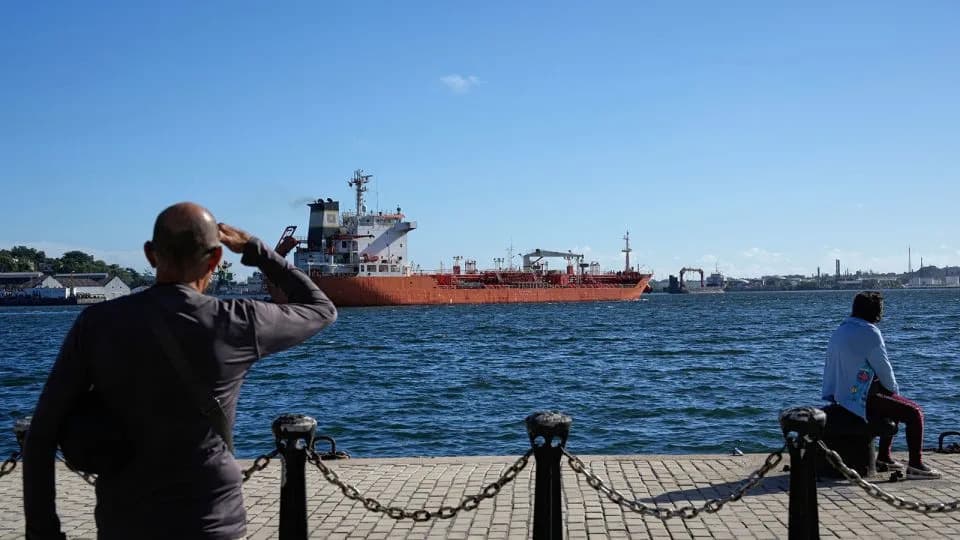
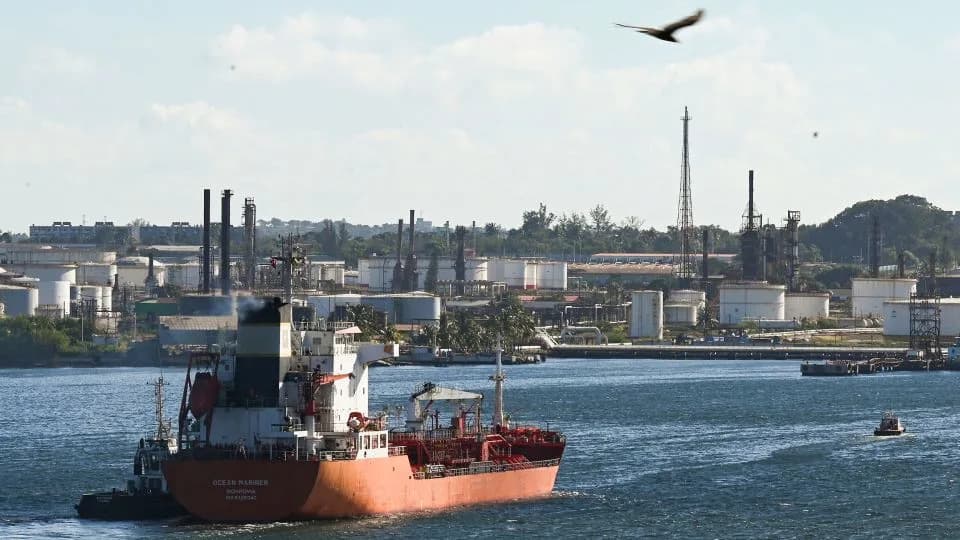
Coto places the current hardships in the context of recent U.S. actions targeting Venezuela — Cuba’s closest ally — and warnings from experts that disruptions to oil shipments from Venezuela and Mexico could deepen the crisis. She reported that the U.S. administration has increased pressure on Cuba: a recent executive order authorizes tariffs on goods from countries that sell or provide oil to Cuba, and U.S. officials and commentators have intensified critical rhetoric about the Cuban government.
Notably, some public figures have declared that Cuba’s government is faltering. This rhetoric, combined with supply disruptions, raises concerns that shortages could worsen. At the same time, many Cubans say they will not be manipulated by outside forces; instead they are preparing practically — those who can afford solar panels are installing them, while others plant gardens and otherwise increase self-sufficiency.
Outlook
The near-term outlook is uncertain. The Cuban government maintains a defiant stance, and everyday life continues as residents contend with shortages, blackouts and rising prices. Slogans such as "Patria o muerte, venceremos!" ("Homeland or death, we will overcome!") remain audible as people look for ways to get by.
"It’s the smallest things that reveal the most," Coto observed, pointing to small conservation measures and improvised solutions that reflect how Cubans are coping daily.
Help us improve.