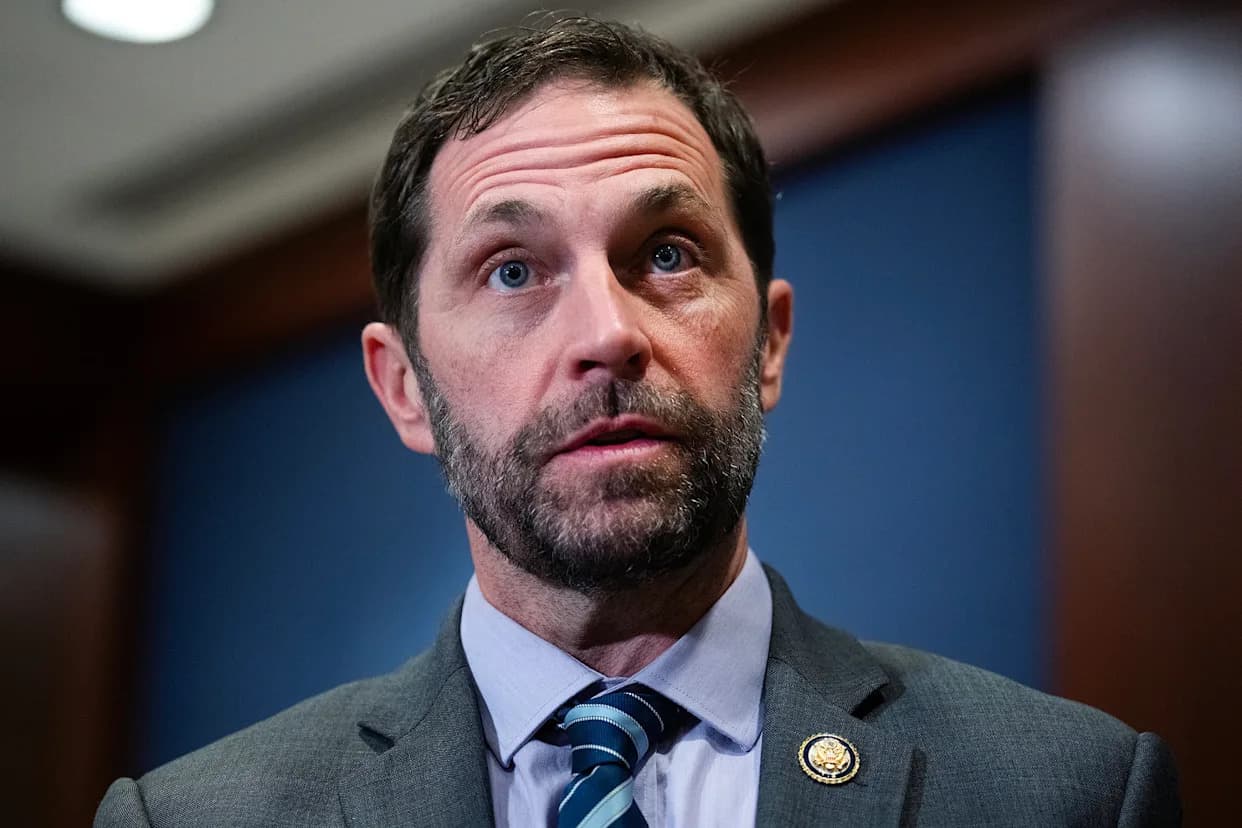
Former President Donald Trump demanded Cuba "make a deal" with the United States and warned that Venezuela could supply 30–50 million barrels of oil to the U.S., potentially depriving Havana of critical fuel and funds. Cuban President Miguel Díaz-Canel rejected outside pressure, declaring "No one dictates what we do," and the Cuban government reported 32 citizens killed during the U.S. operation to seize Nicolás Maduro. Foreign Minister Bruno Rodríguez condemned U.S. actions as hegemonic, while Havana residents expressed mixed reactions about possible shortages.
Díaz-Canel Rebukes Trump: “No One Dictates What We Do” as U.S. Threatens Cuban Oil Supply
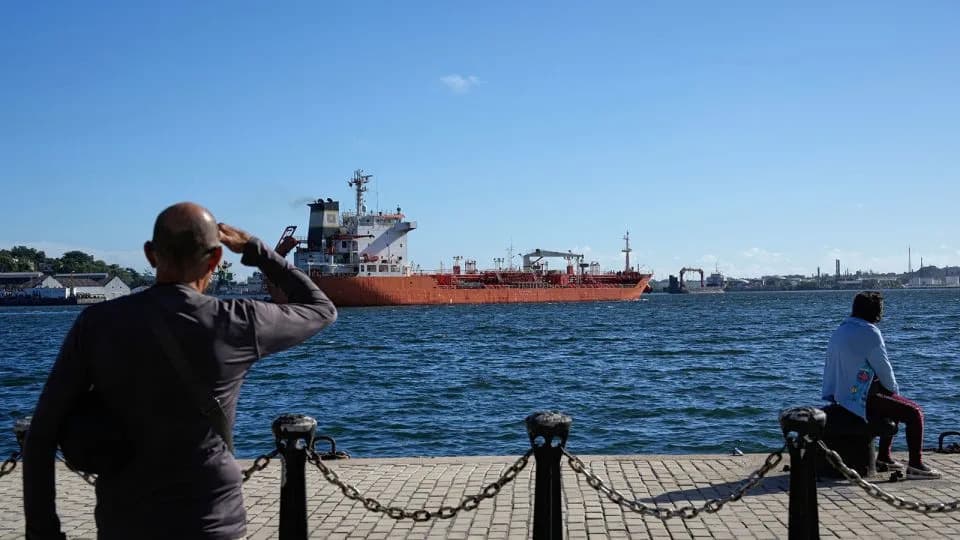
People watch the oil tanker Ocean Mariner, Monrovia, arrive to the bay in Havana, Cuba, on January 9, 2026. - Ramon Espinosa/AP
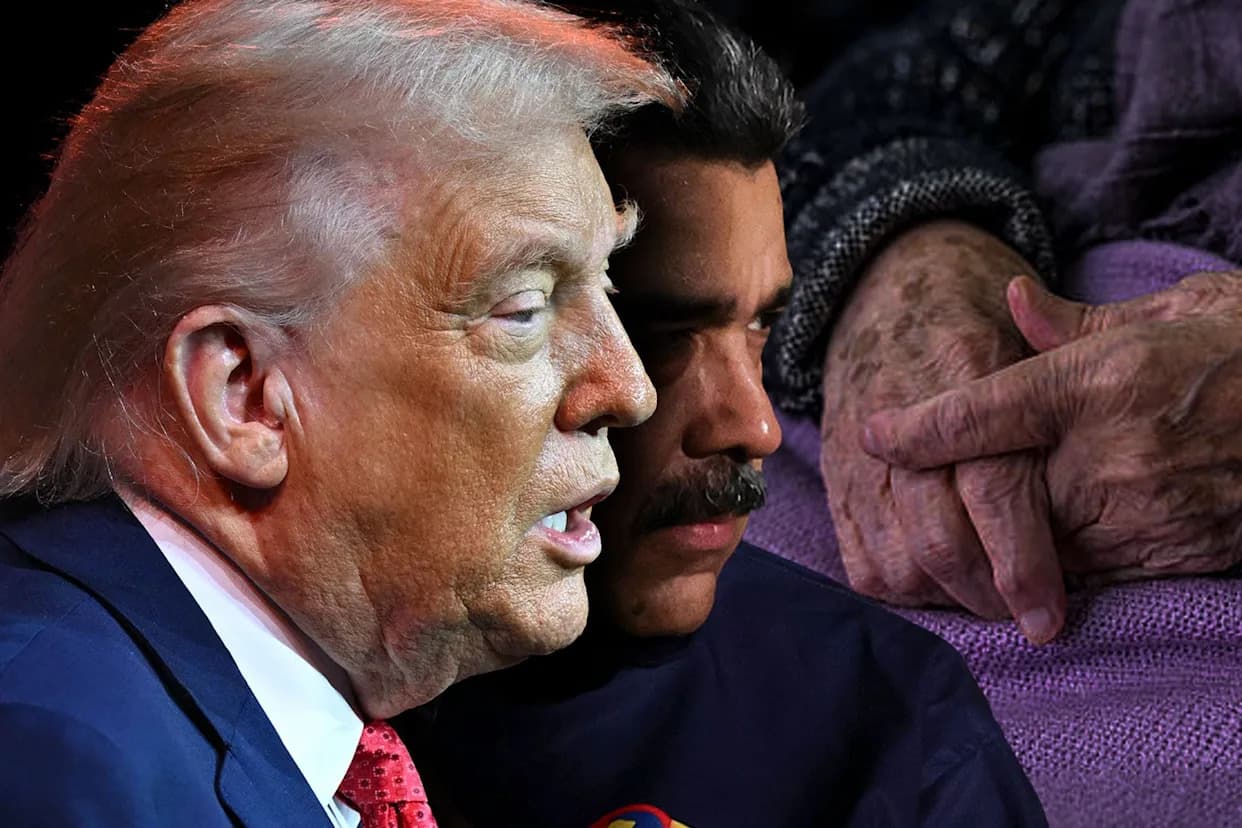
Cuban President Miguel Díaz-Canel firmly rejected pressure from former U.S. President Donald Trump after Trump urged Havana to "make a deal" with Washington and warned that Venezuelan oil and funds supporting the island could be halted.
Key Developments
Trump said a recent U.S. operation to capture Venezuelan leader Nicolás Maduro would result in Venezuela transferring an estimated 30 million to 50 million barrels of oil to the United States, a move he suggested would leave Cuba facing serious shortages. He posted forceful comments on Truth Social, writing that "THERE WILL BE NO MORE OIL OR MONEY GOING TO CUBA - ZERO!" and calling on the Cuban government to strike a deal "before it's too late." Trump also told reporters aboard Air Force One that the U.S. was "talking to Cuba," without clarifying the diplomatic level of those discussions.
Cuban Response
On X, Díaz-Canel responded:
"No one dictates what we do."He characterized Cuba as a country that has endured decades of U.S. hostility and insisted the island would defend its sovereignty. The Cuban government also said 32 of its citizens were killed "in combat actions" during the U.S. operation to seize Maduro.
Foreign Minister Bruno Rodríguez denied Trump's claim that Cuba traded "security services" for Venezuelan oil and money, asserting Cuba's "absolute right" to import fuel from partners without U.S. interference. Rodríguez accused the United States of acting as a "criminal and uncontrolled hegemon" that threatens regional and global security.
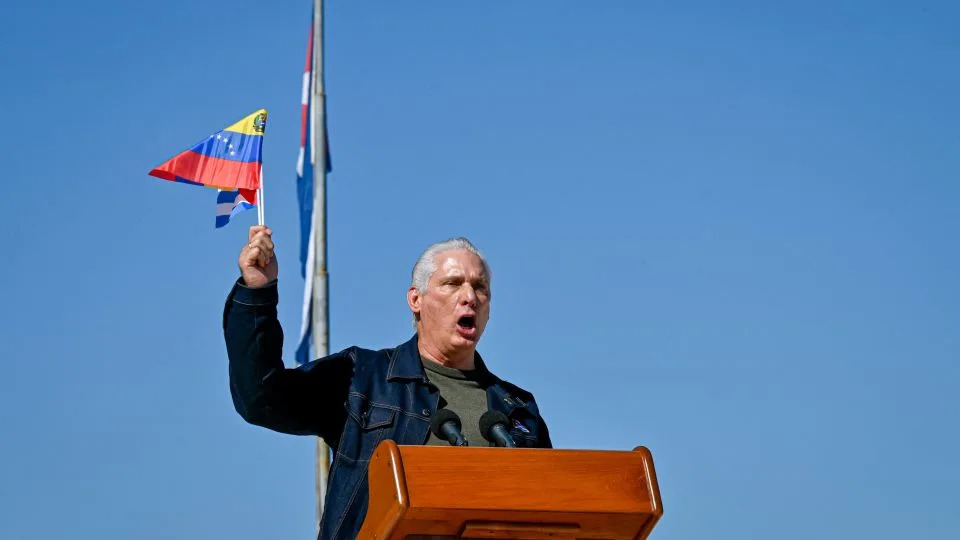
Cuba's President Miguel Diaz-Canel delivers a speech as he flutters a Venezuelan national flag in support of Venezuelan leader Nicolás Maduro in Havana, on January 3, 2026. - Adalberto Roque/AFP/Getty Images
Diplomatic Context
Díaz-Canel said Cuba has not engaged in substantive talks with the U.S. government beyond "technical contacts" on migration and called the longstanding U.S. blockade a failed policy that has pushed some Cubans to emigrate. Within the U.S. government, figures such as Secretary of State Marco Rubio — a vocal critic of the Cuban government and prominent voice in Miami's exile community — favor tougher measures aimed at political change in Havana.
On-the-Ground Reactions
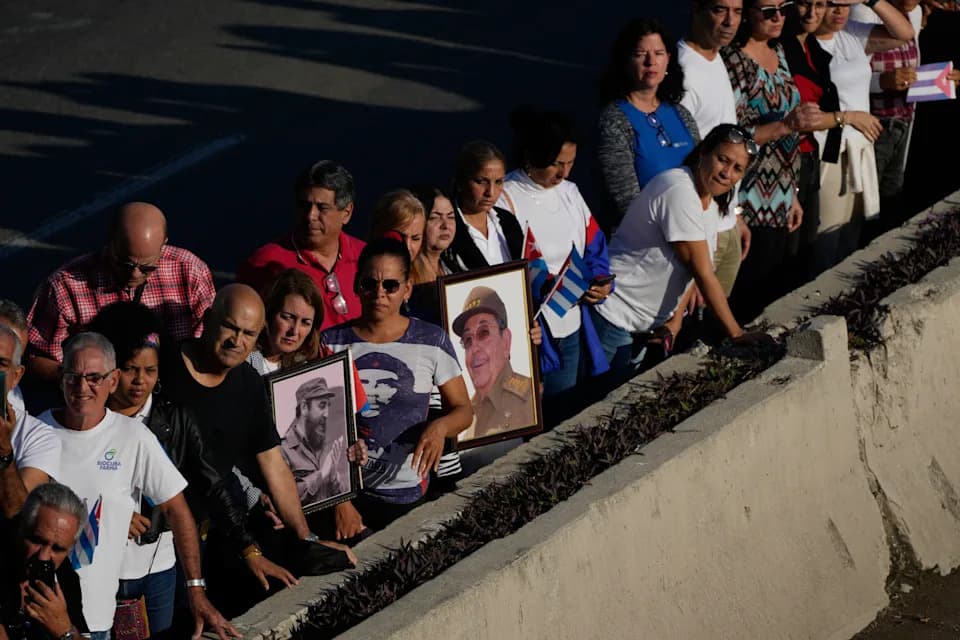
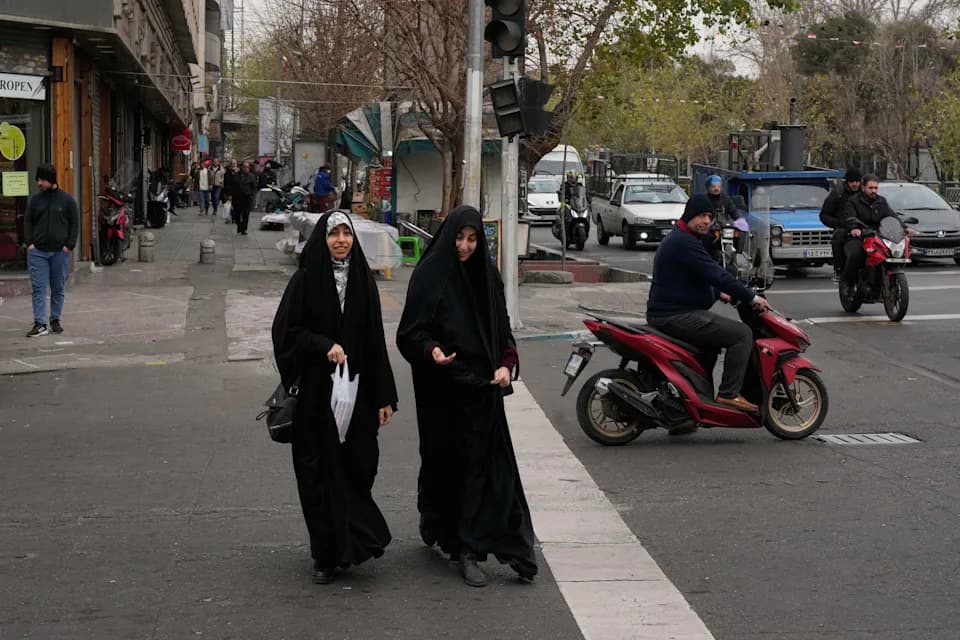
Havana residents expressed mixed views about the threat to oil supplies. Some, like Paola Perez, warned the island would be severely affected, while others, including Luis Alberto Jimenez, said they were prepared for shortages. Maria Elena Sabina urged faster action to address scarcities of electricity, gas and other essentials.
The episode highlights the geopolitical links among the United States, Cuba and Venezuela and raises immediate questions about how Havana would cope if Venezuelan oil and financial flows are curtailed.
Reporting Note: The situation is evolving; statements cited here come from public posts and official Cuban comments.
Help us improve.