The US has authorised additional tariffs intended to deter countries from supplying oil to Cuba, a move Washington says protects US interests but which Havana calls a strategy to strangle its economy. Kpler data show only one shipment (84,900 barrels) this year; if no more tankers arrive, Cuba could run out of fuel within weeks, threatening transport, power and hospital services. Mexico cancelled a planned delivery, other partners have been inconsistent, and leaders warn of severe humanitarian consequences as Cuba’s economy contracts and blackouts intensify.
Cuba on the Brink: US Tariffs Threaten Fuel Supplies as Calls of a ‘Real Blockade’ Grow
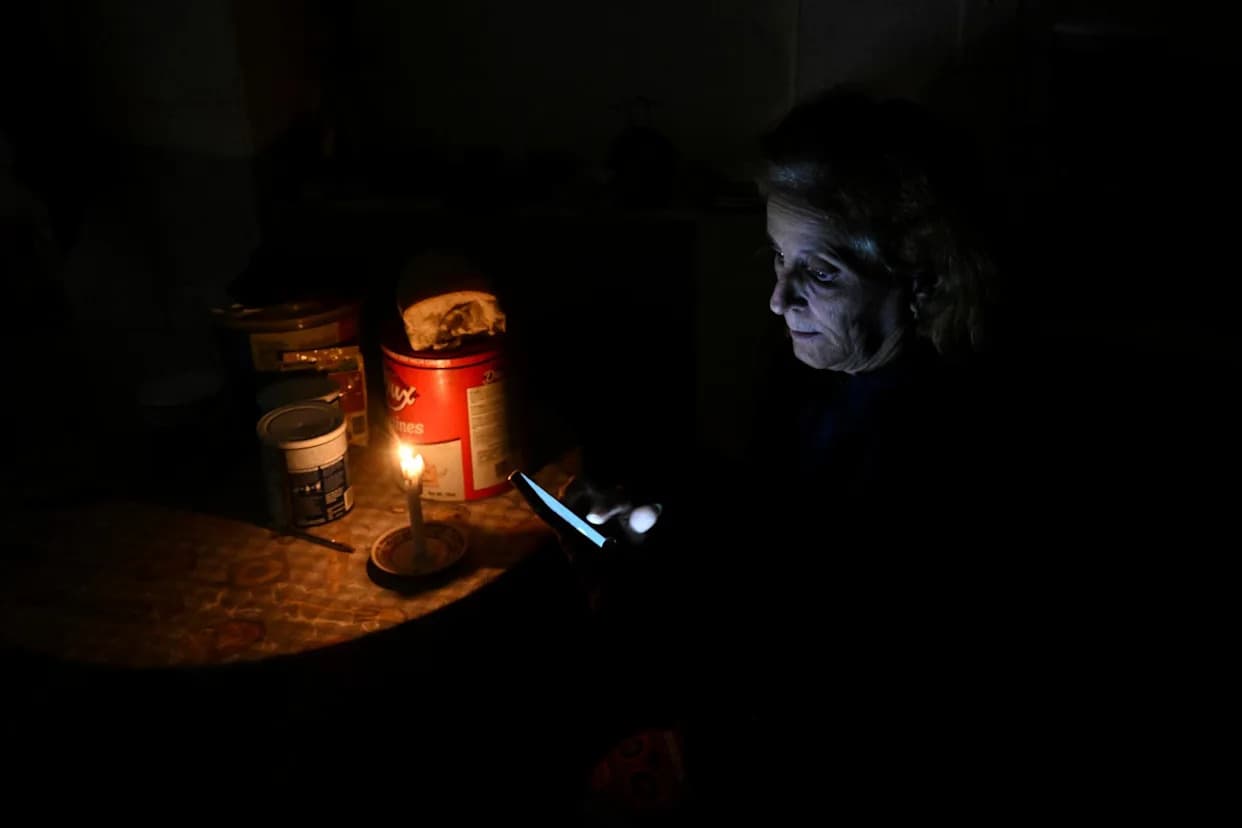
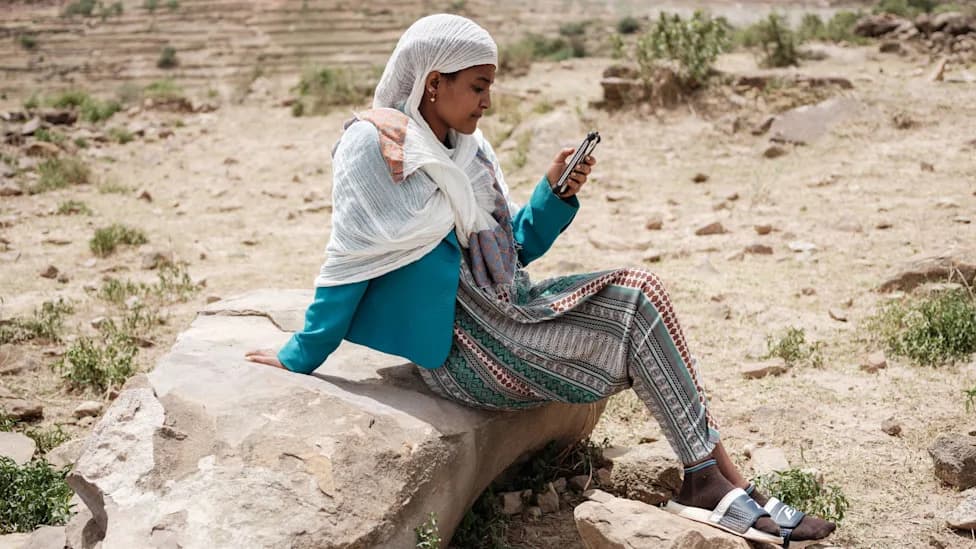
A woman checks her cellphone during a blackout in Havana on 28 January 2026.Photograph: Yamil Lage/AFP/Getty Images(Photograph: Yamil Lage/AFP/Getty Images)
Just after midday on Línea, one of the main thoroughfares through Havana’s Vedado district, Javier Peña and Ysil Ribas had been waiting since 6am outside a petrol station. They passed the time repairing a leak on Ribas’s 1955 gold-and-white Mercury while the queue behind them lengthened as a tanker unloaded on the forecourt.
Although the station accepts only US dollars at prices most Cubans cannot afford, Peña says it’s their only option. “There is no gas in the national pesos,” he shrugs.
But even buying fuel in dollars may soon be impossible. The United States has moved to tighten pressure on Havana by authorising extra tariffs aimed at any country that sells oil to Cuba — a step Washington says protects American interests and counters a regime it accuses of offering refuge to transnational terrorist groups. No publicly presented evidence has been offered to substantiate those allegations.
On Thursday, President Donald Trump signed an executive order permitting additional tariffs on nations that trade oil with Cuba. The administration has signalled it wants to intensify pressure on the 67‑year‑old communist government. “Cuba will be failing pretty soon,” Mr. Trump said earlier in the week.
President Miguel Díaz‑Canel responded on social media:
“Under a false and baseless pretext … President Trump intends to suffocate the Cuban economy by imposing tariffs on countries that sovereignly trade oil with Cuba.”
Fuel Shortages and Humanitarian Risk
The practical consequences for Cubans are immediate and severe. Data consultancy Kpler reports only one oil shipment so far this year — 84,900 barrels from Mexico — and estimates that if no additional tankers arrive, Cuba’s fuel stocks could be exhausted within roughly three weeks. Diesel shortages would disrupt passenger and commercial transport, rail, agriculture, industry, water distribution and sugar production, and would compound failures in an electricity system already experiencing daily outages of 12 hours or more in many areas.
Mexico’s president, Claudia Sheinbaum, warned that the US measures “could trigger a far‑reaching humanitarian crisis, directly affecting hospitals, food supplies and other basic services for the Cuban people.” A planned shipment from Mexico was cancelled, a decision Sheinbaum described as sovereign amid clear pressure from Washington.
Traditional suppliers have been inconsistent. Venezuela — long a key source of subsidised fuel — has not delivered recent supplies amid diplomatic tensions and political turmoil earlier this year. Shipments from other partners such as Russia and Algeria have been sporadic; Kpler records deliveries in October and February respectively.
Political Signals and Military Posturing
Washington’s diplomatic messaging has been conspicuous. The US embassy in Havana hosted a reception marking the US Declaration of Independence; in remarks to diplomats, the US chargé d’affaires, Mike Hammer, said, “The Cubans have complained for years about ‘the blockade’ … But now there is going to be a real blockade.” Independent Cuban journalists reported being prevented from attending the event by Cuban security forces.
US media reports said officials were exploring ways to encourage defections among members of the Cuban leadership and were even weighing a full naval blockade — though some diplomats suggested that economic and political pressure alone could be sufficient to deter suppliers. CNN reported an internal embassy briefing advising staff to be ready to depart quickly; the embassy later said there were no evacuation plans.
In response to the heightened rhetoric, the Cuban government released footage of soldiers training and warned that a blockade would be a “brutal assault against a nation that doesn’t threaten the US,” according to Carlos Fernández de Cossio, who leads the US desk at Cuba’s foreign ministry. Public responses by senior Cuban officials have otherwise been measured rather than theatrical.
Economic Collapse and Civil Impact
Cuban officials report a strained economy: a contraction of about 11% between 2019 and 2024 and a further decline estimated at 5% through September 2025, accompanied by hyperinflation that has eroded state wages and pensions. For many Cubans the economic squeeze is personal and immediate: trained professionals work informal jobs to survive. “Doing this, I make in one day what I’d make in a month as a doctor,” said Eddy Marrero, who now drives a moto‑taxi while waiting in a petrol queue.
No one can say precisely what will happen next, but the near‑term outlook is bleak: wider blackouts, transportation paralysis, strained hospital services and severe disruptions to food and water supplies are all possible if fuel shipments stop.
Context: The situation combines long‑standing structural weaknesses in Cuba’s economy with a recent sharp increase in US diplomatic and economic pressure. International responses vary: China has expressed concern and promised assistance, but the scale and timing of any help remain unclear.
For residents in Havana and across the island, the immediate reality is queues, uncertainty and mounting fear as leaders in Washington and Havana brace for the next round of political and economic consequences.
Help us improve.