Cuba’s tourism industry has collapsed to about 2.3 million visitors from January–November 2025, down from 4.8 million in 2018, deepening an economic crisis caused by sanctions, fuel shortages and infrastructure problems. The decline has slashed revenue — nearly $8 billion lost in a recent 12-month period — and pushed tour operators, classic-car drivers and street vendors into financial distress. While some visitors praise Cuban hospitality and resilience, experts warn the island will struggle without new fuel supplies or foreign support.
Cuba’s Tourism Plummets as Sanctions, Fuel Disruptions and Infrastructure Problems Bite
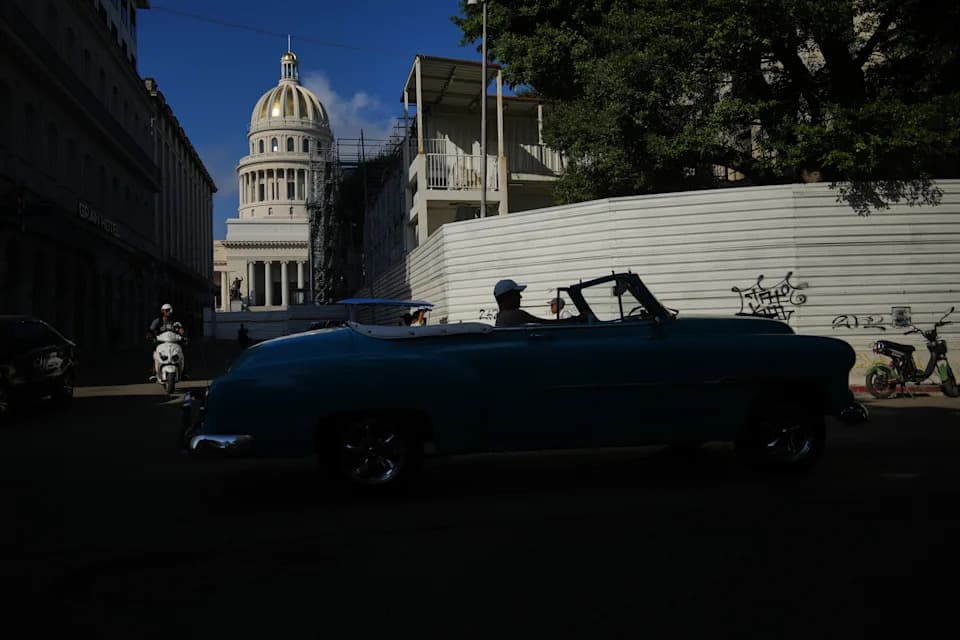
A man drives a classic American car in front of the Capitol in Havana, Monday, Jan. 26, 2026. (AP Photo/Ramon Espinosa)(ASSOCIATED PRESS)
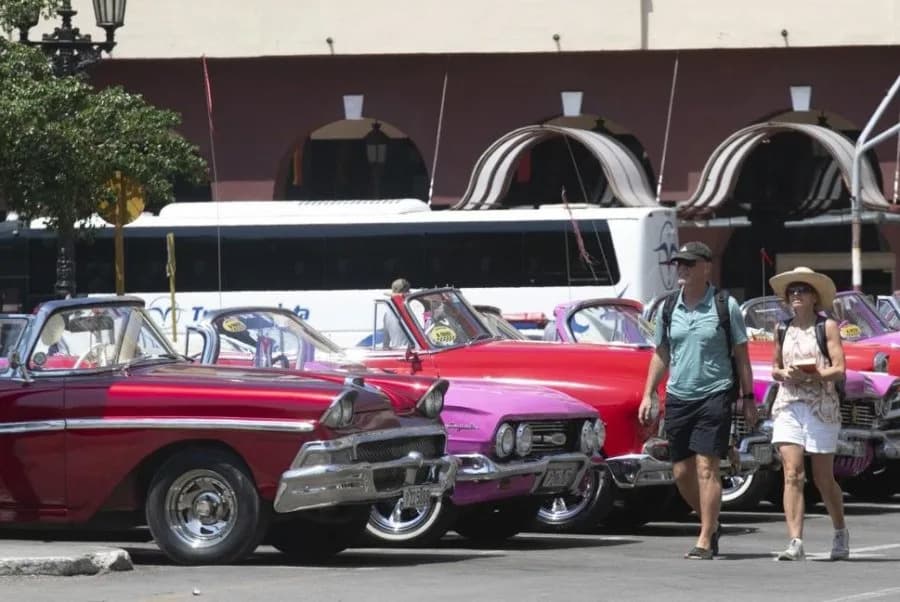
It is almost noon in Havana when a small group of tourists steps off a yellow minibus and drifts toward a line of gleaming vintage cars, cameras at the ready. Under the shade of a seaside almond tree, drivers spring to life hoping for their first fare of the day — but the visitors pause only for a few quick selfies and move on.
“This is grim,” said Reymundo Aldama, who owns and drives a bubblegum-pink 1957 Ford Fairlane. “We’re waiting for them to come, we’re waiting for work.”
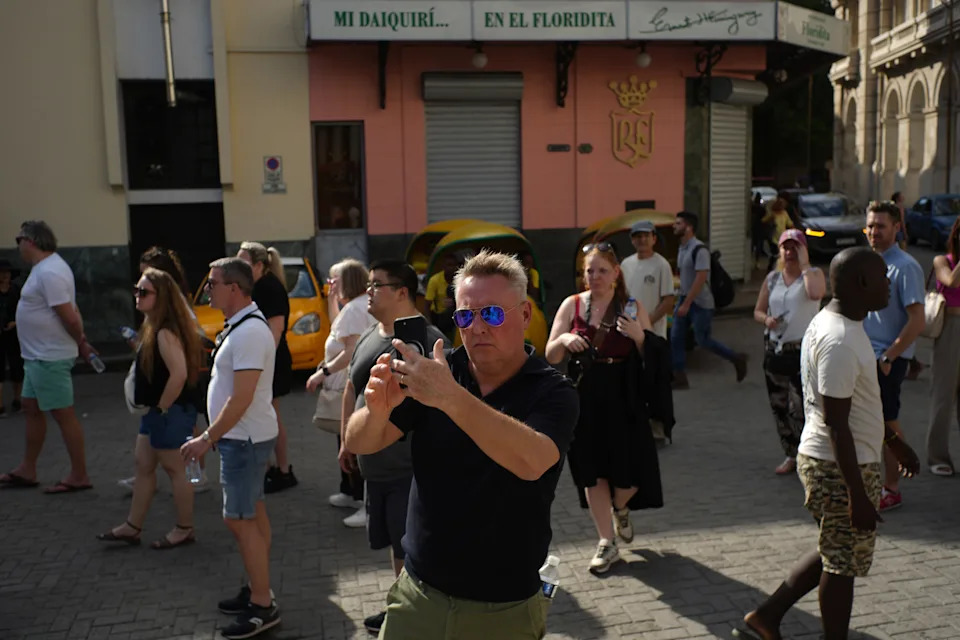
Tourists traverse a street in Havana, Monday, Jan. 26, 2026. (AP Photo/Ramon Espinosa)(ASSOCIATED PRESS)
Visitor Numbers and Economic Shock
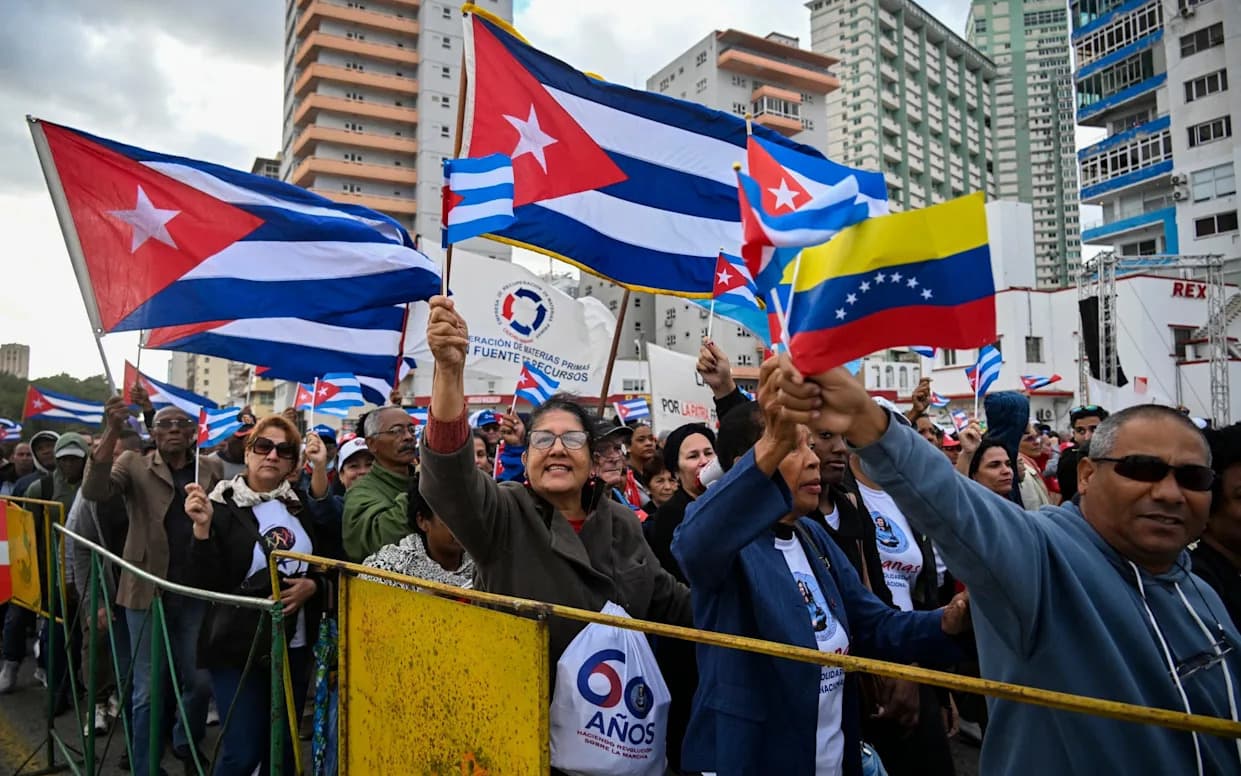
Tourism in Cuba has plunged at a time when the island most needs the income. From January to November 2025, about 2.3 million tourists visited Cuba — far below the 4.8 million visitors in 2018 and the 4.2 million in 2019. The decline follows nearly two decades of growth that were interrupted first by the COVID-19 pandemic, then by chronic blackouts, deteriorating infrastructure and renewed restrictions and sanctions affecting travel and trade.
Government figures cited in reporting show nearly $8 billion in lost revenue between March 2024 and February 2025, a decline roughly 50% worse than in the previous comparable period. That loss compounds the pain for workers and small businesses that rely on a steady flow of foreign visitors.
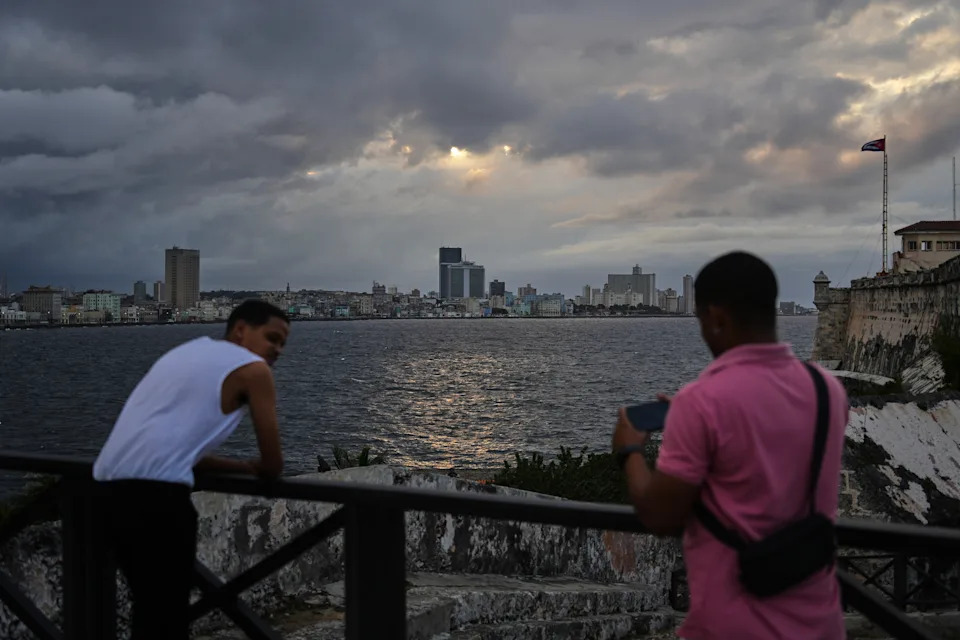
People take photos at El Morro in Havana, Monday, Jan. 26, 2026. (AP Photo/Ramon Espinosa)(ASSOCIATED PRESS)
How People Are Feeling the Impact
Rosbel Figueredo Ricardo, 30, used to sling 150 bags of chivirico — a popular fried flour snack — each morning and sell out by late afternoon. Now he loads about 50 bags, works from dawn until nightfall and some days sells nothing at all.
“I’m a mid-level industrial mechanical technician, and look at me here,”
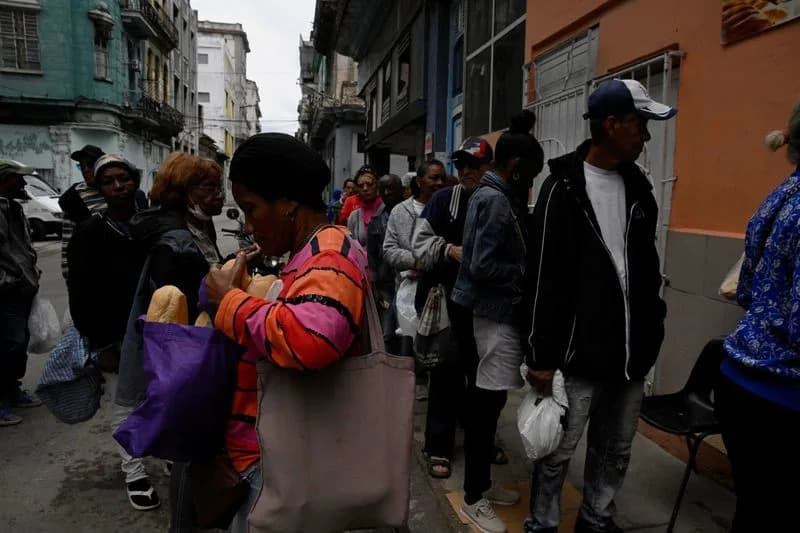
Figueredo, who has three children and another on the way, now walks toward places where people gather — like the Spanish Embassy queue — hoping visa-seekers will buy a snack. Classic-car drivers, tour operators and restaurant staff report dramatic drops in daily income and mounting desperation.
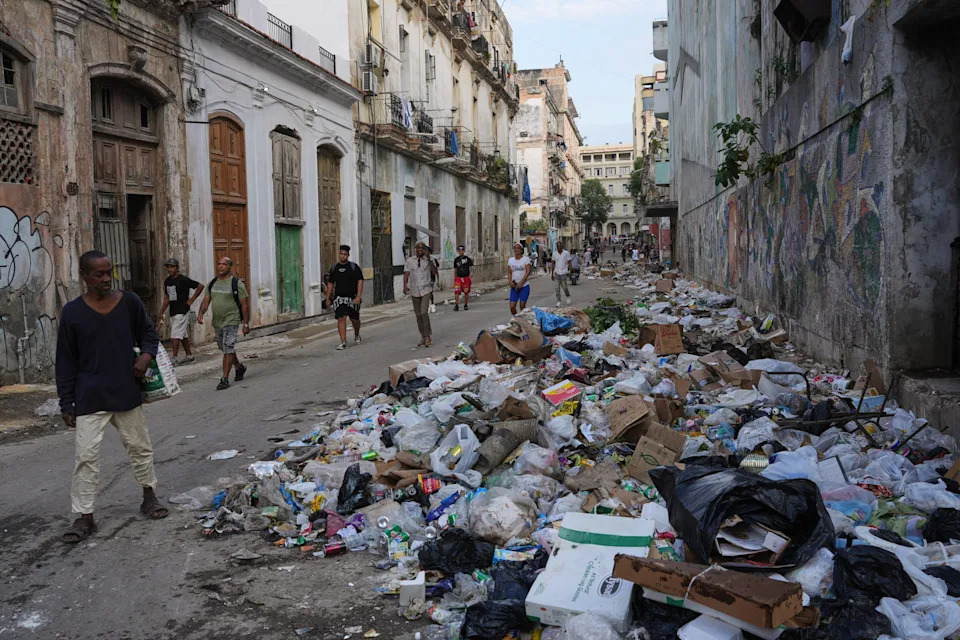
People walk next to trash on a street in Havana, Monday, Jan. 26, 2026. (AP Photo/Ramon Espinosa)(ASSOCIATED PRESS)
Contributing Factors
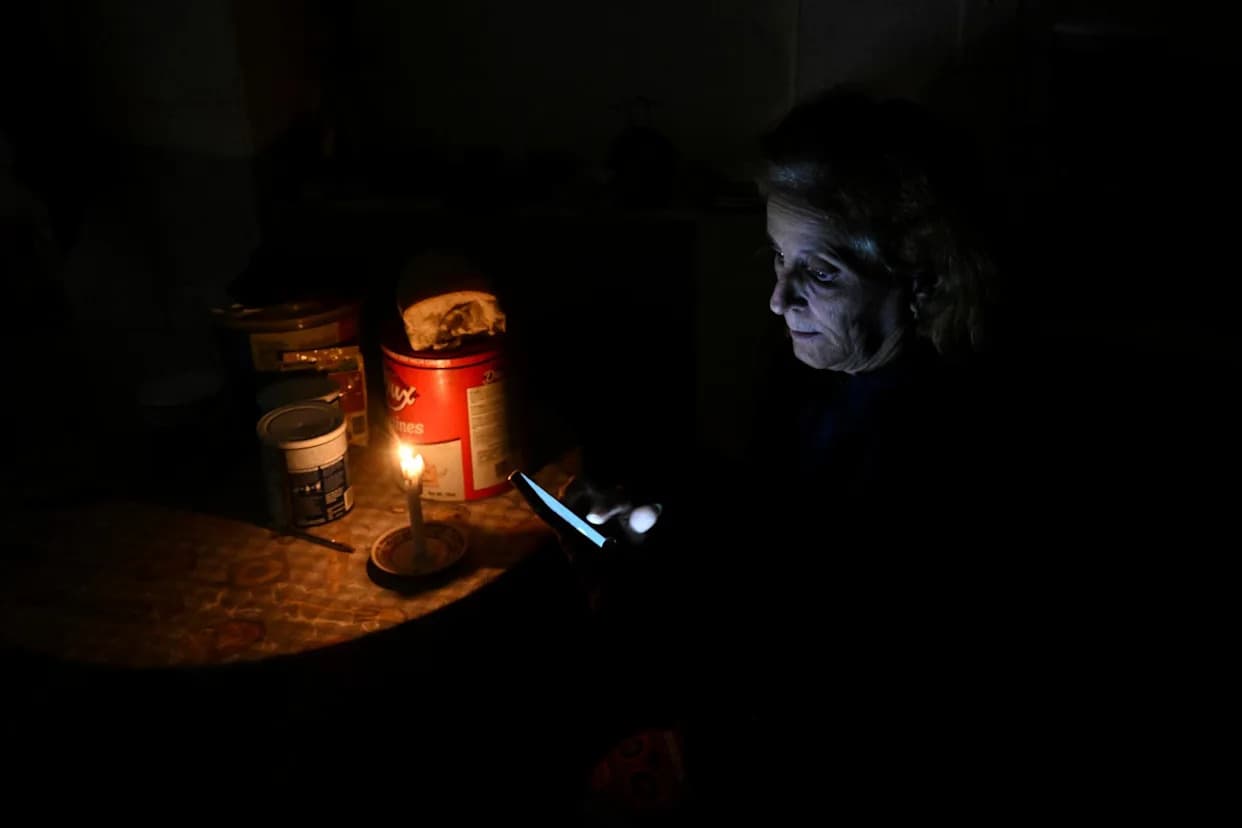
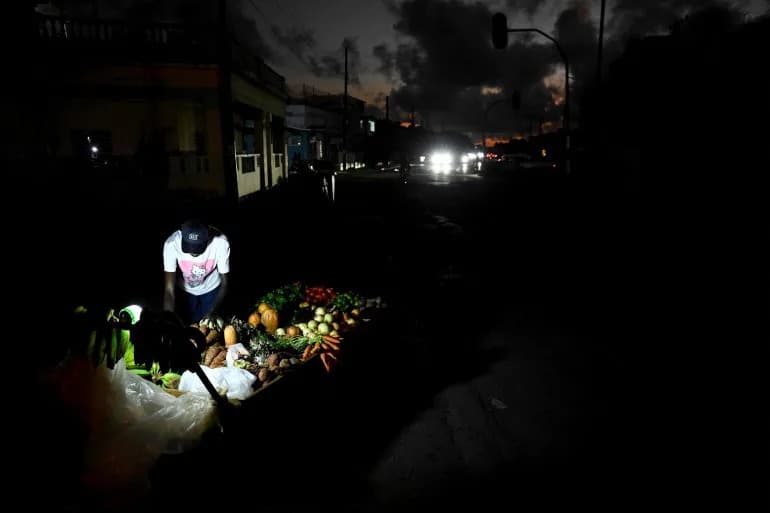
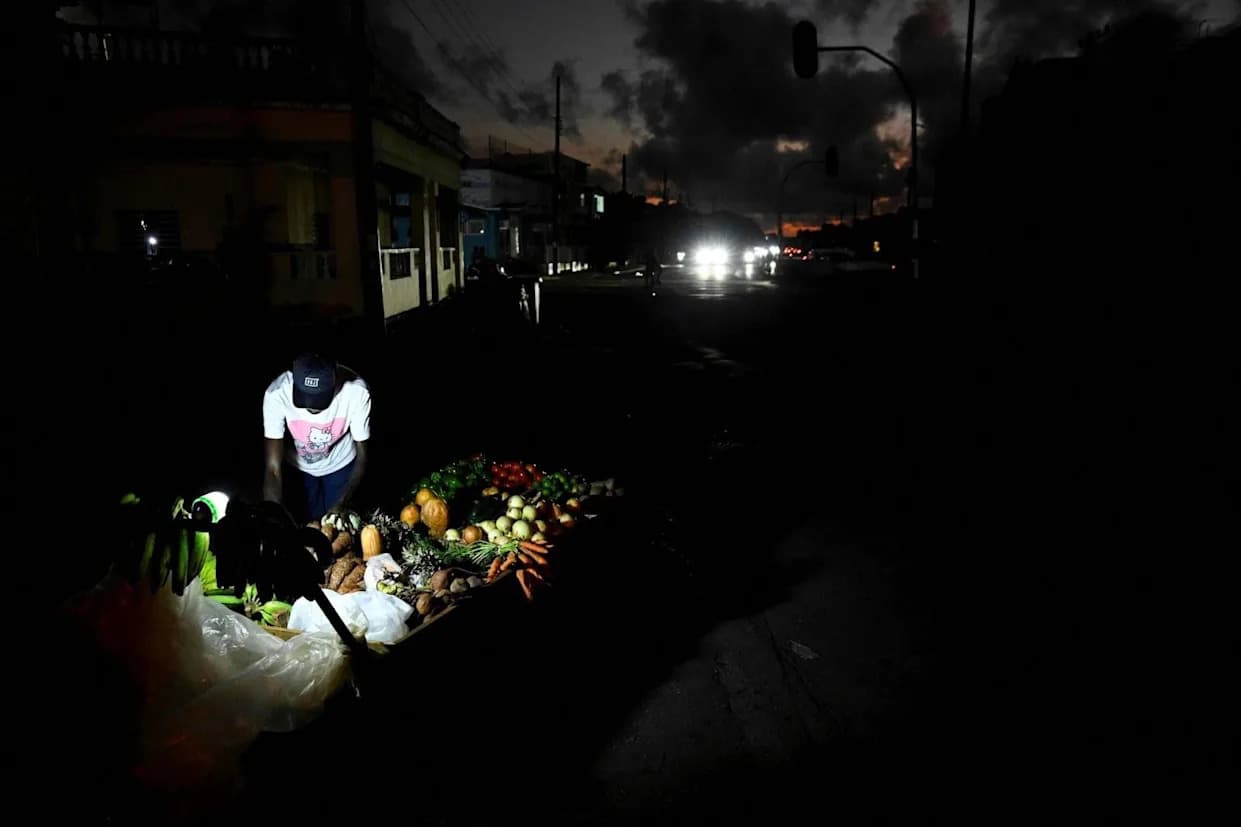
Analysts point to several converging causes: stricter U.S. sanctions and travel restrictions that have reduced arrivals from key markets; disruptions to Venezuelan oil shipments that have tightened fuel availability; chronic power outages and cuts to water service; and visible sanitation and infrastructure problems in tourist areas that can deter visitors.
Aldama and other drivers also cite the 2019 U.S. restriction on cruise-ship calls to Cuban ports as an important turning point that removed a major source of short-stay visitors. When tourism and fuel flows were healthy, multiple double-decker sightseeing buses made several runs daily across Havana; now far fewer operate and many leave terminals largely empty.

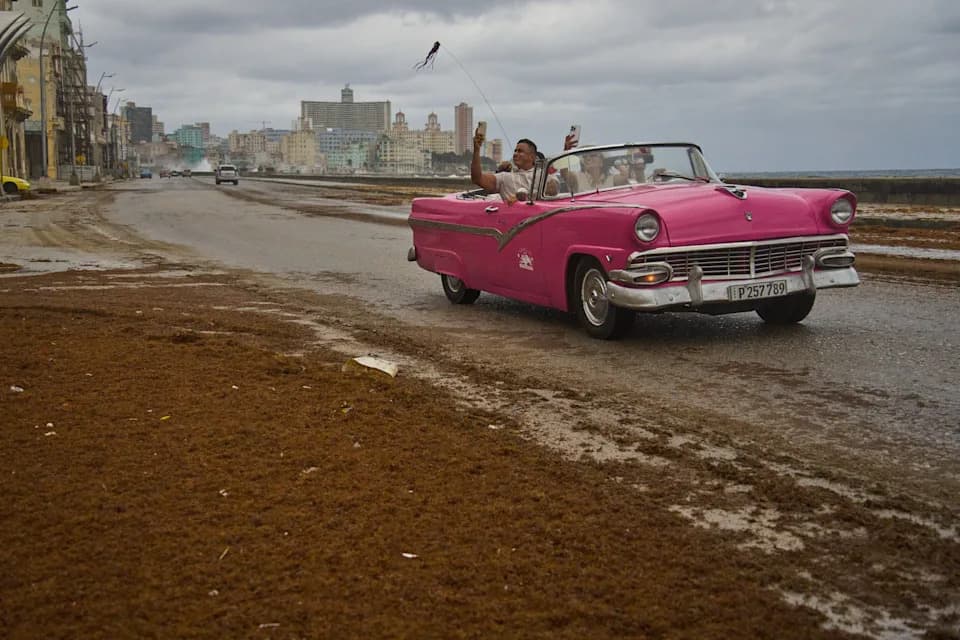
Tourists take a ride in a classic American car in Havana, Monday, Jan. 26, 2026. (AP Photo/Ramon Espinosa)(ASSOCIATED PRESS)
Voices From Visitors
Not all visitors were deterred. Vincent Seigi, a tourist from Russia, described Cuba as "a place where time feels stopped" but said he admired the country’s resilience despite blackouts, overflowing trash and spotty mobile connections. Brazilian teacher Gloraci Passos de Carvalho praised Cuba’s hospitality and described the experience as “making lemonade out of lemons.”
Outlook
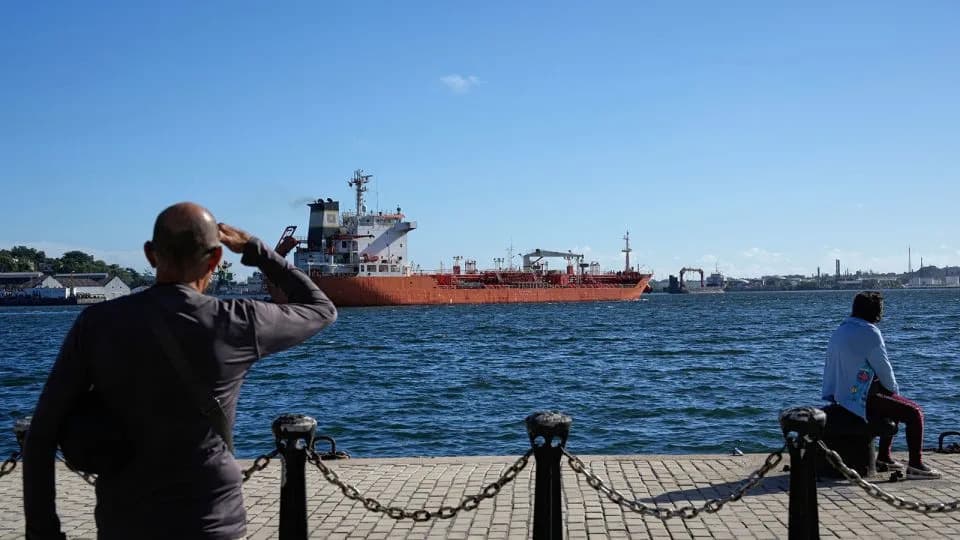
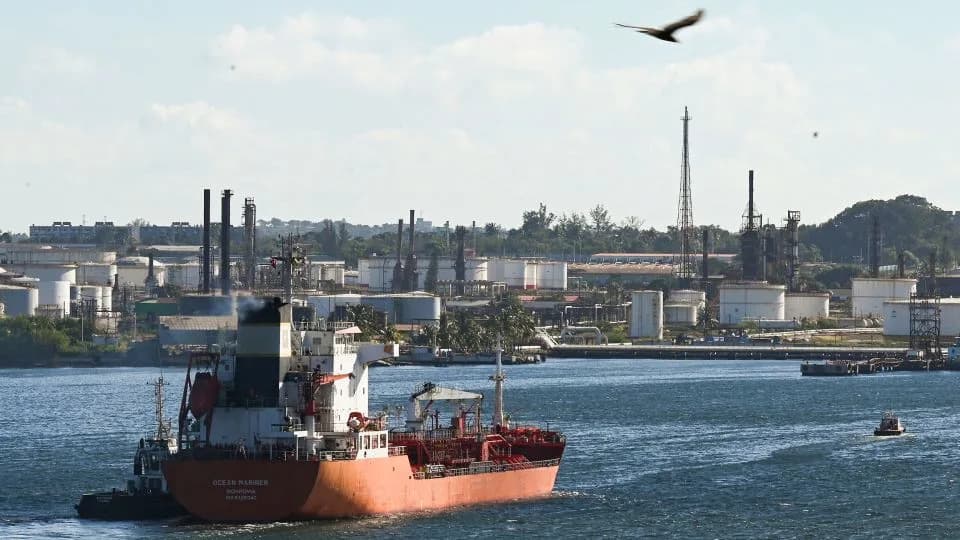
With Venezuela’s support reduced and traditional tourism markets diminished, experts warn Cuba faces deeper economic strain without new sources of energy or foreign revenue. Some look to China or Russia for backing, but any large-scale assistance would depend on geopolitics and the capacity of potential partners.
What remains clear: tourism has been a vital lifeline for Cuba’s economy, and its collapse is already reshaping daily life for thousands of workers and small-business owners across the island.
Follow AP’s coverage of Latin America and the Caribbean at https://apnews.com/hub/latin-america.
Help us improve.