Cuban Ambassador Carlos de Cespedes has accused the United States of "international piracy" after Washington's actions reportedly blocked Venezuelan oil shipments to Cuba following a US operation in Venezuela. The diplomat described a "marine siege," while US officials, including President Trump, have said there will be "zero" Venezuelan oil to Cuba. Although Cuba has sought alternate suppliers such as Mexico, analysts warn that a sustained cutoff or a full energy blockade could push the island's fragile economy toward a humanitarian crisis.
Cuban Envoy Accuses US Of 'International Piracy' After Venezuelan Oil Shipments Halted
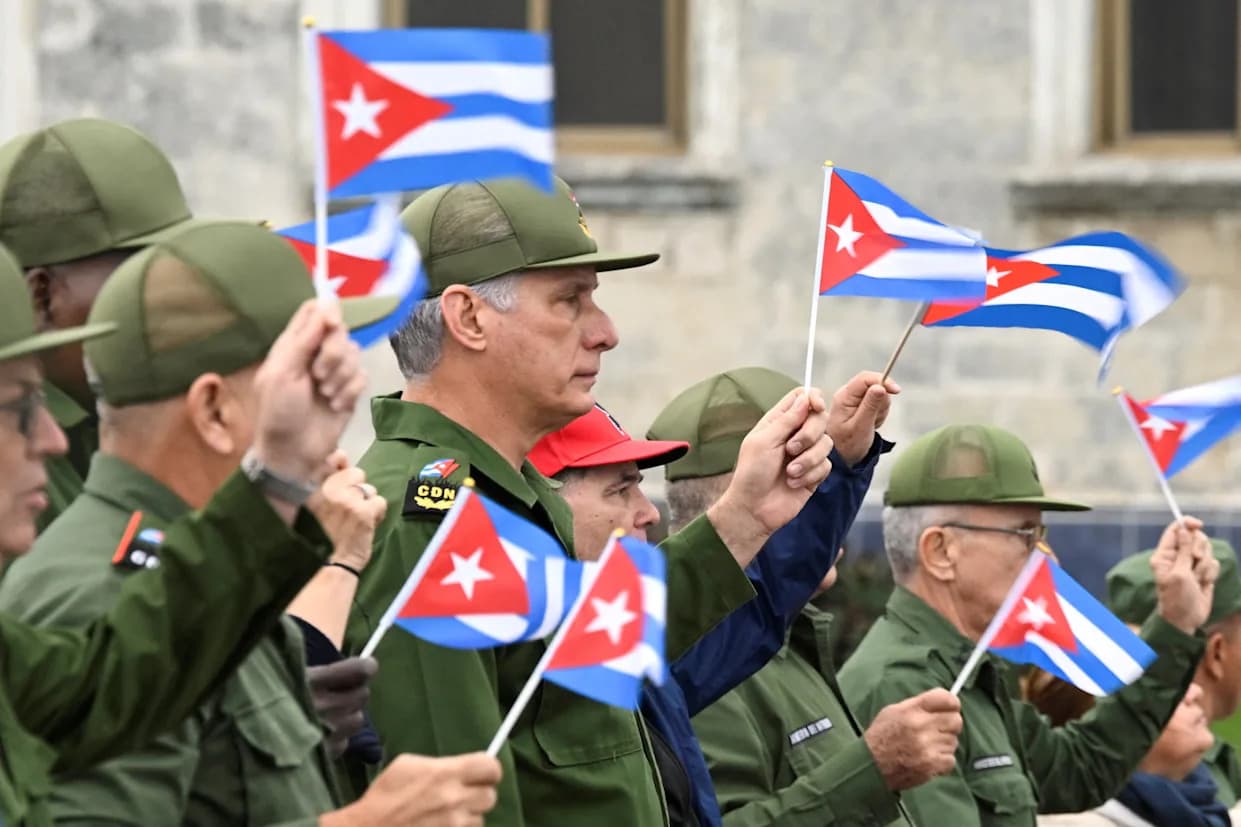
Cuba's President Miguel Diaz-Canel waves a Cuban flag during a march outside the US embassy in Havana, to protest against Washington's aggressive policies in the region [File: Norlys Perez/Reuters]
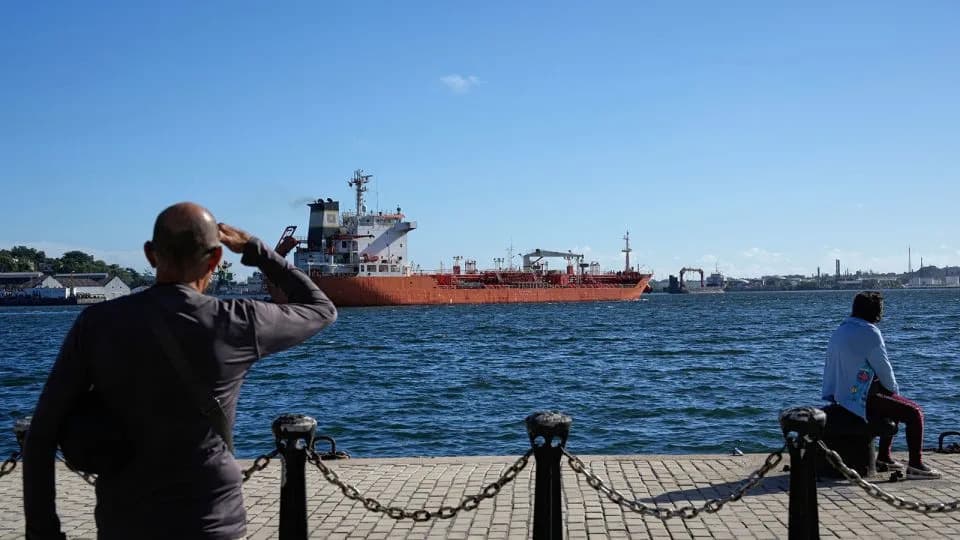
A senior Cuban diplomat has accused the United States of "international piracy" and described an effective "marine siege" after Venezuelan oil shipments to Cuba were largely halted following a recent US military operation in Venezuela and the abduction of President Nicolás Maduro, according to Cuban statements and media reports.
Claims From The Cuban Envoy
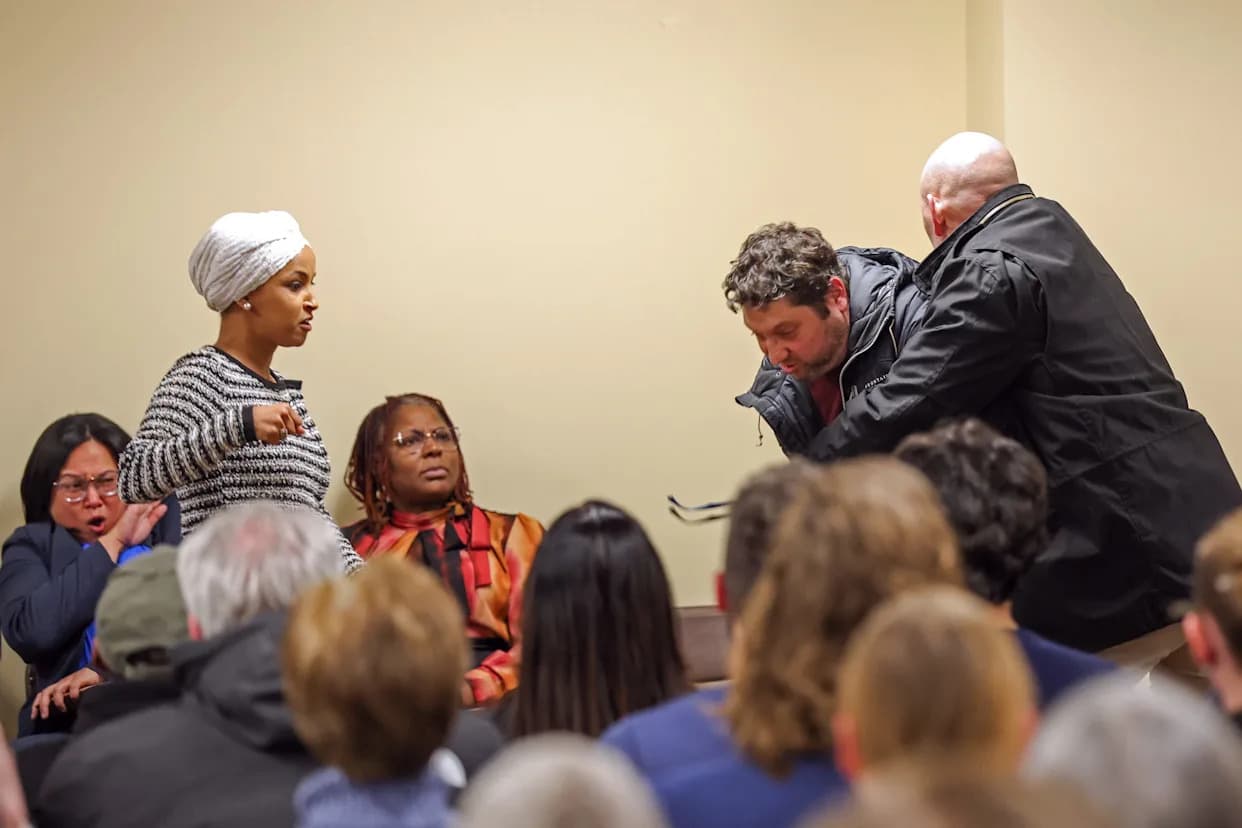
Carlos de Cespedes, Cuba's ambassador to Colombia, told Al Jazeera that Washington's actions in the Caribbean were restricting and blocking the arrival of Venezuelan oil to the island. He said the pressure represented the most powerful threats Cuba has faced in decades and called the measures an example of "international piracy".
"Cuba is facing more powerful US threats than it has in the 67 years since the revolution," de Cespedes said. "The US is carrying out international piracy in the Caribbean Sea that is restricting and blocking the arrival of oil to Cuba."
US Actions And Official Statements
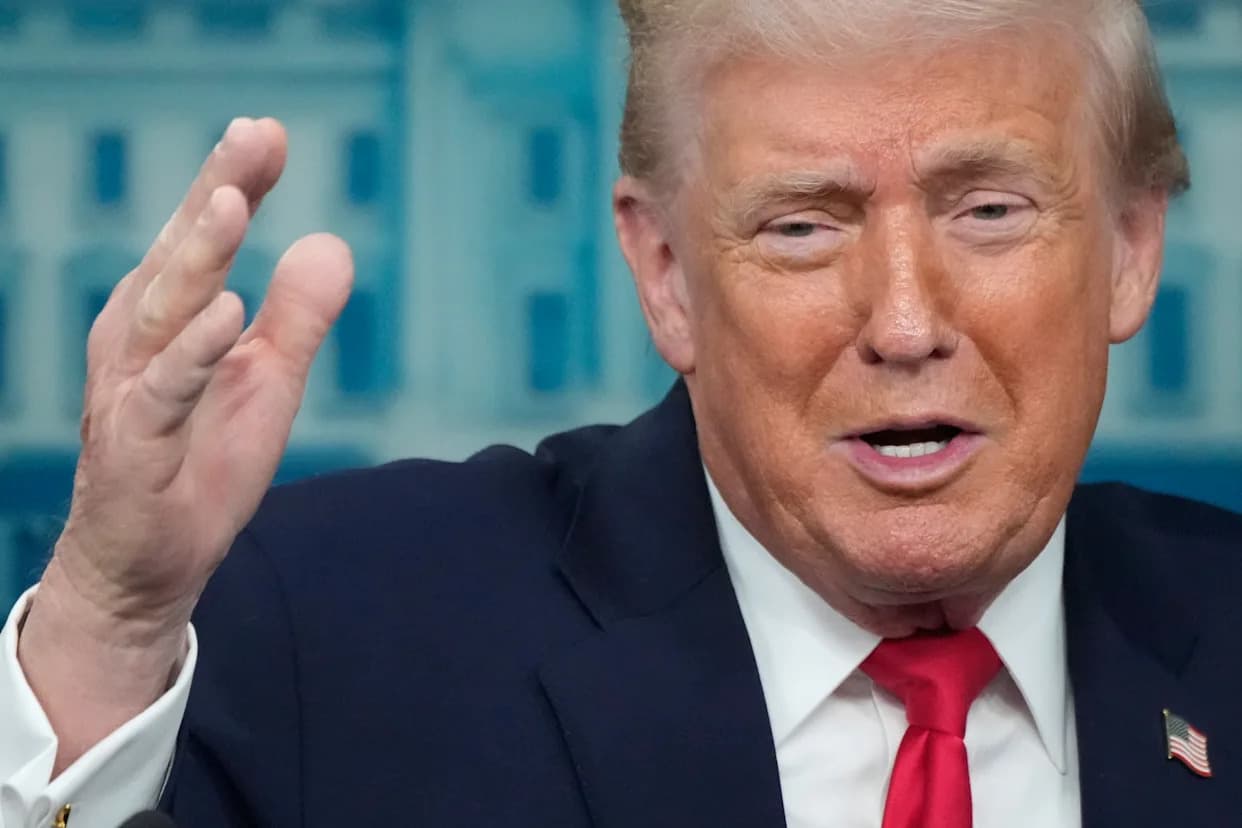
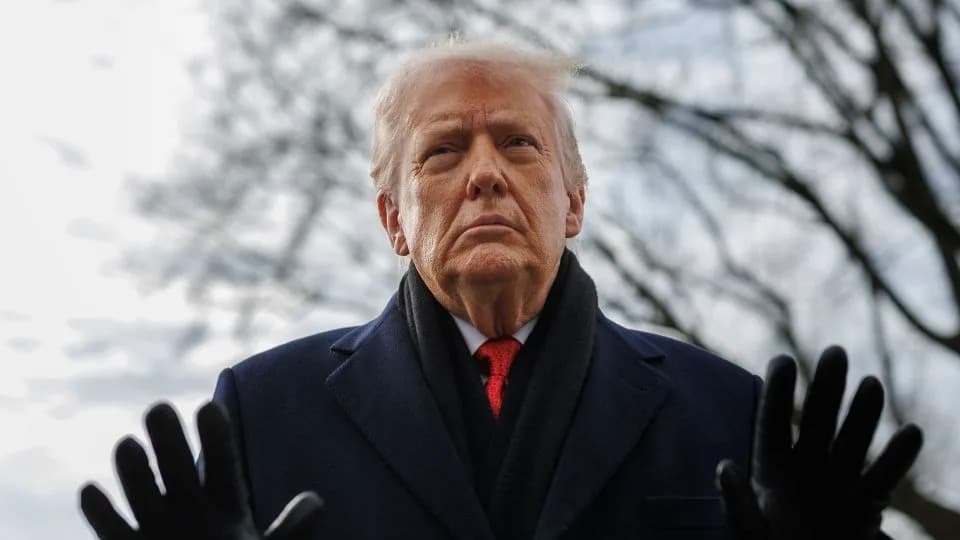
Officials in Washington have publicly signalled tough measures against Venezuela. President Donald Trump stated earlier this month there would be "zero" Venezuelan oil headed to Cuba as the US increased pressure on Caracas and warned of further military options. US forces have also been reported to intercept and seize tankers carrying Venezuelan crude in the Caribbean — actions critics describe as maritime piracy.
Reports, Casualties And Energy Flows
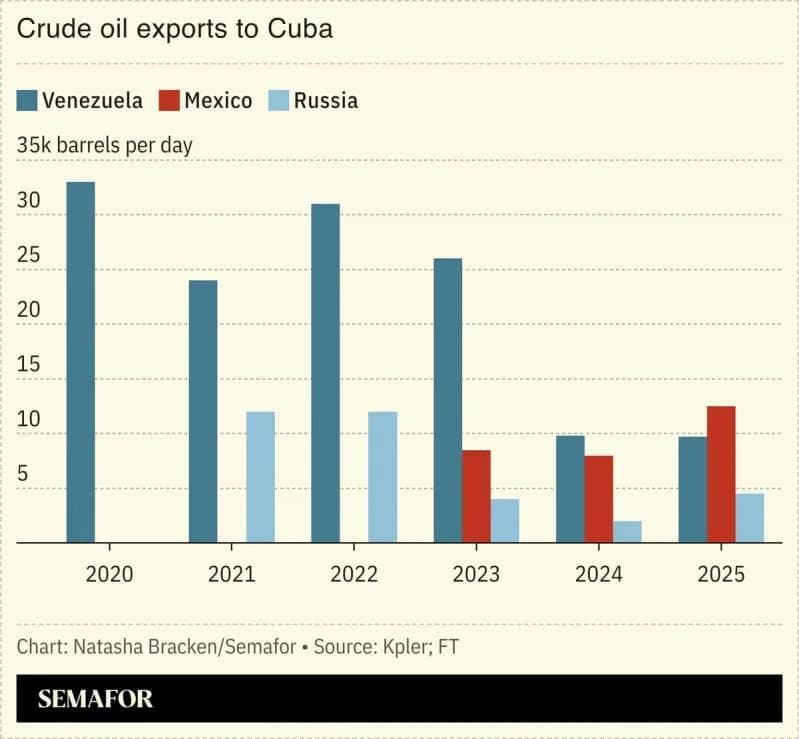
Venezuela has been Cuba's principal oil supplier for decades. According to reporting, the flow of Venezuelan crude has largely stopped since the operation in Venezuela. Media reports also said nearly 50 Cuban soldiers were killed during the US operation to seize President Maduro, a claim that has been reported in the context of the broader confrontation.
Economic And Humanitarian Risks
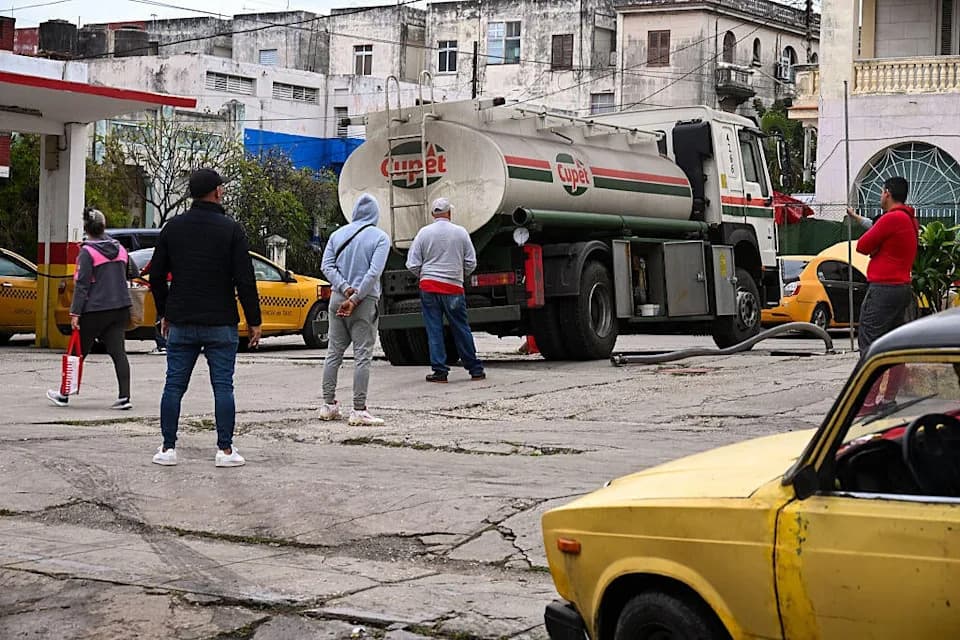
In response to the disruption of Venezuelan supplies, Cuba has sought alternative sources of fuel, including shipments from Mexico. Nevertheless, analysts warn that the loss of regular Venezuelan crude could push Cuba's already fragile economy toward a breaking point. Politico has reported that the Trump administration is considering a complete energy blockade of the island — a step that experts say could provoke a humanitarian crisis for roughly 11 million people.
Historical Context And Strategic Posture
Washington and Havana have had hostile relations since the 1959 Cuban revolution. Commentators note that recent US policy documents and statements emphasize a reallocation of US foreign-policy resources toward the Western Hemisphere, with administration officials invoking the Monroe Doctrine and a more assertive regional posture.
Outlook And Cuban Response
De Cespedes insisted that the pressure "will not change anything," adding that Cuba would not be subjugated even if "a single drop of oil" failed to arrive. He invoked the anti-imperialist legacy of Fidel Castro and said Cuba would not be intimidated and would defend peace.
Note: This article reports claims and statements by Cuban officials and cited media outlets. Some details — including casualties and the characterization of US actions — are described here as reported and contested in international coverage.
Help us improve.