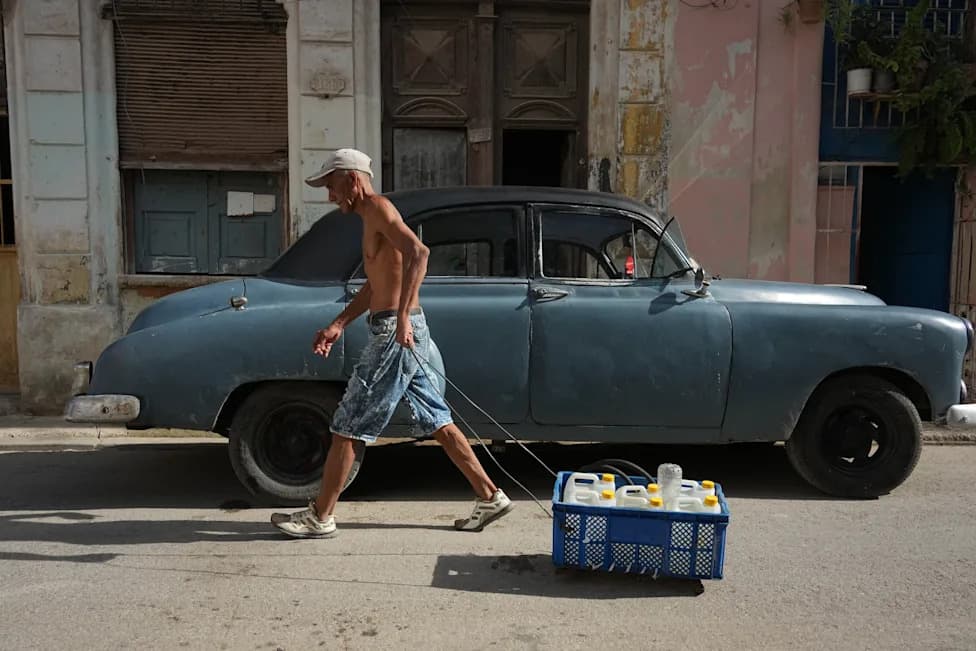
Cuba's international tourist arrivals fell to 1.8 million in 2025, a 17.8% decline from 2024 and well below the government's 2.6 million target. The drop—one of the lowest in more than two decades outside the pandemic—has cut vital hard-currency revenue amid shortages of fuel, power, medicines and food. Interruptions to Venezuelan oil shipments and U.S. moves to restrict fuel supplies have compounded energy and service problems, prompting Havana to signal limited cooperation with the United States while saying no formal talks are underway.
Historic Tourism Collapse Deepens Cuba’s Economic Crisis
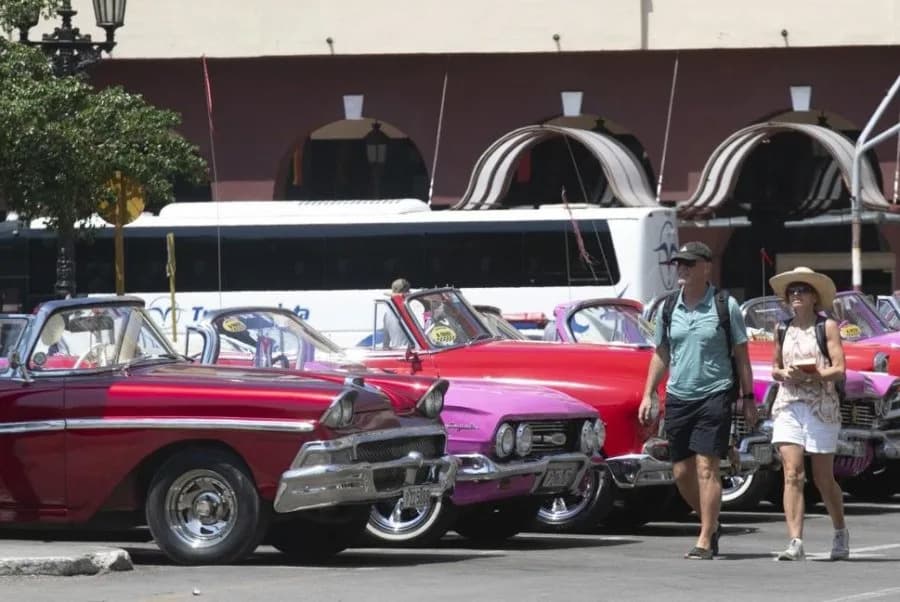
Tourists walk in front of classic cars in Havana, Cuba, in March 2024. Tourism has fallen off sharply, putting severe pressure on the country's economy. File Photo by Yander Zamora/EPA
Cuba's tourism industry plunged to historic lows in 2025 just as the country most needs hard currency, intensifying pressure on an economy already facing deep shortages and service interruptions.
Arrivals Plunge
Official figures from Cuba's National Office of Statistics and Information show international tourist arrivals fell to 1.8 million in 2025, a 17.8% drop from 2024 and well below the government's 2.6 million visitor target. Outside the pandemic years, this is one of the lowest totals in more than two decades, far beneath the recent peaks of 4.6 million in 2018 and 4.2 million in 2019.
Economic Impact
The decline has immediate consequences for an economy that depends heavily on tourism for foreign exchange. Reduced visitor numbers have cut vital hard-currency inflows at a time when Cubans are already coping with prolonged power outages, fuel shortages and scarcities of medicines and food—conditions analysts have called the worst in decades.
Market-Specific Drops
Official data show steep declines across key source markets: travel by Cubans living abroad (largely from the United States) fell 22.6%, arrivals from Germany dropped 50.5%, from Russia 29%, and from Canada 12.4%. These reductions have hit hotels, tour operators and small businesses that rely on consistent visitor flows.
Energy, Sanctions And Service Disruptions
The tourism slump has coincided with worsening energy constraints. Interruptions to Venezuelan oil shipments and tighter international pressure on fuel supplies have deepened shortages of gasoline and diesel, hampering electricity generation and public transport. With limited fuel, tourist buses, public transit and Havana's iconic classic cars have been sharply curtailed or taken off routes, further degrading the visitor experience.
Diplomatic Signals
Political and diplomatic pressures have also played a role. Actions by the Trump administration to curb Venezuelan fuel shipments to Cuba—along with requests to other countries to limit supplies and threats of tariffs—added to Havana's energy squeeze. Several countries updated travel advisories as conditions deteriorated; Argentina went as far as recommending citizens avoid travel to Cuba.
Havana's Response
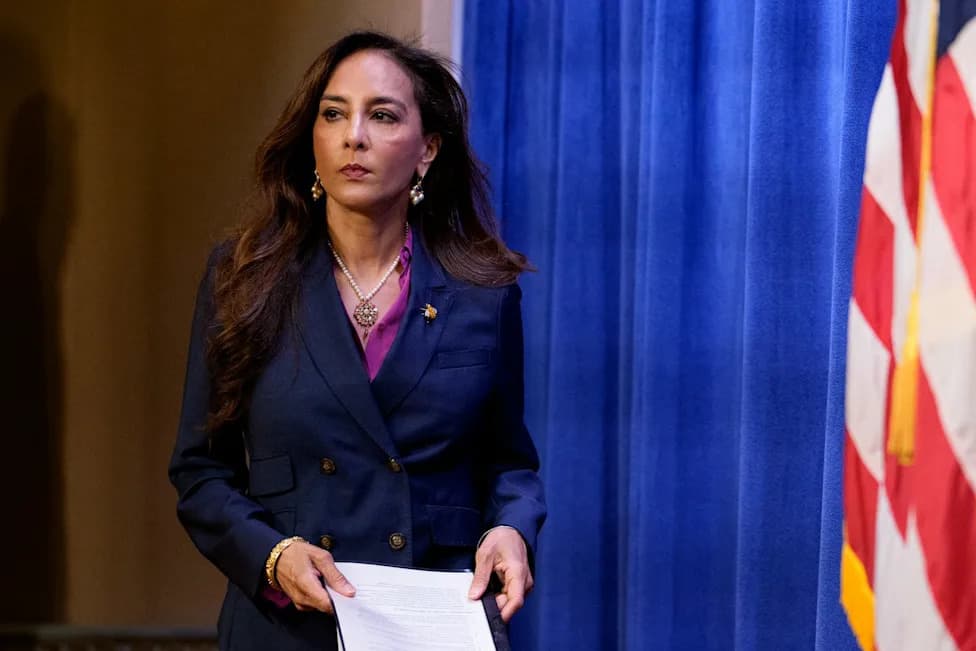
To ease tensions, Cuban authorities have issued conciliatory public statements. In a Foreign Ministry release published in state media Granma, Havana said it was willing to cooperate with the United States on security, counterterrorism, money laundering and other transnational crimes—an unusual tone observers link to the mounting economic and energy challenges. President Miguel Díaz-Canel said he is open to negotiations but warned that "dialogue cannot take place under pressure." Vice Foreign Minister Carlos Fernández de Cossío confirmed exchanges of messages with U.S. counterparts but said no formal talks are underway.
Why it matters: Tourism is one of Cuba's primary sources of foreign currency. Prolonged visitor shortfalls, combined with energy and supply disruptions, risk deepening economic hardship and prolonging recovery unless diplomatic, logistical and energy solutions are found.
Sources: National Office of Statistics and Information (Cuba), Infobae, America Noticias, Granma, Reportur.
Help us improve.