Mexico faces a diplomatic dilemma after President Donald Trump signed an executive order threatening tariffs on countries that export oil to Cuba. Mexican President Claudia Sheinbaum warned such levies could cause a humanitarian crisis but stopped short of cutting shipments that supplied roughly 44% of Cuba’s foreign oil in 2025. The US administration accused Havana of aligning with hostile actors and hosting foreign intelligence facilities; Cuba and Venezuela condemned the move as coercive and unlawful amid worsening blackouts and fuel shortages.
Trump’s Threatened Tariffs on Oil to Cuba Put Mexico and Venezuela in a Diplomatic Bind
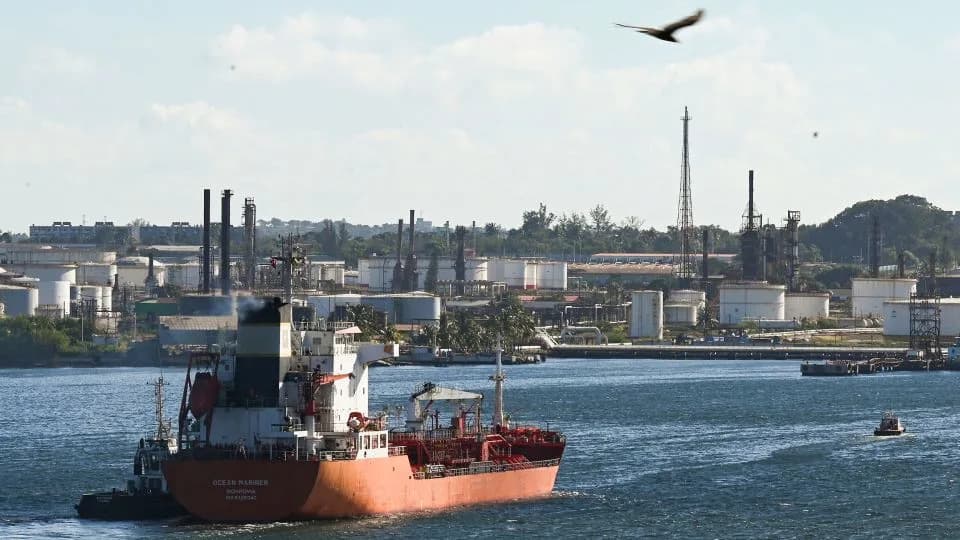
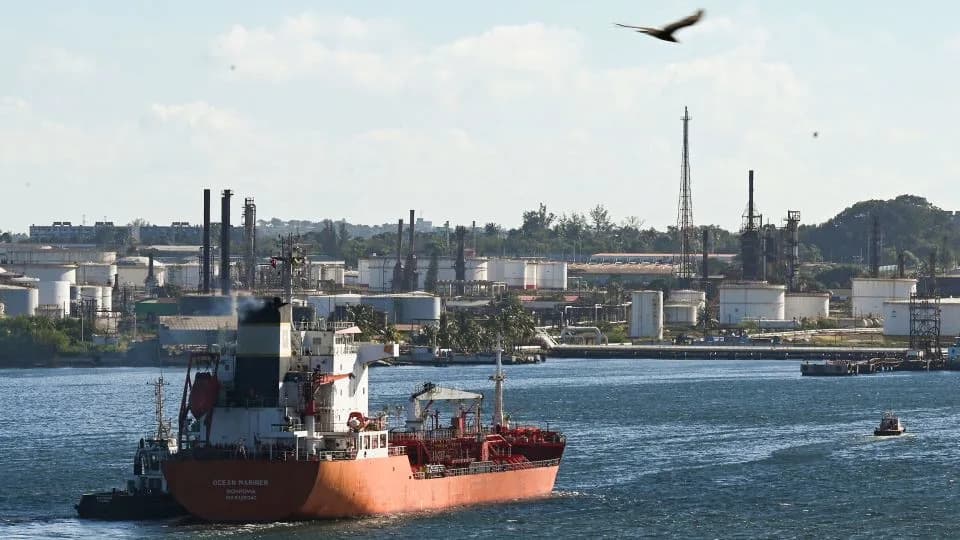
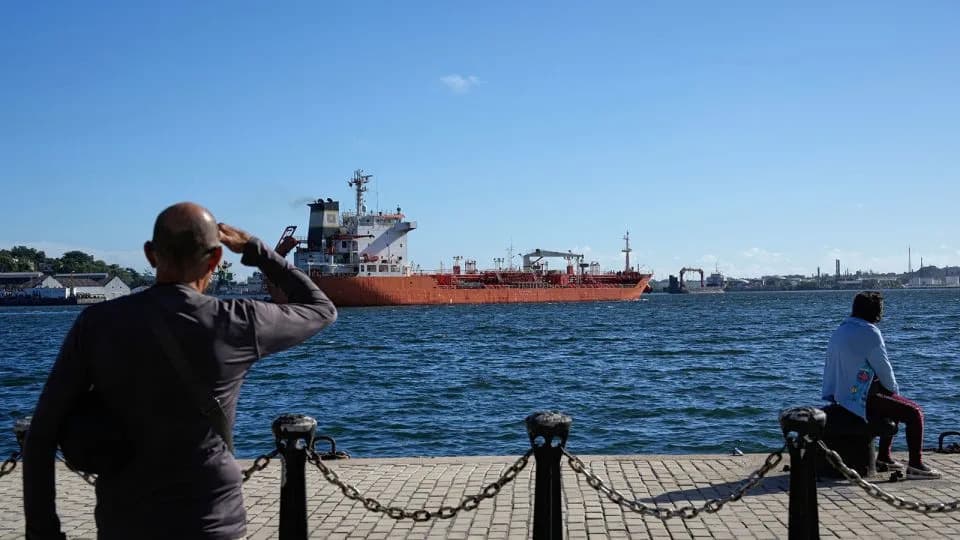
A chemical and oil products tanker arrives at the port of Havana, Cuba, on January 9, 2026. - Yamil Lage/AFP/Getty Images
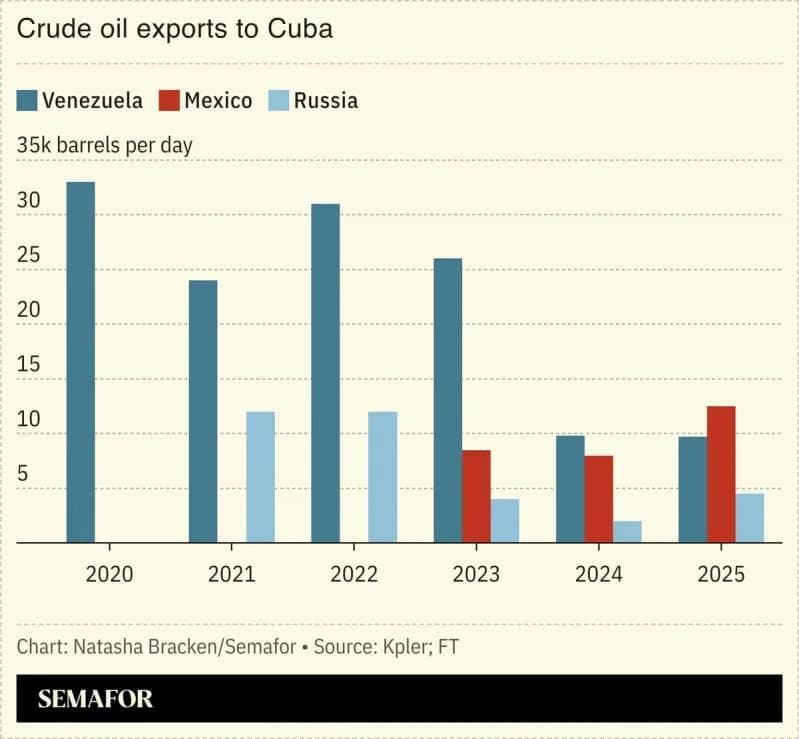
Mexico is navigating a delicate diplomatic balancing act after US President Donald Trump signed an executive order threatening tariffs on countries that continue to export oil to Cuba. As both a major trading partner of the United States and a principal supplier of fuel to Havana, Mexico could face significant economic consequences if it maintains shipments that supply nearly half of Cuba’s foreign oil.
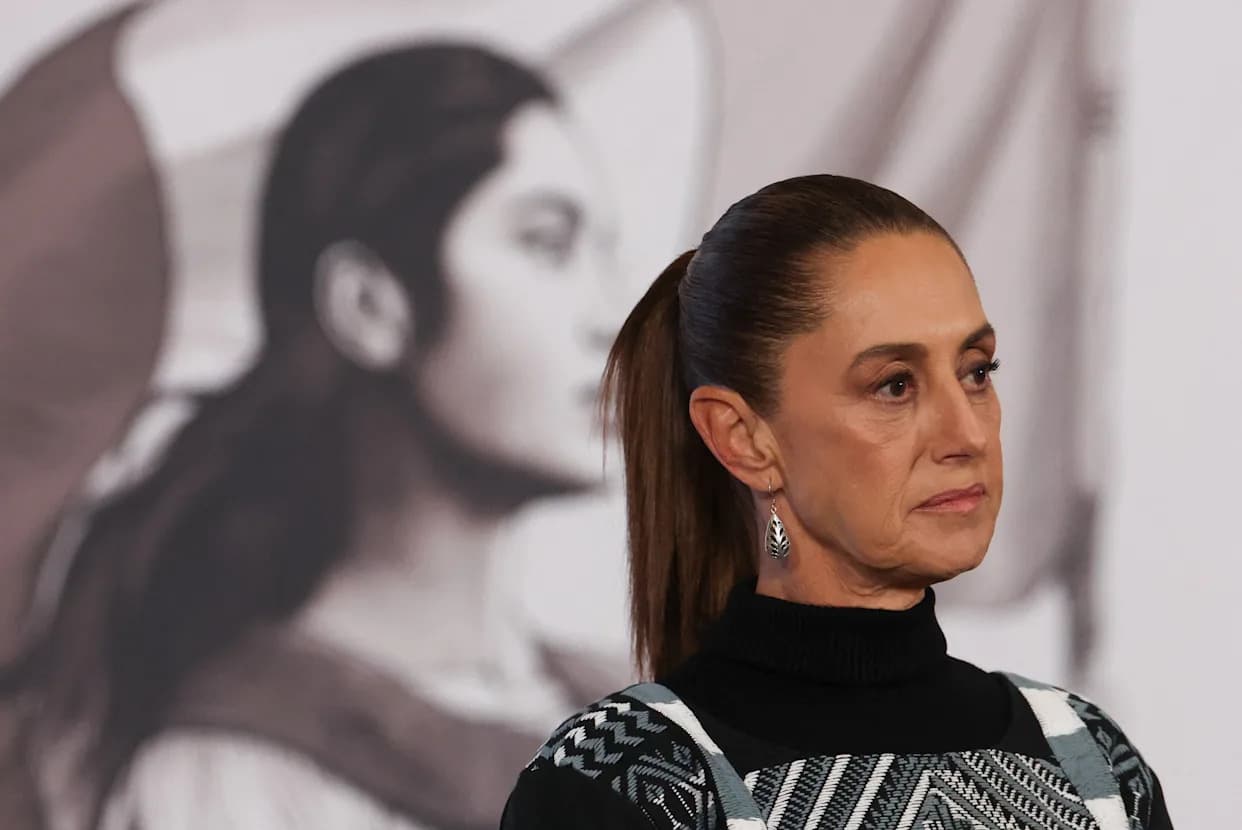
On Friday, Mexican President Claudia Sheinbaum warned that imposing such levies could “trigger a far‑reaching humanitarian crisis” in Cuba, potentially disrupting hospitals, food distribution and other essential services. Sheinbaum did not commit to halting deliveries; Mexican exports accounted for an estimated 44% of Cuba’s foreign oil supply in 2025.
Rather than announce an immediate cutoff, Sheinbaum said Mexico would seek clarification from Washington on the scope of the tariff threat and explore alternative ways to assist Cuba, which is already suffering frequent blackouts amid a prolonged energy crisis. She reiterated that oil exports are a sovereign decision made by state‑owned oil company Pemex.
Trump’s executive order declared a national emergency and said actions by the Cuban government constitute an “unusual and extraordinary threat.” The administration accused the Cuban government of aligning with “hostile countries and malign actors,” of hosting foreign military and intelligence capabilities, and of providing safe haven to extremist groups, naming organizations such as Hezbollah and Hamas in its statement. These accusations are reported as the US administration’s rationale for the tariff threat.
Within the Trump cabinet, Secretary of State Marco Rubio — a prominent voice from Miami’s Cuban exile community — has been a vocal supporter of stronger measures aimed at the Cuban government.
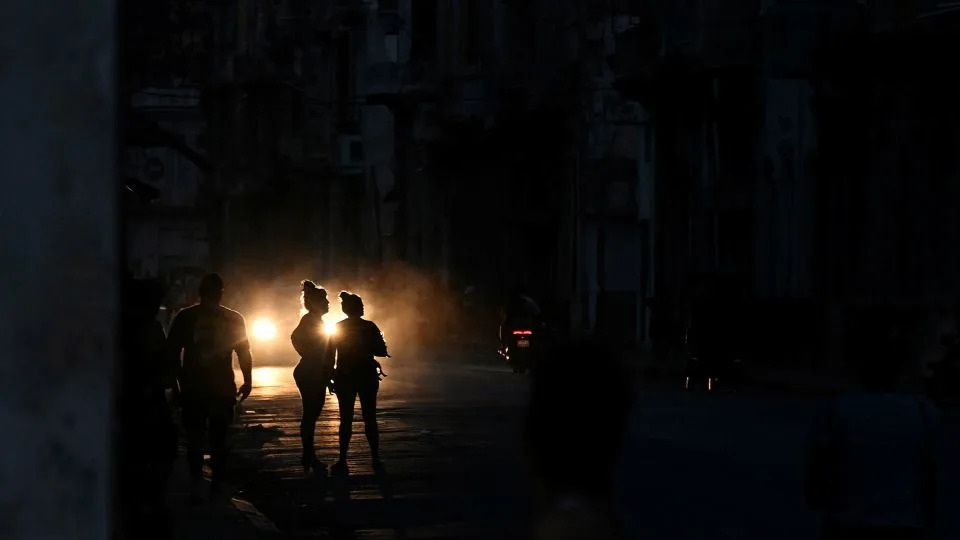
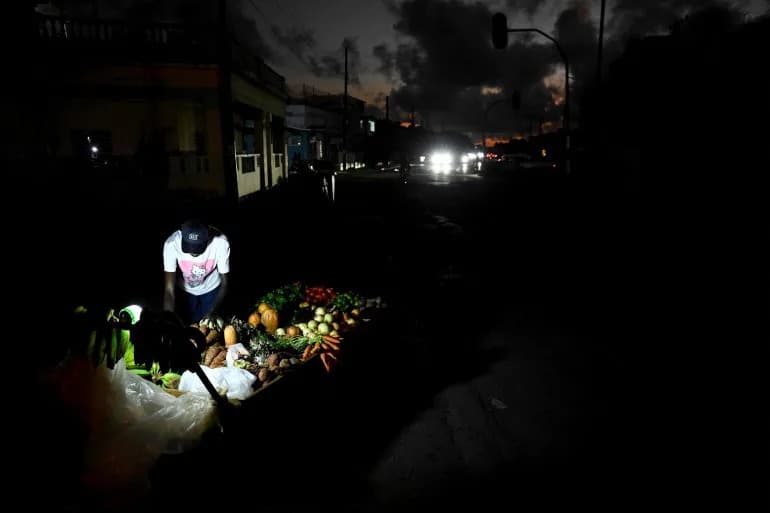
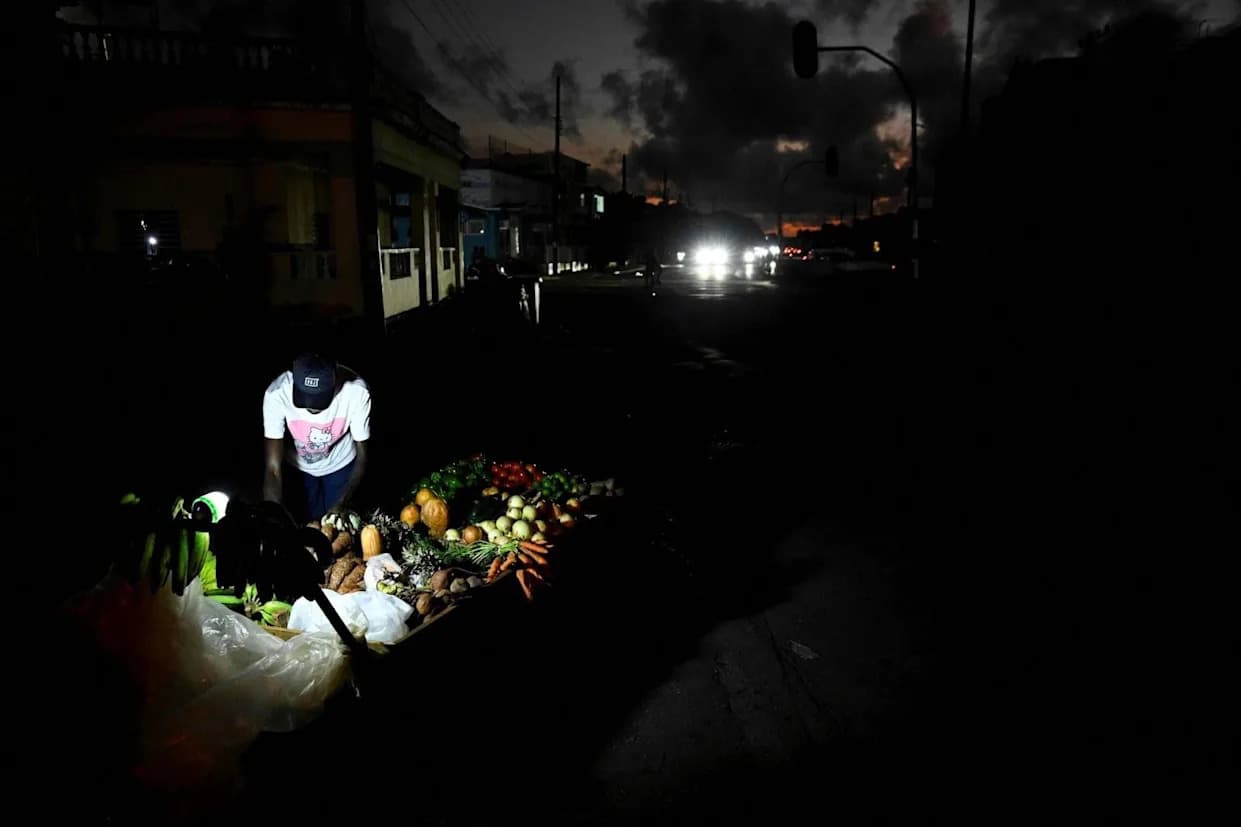
Cubans walk on a street during a blackout in Havana on September 10, 2025. - Yamil Lage/AFP/Getty Images
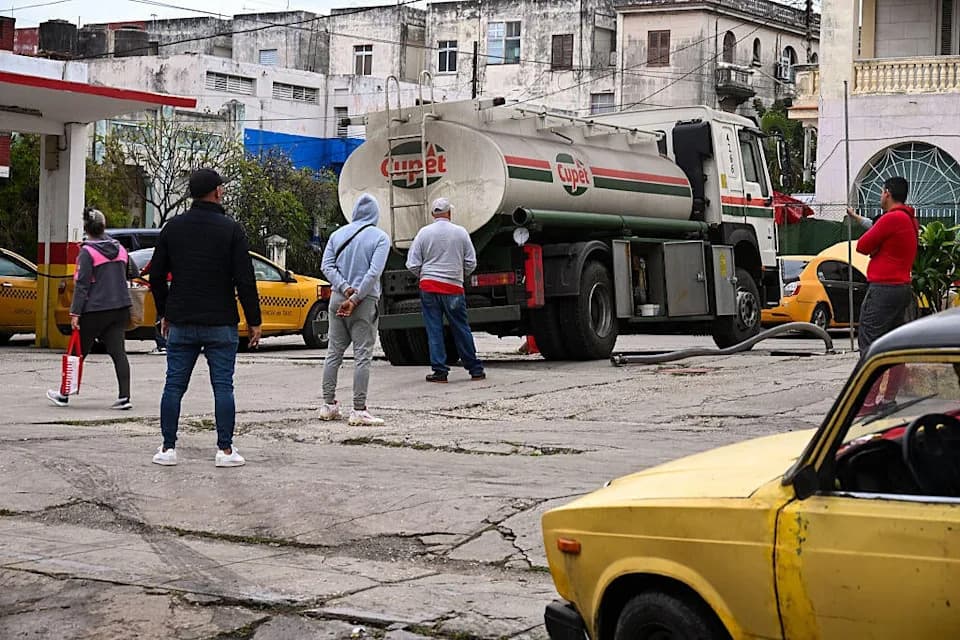
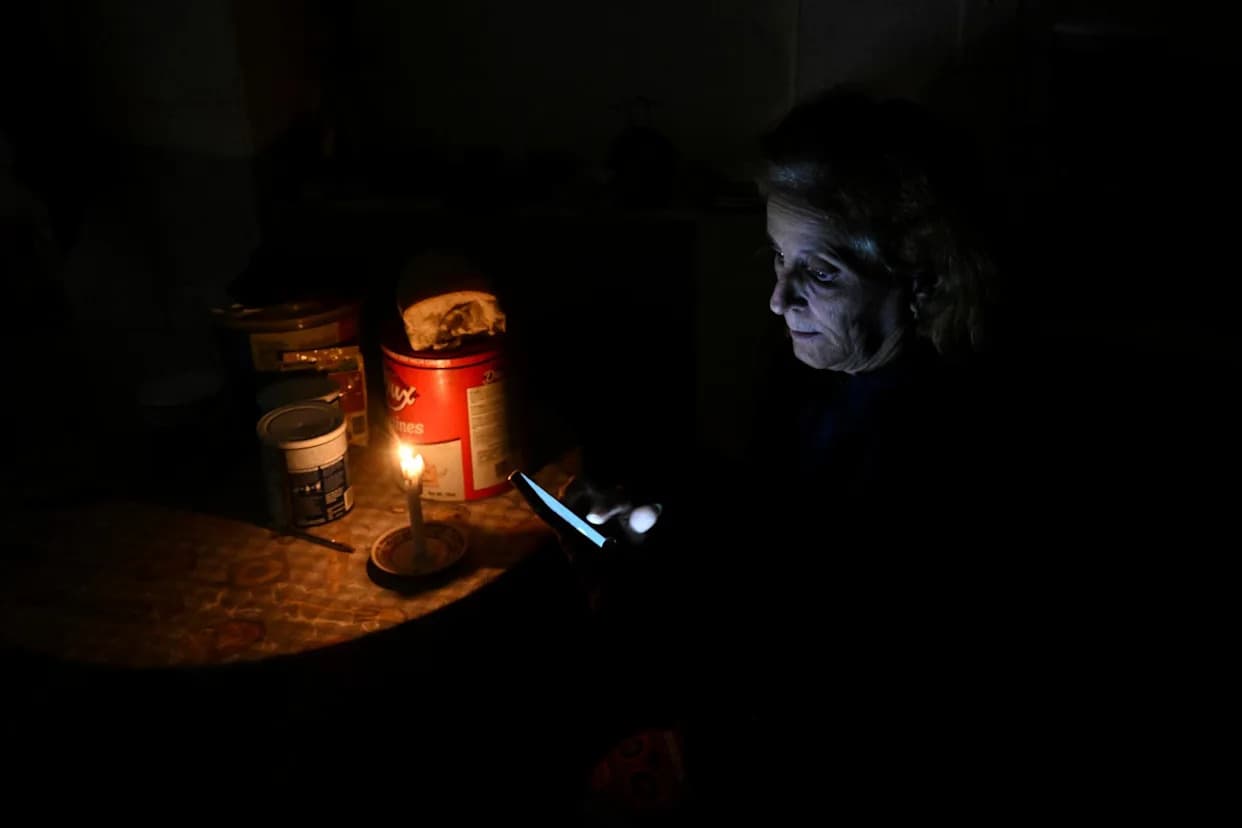
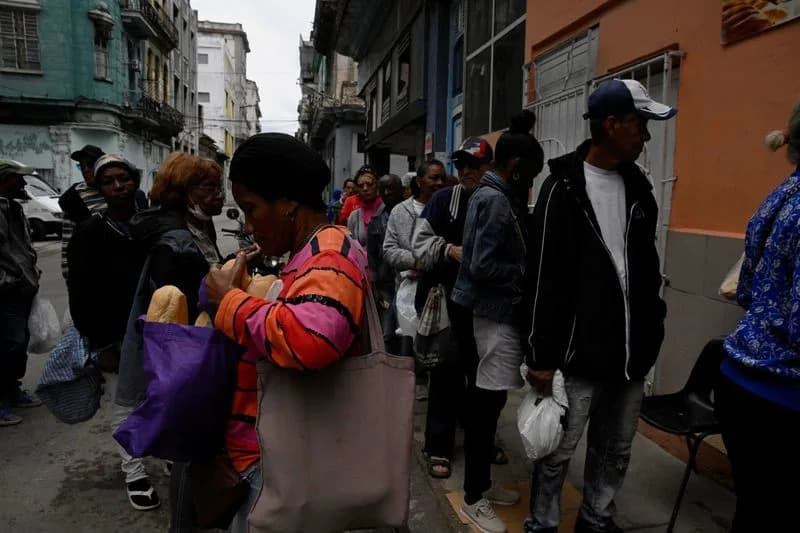
The Cuban government strongly condemned the US move on Friday, saying any tariffs would subject ordinary Cubans to severe hardship. Citizens are already coping with persistent blackouts, long lines at gas stations and interruptions to state broadcasting due to fuel shortages and power outages.
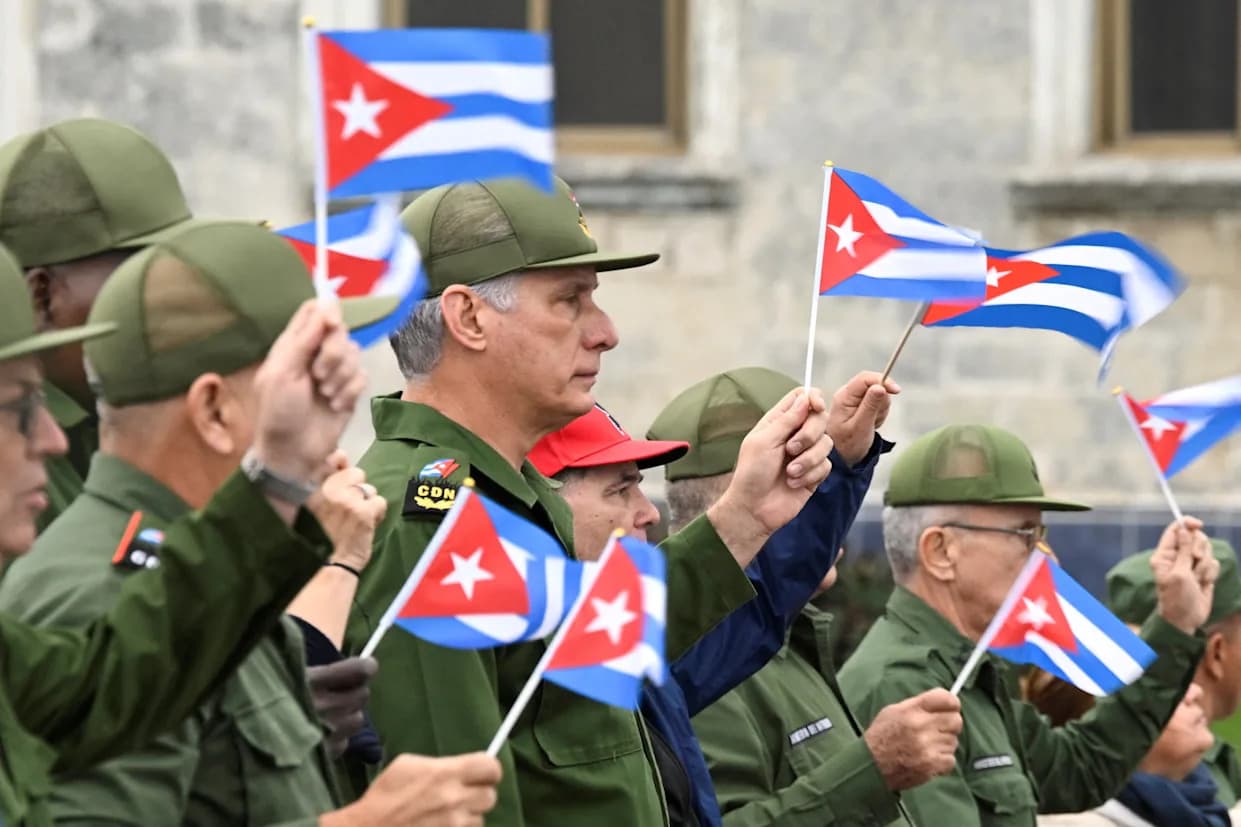
"This new measure demonstrates the fascist, criminal, and genocidal nature of a cabal that has hijacked the interests of the American people for purely personal gain," said Cuban President Miguel Díaz‑Canel, calling the US threats an “empty pretext.”
Cuban Foreign Minister Bruno Rodríguez described the US action as an attempt to blackmail other countries into what he called a “total blockade” of fuel supplies and said Cuba would declare an “international emergency,” echoing language used in the US order.
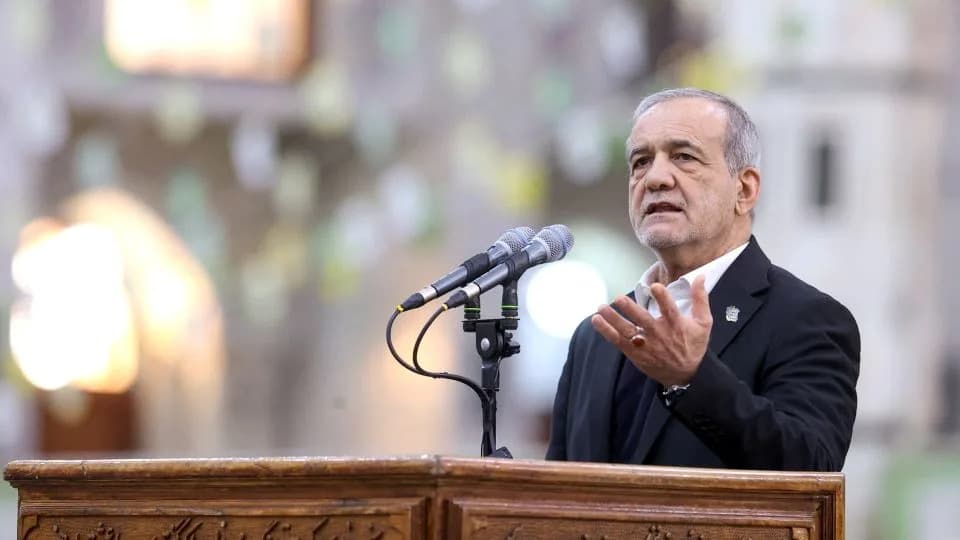
Venezuela has also been affected. Energy analysts say Venezuela supplied more than one third of Cuba’s oil needs until recently; those deliveries have been disrupted amid recent political and economic pressure on Caracas. The US has publicly asserted control over aspects of Venezuelan oil assets in certain contexts, a claim disputed by Venezuelan authorities. Delcy Rodríguez is now serving in a nominal leadership role in Caracas, and the Venezuelan government has joined Cuba in condemning the US executive order as a violation of international law.
Mexico and Venezuela’s responses illustrate the wider diplomatic fallout: governments that supply Cuba must weigh humanitarian consequences for Cuban civilians against potential punitive measures from Washington.
CNN’s Patrick Oppmann contributed reporting from Havana. For more CNN news and newsletters, create an account at CNN.com.
Help us improve.